Dec 15, 2017 | Advocacy, Cases, Legal submissions
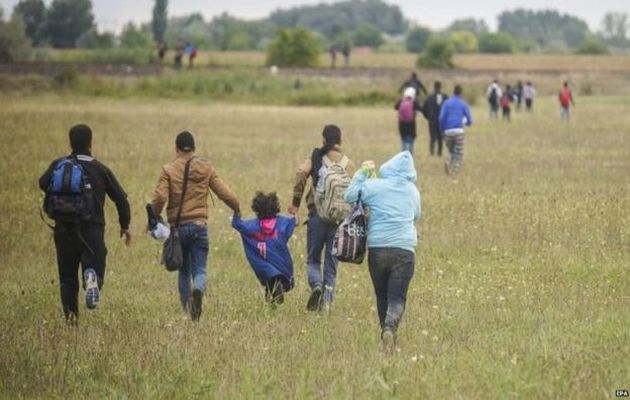
The ICJ, together with other NGOs, intervened before the European Court of Human Rights in MA v Poland, concerning interim measures to protect applicants for asylum at the Polish-Belarus border.
The case concerned a family of asylum seekers who sought to apply for international protection in Poland, at a border crossing with Belarus, but were repeatedly turned away by border guards. The European Court granted interim measures indicating that the applicants should not be returned from Poland to Belarus, and that their asylum application should be examined by the Polish authorities. These interim measures were not complied with.
In their third party intervention in the case, the ICJ, ECRE, AIRE Centre and the Dutch Council for Refugees emphasised the binding nature of the obligation to comply with interim measures of the European Court of Human Rights, supported by the jurisprudence of the Court and by comparative standards of other international human rights mechanisms.
They further submitted that, where interim measures relate to children, irrespective of whether the children are applicants in the case, the State must abide by the measure indicated with special diligence and take the appropriate protective measures which the age, level of maturity, environment and experiences of the children require.
Poland-MA-ECtHR-amicus-ICJ&others-final-eng-2017 (download the intervention)
Dec 9, 2017 | Agendas, Events, News
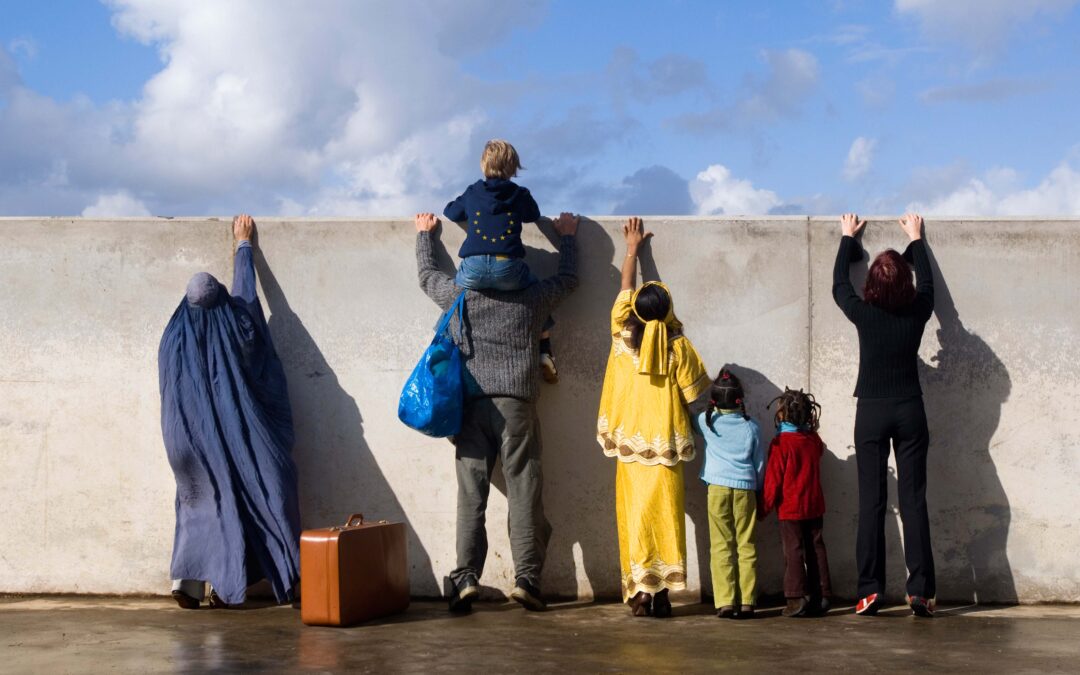
Today begins in Izmir (Turkey) a two-day training for lawyers and CSO practitioners representing and working with migrants, refugees and asylum-seekers.
This event is organized by ICJ, in cooperation with its partners Refugee Rights Turkey, the European Council on Refugees and Exiles (ECRE), Mülteci-Der (MD) and ICJ-EI, as part of the EU co-financed project Fostering Access to Rights for Migrants, Refugees and Asylum-Seekers in Turkey.
30 lawyers and civil society practitioners – representing nine different bar associations and relevant organisations from the Istanbul area and other nearby key migration and asylum locations – are taking part in the training on 9 and 10 December.
The training aims to update lawyers and CSOs on the international and national law on the rights of refugees, migrants and asylum-seekers in order to be effective in their work at both the national and international levels. It aims at an effective implementation of the Turkish legal framework on asylum and migration.
The main thematic areas to be discussed will be the principle of non-refoulement, international protection, detention and access to economic, social and cultural rights.
The training will use as a basis the draft training materials prepared by the ICJ and its partners (to be published an the end of 2019) and, among other sources, the ICJ Practitioners Guide no. 6: Migration and International Human Rights Law.
The project “Fostering Access to Rights for Migrants, Refugees and Asylum-Seekers in Turkey” is funded by the European Instrument for Democracy and Human Rights (EIDHR) of the European Union.
Turkey-Training-Izmir-MigrationAsylum-Agenda-2017-tur-eng (download the agenda in Turkish and English)
Dec 4, 2017 | News
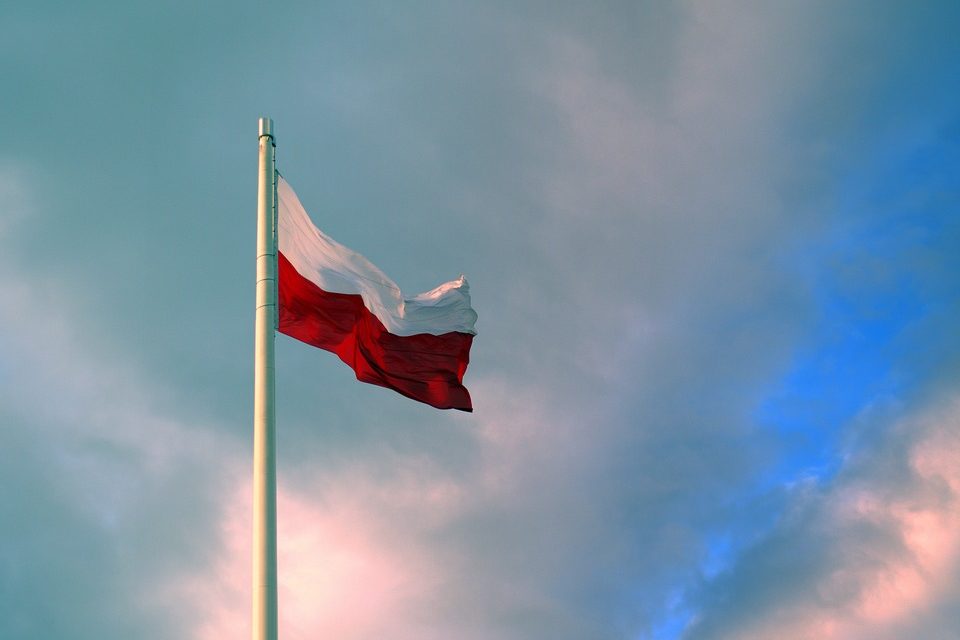
The ICJ called today on the Polish Parliament (Sejm) to reject two draft laws that, if approved, would significantly undermine the independence of the judiciary.
The Sejm is reportedly set to approve tomorrow draft bill no. 2002 that, among other measures, will allow Parliament and the Government to appoint a majority of the members of the National Judicial Council, the institution in charge of defending the independence of the judiciary and appointing judges.
This law gives the Polish legislature and executive, which have increasingly demonstrated deep disregard for human rights and the rule of law, undue influence over the judiciary.
Additionally, draft bill no. 2003, which will also come before the Parliament for approval, will lower the age of retirement for Supreme Court judges from 70 to 65 years and allow the President of the Republic to decide which judges are to be reinstated.
“These draft laws tabled by President Duda are a direct blow to the principle of separation of powers, the bedrock of the rule of law,” said Massimo Frigo, Senior Legal Adviser with the ICJ Europe Programme. “The changes made to the draft laws rejected by the President last July have not remedied in any way their adverse implications for judicial independence”.
In July, President Andrzej Duda vetoed two draft laws approved by Parliament that would have automatically dismissed all judges of the Supreme Court and entrusted the Minister of Justice with any decision on their reappointment.
The provision on the appointment of the members of the National Judicial Council was also included in the draft laws rejected in July and has changed only with regard to the parliamentary majority needed for such appointments.
“These series of legislative attacks on the independence of the judiciary in Poland must stop. These actions are inconsistent with the international obligations of Poland to ensure the independence of judges,” said Massimo Frigo.
“If these laws are approved and enter into force, this will be a decisive blow to the rule of law in Poland. A EU Member State that directly undermines the checks and balances of its own legal system threatens the founding values of the EU of the rule of law and respect for human rights, and makes it essential that the EU intervene through its article 7 procedure.” he added.
An article 7 procedure can lead to a State losing its voting rights within the EU decision-making processes. It is triggered by the European institutions, or one third of Member States, when they consider that there is a “clear risk of a serious breach by a Member State” of EU values, among which the rule of law and human rights. It is the European Council that then decides on the exclusion, if it determines that the breach of these values is “serious and persistent”.
Contact
Massimo Frigo, ICJ Senior Legal Adviser, t: +41 22 979 3805 ; e: massimo.frigo(a)icj.org
Poland-Draft law judiciary-News-Press releases-2017-ENG (full text in PDF)
Dec 4, 2017 | News
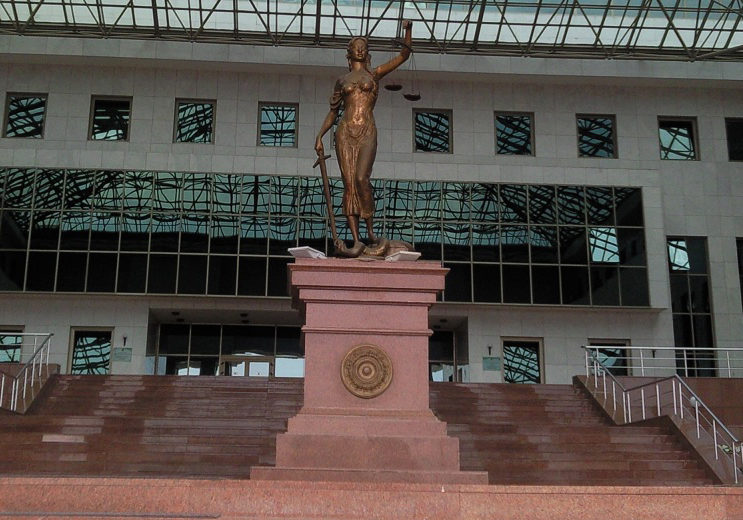
Today, the International Commission of Jurists (ICJ) began a two-day mission on the reform of the legal profession in Kazakhstan.
The ICJ mission will discuss comparative experiences and international standards on the role and independence of lawyers.
The ICJ mission will include representatives of the Bar Associations of Germany, the Netherlands and the United Kingdom.
The experts will have an opportunity to share their views on the reform and discuss their own country practices on the role of lawyers and institutional guarantees of the independence of the legal profession.
In Astana, the ICJ mission will meet, among others, with the Minister of Justice, the Supreme Court of Kazakhstan, members of the Parliament, the Kazakhstan Collegium of Lawyers and National Public Association of Commercial Lawyers “Kazakhstan Bar Association” (“KazBar”).
Contact:
Temur Shakirov, Senior Legal Adviser, ICJ Europe Programme, temur.shakirov(a)icj.org
Nov 23, 2017 | Agendas, Events, News
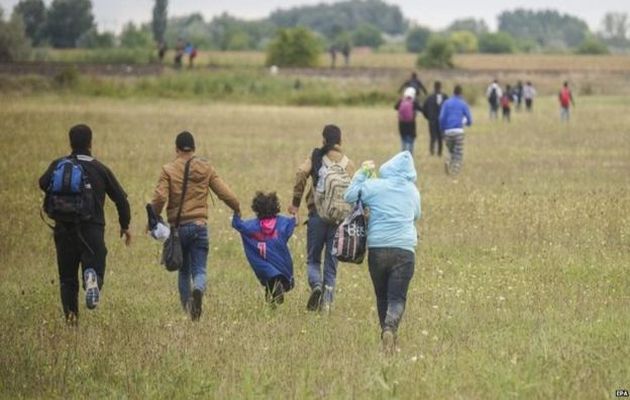
The ICJ delivers today and tomorrow a training for judges on asylum, migration and international human rights law, including non-discrimination, organised by OSCE and the Judicial Academy.
The training, that takes place in the capital Belgrade, will be delivered to judges of all level of jurisdiction of Serbian courts.
It will focus on human rights law related to the entry of migrants, including refugees, to the territory of a State, to the State’s obligations on international protection, the rules applicable to detention of foreign national and their rights, and the prohibition of non-discrimination.
Serbia-Training-MIgrationAsylum-OSCEJA-2017-eng (download the agenda in English)