Oct 6, 2020 | News
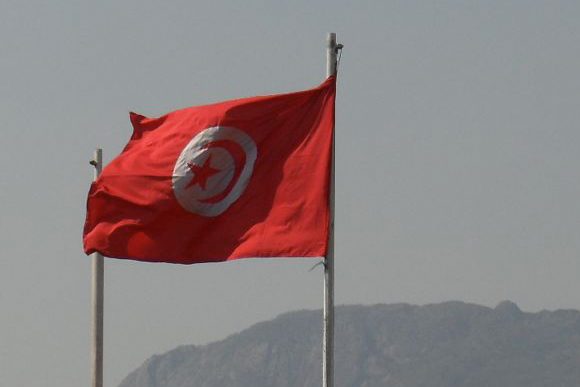
The Tunisian Parliament should amend or reject the revised Draft Organic Law No. 25-2015 on the protection of security forces scheduled for discussion in Parliament today, said the ICJ. The Law if adopted would reinforce impunity for violations committed by security forces and undermine the rule of law and human rights.
The revised Draft Law was approved by the Parliamentary Commission in July 2020, following unsuccessful attempts to adopt it in 2015 and 2017.
Article 7 of the Draft Law provides for the exoneration of security forces from criminal responsibility for using lethal force to repel attacks on a security building, when the force is necessary and proportional to the danger posed to the building. In 2017, the ICJ and other organizations urged Parliament to reject a prior draft which included the same provision.
“More than 10 years after the uprising, Tunisia’s security forces continue to enjoy impunity for decades of serious human rights violations,” said Said Benarbia, the ICJ’s MENA Programme Director.
“The Parliament should adopt all the effective measures at its disposal to end such impunity, not entrench it by allowing the use of lethal force when it’s not strictly necessary to protect lives.”
Article 7 of the Draft Law would preserve the operation of Law No. 69-04, which permits the use of firearms to defend property, “mitigate” a resistance, or stop a vehicle or other form of transport in the context of public meetings, processions, parades, public gatherings, and assemblies. It allows for the use of lethal force to disperse an unlawful gathering where other means of dispersal have failed.
Under international law, including the United Nations Basic Principles on the Use of Force, the intentional use of lethal force must be reasonable, necessary and proportional, and is only permissible if strictly necessary to protect life from an imminent threat to life, not a threat to property.
In the context of non-violent assemblies, the use of force should be avoided and, where unavoidable, restricted to the minimum extent necessary against only those individuals posing an imminent threat of death or serious injury.
The Draft Law appears to preserve an exemption under article 42 of the Criminal Code and Article 46 of Law No. 82-70 on the Statute of Internal Security Forces of 6 August 1982. Article 42 of the Criminal Code provides that a person is not liable for crimes under the Criminal Code, including homicide, if their acts were carried out pursuant to other laws or orders from a competent authority. Article 46 of Law No. 82-70 limits this immunity in relation to orders given to officers of the Internal Security Forces by requiring the orders be given “by their superior in the framework of legality.” Under international law, superior orders cannot serve as a ground of defence to a crime of unlawful killing by a State agent, such as a member of a security force.
“The Tunisian Parliament should reject the Draft Law and conduct a complete review of all laws regulating the conduct of the security forces to ensure they meet standards necessary to protect the population from the excesses demonstrated in the past,” said Kate Vigneswaran, the ICJ’s MENA Programme Senior Legal Adviser.
“Members of the Parliament should send a clear, unequivocal message that the impunity of the security forces can no longer be tolerated.”
Contact:
Said Benarbia, Director, ICJ Middle East and North Africa Programme, t: +41-22-979-3817; e: said.benarbia(a)icj.org
Kate Vigneswaran, Senior Legal Adviser, ICJ Middle East and North Africa Programme, t: +31-62-489-4664; e: kate.vigneswaran(a)icj.org
Tunisia-draft law security forces-News-2020-ARA (story in Arabic, PDF)
Sep 30, 2020 | Feature articles, News
Venezuela is suffering from an unprecedented human rights and humanitarian crisis that has deepened due to the dereliction by the authoritarian government and the breakdown of the rule of law in the country.
The International Organization for Migration (IOM) has estimated that some 5.2 million Venezuelans have left the country, most arriving as refugees and migrants in neighbouring countries.
The Office of the United Nations High Commissioner for Human Rights (OHCHR) in 2018 had categorized this situation of human rights, as “a downward spiral with no end in sight”.
The situation of the right to health in Venezuela and its public health system showed structural problems before the pandemic and was described as a “dramatic health crisis (…) consequence of the collapse of the Venezuelan health care system” by the High Commissioner.
Recently, the OHCHR submitted a report to the Human Rights Council, in which it addressed, among other things the attacks on indigenous peoples’ rights in the Arco Minero del Orinoco (Orinoco’s Mining Arc or AMO).
Indigenous peoples’ rights and the AMO mining projects before the covid-19 pandemic
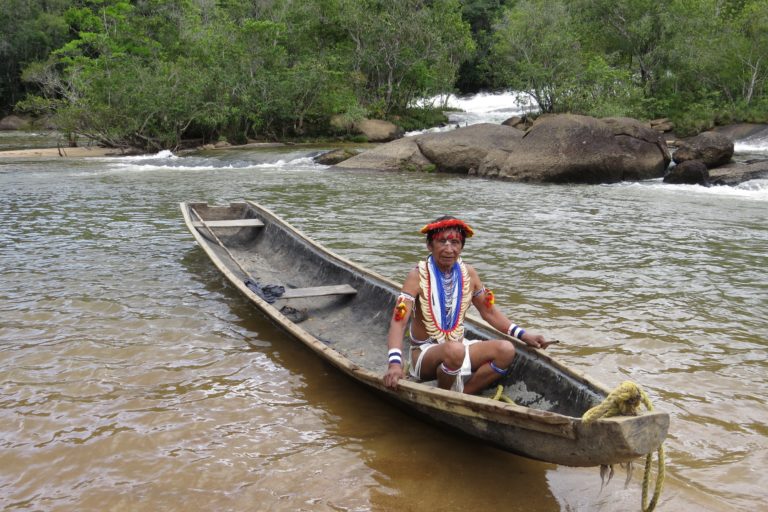
Indigenous peoples have been traditionally forgotten by government authorities in Venezuela and condemned to live in poverty. During the humanitarian crisis, they have suffered further abuses due to the mining activity and the violence occurring in their territories.
In 2016, the Venezuelan government created the Orinoco’s Mining Arc National Strategic Development Zone through presidential Decree No. 2248, as a mega-mining project focused mainly in gold extraction in an area of 111.843,70 square kilometres.
It is located at the south of the Orinoco river in the Amazonian territories of Venezuela and covers three states: Amazonas, Bolívar and Delta Amacuro.
It is the habitat for several indigenous ethnic groups[1] who were not properly consulted before the implementation of the project.
The right to land of indigenous peoples is recognized in the Venezuelan Constitution. Yet, as reported by local NGO Programa Venezolano de Educación- Acción en Derechos Humanos (PROVEA), the authorities have shown no progress in the demarcation and protection of indigenous territories since 2016.
Several indigenous organizations and other social movements have expressed concern and rejected the AMO project.
The implementation of this project has negatively impacted indigenous peoples’ rights to life, health and a safe, healthy and sustainable environment. Human Rights Watch, Business and Human Rights Resource Center, local NGO’s, social movements and the OHCHR, have documented the destruction of the land and the contamination of rivers due to the deforestation and mining activity, which is also contributing to the growth of Malaria and other diseases.
Indigenous women and children are among the most affected. The Pan-American Health Organization (PAHO) has reported that “the indigenous populations living in border areas of Venezuela are highly vulnerable to epidemic-prone diseases”, and it raised a special concern about the Warao people (Venezuela and Guyana border) and Yanomami people (Venezuela and Brazil border).
Women and children also face higher risks of sexual and labour exploitation and of gender-based violence in the context of mining activities.
The High Commissioner’s recent report mentions that there is “a sharp increase since 2016 in prostitution, sexual exploitation and trafficking in mining areas, including of adolescent girls.”
In addition, the United Nations Office for the Coordination of Humanitarian Affairs (OCHA) and the United Nations Children’s Fund (UNICEF) have identified a trend among adolescents of dropping out of school particularly between the ages of 13 and 17. Indigenous individuals are acutely affected, as many children leave to become workers at the mines.
Violence and crime have also increased in the AMO. Criminal organizations and guerrilla and paramilitary groups are present in the zone, and the Venezuelan government has expanded its military presence. Indigenous leaders and human rights defenders have been targets of attacks and threats; and there is a persistence of allegations of cases of enforced disappearances and extrajudicial and arbitrary killings.
Current situation under COVID-19 pandemic
The COVID-19 pandemic and the lack of adequate response to it has aggravated this situation.
The government declared a state of emergency (estado de alarma) on 13 March and established a mandatory lockdown and social distancing measures. Yet mining activities have continued without adequate sanitary protocols to prevent the spread of the pandemic.
The State of Bolívar -the largest state of the country which is located in the Orinoco Mining Arc- has among the highest numbers of confirmed cases of COVID-19 which have included indigenous peoples.
The Venezuelan authorities’ response to the pandemic in these territories has not considered culturally appropriate measures for them. In addition, although authorities established a group of hospitals and medical facilities called “sentinel centres” to attend persons with COVID-19 symptoms, they are located in cities while indigenous communities live far from cities.
Furthermore, the lack of petrol in the country aggravates the obstacles to easy transportation to these centres.
Civil society organizations and indigenous leaders complain about the lack of COVID-19 tests and the data manipulation of the real situation of the pandemic. Also, the OHCHR reported the arbitrary arrest of at least three health professionals for denouncing the lack of basic equipment and for providing information about the situation of COVID-19, and stressed that there are “restrictions to civic and democratic space, including under the “state of alarm” decreed in response to the COVID-19 pandemic.”
[1] At least Kari’ña, Warao, Arawak, Pemón, Ye’kwana, Sanemá o Hotï, Eñe’pa, Panare, Wánai, Mapoyo, Piaroa and Hiwi.
Download
Venezuela-COVID19 indigenous-News Feature articles-2020-ENG (full article with additional information, in PDF)
Sep 30, 2020 | News
The ICJ today welcomed the first annual rule of law report of the European Commission, which analyses the compliance of all EU Member States with rule of law standards, including on judicial independence, freedom of the media and civil society.
The report is a welcome recognition that rule of law guarantees cannot be taken for granted in any European country, and that all EU institutions must be particularly vigilant in their defence.
But the ICJ warns that the report is only valuable if it leads to strengthened EU enforcement action to address the serious rule of law crises in Poland and in Hungary.
“This report is further testimony to the actions of governments of Poland and Hungary, to deliberately and systematically dismantle protections for judicial independence and other essential rule of law protections,” said Róisín Pillay, ICJ Europe and Central Asia Programme Director.
“We need the EU to use its powers of enforcement promptly and to the full, to defend these fundamental guarantees, including through prompt progression of Article 7 and enforcement proceedings. It is welcome that the European Commission calls on Member States to accelerate the resolution of problems raised under the Article 7 proceedings against Poland and Hungary. This report should lead to renewed efforts of all the institutions to urgently progress these proceedings,” she added.
Additional information
The full text of the European Commission report is available here: https://ec.europa.eu/info/publications/2020-rule-law-report-communication-and-country-chapters_en
The International Commission of Jurists has repeatedly expressed serious concern at the deteriorating rule of law situation in both Poland and Hungary, see for example:
https://www.icj.org/poland-judges-and-lawyers-from-around-the-world-condemn-rapidly-escalating-rule-of-law-crisis/
And here: https://www.icj.org/european-union-icj-joins-call-for-urgent-eu-response-to-hungarys-covid-19-emergency-law/
Contact:
Róisín Pillay, ICJ Europe and Central Asia Programme Director, t: +32 476 97 42 63; e: roisin.pillay@icj.org
Karolina Babicka, Legal Adviser, ICJ Europe and Central Asia Programme, t: +32 475 46 20 67; e: karolina.babicka@icj.org
Sep 30, 2020 | Events, News
For decades, victims of enforced disappearances and extrajudicial killings in Latin America have been demanding justice, truth, and reparations. Despite these efforts, impunity remains rampant. In some cases, victims have been waiting for justice for over four decades.
As a part of its strategy to promote accountability for serious human rights violations around the world, the ICJ, together with partners, is implementing a regional project to address justice for extrajudicial killings and enforced disappearances in Colombia, Guatemala, and Peru, supported by the European Union.
One of the results of the project has been to support the production of three case dossiers by the ICJ’s local partners.
In Colombia, to illustrate one of the patterns of extrajudicial killings, the Asociación de Red Defensores y Defensoras de Derechos Humanos (dhColombia) produced a document concerning three cases of extrajudicial killings committed during 2006 and 2008.
The report Una práctica sistemática ejecuciones extrajudiciales en el eje cafetero (2006-2008) presents the challenges the victims and their lawyers have faced when seeking responsibility for those crimes.
In Peru, the Instituto de Defensa Legal (IDL) documented the enforced disappearances of university students and professors between 1989 to 1993, at the height of the internal conflict. In the report Los desaparecidos de la Universidad Nacional del Centro IDL describes the difficult legal path victims have faced in order to bring state agents suspected of committing crimes to justice.
In Guatemala, to highlight the manner in which enforced disappearances were committed against rural communities during the internal armed conflict, the Asociación de Familiares de Detenidos-Desaparecidos de Guatemala (Famdegua) wrote about the enforced disappearance of more than 500 people in the region of the Veparaces. In the report Las desapariciones forzadas en la región de las Verapaces the story of five cases is presented.
These three reports contribute towards understanding the prevalence of these violations in Latin America, and the available options to tackle impunity.
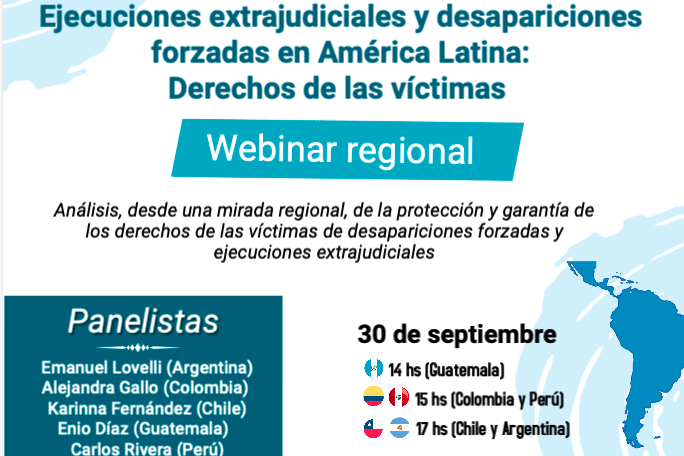
On 30 September 2020, the ICJ will host a regional webinar to discuss the protection and guarantee of the rights of victims of enforced disappearances and extrajudicial executions in Argentina, Colombia, Chile, Guatemala and Peru.
The webinar will be broadcast live on the ICJ’s Facebook page, at 14 hours (Guatemala time)/15 hours (Colombia and Peru time)/ 17 hours (Chile and Argentina time).
Contact
Kingsley Abbott, Coordinator of the Global Accountability Initiative, e: kingsley.abbott@icj.org
Carolina Villadiego Burbano, Legal and Policy Adviser, Latin America and Regional Coordinator of the Project, e: carolina.villadiego@icj.org
Rocío Quintero M, Legal Adviser, Latin America, e: rocio.quintero@icj.org
Sep 30, 2020 | News
Today, the ICJ joined fourteen other human rights organizations in condemning the Indian government’s actions against Amnesty India and pledged to continue support for local human rights defenders and organizations against the recent crackdown.
Amnesty International India announced that it is halting its work in the country after the Indian government froze its bank accounts in an act of reprisal for the organization’s human rights work.
The Indian government’s actions against Amnesty India are part of increasingly repressive tactics to shut down critical voices and groups working to promote, protect, and uphold fundamental rights, said the Association for Progressive Communications, Global Indian Progressive Alliance, International Commission of Jurists, International Federation for Human Rights (FIDH), CIVICUS: World Alliance for Citizen Participation, Front Line Defenders, FORUM-ASIA, Foundation the London Story, Hindus for Human Rights, Human Rights Watch, International Service for Human Rights, Minority Rights Group, Odhikar, South Asians for Human Rights (SAHR), and World Organisation Against Torture (OMCT) in the framework of the Observatory for the Protection of Human Rights Defenders.
The Hindu nationalist Bharatiya Janata Party (BJP)-led government has accused Amnesty India of violating laws on foreign funding, a charge the group says is politically motivated and constitutes evidence “that the overbroad legal framework is maliciously activated when human rights defenders and groups challenge the government’s grave inactions and excesses.”
The BJP government has increasingly cracked down on civil society, harassing and bringing politically motivated cases against human rights defenders, academics, student activists, journalists, and others critical of the government under sedition, terrorism, and other repressive laws.
These actions increasingly mimic that of authoritarian regimes, which do not tolerate any criticism and shamelessly target those who dare to speak out. With growing criticism of the government’s discriminatory policies and attacks on the rule of law, the authorities seem more interested in shooting the messenger than addressing the grievances. Women’s rights activists and indigenous and minority human rights defenders have been especially vulnerable. The recent action against Amnesty India highlights the stepped-up pressure and violence felt by local defenders on the ground, regardless of their profile.
The authorities have repeatedly used foreign funding regulations under the Foreign Contribution Regulation Act (FCRA), a law broadly condemned for violating international human rights law and standards, to target outspoken groups. United Nations experts on human rights defenders, on freedom of expression, and on freedom of association have urged the government to repeal the law, saying it is “being used more and more to silence organisations involved in advocating civil, political, economic, social, environmental or cultural priorities, which may differ from those backed by the Government.”
Yet, the Indian parliament amended the FCRA this month, adding further onerous governmental oversight, additional regulations and certification processes, and operational requirements that would adversely affect civil society groups and effectively restrict access to foreign funding for small nongovernmental organizations.
A robust, independent, and vocal civil society is indispensable in any democracy to ensure a check on government and to hold it accountable, pushing it to do better. Instead of treating human rights groups as its enemies, the government should work with them to protect the rights of all people and ensure accountability at all levels of government.
Contact
Ian Seiderman, ICJ Law and Policy Director: ian.seiderman@icj.org
Sep 29, 2020 | Advocacy, News
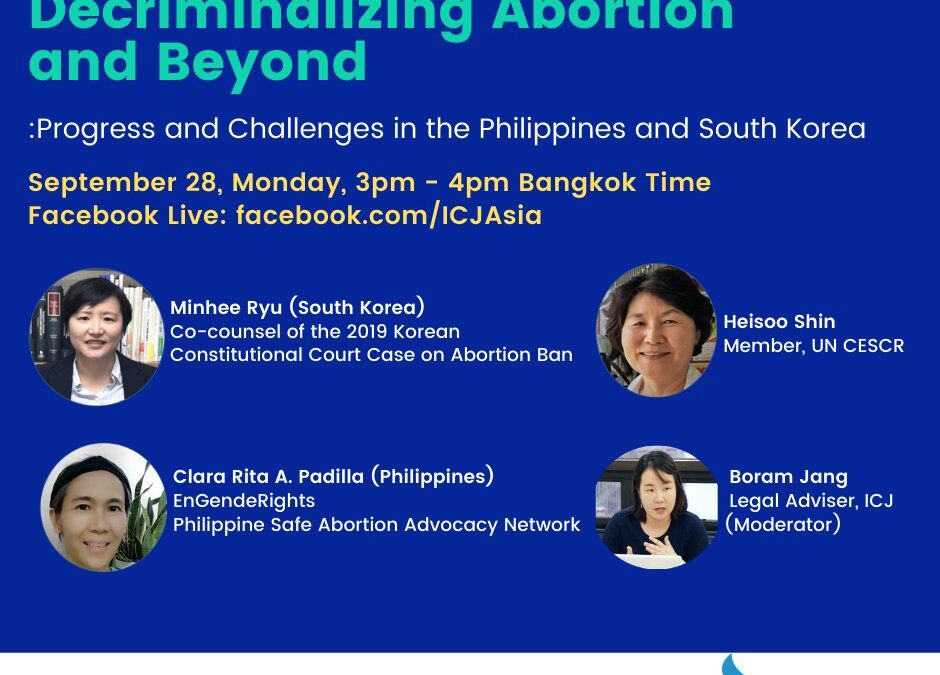
On the International Safe Abortion Day, the ICJ held a webinar on the decriminalization of abortion in the Philippines and the Republic of Korea.
The webinar focused on the legal provisions criminalizing abortion and on women human rights defenders’ struggle to decriminalize abortion in the Philippines and in the Republic of Korea. In addition, the participants highlighted States’ legal obligation to guarantee access to legal, safe and affordable abortion and post abortion care for all persons under international human rights law and standards.
Ms. Clara Rita A. Padilla from the Philippines’ Safe Abortion Advocacy Network; Ms. Minhee Ryu, Co-counsel in the 2019 Korean Constitutional Court case on the country’s criminal ban on abortion; and Dr. Heisoo Shin, member of the UN Committee on Economic, Social and Cultural Rights (CESCR) participated as speakers.
“The law imposing penalties on women who have an abortion and those assisting them only endangered the lives of women forced to seek unsafe abortion,” said Ms. Padilla. “Today, the Philippine Safe Abortion Advocacy Network introduced a draft bill, An Act Decriminalizing Induced Abortion to Save the Lives of Women, Girls, and Persons of Diverse Gender Identities, and we will continue advocating the repeal of the current discriminatory law against women and eliminate harmful stigma against women due to the restrictive abortion law and imposition of judgmental religious beliefs.”
Ms. Minhee Ryu talked about the women human rights defender’s movement in the Republic of Korea, including the work of the Joint Action for Reproductive Justice. She also highlighted the legal strategy to draw the Constitutional Court’s attention to the experience of girls, migrant women and women with disabilities in the context of the case that resulted in the Court holding that the criminalization of abortion was unconstitutional in April 2019.
“It is the core obligations of States to ensure the repeal of laws, policies and practices that criminalize, obstruct or undermine access by individuals or a particular group to sexual and reproductive health facilities and services,” said Dr. Heisoo Shin. “Denial of abortion often leads to maternal mortality and morbidity, which, in turn, constitute violations of the rights to life, dignity, autonomy, security, equality and non-discrimination, equality before the law and equal protection of the law without discrimination, privacy, physical and mental health, and the right to freedom from ill-treatment.”
The participants agreed that international human rights law and standards, such as the Human Rights Committee’s General Comment 36 on the right to life, and the CESCR’s General Comment 22 on the right to sexual and reproductive health, are instrumental in worldwide efforts to ensure access to legal, safe and affordable abortion and in advocating for its complete decriminalization.
Contact
Boram Jang, International Legal Adviser, e: boram.jang(a)icj.org