Jan 9, 2020 | Agendas, Events, News
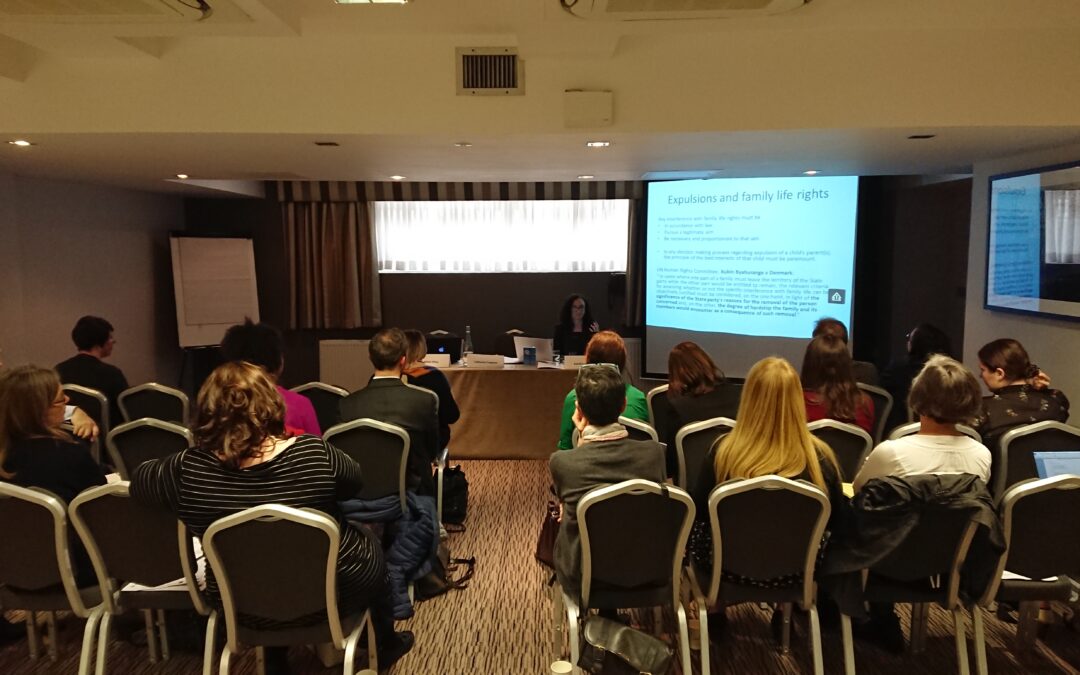
Today, the ICJ and Immigrant Council of Ireland (ICI) are holding a 2-day training seminar for judges and lawyers in Dublin, Ireland, on the rights of migrants, in particular the right to family life and due process in asylum proceedings.
The participants consist of about 30 judges and judicial assistants from the International Protection Appeals Tribunal (IPAT) administrative decision makers (IPO/INIS), and legal professionals.
During the two days of training, experts from the European Court of Human Rights, the UK Immigration Tribunal, Trinity College Dublin, the Immigrant Council of Ireland and the ICJ will deliver the training, bringing international human rights and EU law perspectives to the discussion on the Irish context.
Among the issues discussed will be – on day 1 – the right to private and family life in migration, including, and recent developments at the ECtHR, and right to private and family life in the national context as well as best interests of the child determination and family life rights in return decisions. On day 2 discussion will focus on procedural rights and remedies in the context of international protection,. Issues discussed will include due process rights in asylum procedures, safe third country concept, and credibitity assesments and vulnerability in international protection applications.
In parallel, a training for 20 social care professionals working with migrant children is being delivered.
This is the second national training under the FAIR PLUS project, following the first training held last December in Pisa.
See the full agenda here.
This training is a part of FAIR PLUS project. It was carried out with the financial support of the European Union. Its contents are the sole responsibility of ICJ and do not necessarily reflect the views of the European Union.

Dec 16, 2019 | Agendas, Events, News
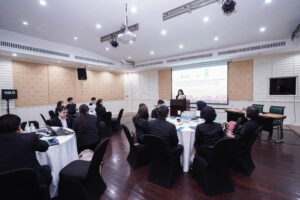
Today begins in Ankara (Turkey) a one-day workshop for lawyers and CSO practitioners to discuss and brainstorm on an alternative Justice Reform Strategy.
This event is organized by ICJ, in cooperation with its partners Kapasite Geliştirme Derneği and Human Rights Joint Platform, as part of a EU co-financed project Rebuilding and Ensuring Access to justice with civil society in Turkey.
The workshop aims at discussing the key reforms proposed by the Government of Turkey in its Judicial Reform Strategy and provide with an assessment and an alternative plan for reform based on international standards and jurisprudence on access to justice and the independence of the judiciary.
The workshop will provide presentations on international standards on the judiciary as well as on access to justice for human rights violations. It will produce a ten point strategy document to propose reforms that will uphold the independence of the judiciary and access to justice in Turkey.
The project is funded by the European Instrument for Democracy and Human Rights (EIDHR) of the European Union.
Turkey-Workshop-Agenda-AltJRS-Ankara-2019-eng (download the agenda)
Dec 10, 2019 | News
Today’s decision from the European Court of Human Rights in the case of Turkish human rights defender Osman Kavala must be immediately complied with by releasing him from detention, the International Bar Association Human Rights Institute (IBAHRI) and the ICJ said today.
In the case of Kavala v Turkey, the European Court of Human Rights held that the detention of Mr Kavala, in connection with his role in the Gezi Park protests of 2013, violated the right to liberty (Article 5.1) and the right to a speedy judicial review of detention (Article 5.4) under the European Convention on Human Rights (ECHR). The Court also found that his detention involves a restriction on rights for an improper purpose (Article 18). As a consequence of these findings, the Court specifically held that ‘the government must take every measure to put an end to the applicant’s detention and to secure his immediate release’.
The Turkish government has a legal obligation to comply with the judgment of the European Court of Human Rights. The IBAHRI and ICJ urge the authorities to abide by their obligations under the ECHR by immediately releasing Mr Kavala.
Mr Kavala has been in detention since 18 October 2017 pending trial on charges connected to the Gezi Park protests. The Gezi Park protests began in May 2013 as an effort by a group of environmentalists to save a park in central Istanbul from being rezoned, but soon grew into nationwide demonstrations. Police quelled the protest in Taksim Square with the use of tear gas and water cannons.
Mr Kavala’s trial, along with 15 other defendants, is ongoing before Istanbul 30th Assize Court. The defendants are charged under Article 312 of the Turkish Criminal Code (an attempt to overthrow the Turkish government or an attempt to prevent it from fulfilling its duties), Article 151 (damage to property), Article 152 (qualified damage to property), Article 174 (possession or exchange of hazardous substances without permission), Article 153 (damaging places of worship and cemeteries), Article 149 (qualified robbery), Article 86 (intentional injury), crimes under the Law on Firearms, Knives and Other Tools no. 6136, and crimes under the Law on Protection of Cultural and Natural Assets no. 2863.
The IBAHRI and the ICJ have jointly sent international observers to attend all hearings of the trial. The organisations will jointly release a trial observation report upon conclusion of the trial.
Contact:
Róisín Pillay, Director, Europe and Central Asia Programme, t: +32 2 734 84 46 ; e: roisin.pillay(a)icj.org

Dec 6, 2019 | News
The ICJ calls on the Polish authorities to put an immediate end to unjustified disciplinary proceedings initiated against judges, including Krystian Markiewicz, Chairperson of the Polish Judges’ Association “Iustitia”.
The ICJ considers that the disciplinary action against Judge Markiewicz’ was initiated because of his questioning of the Polish government’s “reforms” that have severely eroded the independence of the judiciary in Poland.
“The disciplinary action taken against Judge Markiewicz for his criticism of the government’s attack on judicial independence violates international standards on the independence of the judiciary and should be ended immediately”, said Róisín Pillay, Director of the ICJ Europe and Central Asia Programme.
“Judges have a right to freedom of expression and to form and take part in associations of judges. They have a particularly important role in speaking up to defend the rule of law and the independence of the judiciary, which is undermined by arbitrary disciplinary proceedings such as those against Judge Markiewicz”, she added.
By order of the Deputy Disciplinary Commissioner of the ordinary court judges, on 4 December, disciplinary proceedings alleging 55 instances of misconduct were initiated against Judge Krystian Markiewicz. These include: inciting disrespect for Poland’s legal order by questioning the independence and legality of the National Council of the Judiciary (NCJ), and the constitutionality of the Disciplinary Chamber of the Supreme Court; and calling for appeals to the Disciplinary Chamber to be suspended.
The disciplinary action against Judge Markiewicz comes within a week of the decision to suspend with immediate effect district Judge Paweł Juszczyszyn, who, in presiding over an appeal, questioned the impartiality of the judge who had delivered the original verdict as a result of being elected by the National Council for the Judiciary. On 1 December 2019, the Polish Judges’ Association Iustitia organized rallies in support of Judge Juszczyszyn.
The ICJ stresses that such actions taken against judges are inconsistent with the duties of all branches of the State to respect and protect the independence of the judiciary. The ICJ calls for Judge Juszczyszyn to be immediately re-instated in his post.
On 4 December 2019, the labour law chamber of the Supreme Court, in implementation of a recent ruling of the Court of Justice of the UE, held that the NCJ is not an impartial and independent body, and that the disciplinary chamber of the Supreme Court is not a “court” under EU or Polish law, thereby confirming the concerns raised by both Judge Juszczyszyn and Judge Markiewicz.
Background
The UN Basic Principles on the Independence of the Judiciary clarify that all governmental and other institutions must respect and observe the independence of the judiciary (Principle 1), and that judges must decide all matters before them impartially, on the basis of facts and in accordance with the law, without any restrictions, improper influences, inducements, pressures, threats or interferences, direct or indirect (Principle 2). Judges can be subject to suspension or removal only following fair procedures (Principle 17) and only for reasons of incapacity or behaviour that renders them unfit to discharge their duties (Principle 18).
In recent years, the Polish executive and legislative authorities have systematically undermined the independence of the judiciary in the country, including through laws that have sought to force the dismissal of judges by lowering the mandatory retirement age. In addition, they have brought the appointment of judges under political control by re-structuring the National Council of the Judiciary (NCJ), with a majority of its members selected by the Polish Parliament. (see ICJ statement)
This move has also politicized the Disciplinary Chamber of the Supreme Court, whose members are selected by the NCJ, and the disciplinary court of first instance. In October 2019, the European Commission referred Poland to the CJEU on the grounds that the new disciplinary regime for judges undermines their independence.
In June 2019, the Court of Justice of the European Union (CJEU) held that the Polish Law on the Supreme Court lowering the retirement age of judges of the Supreme Court and providing discretionary power to the President to allow a judge to remain in office following the mandatory retirement date was contrary to the principle of effective judicial protection and therefore in violation of EU law. In November 2019, the CJEU held that Poland violated the independence of the judiciary by lowering in 2017 the pension age of Polish judges and giving the power to maintain them in office to the Minister of Justice.
Dec 3, 2019 | Agendas, Events, News
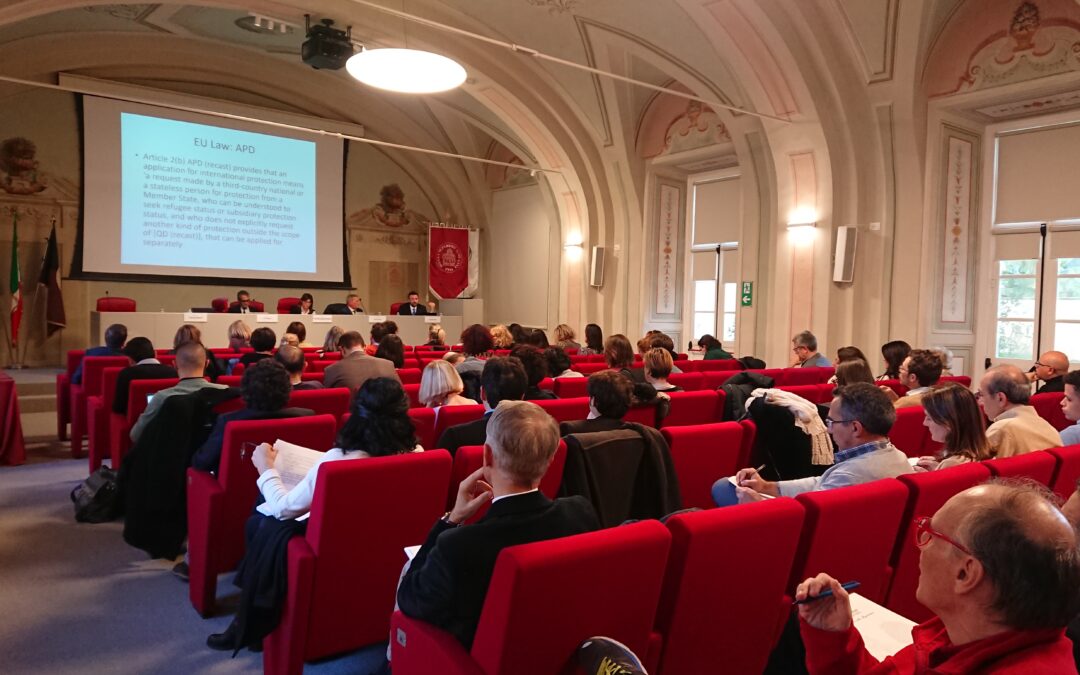
Today, the ICJ together with Scuola Universitaria Sant’Anna and Scuola Superiore de la Magistratura hold a training seminar on access to the asylum procedure and the right to an effective remedy in Pisa, Italy.
The training seminar brings together 65 Italian judges and lawyers specialized in access to international protection. During the two days of training, experts from the CJEU, Italian judiciary and academics, UNHCR and ICJ will deliver the training, bringing international human rights and EU law perspectives to the discussion on Italian law and practice.
Among the issues discussed during the training seminar will be access to the asylum procedure in international and EU law, access to the asylum procedure and accelerated procedures in light of the right to an effective remedy, appeal, legal assistance and legal aid, and interpretation. Further issues including the burden of proof in international protection cases and duties of cooperation with the asylum authority will be examined from the perspectives of judges, of territorial Commissions and lawyers as well as from the international and EU law perspective. Finally, working groups on burden of proof, credibility assessment of asylum seekers and countries of origin of asylum seekers will take place.
See the full agenda here.
This training is a part of FAIR PLUS project. It was carried out with the financial support of the European Union. Its contents are the sole responsibility of ICJ and do not necessarily reflect the views of the European Union.
Nov 29, 2019 | Agendas, Events, News
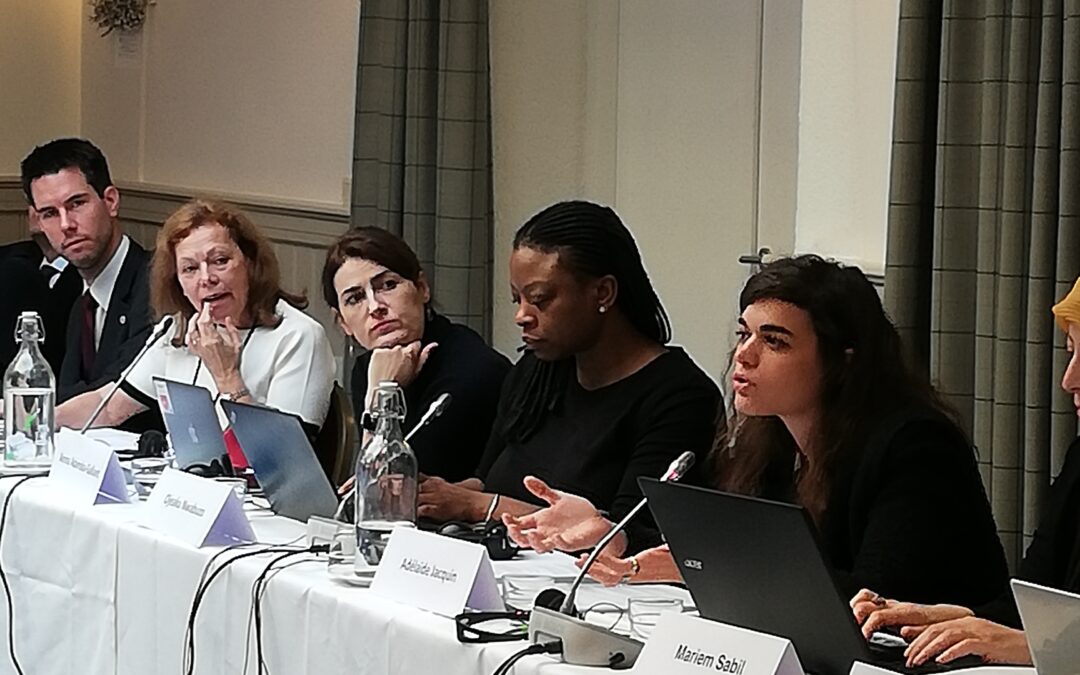
Today, in Brussels, the ICJ held a roundtable discussion on the impact of counter-terrorism laws on specific groups, including children, and ethnic and religious groups.
The roundtable brought together 34 judges, lawyers, NGOs and other experts from countries including Germany, France, Italy, the Netherlands, Poland, Belgium, Portugal, Romania, and Spain to discuss how the rights of children and of ethnic and religious minorities can be best protected in applying counter-terrorism legislation in the courts, especially in light of the EU Directive 2017/541 on Combatting Terrorism.
This was the last of four roundtables held by the ICJ and its partner organizations between April and November 2019 in the framework of the EU funded project “Judges Uniting to Stop Terrorism with International, Constitutional and European law (JUSTICE).”
The discussion in the first session of the roundtable addressed the disproportionate impact of counterterrorism laws on ethnic and religious groups. It focused on compliance with the principle of non-discrimination, through safeguards in legislation, in the judicial application of counter-terrorism laws, and in investigation and evidence gathering.
The second session of the roundtable addressed the particular impact of counter-terrorism legislation on children, including the challenges involved in protecting the human rights of children of “foreign fighters” and ensuring the primacy of their best interests in decisions on their return to EU countries. Participants also discussed protection of the human rights of returned children of “foreign fighters” both as victims of terrorism and where they are accused of crimes of terrorism.
See the agenda here.
This workshop was carried out with the financial support of the European Union and the Open Society Foundations. Its contents are the sole responsibility of ICJ and do not necessarily reflect the views of the European Union or the Open Society Foundations.