Apr 16, 2020 | News
The ICJ today called on the Indian Government to take effective measures to mitigate the disproportionate impact of the lockdown on internal migrant workers and guarantee the right to a minimum adequate standard of living to all, in line with India’s international obligations and Indian law.
The call comes just as India announced its second lockdown period starting April 15, 2020, extending the prior 21-day lockdown period, 2020, to 40 days. On March 29, 2020, the Government had also issued a circular prohibiting movement of migrant workers and an order stating that migrant workers be given food and shelter. It banned evictions of all migrant workers for a month.
“While the measures taken by the Government so far are important, they have proved inadequate. The Government’s efforts need to be targeted towards internal migrant workers and respond to the multiple layers of discrimination and risks they face,” said Maitreyi Gupta, ICJ India International Legal Advisor.
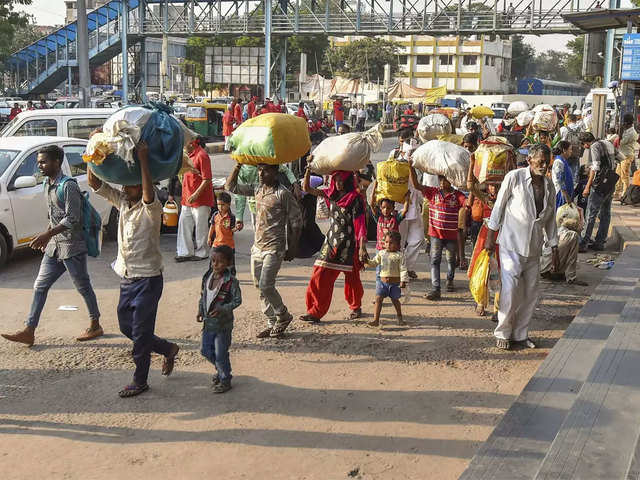
The announcement of the second lockdown has led to thousands of migrant workers in Mumbai and Surat protesting this decision and demanding the right to return home. It came soon after more than 500,000 migrant workers and their families attempted to travel distances of hundreds of kilometers on foot to return to their homes after the first lockdown period was announced on March 24, 2020. This massive internal displacement has led to the deaths of 22 internal migrant workers and their family members, including seven children.
The ICJ called on the Indian authorities to ensure that any restrictions on freedom of movement of migrant workers, protected under international law, is strictly necessary and proportionate and does not result in other human rights violations.
The ICJ is particularly concerned by civil society and media reports indicating that some internal migrants have not eaten for several days and are at the brink of starvation, while others have started rationing their meals to one meal a day.
“The situation of internal migrant workers in India is wholly unacceptable. If their urgent needs are not addressed in a way that respects their human rights, it will only serve to compound the current crisis,” said Frederick Rawski, ICJ Asia-Pacific Director. “We call on the Indian Government to take all necessary measures to bring an end to this deplorable situation.”
The UN High Commissioner for Human Rights Michelle Bachelet on April 2, 2020 also expressed concern at the “plight of India’s internal migrants” and said “more needs to be done as the human tragedy continues to unfold before our eyes”.”
The UN Committee on Economic, Social and Cultural Rights has already called on States to implement “targeted programmes to protect the jobs, wages and benefits of all workers,” and take measures to ensure the “extraordinary mobilization of resources to deal with the COVID-19 pandemic”.
The ICJ urged India to take to all necessary measures to fulfill its obligations to protect the right to adequate standard of living of all internal migrant workers and other vulnerable populations. This includes ensuring access to quality health systems and facilities; minimum essential food; adequate shelter; sanitation and potable water; and timely information.
To download the statement with background information, click here.
Contact
Maitreyi Gupta, ICJ India Legal Adviser, t: +91 77 560 28369 e: maitreyi.gupta(a)icj.org
Frederick Rawski, ICJ Asia-Pacific Director, t: +66 64 478 1121; e: frederick.rawski(a)icj.org
Apr 6, 2020 | News
ICJ has joined other NGOs in welcoming steps taken by Indian authorities to decongest prisons in an effort to contain the novel coronavirus (COVID-19). The Government should release all unjustly detained prisoners as a matter of priority.
The joint statement read as follows:
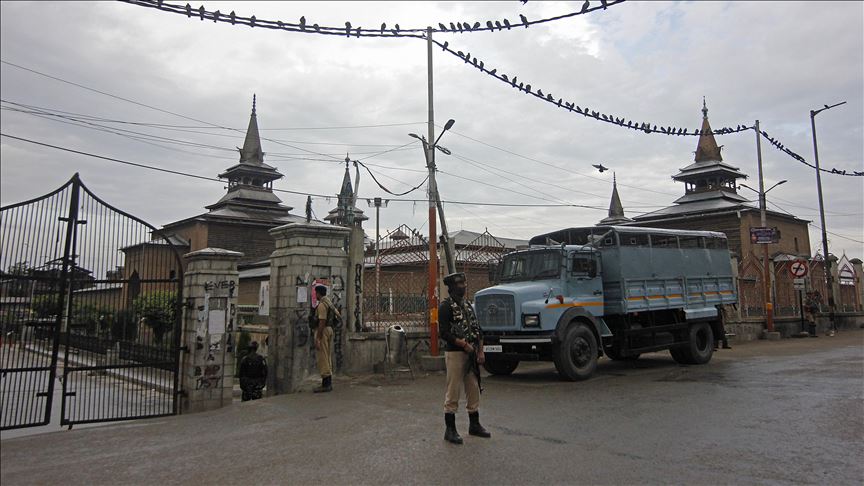
The fate of hundreds of arbitrarily detained Kashmiri prisoners hangs in the balance as the number of confirmed cases of coronavirus in India passes the 4,000 mark and many more are likely to remain undetected or unreported.
Inmates and prison staff, who live in confined spaces and in close proximity with others, remain extremely vulnerable to COVID-19. While the rest of the country is instructed to respect social isolation and hygiene rules, basic measures like hand washing – let alone physical distancing – are just not possible for prisoners.
Under international law, India has an obligation to ensure the physical and mental health and well-being of inmates. However, with an occupancy rate of over 117%, precarious hygienic conditions and inadequate health services, the overcrowded Indian prisons constitute the perfect environment for the spread of coronavirus.
In a bid to contain the spread of the disease among inmates and prison staff, the Supreme Court asked state governments on 23 March 2020 to take steps to decongest the country’s prison system by considering granting parole to those convicted or charged with offenses carrying jail terms of up to seven years.
The United Nations High Commissioner for Human Rights Michelle Bachelet also called on governments to “examine ways to release those particularly vulnerable to COVID-19, among them older detainees and those who are sick, as well as low-risk offenders.”
Various state governments in India have now begun releasing detainees. However, there is a concern that hundreds of Kashmiri youth, journalists, political leaders, human right defenders and others arbitrarily arrested in the course of 2019, including following the repeal of Article 370 of the Indian Constitution on 5 August 2019, will not be among those benefiting from the measure. Article 370 provided special status to Jammu & Kashmir.
Human rights groups and UN experts have repeatedly called for the release as a matter of priority of “those detained without sufficient legal basis, including political prisoners and others detained simply for expressing critical or dissenting views.”
Last month, the Ministry of Home Affairs revealed that 7,357 persons had been arrested in Jammu & Kashmir since 5 August 2019. While the majority have since been released, hundreds are still detained under sections 107 and 151 of the Criminal Procedure Code, the Unlawful Activities (Prevention) Act (UAPA), and the Public Security Act (PSA), a controversial law which allows the administrative detention of any individual for up to two years without charge or trial. Reportedly, many of those still detained are minors.
Many of those detained were transferred to prisons all across India, thousands of kilometers away from their homes, hampering their lawyers’ and relatives’ ability to visit them. Some of the families, often too poor to afford to travel, have been left with nothing but concerns over the physical and psychological well-being of their loved ones.
Mr. Miyan Abdul Qayoom, a human rights lawyer and President of the Jammu & Kashmir High Court Bar Association, was also cut off from his family and lawyer. Detained since 4 August 2019 in India’s Uttar Pradesh State, he was transferred to Tihar jail in New Delhi following a deterioration of his health. Mr. Qayoom, 70, suffers from diabetes, double vessel heart disease, and kidney problems.
Mr. Ghulam Mohammed Bhat was also transferred to a jail in Uttar Pradesh. In December 2019, he died thousands of kilometers away from his home at the age of 65 due to lack of medical care.
With the entire country in a lockdown and a ban on prison visits for the duration of the outbreak imposed, inmates are more isolated from the outside world than ever. In such a situation, prison authorities must ensure that alternative means of communication, such as videoconferencing, phone calls and emails, are allowed. However, this has not often been the case. Especially in Jammu & Kashmir, where full internet services are yet to be restored after a communication blackout imposed on the population on 5 August 2019, contacts between inmates and the outside world are even more limited.
- Amnesty International India
- Asian Forum for Human Rights and Development (FORUM-ASIA)
- CIVICUS: World Alliance for Citizen Participation
- International Commissions of Jurists (ICJ)
- International Federation for Human Rights (FIDH)
- World Organisation Against Torture (OMCT)
To download the statement with detailed information and key recommendations, click here.
Mar 27, 2020 | News
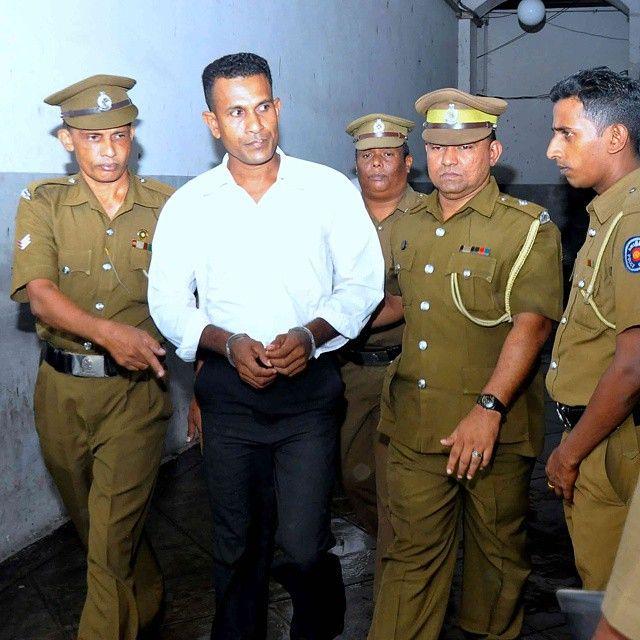
The ICJ today condemned the Presidential pardon granted to murder convict Sunil Ratnayake, Former Staff Sergeant of the Sri Lankan Army.
Sri Lankan President Gotabaya Rajapaksa pardoned Former Staff Sergeant Sunil Ratnayake who was convicted in 2015 for the murder of eight Tamil civilians, including three children, in Mirusuvil in April 2000. The conviction and death sentence was affirmed by the Supreme Court of Sri Lanka in 2019.
The ICJ said that the pardon cast serious doubt upon the Government’s commitment to accountability and the rule of law in Sri Lanka.
While the ICJ welcomes the lifting of the death sentence, the full pardon and extinguishment of serious punishment constitutes a blow to the victims of these violations.
“The prosecution of Staff Sergeant Ratnayake for his involvement in the killing of civilians, including children, at Mirusuvil was a rare exception to the usual lack of accountability for human rights violations committed during the conflict,” said Frederick Rawski, ICJ’s Regional Director for Asia and the Pacific. “Such a pardon is incompatible with international standards relating to impunity and access to justice, and reinforces the well-founded public perception that the military is exempt from any form of accountability, even for the most heinous crimes”.
The ICJ stressed that for serious crimes such as unlawful killing of civilians, there should be no amnesties or pardons that are inconsistent with the right to victims of such violations to reparation.
“It is particularly distressing that a presidential pardon of this nature has been issued at a time when the nation is dealing with the potentially devastating impacts of the COVID-19 outbreak,” said Rawski. “The government would be advised to focus on responding to legitimate calls to release prisoners of minor offences, and take measures to address prison congestion, rather than taking cynical advantage of the crisis to free convicted war criminals.”
It is noteworthy that during his presidential campaign, Gotabaya Rajapaksa had made repeated pledges to release “war heroes languishing in prison over false charges and cases”. The ICJ is deeply concerned that this presidential pardon may be the first of the many to come.
The ICJ has consistently raised concerns about the severe lack of accountability regarding crimes perpetrated by the Sri Lankan armed forces – most recently before the Human Rights Council in February 2020.
The ICJ opposes capital punishment in all cases without exception as a violation of right to life and to freedom from cruel, inhuman or degrading punishment.
Contact
Frederick Rawski, ICJ’s Asia Pacific Regional Director, t: +66 2 619 84 77; e: frederick.rawski(a)icj.org
Mar 20, 2020 | News
The ICJ condemned the execution today of four men who were convicted of raping and murdering a 23-year-old student in December 2012.
The ICJ denounced the executions, and urged the Indian Government to abolish the death penalty. It called on the Government to introduce systemic changes to the legal system that would deter violence and improve access to justice for women.
“State-sanctioned executions are little more than public theatre that risk celebrating and perpetuating violence at the expense of the rule of law,” said Frederick Rawski, ICJ Asia-Pacific Director. “As heinous as these crimes were, the imposition of the death penalty – the deterrent effect of which has been widely debunked – does nothing to improve the lives of women.”
According to senior lawyer Vrinda Grover, a renowned Indian human rights defender, “In 2013, the criminal laws were amended; however seven years later the graph of rapes has not diminished.”
Instead of compelling the state to invest in plugging the gaps in the investigation, prosecution and adjudication of sexual crimes and formulating victim oriented processes, the clamour for execution of the convicts has hijacked the discourse. Seven years later, the power of the state to extinguish life stands entrenched, while women and girls in India continue to struggle to live a life of freedom, safety and dignity, as equal persons, ” said Vrinda Grover.
The UN Human Rights Committee has stated that “[t]he death penalty cannot be reconciled with full respect for the right to life, and abolition of the death penalty is both desirable and necessary for the enhancement of human dignity and progressive development of human rights.”
The ICJ opposes capital punishment in all cases without exception as a violation of right to life and to freedom from cruel, inhuman or degrading punishment.
The ICJ called upon the Indian Government to join the large majority of States and take immediate steps to end the practice of capital punishment, as prescribed by repeated United Nations General Assembly Resolutions.
To download the full statement with background information, click here.
Contact
Maitreyi Gupta, ICJ India Legal Adviser, t: +91 77 560 28369 e: maitreyi.gupta(a)icj.org
Frederick Rawski, ICJ Asia-Pacific Director, t: +66 64 478 1121; e: frederick.rawski(a)icj.org
Read Also
ICJ, Press Release, September 2013 – India: Executing perpetrators of Delhi Gang Rape Case ‘counterproductive to preventing sexual violence’
Feb 27, 2020 | Events, News
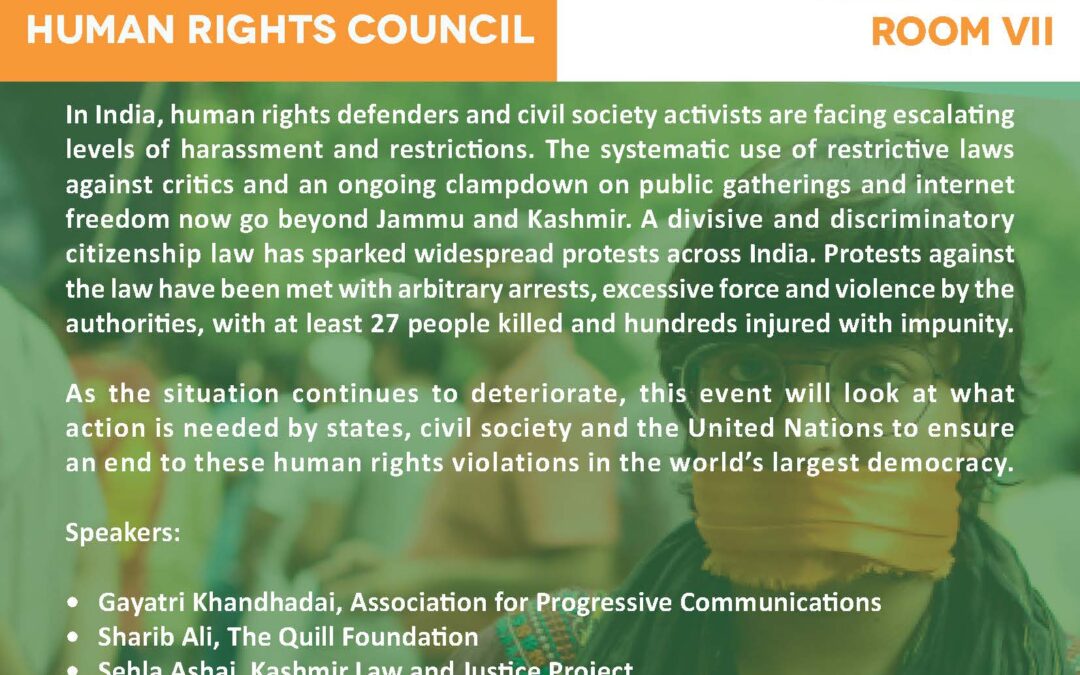
On 2 March, the ICJ and other NGOs will present discussion of the situation for human rights in India at a side event to the UN Human Rights Council in Geneva.
The event takes place Monday 2 March 2020, 14:00 – 15:00, in Room VII, Palais des Nations, Geneva.
In India, human rights defenders and civil society activists are facing escalating levels of harassment and restrictions. The systematic use of restrictive laws against critics and an ongoing clampdown on public gatherings and internet freedom now go beyond Jammu and Kashmir. A divisive and discriminatory citizenship law has sparked widespread protests across India. Protests against the law have been met with arbitrary arrests, excessive force and violence by the authorities, with at least 27 people killed and hundreds injured with impunity.
As the situation continues to deteriorate, this event will look at what action is needed by states, civil society and the United Nations to ensure an end to these human rights violations in the world’s largest democracy.
A flyer for the event can be downloaded here in PDF format: UN-Event-India-2019
Feb 27, 2020 | Events, News
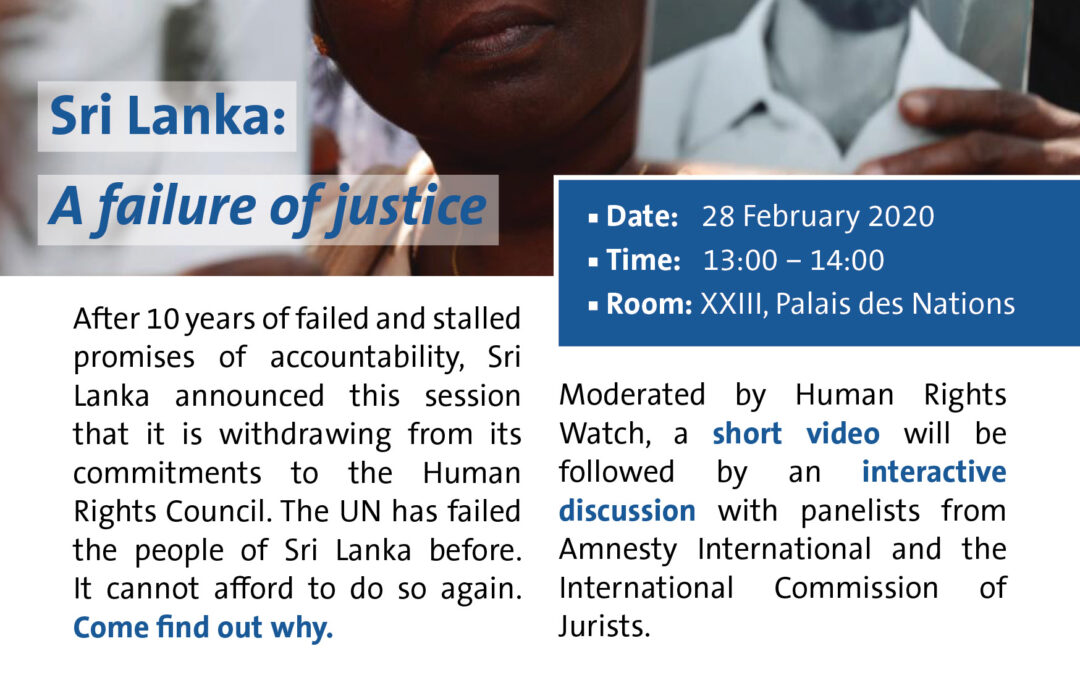
An event at the UN Human Rights Council on 28 February will highlight the continuing failure of Sri Lanka to secure justice for crimes under international law, and discuss ways forward for international efforts to fill the gap.
The event will take place 28 February 2020, 13:00 – 14:00, in Room XXIII of the Palais des Nations in Geneva.
It will be moderated by Human Rights Watch, with a short video will be followed by an interactive discussion with panelists from Amnesty International and the International Commission of Jurists.
A flyer for the event can be downloaded in PDF format here: HRC43 – Sri Lanka