Mar 22, 2024 | Advocacy, Agendas, Events, News, Video clips
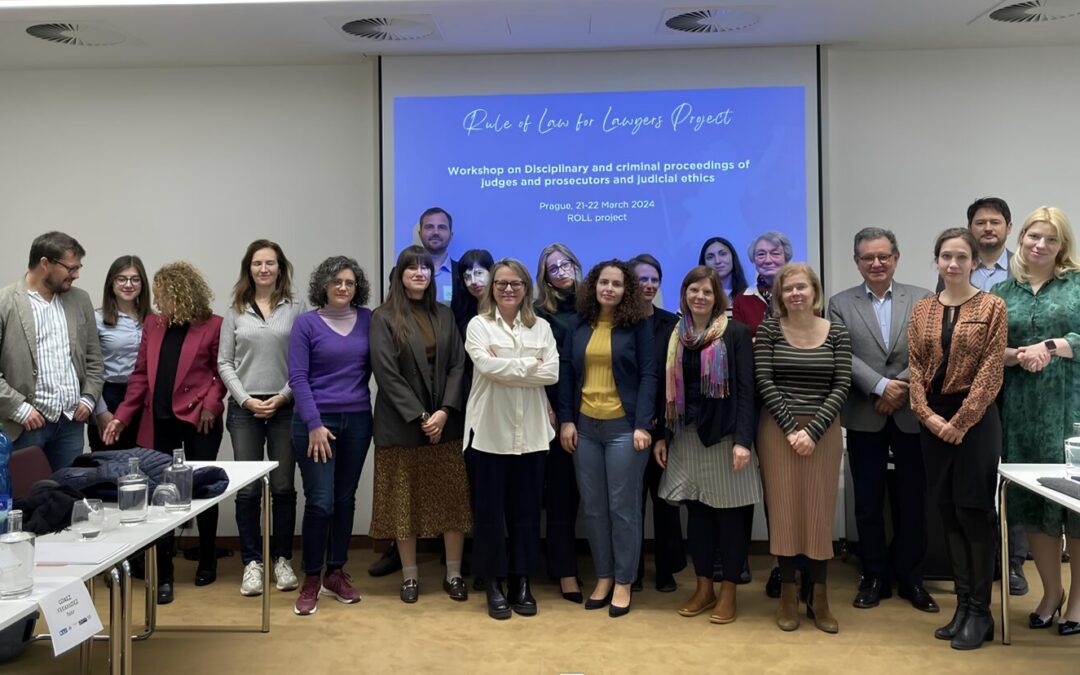
On 21-22 March 2024, the International Commission of Jurists (ICJ), together with Forum for Human Rights, Human Rights in Practice, aditus and Free Courts, held a workshop on tackling attacks on judicial independence and the autonomy of the prosecution through disciplinary and criminal proceedings, in Prague.
Oct 6, 2023 | Cases, Uncategorized
The International Commission of Jurists (ICJ), together with the AIRE Centre (Advice on Individual Rights in Europe), the Dutch Council for Refugees and the European Council on Refugees and Exiles (ECRE) submitted today a third party intervention in the Communicated case No. 193/2022, before the UN Committee on the Rights of the Child.
The case concerns immigration detention of an 11-year-old girl from Afghanistan together with her older sister and parents, pending transfer to another EU Member State according to the EU Dublin Regulation.
The interveners focus in their submission on the prohibition of immigration detention of children, including when accompanied by family members, the right to be heard, access to information and legal representation and age assessment in the migration context.
The full intervention can be read here.

Dec 9, 2021 | News
Protection of the human rights of children in conflict with the law should be at the heart of the individual assessment process required by EU law, the International Commission of Jurists and Forum for Human Rights said today.
Oct 7, 2021 | News
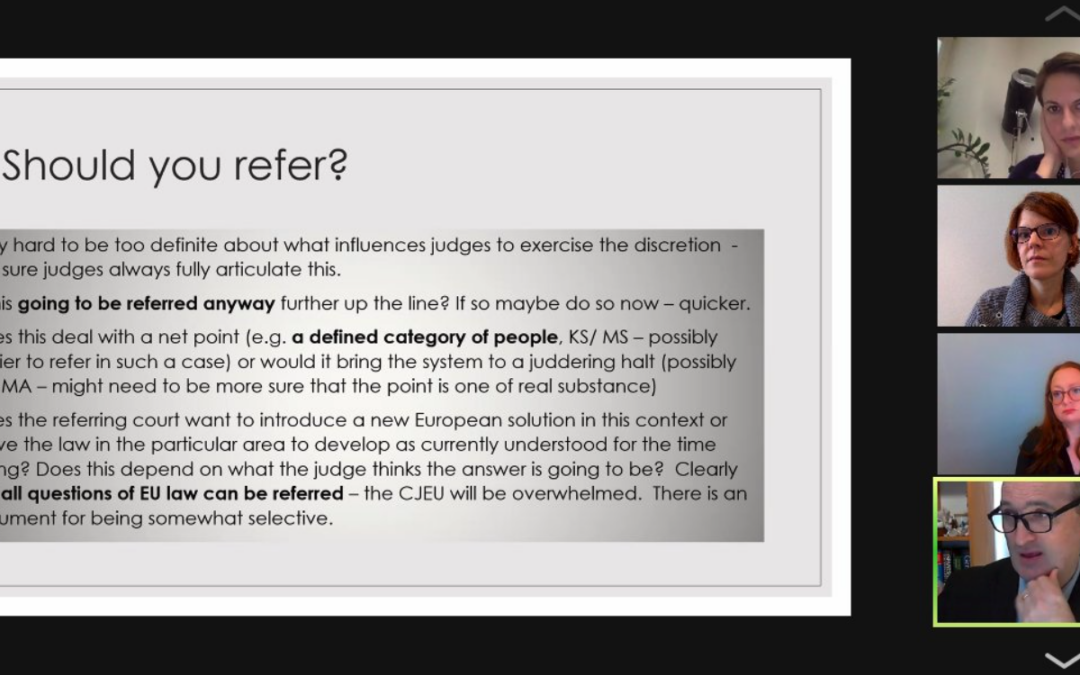
Judges must view safe country of origin designations with caution and need to make sure individual cases are properly assessed in asylum procedures, judges and experts said during a seminar for Irish and Czech judges held by the International Commission of Jurists (ICJ), Immigrant Council of Ireland and Forum for Human Rights.
Apr 29, 2021 | News
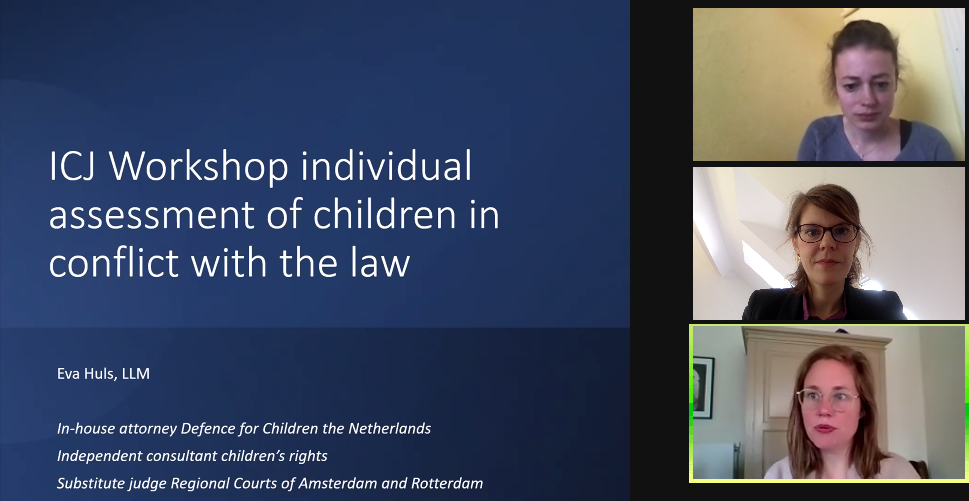
It is important to involve children suspected or accused of breaching the law, in the proceedings in a rights-based way, agreed judges, prosecutors and probation officers during a seminar for Czech and Slovak professionals, organised by the ICJ and Forum for Human Rights on 28 and 29 April.
The individual assessment according to Article 7 EU Directive 2016/800 on procedural safeguards for children suspected or accused in criminal proceedings should serve as a genuine right of the child, rather than as evidence, the seminar was told.
Speakers at the seminar emphasized that the actions of children often only reflect how they were treated by adults – including by parents, teachers, or public authorities, who have failed to address systemic inequalities and situations of discrimination. The contact of the child with the justice system provides an opportunity to help the child, to show them that they have rights and an important role in the society, and involve them actively in the proceedings, experts said. The environment in which the child grows up may have an important impact on the child’s behaviour.
During the seminar, professionals and experts discussed a number of practical questions, such as how to work with information in a child’s case: how sources in reports and assessments for the court should be as objective as possible, up to date, and how sources should be verified, so that information is not doubled or amplified in the individual assessments.
A considerable part of discussion in the seminar was dedicated to restorative justice principles and how these can serve professionals in contact with children in the justice system, in order to ensure the rights-based approach.
Restorative justice experts pointed out that most children grow out of crime without any intervention, and so minimum intervention is usually the best approach to prevent crime in the future. They explained the benefits of giving the child the feeling of control and involving them in the search for solutions, so they will feel respected, and are more likely to see the process as fair and are more likely to follow the decision made.
Practical exercises were part of the seminar and participants actively engaged and shared their concerns and challenges they encounter in their work.
The two seminars gathered over 50 judges, public prosecutors, probation officers and experts from the Ministry of Justice from both countries working in the field of child justice or family law. Experts included Mikiko Otani, ICJ Commissioner and member of the Committee on the Rights of the Child, Dainius Puras, former UN Special Rapporteur on the Right to Health, as well as judges and academics other EU Member States and from the European Forum on Restorative Justice, FORUM and the ICJ.
See the full agenda here:
In English
In Czech
The PRACTICE project is implemented by the ICJ-EI and Forum for Human Rigths aims at building the capacity of judges and other relevant professionals to ensure effective individual assessments of children in criminal proceedings in the Czech Republic and Slovakia. It supports the implementation of EU Directive 2016/800, as well as international human rights law obligations of the states concerned. In the second part of the project the ICJ-EI will draft and publish recommendations on individual assessments of children with specific vulnerabilities, to support an EU-wide interpretation and application of Article 7 of Directive 2016/800, in light of international human rights law.
This project was funded by the European Union’s Rights, Equality, and Citizenship Programme (2014-2020). The content of this publication represents the views of ICJ only and is its sole responsibility. The European Commission does not accept any responsibility for use that may be made of the information it contains.