Aug 30, 2023 | News
The ICJ expressed concern about attacks on the independence of the judiciary in Sri Lanka under cover of parliamentary privilege.
On 22 August 2023, Sarath Weeresekera, a former Minister and a Member of Parliament belonging to the Sri Lanka Podujana Peramuna, the country’s ruling political party, made an inflammatory speech with racist undertones in Parliament, referring to T. Saravanaraja, the Mullaitivu Court’s Magistrate repeatedly as “a mentally ill person”, and criticizing a court order Judge Saravanaraja had made, while making personal remarks about him, including a mention of his wife. Judge Saravanaraja has been the target of this invective following an order he made upholding the right of religious worship of Hindu devotees at a Hindu shrine on Kurundur Hill, a contested religious site in the North of the country.

May 11, 2023 | News
The ICJ today welcomed the determination by the Supreme Court of Sri Lanka regarding the constitutionality of the private member’s bill entitled Penal Code (Amendment) Bill 2023 whose stated objective is to repeal “provisions that make sexual orientation a punishable offence”. The Bill had been challenged by three petitioners who sought a determination by the Supreme Court that the Bill was inconsistent with provisions of the Constitution relating to Sovereignty, Fundamental Rights and Directive Principles of State Policy, and that it required the approval of a two-thirds majority in Parliament and the approval of the People at a referendum. Petitions in support of the Bill were also filed by a number of interveners, such as civil society organizations working to advance the human rights of lesbian, gay, bisexual and transgender (LGBT) persons in Sri Lanka, academics, and activists, including Professor Savitri Goonesekere who had previously served as a member of the Committee on Elimination of Discrimination against Women (CEDAW) and Dr. Radhika Coomaraswamy, who had formerly been a United Nations Under Secretary General and the Special Representative on Children and Armed Conflict.
Apr 19, 2023 | Events, News
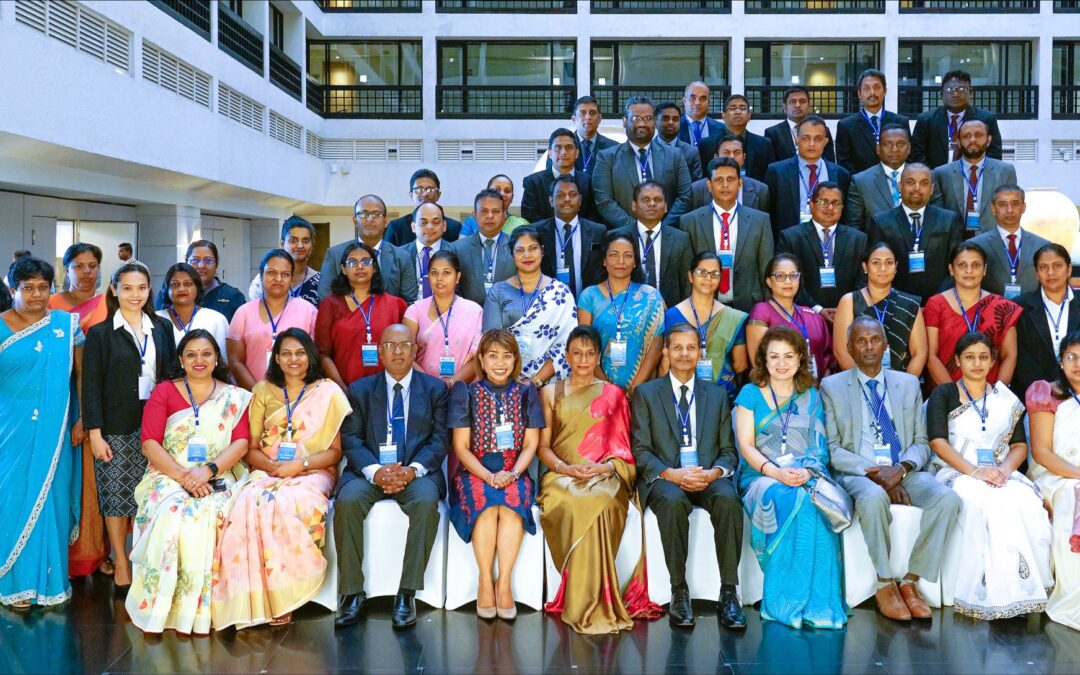
Sri Lankan judges who participated in the Judicial Dialogue on Access to Justice for Women conducted by the International Commission of Jurists in partnership with the Sri Lanka Judges’ Institute recognized that implicit biases and stereotypes hamper substantive gender equality and discussed ways for these to be countered so as to advance women’s access to justice.

Mar 31, 2023 | Advocacy, News
The ICJ is concerned that the newly proposed anti-terrorism legislation, if adopted as currently formulated, will give rise to a panoply of human rights violations and, much as the existing “Prevention of Terrorism Act”, is open to misuse.
Mar 23, 2023 | Advocacy, News
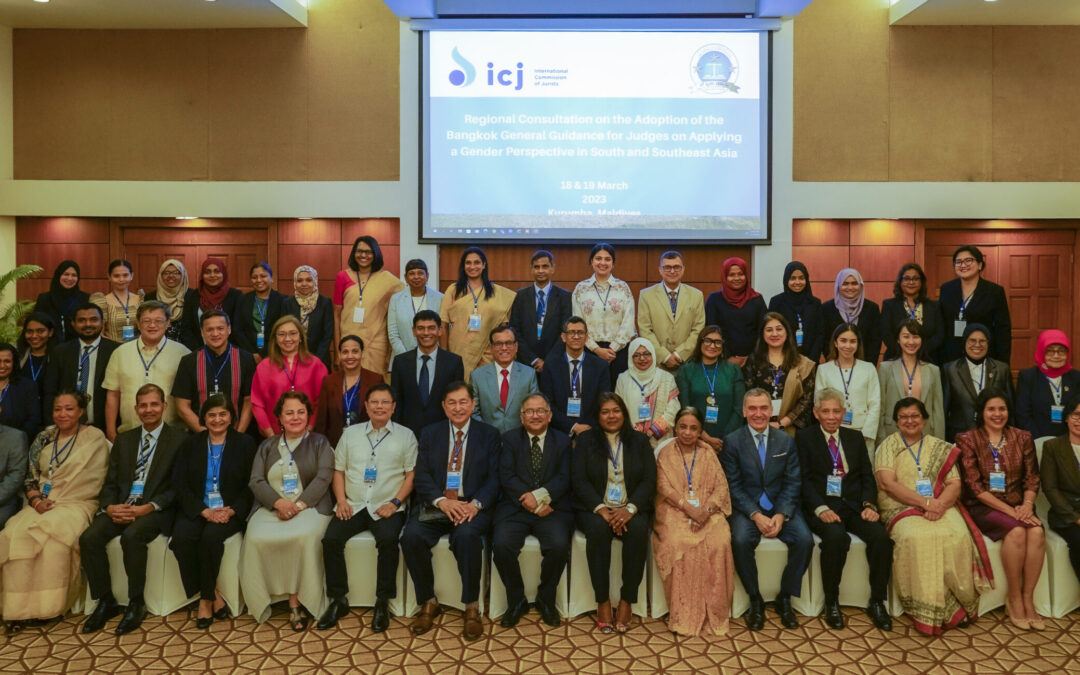
Representatives of judiciaries and judicial training academies from across South and Southeast Asia have agreed to take effective measures to ensure that a gender perspective is incorporated into their judicial roles and functions. In particular, they have committed to work toward the adoption of Bangkok General Guidance for Judges on Applying a Gender Perspective.