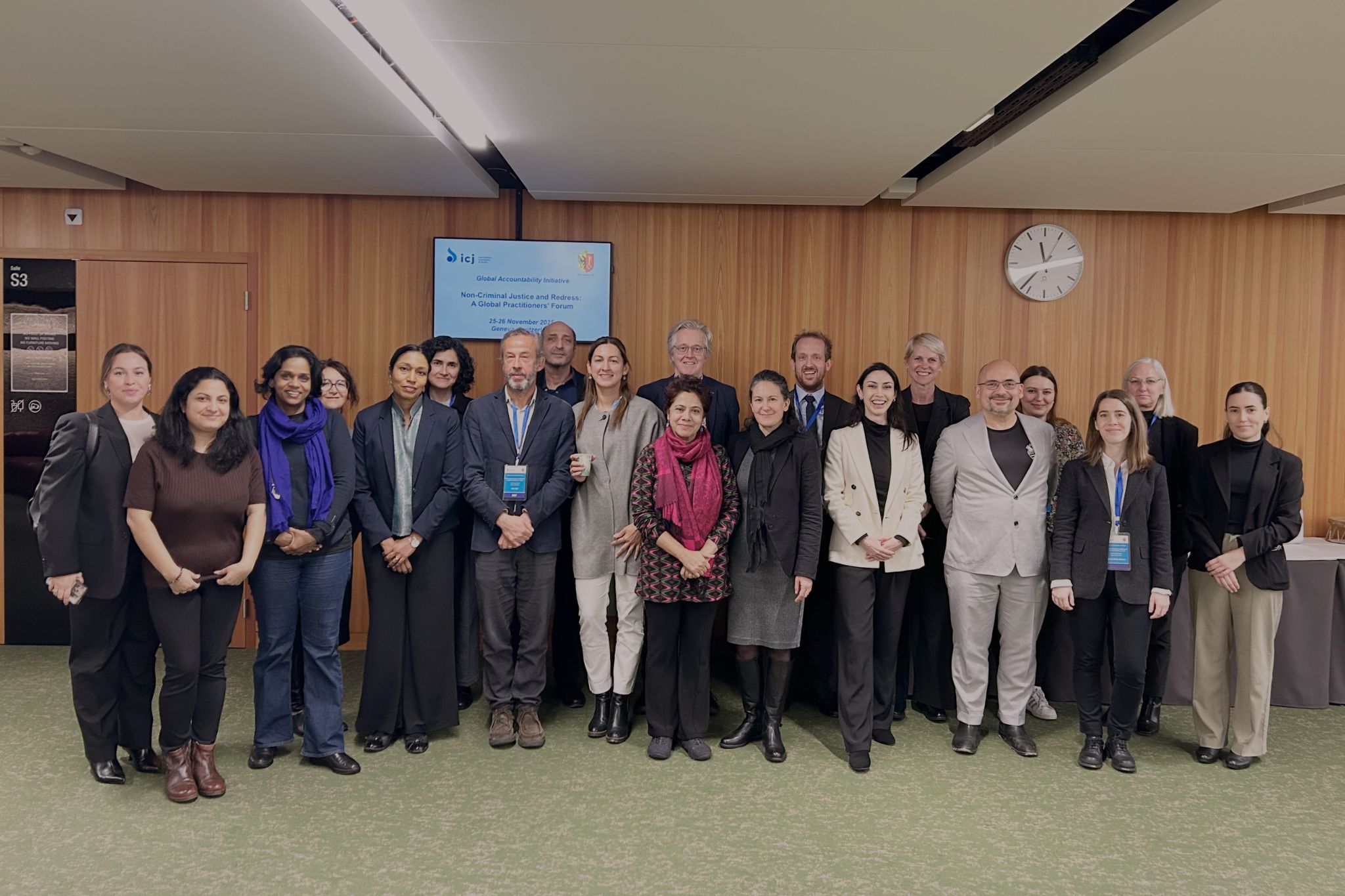
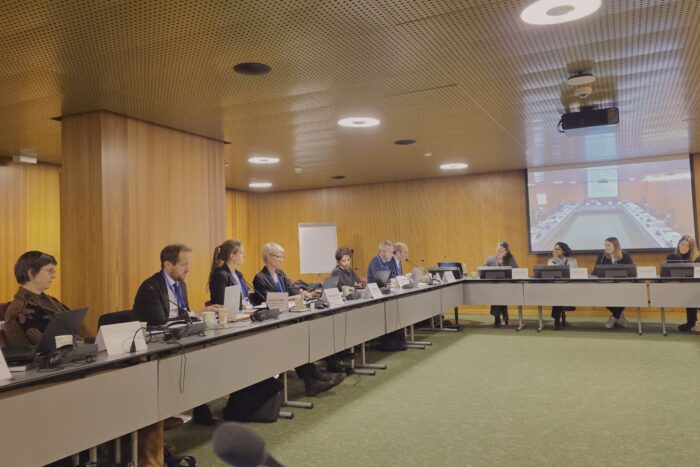
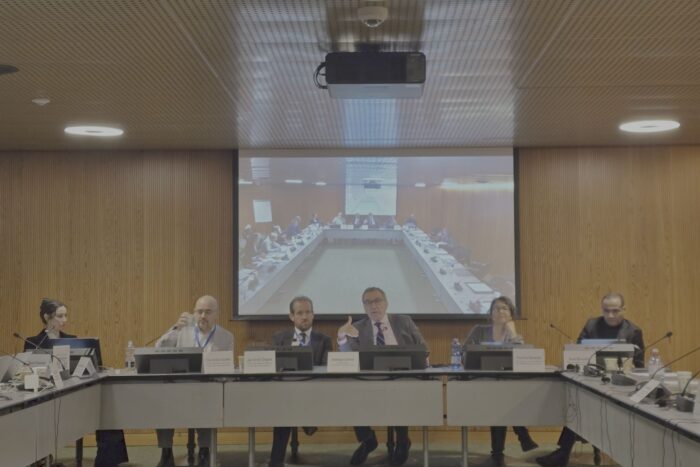
On 25–26 November, the International Commission of Jurists (ICJ) convened judges, lawyers, and expert practitioners from different regions for the 2025 edition of the Geneva Forum, which examined approaches to non-criminal justice and redress. This edition of the Forum marks the launch of a multi-year ICJ initiativeto strengthen knowledge, practice, and implementation of non-criminal justice mechanisms at the national level for crimes under international law.
Across two days, participants examined how civil, administrative, traditional, and hybrid remedies — recognised under international law and standards as essential to the right to an effective remedy — operate alongside criminal accountability- to give effect to victims’ and survivors’ right to an effective remedy and reparation. Building on the ICJ’s decades of work promoting access to justice andvictims’ rights, the Forum explored how these mechanisms function within the broader international accountability architecture. While criminal trials remain central to addressing individual criminal responsibility, international standards affirm that effective remedies require a wider spectrum of processes—including civil claims, administrative procedures, customary and community-based mechanisms, and other non-criminalpathways—through which victims may obtain restitution, compensation, rehabilitation, satisfaction, and guarantees of non-recurrence.
Comparative experiences from Latin America, the Middle East and North Africa, Asia, andEurope highlighted a diverse landscape of non-criminal justice mechanisms — from
truth-seeking processes and mass claims bodies to administrative reparations programmes and customary systems. Practitioners underscored that these mechanisms play a critical role in delivering forms of redress that criminal trials alone cannot.
Discussions also drew attention to the importance of understanding who is recognised as a victim, the risks of exclusion created by restrictive definitions or timelines, and thepolitical realities that can undermine implementation, including situations where those responsible for violations retain control over enforcement. Examples from Nepal, Kosovo, and Colombia demonstrated how interim relief and complementary procedurescan operate even in fragile or contested environments, while underscoring the need for careful sequencing and coordination with criminal processes.
Across regions, participants emphasised that meaningful access to non-criminal justice depends not only on law and policy, but on processes that are genuinely victim-centred. Practitioners highlighted the need for trauma-informed and gender-responsiveapproaches, attention to intersectionality, and safeguards that account for powerimbalances, positionality, and the lived experience of survivors, particularly in casesinvolving sexual and gender-based violence. They stressed that reparation must be holistic, that outreach and psychosocial support are essential, and that engagement must avoid re-traumatisation and be grounded in respectful, participatory practices. Systemic barriers—ranging from political interference and weak enforcement to limited judicial independence and resource constraints—remain central challenges to theeffective use of non-criminal mechanisms across jurisdictions.
Background
The Geneva Forum took place in the context of a multi-year ICJ initiative to strengthenaccountability for crimes under international law by advancing both criminal and non-criminal pathways to justice. The findings from the Forum will feed into a series ofregional consultations in 2026 to examine context-specific challenges and emerging practices. These processes will, in turn, inform the development of global guidance onnon-criminal justice mechanisms, including standards for civil, administrative, and customary remedies; victim participation; trauma-informed and gender-responsive approaches; and the coordination of criminal and non-criminal accountability processes.