Jul 21, 2016 | News
The ICJ urges Turkish authorities to fully respect the rule of law and human rights under the recently declared state of emergency.
The ICJ is concerned that yesterday’s declaration of a state of emergency could further exacerbate the ongoing attack on institutions and professions that are guardians of the rule of law in Turkey, including the judiciary, the media and academia.
The ICJ reiterates its concern at the ongoing purge within the judiciary that led to the suspension of 2,745 judges and the arrest of hundreds.
Since then, Turkish authorities have summarily suspended, dismissed or arrested more than 50,000 academics, judges, including military judges, and public officials.
The ICJ is concerned that many of these measures are arbitrary and unlawful.
“Turkey needs to respect the tenets of the rule of law and human rights law during the state of emergency,” said Wilder Tayler, ICJ Secretary General.
“There are human rights that can never be restricted even in a state of emergency, notably the right to life, the prohibition of torture or ill-treatment, and the essential elements of arbitrary deprivation of liberty and to a fair trial,” he added.
“The current allegations of torture and ill-treatment of detainees and arbitrary arrests already point to serious violations of human rights. Widespread arrests and suspensions of judges, which began before the declaration of any state of emergency, threaten the right to a fair trial,” Tayler further said.
“The state of emergency must not be used as a means to subvert the rule of law and human rights.”
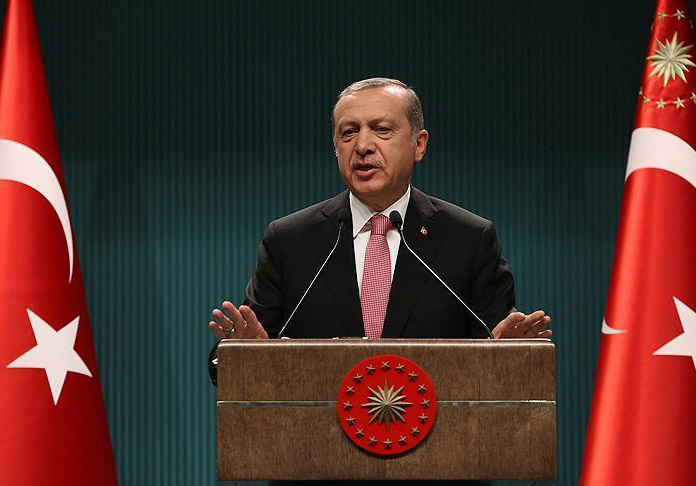
The ICJ remains concerned at President Erdoğan’s statements that he would allow for a reinstatement of the death penalty.
The ICJ firmly opposes the death penalty under any circumstances, and its reintroduction in Turkey which would also be incompatible with Turkey’s obligations under the European Convention on Human Rights and the Second Optional Protocol to the International Covenant on Civil and Political Rights.
Contact
Róisín Pillay, Director, ICJ Europe Programme, t: +32 476 974263 ; e: roisin.pillay(a)icj.org
Massimo Frigo, Legal Adviser, ICJ Europe Programme, t: +41 22 979 38 05 ; e: massimo.frigo(a)icj.org
Background information
The Council of Ministers, chaired by President Recep Tayyip Erdoğan, declared yesterday a three-month state of emergency throughout the whole territory of Turkey in accordance with article 120 of the Turkish Constitution.
The declaration must be ratified by the National Assembly. He has not yet announced what specific measures will be introduced.
Turkey is a party to many human rights treaties, including the European Convention on Human Rights and the International Covenant on Civil and Political Rights.
Under these treaties, the declaration of a state of emergency must remain within the strict boundaries of the law, in particular constitutional and international law.
Any measures derogating from them must be strictly necessary to meet a threat the life of the nation.
Certain human rights obligations cannot be derogated from even under a state of emergency. All rights must continue to be respected, although lawful derogating measures may restrict their scope of application.
Jul 18, 2016 | News
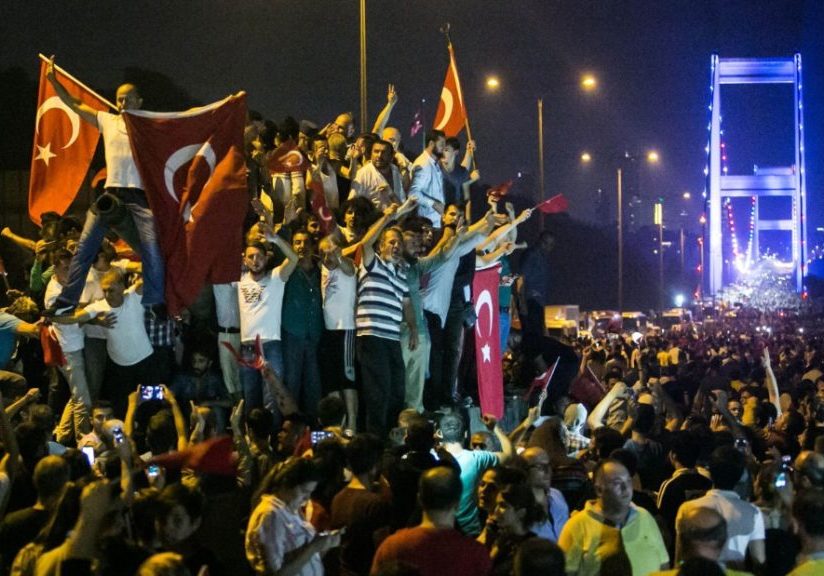
At a critical moment for Turkish democracy, the ICJ today urged the government to uphold the rule of law and respect Turkey’s obligations under international human rights law.
The ICJ condemns what appears to be a wholesale attack on the judiciary, implemented within hours of the failed coup attempt of 15 and 16 July.
“At such moments of crisis, it is crucial that the independence and security of tenure of judges is respected, so that public confidence can be maintained in the fairness of the justice system,” said Wilder Tayler, ICJ Secretary General.
“Purging the judiciary now endangers the deepest foundations of the separation of powers and the rule of law. An independent judiciary will be critical to ensure a functioning administration of justice for all people in Turkey as the country emerges from the crisis,” he added.
Reports indicate that on 16 July 2,745 judges were suspended by the High Council for Judges and Prosecutors (HSYK). Arrest warrants were issued for more than a hundred judges.
Two judges of the Constitutional Court, and ten members the HSYK itself, are reportedly among those detained. The ICJ fears that many of these detentions may be arbitrary.
Allegations that the judges concerned were linked to the attempted coup have not been supported by evidence, and it defies credulity that such a high number of judicial authorities could have been involved in the planning or execution of the military coup d’etat.
According to the ICJ, the measures are arbitrary, and contrary to fundamental rule of law principles.
In June, an ICJ report, Turkey: the judicial system in peril, analysed the increasing government control of the Turkish judiciary, including the HSYK, and arrests and dismissals judges, in violation of international standards.
“This weekend’s mass suspensions and arrests of judges represent a dramatic escalation of an attack on judicial independence that was already underway,” said Tayler.
“Disciplinary proceedings against judges should not proceed until it is clear that they will be heard by a body that is fully independent of the executive, and in accordance with the right to a fair hearing,” he added.
The ICJ is also deeply concerned at suggestions by the government that the death penalty may be introduced for those involved in the failed coup.
Re-introduction of the death penalty would violate Turkey’s obligations under Protocol 13 to the European Convention on Human Rights, and would amount to inhuman and degrading treatment in breach of Article 3 of the Convention.
The ICJ considers the death penalty to constitute in all circumstances a violation of the right to life and the prohibition on cruel, inhuman or degrading punishment.
Contact:
Róisín Pillay, Director, ICJ Europe Programme, t: +32 476 974263 ; e: roisin.pillay(a)icj.org
Additional information:
Under international standards on the independence of the judiciary, judges should be subject to suspension or removal only for reasons of incapacity or behaviour that renders them unfit to discharge their duties.
The ICJ recently published its Practitioners’ Guide N°13 on Judicial Accountability, a major study on international law and standards on the accountability of judges.
Further guidance on relevant international law and standards can be found in the ICJ Legal Commentary to the Geneva Declaration on Upholding the Rule of Law and the Role of Judges and Lawyers in Times of Crisis.

Jun 30, 2016 | News
The Pakistani Government should not extend the oppressive and ineffective Protection of Pakistan Act (POPA), which is set to expire on 15 July 2016, said the International Commission of Jurists (ICJ) today.
POPA was enacted in July 2014 for a period of two years to combat “waging of war or insurrection against Pakistan” and to provide “speedy trial” for offences “threatening the security of Pakistan”.
Earlier this week, the Ministry of Interior confirmed that it planned to renew POPA for another two years.
“In these two years, not one suspect has been convicted under POPA, so we can conclude that the law doesn’t really protect people in Pakistan from terrorism and other violent acts, but instead it undermines their basic human rights protections,” said Sam Zarifi, ICJ’s Asia director.
“The Government’s plan to renew this hastily drafted law is a classic case of supposedly ‘temporary’ departures from normal legal processes and human rights protections on the basis of ‘exceptional” circumstances’ becoming a permanent part of the legal system.”
In a statement issued shortly after the Protection of Pakistan Act was enacted, the ICJ warned that POPA gives military and law enforcement authorities sweeping powers to detain individuals in contravention of Pakistan’s international human rights law obligations.
The law allows prolonged preventive administrative detention without adequate safeguards; retrospectively authorizes otherwise arbitrary or unlawful arrests or detentions; authorizes secret and unacknowledged detention; and gives law enforcement agencies broad powers to “shoot at sight”.
In addition, the law creates “special courts” to try scheduled offences under the Act. Procedures for the operation of these “special courts” allow for secret hearings and do not meet international standards for fair and public criminal proceedings before a competent, independent and impartial tribunal.
According to Government officials, the Ministry of Interior has cleared “hundreds of cases of peace disrupting elements” for trial before the “special courts” constituted under POPA.
The five “special courts” remained non-functional for many months because of lack of staff and other facilities. The courts are now functional, but have so far not concluded a single trial.
“POPA is not only an oppressive law, it has also proven to be completely ineffective,” added Zarifi. “Instead of renewing the law, the Government should focus on strengthening the existing criminal justice system, which is suffering because of years of neglect.”
Political groups, including the Muttahida Qaumi Movement (MQM) and the Pakistan People’s Party (PPP), have alleged that the unfettered powers given to civilian and military law enforcement agencies under POPA are being used to target their workers for political activity and association. They say the law has been used to arbitrarily detain dozens of their activists.
“Pakistan faces a genuine threat from militant groups engaging in acts of terrorism, and the Pakistani Government has an obligation to protect all people from such attacks,” said Zarifi. “International law gives governments reasonable flexibility to combat terrorism, without contravening human rights obligations, and claims of ‘threats to national security’ can never be used as a justification for the practice of extrajudicial killings, secret detention, and enforced disappearance.”
The ICJ urges the Pakistani authorities not to extend POPA.
It further calls on the authorities to review all national security legislation to ensure it is fully compatible with international human rights law and standards.
Contact:
Sam Zarifi, ICJ Asia Pacific Regional Director (Bangkok), t: +66 807819002; e: sam.zarifi(a)icj.org
Reema Omer, ICJ International Legal Adviser for Pakistan (London), t: +44 7889565691; e: reema.omer(a)icj.org
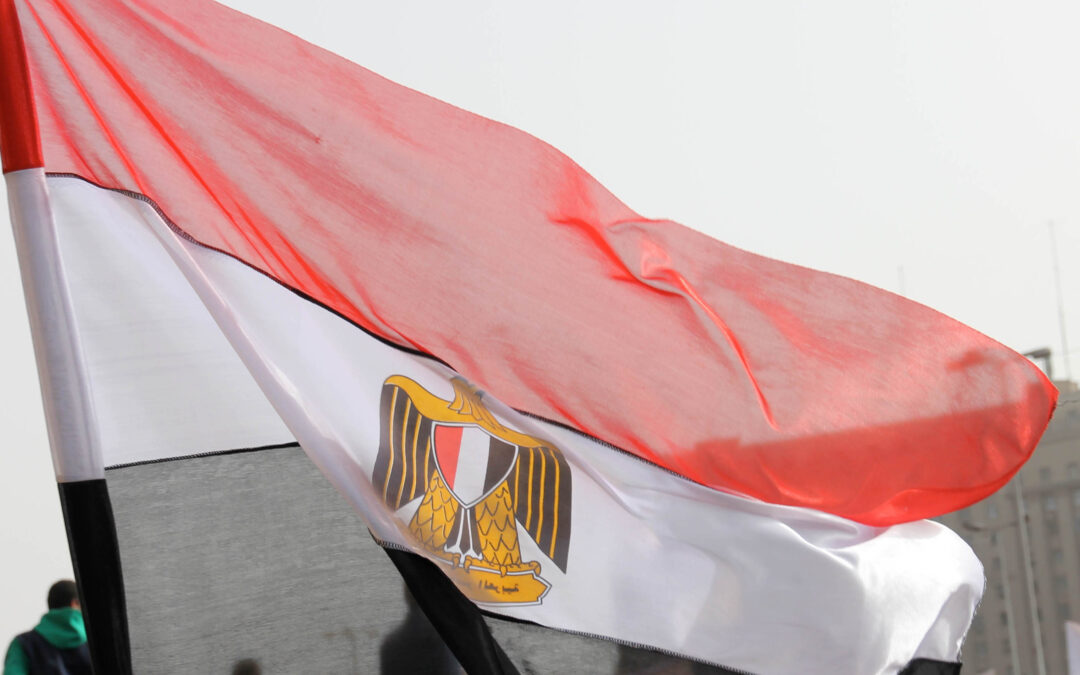
Jun 23, 2016
The ICJ has joined other international NGOs in a joint statement of concern about the severe and worsening repression of civil society in Egypt.
Together with, Amnesty International, CIVICUS, EuroMed Rights, FIDH, Front Line Defenders, Human Rights Watch, IFEX, the International Service for Human Rights, People in Need and the World Organisation Against Torture (OMCT), the ICJ highlights a number of anti-civil society measures and cases in Egypt, ultimately calling on Egyptian authorities to immediately take the following steps to address the severe violations against human rights defenders:
- Abide by their own pledges made in March 2015 at the conclusion of Egypt’s Universal Periodic Review before the United Nations Human Rights Council to “respect the free exercise of the associations defending human rights,” and comply with their obligations under Article 75 of the 2014 Constitution, which protects civil society organizations from interference by the government.
- Close the politically-motivated Case 173 of 2011, known as the “foreign funding case,” and withdraw all measures of harassment and intimidation of human rights defenders taken with reference to that case, including travel bans, the asset freeze order and trumped-up tax investigations.
- Amend penal code Article 78, which in very broad terms penalises the receipt of foreign funding without government approval and imposes a penalty of up to life imprisonment, which in practice in Egypt is 25 years, in addition to a 500,000 Egyptian pound fine (US$56,300).
- Cease all additional forms of legal and other harassment of human rights defenders.
- Repeal the Protest Law (Law 107 of 2013), which severely restricts the right to peaceful assembly, or amend it in order to bring it in line with international human rights law and the Egyptian constitution.
- Repeal the Counter-Terrorism Law (Law 94 of 2015), which effectively criminalizes freedom of expression, association and assembly, or amend it substantially to bring it in line with international human rights law and standards.
- Immediately release all individuals imprisoned solely for the peaceful exercise of their rights to freedom of expression, association and assembly; drop the charges against them and ensure that any who have been convicted have their convictions quashed.
The full statement may be downloaded in PDF format here: Egypt-Advocacy-JointNGOStatement-2016

Mar 17, 2016 | News
The Indonesian House of Representatives should reject proposed amendments to the country’s Anti Terrorism Law that would actually contravene international law, said the ICJ and other human rights groups today.
“The horrific recent attacks in Jakarta highlight the Indonesian government’s obligation to protect people from acts of terrorism, but experience from around the world has shown that countering terrorism must occur along with protection of human rights, not in violation of Indonesia’s legal obligations,” said Sam Zarifi, ICJ’s Regional Director for Asia and the Pacific.
The ICJ, the Commission for the Disappeared and Victims of Violence (KontraS), and the Indonesian Human Rights Monitor (IMPARSIAL) noted that the proposed amendments would authorize unnecessarily prolonged detention of suspects, putting them at risk of torture, ill-treatment, enforced disappearance, and arbitrary detention.
The amendments also include a provision on administrative detention.
“This is generally forbidden in international law, save in the most exceptional circumstances far narrower than as contemplated under the amendments,” Zarifi added.
A letter sent by the organizations to the House of Representatives lays out recommendations on how this provision may be revised so that it would not violate the rights of detainees.
“There is no reference anywhere in the amendments how detainees may challenge the lawfulness of their detention. It has to be clear in the law that these remedies are available to them,” said Haris Azhar, National Executive Coordinator of KontraS.
The three organizations also underline the amendment proposing stripping Indonesian combatants abroad of their nationality would be contrary to international law, if this would render them stateless.
“Nationality is what legally binds an individual to a particular State. It is an essential prerequisite to the enjoyment and protection of the full range of human rights,” said Poengky Indarti, board member of IMPARSIAL.
They also said that the proposed provision on incitement to terrorism would unduly limit political speech, especially those that are contrary to the views of persons wielding power and authority, such as opinions on self-determination or changes to the legal and constitutional structures.
The proposed amendments impose the death penalty on particular offences.
The ICJ, IMPARSIAL, and KontraS oppose capital punishment in all cases without exception, as it is a violation of the right to life and the right not to be subjected to cruel, inhuman, and degrading treatment.
In the letter, they remind the government of Indonesia to immediately impose a moratorium on the use of the death penalty, with a view to moving towards its total abolition.
The ICJ, IMPARSIAL, and KontraS urged the members of Indonesia’s House of Representatives to keep in mind that whatever measures Indonesia uses to counter terrorism must comply with international law and protect human rights.
Contact:
Emerlynne Gil, ICJ’s Senior International Legal Adviser (Bangkok), t: +66 840923575 ; e: emerlynne.gil(a)icj.org
Fatia Maulidiyanti, S.IP, International Desk of KontraS (Jakarta), t: +62 21 391 9097/98 ; e: fatia(a)kontras.org
Poengky Indarti, Member of the Board of IMPARSIAL (Jakarta), t: +62 812 8362 8659 ; e: poengky1970(a)gmail.com
Indonesia-Letter to Gvt-Advocacy-Open letters-2016-ENG (full text of letter, in PDF)

![Smoke rises after an Israeli air strike on the village of Taybeh in southern Lebanon [Source: Al Jazeera]](https://www.icj.org/wp-content/uploads/2026/03/Screenshot-2026-03-20-at-15.56.24-300x200.png)