Mar 9, 2015
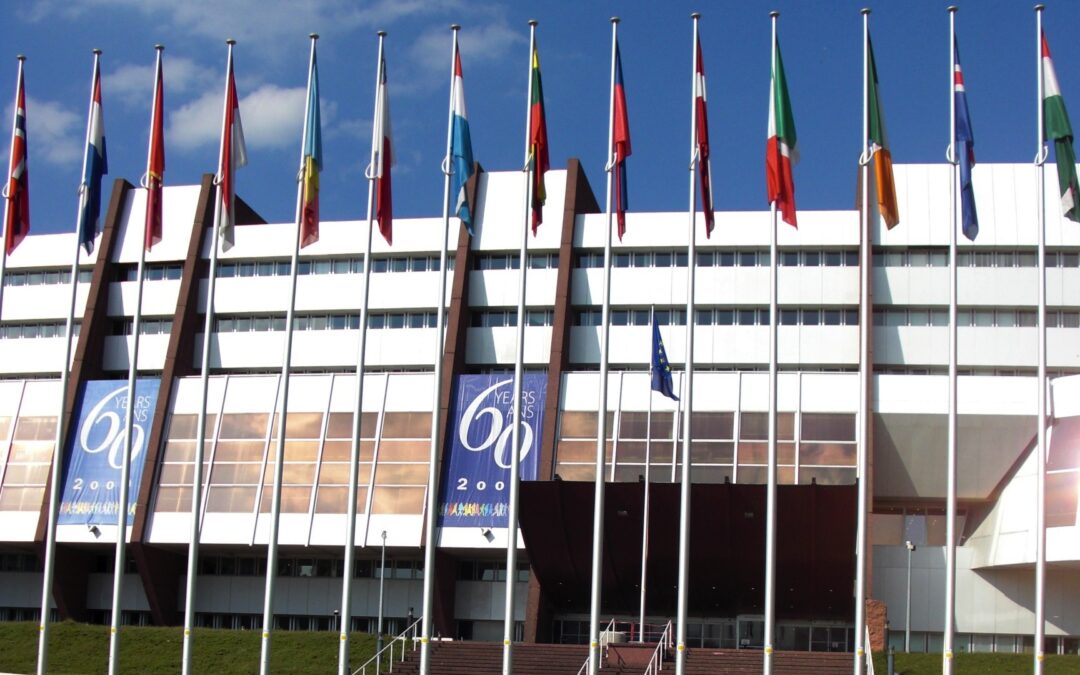
The ICJ and Amnesty International have submitted public observations on the terms of reference to draft an Additional Protocol supplementing the Council of Europe Convention on the Prevention of Terrorism.
In the letter containing their observations, the ICJ and AI outlined before the Committee on Foreign Terrorist Fighters and Related Issues (COD-CTE) of the Council of Europe the general principles of human rights law related to the issue of foreign fighters and the implementation of Security Council resolution 2178(2014) and made observations on specific acts the criminalization of which was explicitly mandated by the Committee of Ministers. The two human rights organisations expressed their concern at the lack of publicity of the negotiations and public availability of the draft protocol which impeded a punctual and effective process of consultations and observations on the negotiated text.
The letter outlines positions and concerns with relation to:
- The lack of definition of central concepts like “terrorism”, “terrorist acts”, and “foreign fighters”
- The risk of introducing criminal offences lacking the clarity, accessibility and foreseeability required by the principle of legality
- The risk of conflation of of different legal regimes, notably of international humanitarian law and ordinary criminal law
- The need to investigate and prosecute existing crimes under international law
- The need to ensure that any criminalisation of acts or omissions must have a close connection to the commission of the principal criminal offence, with a real risk that such a principal criminal act would in fact take place
- The proposed criminal offences of being recruited and receiving training for terrorism, and their ancillary offences.
CouncilofEurope-Letter-ForeignFighters-Advocacy-Legal Submission-2015-ENG (download the observations)

Mar 4, 2015
The most recent report of the ICJ aims to contribute to the current process of reviewing the Revised Penal Code (RPC), the main source of criminal laws of the Philippines, which was adopted in 1932.
No substantial amendments have been made since the adoption of the RPC and the Government of the Philippines now intends to develop a new Criminal Code that reflects international best practices and is anchored in human rights.
The report Righting Wrongs: Criminal Law Provisions in the Philippines related to National Security and their Impact on Human Rights Defenders focuses on existing penal law enacted in the name of national security, many of which have been used against human rights defenders to unduly limit their right to promote and protect human rights or whose mere existence casts a chilling effect on the work of human rights defenders.
The report also examines the Philippines’ Human Security Act (HSA) and the Terrorism Financing Prevention and Suppression Act (TFPSA).
The two laws are not part of the RPC, but they are the principal counter-terrorism legislation in the country.
They form part of the body of criminal laws in the country that the ICJ believes should be considered for amendments.
The report analyzes these laws in the light of international human standards, and accordingly makes recommendations for the amendment of provisions or their repeal.
Download the full report here:
Philippines-Criminal Law Provisions-Publications-Report-2015-ENG (full text in PDF)
Mar 4, 2015 | Events
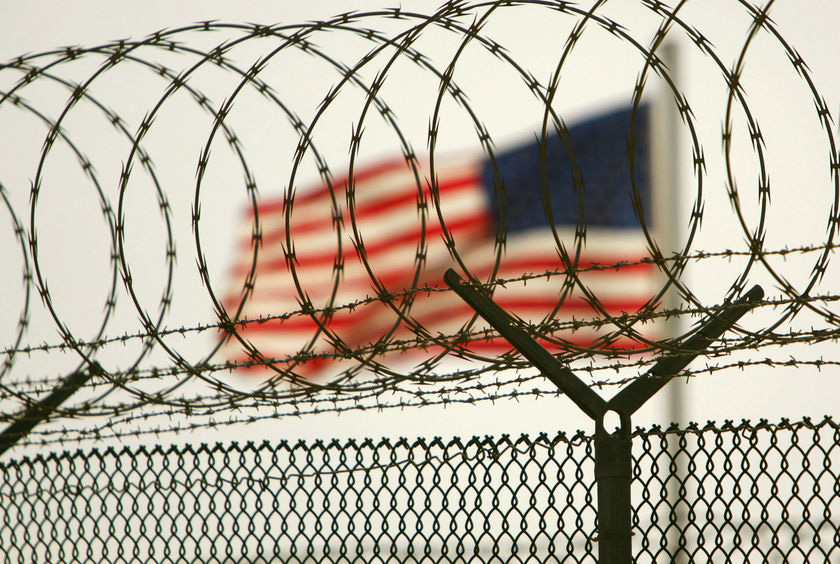
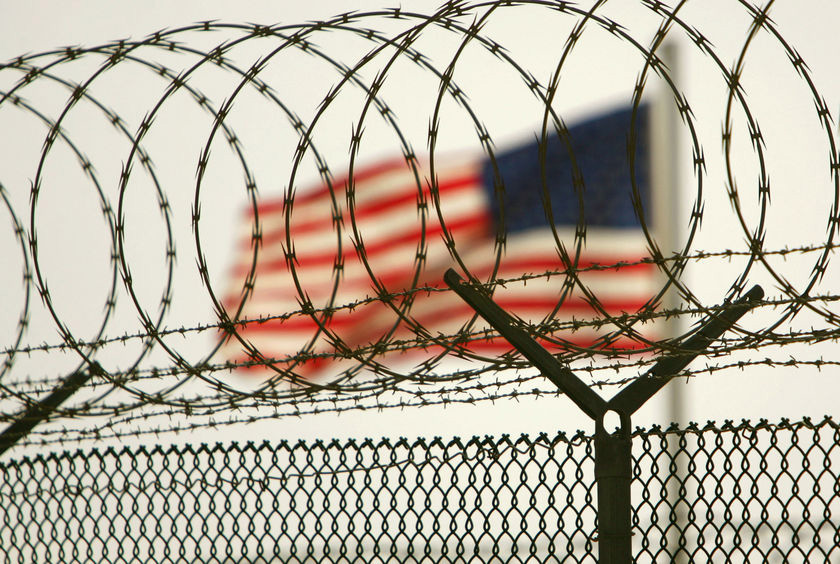
A panel discussion on Guantánamo and accountability for torture, featuring UN Special Rapporteur on Torture Juan E. Méndez and other experts, will take place in Geneva on 9 March 2015 in connection with the UN Human Rights Council session.The panel features:
- Juan E. Méndez, UN Special Rapporteur on Torture
- Jamil Dakwar, Director, Human Rights Program, American Civil Liberties Union
- Peter Jan Honigsbert, U of San Francisco Law School, Founder & Director of Witness to Guantánamo
- Julia Hall, Expert on Counter-Terrorism and Human Rights, Amnesty International
moderator: Connie de la Vega, University of San Francisco Law School & Human Rights Advocates.
The ICJ joins the ACLU, Amnesty International, Human Rights Advocates, Conectas, Human Rights Watch, CELS, and OMCT in supporting this event.
The event takes place 9 march 2015, at 15:00-17:00, Room XXIII, Palais des Nations, in Geneva.
The event flyer may be downloaded in PDF format here: SideEventTorture
Jan 30, 2015 | E-bulletin on counter-terrorism & human rights, News
Read the 89th issue of ICJ’s monthly newsletter on proposed and actual changes in counter-terrorism laws, policies and practices and their impact on human rights at the national, regional and international levels. The E-Bulletin on Counter-Terrorism and Human...

Jan 6, 2015 | News
The Pakistan Parliament’s legislation allowing civilians to be tried by military tribunals is a serious blow to human rights and rule of law in the country, the ICJ said today.

![Smoke rises after an Israeli air strike on the village of Taybeh in southern Lebanon [Source: Al Jazeera]](https://www.icj.org/wp-content/uploads/2026/03/Screenshot-2026-03-20-at-15.56.24-300x200.png)