Mar 16, 2015 | News
The ICJ today condemned the arrest and detention of Malaysian Member of Parliament and daughter of imprisoned opposition leader Anwar Ibrahim, Nurul Izzah Anwar, under section 4(1) of the colonial-era 1948 Sedition Act.
The arrest, which took place around 3.30pm at Dang Wangi police station in Kuala Lumpur, appears to be linked to a speech she gave in Parliament on 10 March 2015 that reportedly criticized the judges in her father’s sodomy II case.
It was reported that Nurul Izzah (photo) was at the police station today to provide statements for her involvement in a demonstration on 14 February, as well as her parliamentary speech.
She managed to complete part of her statement, but was arrested before she could provide a statement on the alleged seditious speech.
Nurul Izzah has yet to be formally charged and it is unclear as to whether the detention is in relation to a specific section of her speech or to the entire speech.
“The Malaysian authorities must stop the continued use of the offence of sedition to arbitrarily detain and stifle freedom of expression,” said Sam Zarifi, ICJ’s Regional Director for Asia and the Pacific.
On 10 February 2015, the Federal Court of Malaysia upheld the Court of Appeal’s decision to convict and sentence Anwar Ibrahim for sodomy under section 377B of the Penal Code.
Since then, a cartoonist has been charged under the Sedition Act, while several opposition politicians and lawmakers have been investigated for allegedly making seditious comments on the Federal Court’s decision.
The ICJ has previously denounced the use of the Sedition Act and repeatedly called for its abolition of the Act as its vague and overbroad provisions are incompatible with international human rights standards.
Nurul Izzah will reportedly remain in prison for the night and will have her remand hearing first thing in the morning on 17 March 2015.
The ICJ will continue to monitor her case.
The ICJ also calls on the Government of Malaysia to immediately release of Nurul Izzah and reiterates its call for the repeal of the Sedition Act.
Background
The 1948 Sedition Act, originally enacted by the British colonial government and amended several times over the years, criminalizes speech and publications considered to have “seditious tendencies”.
The term “seditious tendencies” is ambiguously defined to mean any kind of speech or publication that causes “hatred or contempt, or excite disaffection” against any ruler or the government or promotes “ill will and hostility between the different races or classes”.
The law also considers “seditious” any speech or publication that questions the special privileges of the Malay people, as provided in the Constitution.
Furthermore, sedition is a strict liability offence in Malaysia, which means that the intention of a person allegedly making seditious statements is irrelevant.
For instance, a person making a statement may not have the intent to cause “hatred or contempt” towards the government, but may nonetheless be held liable for sedition if authorities believe that the person in fact incited such feelings.
The ICJ considers that the Act, by its very terms, contemplates restrictions on the exercise of freedom of expression that are grossly overbroad and inconsistent with basic rule of law and human rights principles.
Contact:
Sam Zarifi, ICJ Regional Director of Asia and the Pacific, mobile: +668 07819002 or email: email: sam.zarifi(a)icj.org

Mar 5, 2015 | News
La CIJ urge a las autoridades a tomar las medidas para investigar y corregir esta situación.
Entre el 23 de febrero y el 4 de marzo visitaron Guatemala miembros de la Asociación de Jueces de Noruega; el Presidente del Foro Democrático de Jueces de El Salvador y la ex Presidenta de la Asociación de Jueces por la Democracia de Honduras.
Dicha visita se llevó a cabo en el marco del trabajo de la CIJ sobre el fortalecimiento del Estado de Derecho en Guatemala.
La oportunidad fue propicia para realizar reuniones y debates con miembros del Poder Judicial de Guatemala y con otros operadores de justicia.
Además se mantuvieron reuniones con el Presidente de la Corte Suprema de Justicia y otras magistradas de dicha corte; con la Fiscal General; con el Procurador de los Derechos Humanos; con el Comisionado de la Comisión Internacional contra la Impunidad; con el representante de la Oficina del Alto Comisionado de las Naciones Unidas para los Derechos Humanos, así como con otros actores relevantes de la sociedad guatemalteca, abogados y abogadas; dirigentes de Pueblos Indígenas y representantes de Organizaciones No Gubernamentales.
Al concluir su trabajo, la CIJ se encuentra alarmada por las presiones que existen en contra de jueces y juezas independientes que debido al cumplimiento de su función son frecuentemente objeto de denuncias y amenazas.
Entre las acciones que se están implementando en contra de jueces y juezas independientes, lo constituyen los traslados selectivos e injustificados que tienen como principal objetivo afectar y castigar a aquellos jueces que cumplen su función en forma independiente e imparcial.
Por otro lado, se suman denuncias infundadas en contra de los mismos, al tiempo que se configura un patrón de represión en contra de ellos, que tiene como objetivo que los jueces y juezas renuncien a su independencia judicial y “ajustar cuentas” por los casos que han juzgado.
Por otro lado, el caso relacionado con las sanciones impuestas el año 2014 en forma arbitraria por el Tribunal de Honor del Colegio de Abogados y Notarios de Guatemala en contra de la Jueza Iris Yassmín Barrios Aguilar, aún se encuentra pendiente de resolución final, sin que la Corte de Constitucionalidad de Guatemala resuelva el amparo presentado por dicha jueza.
Desde el año pasado, la CIJ expresó que dichas sanciones son arbitrarias e ilegales y que los jueces y juezas no pueden ser sancionados por un órgano como el Tribunal de Honor del Colegio de Abogados, que carece de competencia para ello; además, manifestó que de conformidad con los estándares internacionales y la legislación interna, los jueces y juezas sólo pueden ser objeto de sanciones por parte de los órganos del Poder Judicial establecidos para tal fin (Juntas de Disciplina y Supervisión General de Tribunales).
Ramón Cadena, Director de la CIJ para Centroamérica expresó: “La situación es grave y urgimos a la Corte Suprema de Justicia a suspender cualquier medida que afecte la independencia de jueces y juezas y a implementar las reformas que se necesitan para promover y proteger la independencia del poder judicial como garantía para la ciudadanía y el fortalecimiento del Estado de Derecho.”

Mar 5, 2015 | Artículos, Noticias
La CIJ urge a las autoridades a tomar las medidas para investigar y corregir esta situación.
Entre el 23 de febrero y el 4 de marzo visitaron Guatemala miembros de la Asociación de Jueces de Noruega; el Presidente del Foro Democrático de Jueces de El Salvador y la ex Presidenta de la Asociación de Jueces por la Democracia de Honduras.
Dicha visita se llevó a cabo en el marco del trabajo de la CIJ sobre el fortalecimiento del Estado de Derecho en Guatemala.
La oportunidad fue propicia para realizar reuniones y debates con miembros del Poder Judicial de Guatemala y con otros operadores de justicia.
Además se mantuvieron reuniones con el Presidente de la Corte Suprema de Justicia y otras magistradas de dicha corte; con la Fiscal General; con el Procurador de los Derechos Humanos; con el Comisionado de la Comisión Internacional contra la Impunidad; con el representante de la Oficina del Alto Comisionado de las Naciones Unidas para los Derechos Humanos, así como con otros actores relevantes de la sociedad guatemalteca, abogados y abogadas; dirigentes de Pueblos Indígenas y representantes de Organizaciones No Gubernamentales.
Al concluir su trabajo, la CIJ se encuentra alarmada por las presiones que existen en contra de jueces y juezas independientes que debido al cumplimiento de su función son frecuentemente objeto de denuncias y amenazas.
Entre las acciones que se están implementando en contra de jueces y juezas independientes, lo constituyen los traslados selectivos e injustificados que tienen como principal objetivo afectar y castigar a aquellos jueces que cumplen su función en forma independiente e imparcial.
Por otro lado, se suman denuncias infundadas en contra de los mismos, al tiempo que se configura un patrón de represión en contra de ellos, que tiene como objetivo que los jueces y juezas renuncien a su independencia judicial y “ajustar cuentas” por los casos que han juzgado.
Por otro lado, el caso relacionado con las sanciones impuestas el año 2014 en forma arbitraria por el Tribunal de Honor del Colegio de Abogados y Notarios de Guatemala en contra de la Jueza Iris Yassmín Barrios Aguilar, aún se encuentra pendiente de resolución final, sin que la Corte de Constitucionalidad de Guatemala resuelva el amparo presentado por dicha jueza.
Desde el año pasado, la CIJ expresó que dichas sanciones son arbitrarias e ilegales y que los jueces y juezas no pueden ser sancionados por un órgano como el Tribunal de Honor del Colegio de Abogados, que carece de competencia para ello; además, manifestó que de conformidad con los estándares internacionales y la legislación interna, los jueces y juezas sólo pueden ser objeto de sanciones por parte de los órganos del Poder Judicial establecidos para tal fin (Juntas de Disciplina y Supervisión General de Tribunales).
Ramón Cadena, Director de la CIJ para Centroamérica expresó: “La situación es grave y urgimos a la Corte Suprema de Justicia a suspender cualquier medida que afecte la independencia de jueces y juezas y a implementar las reformas que se necesitan para promover y proteger la independencia del poder judicial como garantía para la ciudadanía y el fortalecimiento del Estado de Derecho.”
Mar 5, 2015 | News
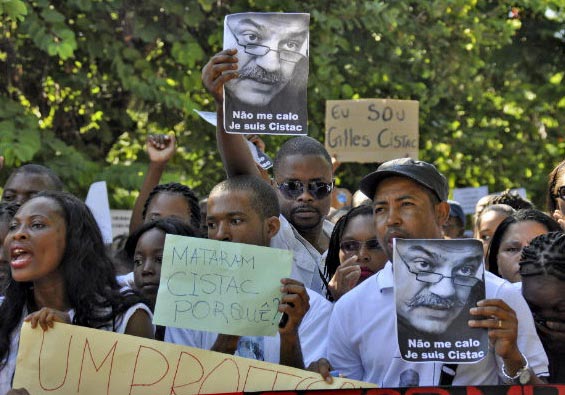
The ICJ calls for the prompt and thorough investigation into the killing of Gilles Cistac, a prominent academic and human rights defender.
Gilles Cistac served as a Professor of Law at the Faculty of Law, Universidade Eduardo Mondlane in Mozambique.
His death, at the hands as of yet un-indentified gunmen in Maputo, Mozambique, on Tuesday 3 March 2015, follows his involvement in the debates on the sensitive issues of decentralization of power and establishment of autonomous provinces in Mozambique.
It is also reported that he was the subject of recent attacks on social media by a person who used a pseudonym and called Gilles Cistac a spy and a traitor, and accused him, along with others, of subverting the country.
“Demonstrating its commitment to the rule of law and respect for human rights, which were central to Gilles Cistac’s work, the government must fulfill its obligation to investigate the killing of Professor Cistac, promptly and effectively, and to ensure that those responsible are brought to justice in fair proceedings,” said Arnold Tsunga the Africa Director of the ICJ.
These obligations arise as part of the government’s duty to protect the right to life including under the African Charter on Human and Peoples’ Rights and the International Covenant on Civil and Political Rights, international human rights treaties to which Mozambique is a party.
The government must also take steps to ensure protection of those, including human rights defenders, who exercise their right to freedom of expression.
Arnold Tsunga also called on the authorities in Mozambique to heed the message of the UN High Commissioner for Human Rights, Zeid Ra’ad Al Hussein, UN High Commissioner for Human Rights: “Human rights defenders are not violent seditionists, criminals, nor bloody revolutionaries, as so many governments like to portray them. They are the best of us, all of us. And they have a message. (…) Understand the message, talk to them about it, be persuaded or persuade, without violence, instead of silencing them, punishing them, their families, and their communities.”
The ICJ will continue to monitor is the investigation of this deadly attack as part work to promote enhanced respect for human rights and in defence of human rights defenders.
Contact:
Arnold Tsunga, t +27 716 405 926 ; e arnold.tsunga(a)icj.org

Feb 19, 2015
Today, the ICJ submitted information to the UN Human Rights Committee in advance of its examination of the Russian Federation’s seventh periodic report under the International Covenant on Civil and Political Rights (ICCPR).
The submission draws attention to the ICJ’s concerns relating to the independence of the judiciary in the Russian Federation, which remains weak, with many judges lacking an understanding of what it means in practical terms to exercise independent judicial power. In many cases, they are prone to undue influence, either from outside interests or from inside the judicial hierarchy.
This submission addresses three aspects of particular concern:
- The selection, appointment and promotion process for judges, in which a gap exists between law and practice, and “extra-procedural” influence and shortcuts persist;
- The judicial disciplinary system, in particular dismissal of judges; and,
- The recent process of appointment of judges to the Supreme Court.
Without comprehensive reform addressing these structural deficiencies, the right of everyone to fair proceedings before competent, independent and impartial tribunals established by law, guaranteed under Article 14 of the ICCPR, is impeded.
RUSSIANFEDERATION-HRCttee submission-ADVOCACY-LEGAL SUBMISSION-2015-ENG(rev)