Dec 14, 2012
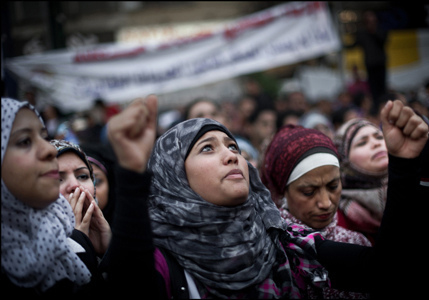 The ICJ today expresses its grave concern regarding the draft Constitution and the constitutional referendum to be held on 15 December 2012 and 22 December 2012.
The ICJ calls upon the Egyptian authorities to ensure the right of Egyptians to fully participate in the constitution-making process in pursuit of their democratic aspirations.
In a new legal briefing paper, the ICJ analyses key provisions of Egypt’s draft Constitution in light of international human rights and rule of law standards.
“The draft Constitution falls short of international standards, including those concerning the accountability of the armed forces, guaranteeing the independence of the judiciary, and recognizing universally accepted human rights,” said Said Benarbia, ICJ Senior Legal Adviser of the Middle East and North Africa Program. “Further, in the context of deep political instability, providing only two weeks for the public to consider the draft Constitution undermines the right of all Egyptians to make an informed decision about the basic framework of governance and law for their society.”
While the draft Constitution extends the language of Egypt’s 1971 Constitution on human rights, the definition and scope of several human rights are still inconsistent with Egypt’s obligations under international law, the ICJ says.
The draft continues to subject these rights to the limits of laws, without any reference to the content and scope of these limits and whether or not they are necessary in a democratic society.
Such limitations also undermine the constitutional guarantees for the independence of the High Judicial Council, the Constitutional Court and the office of the Public Prosecutor, the ICJ states.
In addition, the draft Constitution perpetuates the use of military courts to try civilians.
“In light of these shortcomings and the failure of the process to meet international standards of inclusive participation, the draft Constitution should be withdrawn, and sufficient time should be given for the drafting of a new constitution that fully represents the views of all Egyptians,” Benarbia added.
Contact:
Saïd Benarbia, Middle East & North Africa Senior Legal Adviser, ICJ, t +41 22 979 3817; e-mail: said.benarbia(at)icj.org
Egypt-Constitution reform process-Analysis brief-2012 (full text in pdf)
See also Egypt: a flawed constitutional reform process
Photo by Pan African News Wire

Dec 13, 2012 | Comunicados de prensa, Noticias
La CIJ condena los actos de los países de Centroamérica que afectan seriamente la independencia judicial. El ultimo acto de esta naturaleza ocurrió en Honduras.
La CIJ ante los últimos acontecimientos que afectan seriamente la independencia de los differentes poderes judiciales en países de la región centroamericana, expresa:
- Durante el año 2012, la CIJ ha constatado que los diferentes gobiernos y autoridades de los países de Centroamérica han realizado actos que afectan seriamente la independencia judicial. En Honduras, el miércoles 12 de diciembre, la Asamblea Legislativa procedió a destituir a cuatro magistrados de la Sala Constitucional de la Corte Suprema de Justicia, sin tener facultades o atribuciones para un acto de esta naturaleza. Esta destitución nos sitúa frente a un escenario similar al del Golpe de Estado de junio de 2009;
- En El Salvador, se han dado hechos similares; durante todo el año 2012, la Asamblea Legislativa y otros grupos del poder político, han pretendido desarticular la Sala Constitucional de la Corte Suprema de dicho país, debido al contenido de sus sentencias; en Costa Rica hace unas semanas, también la Asamblea Legislativa se negó a ratificar en su cargo a un magistrado de la Sala Constitucional de la Corte Suprema de Justicia, alegando que los fallos de dicha sala creaban una “situación de ingobernabilidad” y que ese acto era un “llamado de atención para el resto de los magistrados”, siendo la primera vez que el Organismo Legislativo se negó a ratificar en su cargo un nuevo mandato de un magistrado del alto Tribunal;
- En Guatemala, tanto el Presidente de la Cámara Penal de la Corte Suprema de Justicia como la Fiscal General, vienen siendo objeto de ataques a su independencia por parte de abogados defensores de las personas acusadas, por la función positiva que han cumplido en la lucha contra la impunidad en casos de graves violaciones a los derechos humanos cometidas durante el conflicto armado;
La CIJ considera que todos estos hechos constituyen injerencias y ataques a la independencia del Poder Judicial; tratándose de magistrados de diferentes Cortes Supremas y de una Fiscal General, estos actos evidencian por sí mismos, la precariedad de la garantía de independencia judicial en dichos países. A esta situación, hay que agregar que varios de los países mencionados, carecen de sistemas de carrera judicial y de mecanismos de protección adecuados para garantizar a los funcionarios el ejercicio independiente de la función jurisdiccional; además, en ellos existen fenómenos de impunidad generalizados y de cuerpos ilegales, aparatos clandestinos de seguridad y crimen organizado.
Frente a estos hechos, la CIJ recomienda:
- Que las autoridades estatales concernidas con los hechos arriba mencionados, se abstengan de interferir en el ámbito de la independencia de los poderes judiciales, ya que de lo contrario, estarían incumpliendo sus obligaciones internacionales sobre respeto a la independencia de poderes, establecidas en la Convención Americana sobre Derechos Humanos y en el Pacto Internacional de Derechos Civiles y Políticos;
- Que se tomen las medidas necesarias para asegurar la independencia de jueces, magistrados y fiscales como corresponde en un Estado de Derecho;
- Que los estados relacionados establezcan mecanismos de protección para jueces, magistrados, fiscales y demás operadores de justicia, a fin de salvaguardar su integridad y garantizar el ejercicio de la función jurisdiccional independiente;
- Que los estados concernidos impulsen procesos de creación o fortalecimiento de carreras judiciales de conformidad con los estándares internacionales;
- Que se fortalezcan los poderes judiciales y otras entidades del sector justicia, a fin de lograr la efectiva protección de los derechos humanos incluida la lucha contra la impunidad.
La CIJ continuará cumpliendo con su mandato de promover y garantizar la independencia de jueces, abogados y fiscales; en ese sentido, le dará seguimiento a estas situaciones y continuará observando y proponiendo soluciones a esta problemática.
Para mayor información :
Ramón Cadena Rámila, Director de la Comisión Internacional de Juristas para Centro América, t + 502 30441818

Dec 13, 2012 | News
Following recent attacks against the independence of the judiciary in several Central American countries, the ICJ issued today a strong position statement (in Spanish).
La CIJ ante los últimos acontecimientos que afectan seriamente la independencia de los differentes poderes judiciales en países de la región centroamericana, expresa:
- Durante el año 2012, la CIJ ha constatado que los diferentes gobiernos y autoridades de los países de Centroamérica han realizado actos que afectan seriamente la independencia judicial. En Honduras, el miércoles 12 de diciembre, la Asamblea Legislativa procedió a destituir a cuatro magistrados de la Sala Constitucional de la Corte Suprema de Justicia, sin tener facultades o atribuciones para un acto de esta naturaleza. Esta destitución nos sitúa frente a un escenario similar al del Golpe de Estado de junio de 2009;
- En El Salvador, se han dado hechos similares; durante todo el año 2012, la Asamblea Legislativa y otros grupos del poder político, han pretendido desarticular la Sala Constitucional de la Corte Suprema de dicho país, debido al contenido de sus sentencias; en Costa Rica hace unas semanas, también la Asamblea Legislativa se negó a ratificar en su cargo a un magistrado de la Sala Constitucional de la Corte Suprema de Justicia, alegando que los fallos de dicha sala creaban una “situación de ingobernabilidad” y que ese acto era un “llamado de atención para el resto de los magistrados”, siendo la primera vez que el Organismo Legislativo se negó a ratificar en su cargo un nuevo mandato de un magistrado del alto Tribunal;
- En Guatemala, tanto el Presidente de la Cámara Penal de la Corte Suprema de Justicia como la Fiscal General, vienen siendo objeto de ataques a su independencia por parte de abogados defensores de las personas acusadas, por la función positiva que han cumplido en la lucha contra la impunidad en casos de graves violaciones a los derechos humanos cometidas durante el conflicto armado;
La CIJ considera que todos estos hechos constituyen injerencias y ataques a la independencia del Poder Judicial; tratándose de magistrados de diferentes Cortes Supremas y de una Fiscal General, estos actos evidencian por sí mismos, la precariedad de la garantía de independencia judicial en dichos países. A esta situación, hay que agregar que varios de los países mencionados, carecen de sistemas de carrera judicial y de mecanismos de protección adecuados para garantizar a los funcionarios el ejercicio independiente de la función jurisdiccional; además, en ellos existen fenómenos de impunidad generalizados y de cuerpos ilegales, aparatos clandestinos de seguridad y crimen organizado.
Frente a estos hechos, la CIJ recomienda:
- Que las autoridades estatales concernidas con los hechos arriba mencionados, se abstengan de interferir en el ámbito de la independencia de los poderes judiciales, ya que de lo contrario, estarían incumpliendo sus obligaciones internacionales sobre respeto a la independencia de poderes, establecidas en la Convención Americana sobre Derechos Humanos y en el Pacto Internacional de Derechos Civiles y Políticos;
- Que se tomen las medidas necesarias para asegurar la independencia de jueces, magistrados y fiscales como corresponde en un Estado de Derecho;
- Que los estados relacionados establezcan mecanismos de protección para jueces, magistrados, fiscales y demás operadores de justicia, a fin de salvaguardar su integridad y garantizar el ejercicio de la función jurisdiccional independiente;
- Que los estados concernidos impulsen procesos de creación o fortalecimiento de carreras judiciales de conformidad con los estándares internacionales;
- Que se fortalezcan los poderes judiciales y otras entidades del sector justicia, a fin de lograr la efectiva protección de los derechos humanos incluida la lucha contra la impunidad.
La CIJ continuará cumpliendo con su mandato de promover y garantizar la independencia de jueces, abogados y fiscales; en ese sentido, le dará seguimiento a estas situaciones y continuará observando y proponiendo soluciones a esta problemática.
Para mayor información :
Ramón Cadena Rámila, Director de la Comisión Internacional de Juristas para Centro América, t + 502 30441818
Dec 11, 2012 | Events, News
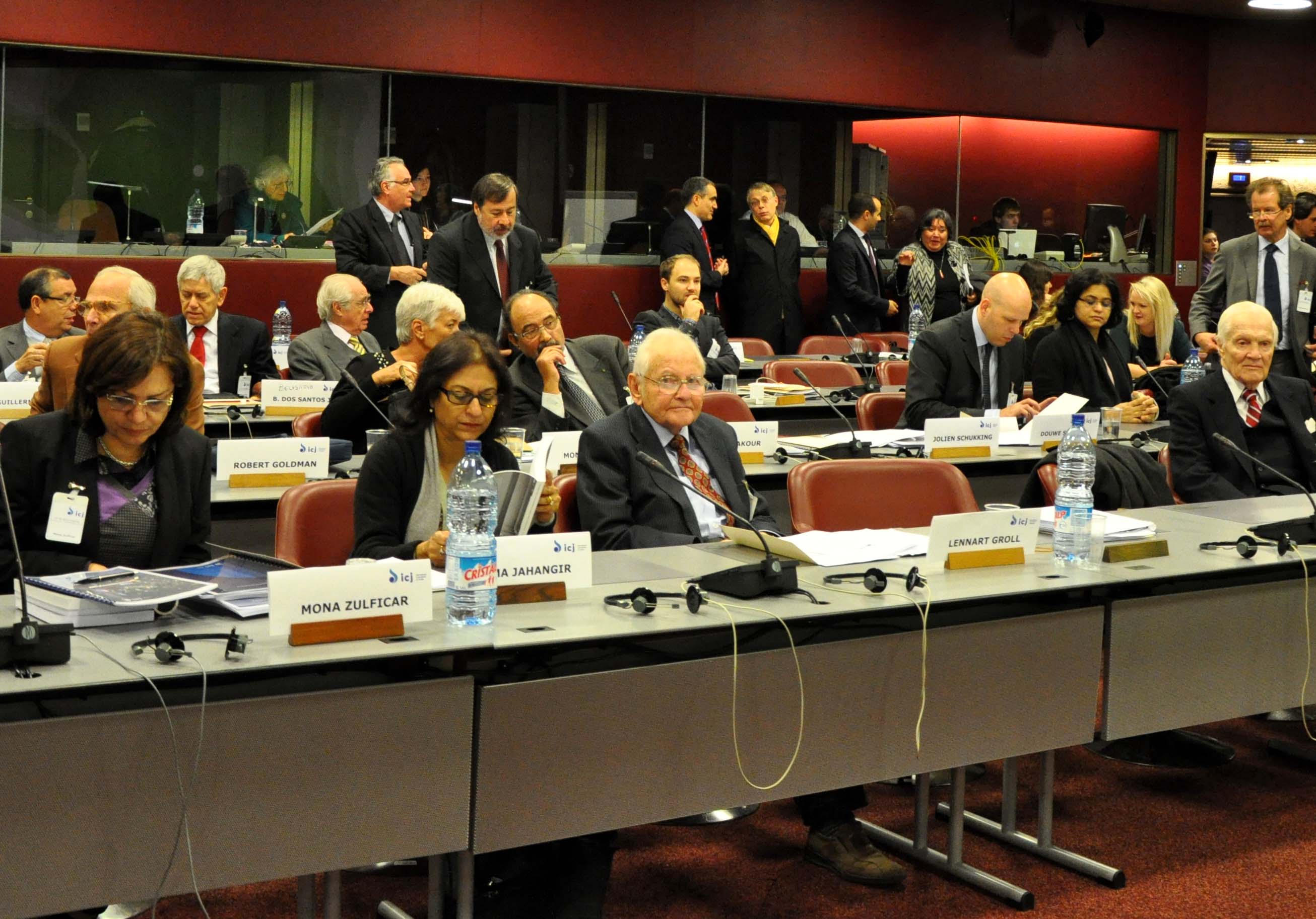 Leading jurists gather at ICJ World Congress to work on international legal remedies to human rights violations.

Dec 4, 2012
In a report published today, the ICJ calls for comprehensive reforms of the disciplinary system for judges in Russia as a means to ensure an independent judiciary that is an effective guardian of the rule of law.
The ICJ report Securing Justice: the Disciplinary System for Judges in the Russian Federation focuses on disciplinary action against judges, in particular on dismissals.
It considers how dismissals and the disciplinary system affect the independence of judges, which is essential to the Rule of Law and the right to a fair trial.
An unusually high number of judges are dismissed each year in the Russian Federation, the report says.
“The threat of dismissal, and the uncertainty of the grounds on which a judge can be dismissed, affects the capacity of all judges to act independently,” said Róisín Pillay, Director of the ICJ Europe Programme. “The threat of disciplinary action may hang over a judge for many years, since there is no limitation period for such action. This makes the judge susceptible to pressure from within the judicial hierarchy or from the executive.”
When disciplinary action is taken, there is a lack of guarantees to ensure fair procedures for the judges concerned, the report further notes.
The report makes recommendations for the reform of laws and procedures on judicial discipline in the Russian Federation to strengthen the safeguards for judges against abuse.
It also stresses that a deeper and more universal culture of respect for the judiciary and its independence, as well as a sense of autonomy and empowerment within the judiciary itself, are necessary to prevent abuses of the judicial disciplinary process.
“Such reform should be conducted through consultation with civil society, academic and legal experts, as well as with the judiciary,” Róisín Pillay added.
The Report follows an ICJ mission to the Russian Federation in April 2012, to assess the guarantees in regard to disciplinary procedure, grounds for disciplining and dismissals of judges and their potential effect on the security of tenure and the independence of the judiciary.
The mission included Azhar Cachalia, Judge of the Supreme Court of Appeals of South Africa and Commissioner of the ICJ; Alejandro Salinas, lawyer from Chile and a member of the CIJL Advisory Committee; Róisín Pillay, Director of the ICJ Europe Programme, and Temur Shakirov, Legal Adviser at the ICJ Europe Programme.
The mission held meetings with the President of the Supreme Court; with judges of the High Arbitration Court, including members of the Disciplinary Judicial Presence and the Judicial Commission on Ethics of the Judicial Council; with the Judicial Department under the Supreme Court; with members of the Human Rights Council under the President of the Russian Federation and its Head, the Human Rights Adviser to the Russian Federation President; with a number of former judges who had been dismissed or resigned; with academic experts on matters of judicial discipline and the judicial system; and with lawyers and human rights NGOs.
Contact:
Róisín Pillay, Director, ICJ Europe Programme, roisin.pillay(at)icj.org
Temur Shakirov, Legal Adviser, ICJ Europe Programme, temur.shakirov(at)icj.org
Russia-ICJ Mission-Press release-2012-rus (full text in pdf)
Russia-ICJ Mission Report-Publications-2012 (full text in pdf)
Russia-ICJ Mission Reprot-Publications-2012-rus (full text in pdf)