May 5, 2021 | News
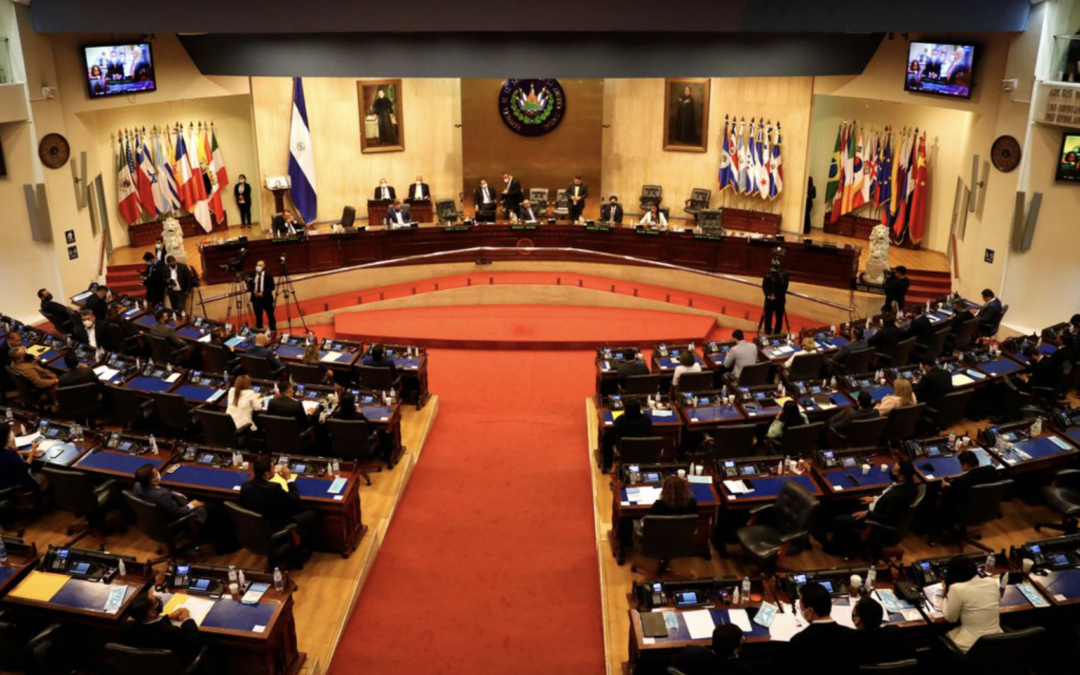
The ICJ today condemned the dismissal of all five of the justices serving in El Salvador’s Supreme Court Constitutional Chamber by the country’s newly elected Legislative Assembly, backed by El Salvador’s President Nayib Bukele.
The dismissal on 2 May was justified on vague allegations of arbitrariness and dereliction of functions particularly relating to judicial decisions taken striking down government action related to the COVID-19 Pandemic. The Legislative Assembly also dismissed El Salvador’s Attorney General.
The ICJ stressed that the dismissal violated core tenets of the independence of the judiciary, by which judges are subject to dismissal only “for reasons of incapacity or behaviour that renders them unfit to discharge their duties.” (United Nations Basic Principles on the Independence of the Judiciary). Any decision must also be subject to a fair hearing of individual judges, with full due process guarantees.
The dismissal process was carried out without any individualized hearings, and without a clear expression of a legitimate basis for the dismissal.
The ICJ is concerned that this summary dismissal will undermine the independence of the judiciary, including by intimidating other judicial authorities in the country.
The dismissal of judges and the Attorney General was followed by the immediate appointment and swearing in office of other judges in replacement. This decision violates the procedural rules of selection and appointment, which are essential to safeguard the independence and impartiality of the judges serving in the Constitutional Chamber.
The decision to dismiss the judges was taken by a qualified majority of legislators, shortly after the new legislative assembly started its functions, in a swift procedure that lasted just a few hours.
The ICJ urges the government of El Salvador to restore respect to fundamental rule of law principles to prevent the arbitrary use of power and impunity.
The country is particularly vulnerable to impunity for human rights violations, where an independent judiciary is not in place to assess the lawfulness of government actions.
The ICJ calls on the responsible authorities of the Inter-American Commission for human rights and the United Nations human rights system to address the situation as a matter of priority.
May 4, 2021 | News
The removal of Lebanese public prosecutor Ghada Aoun from financial cases she had been overseeing constitutes a further attack on the independence of an already enfeebled judiciary, the International Commission of Jurists said today.
On 15 April 2021, Lebanon’s General Prosecutor removed Ghada Aoun, Mount Lebanon Public Prosecutor, from the financial cases she had been overseeing, including high-profile corruption and illegitimate gains cases. Aoun had charged Riad Salameh, the Governor of Lebanon’s Central Bank, with dereliction of duty and breach of trust, and had charged former Prime Minister Najib Mikati with illegitimate gains. She had also been overseeing and issuing arrest warrants in other high-profile cases.
“The Lebanese judiciary has a long history of utter subordination to the ruling political class in Lebanon,” said Said Benarbia, the Director of the ICJ MENA Programme.
“Removing prosecutors and investigating judges from cases solely because they carry out their legitimate functions flies in the face of the independence of the judiciary and sends a chilling message to others who might dare challenging the authorities.”
Aoun’s ouster followed the removal of investigative judge Fadi Sawan from the 2020 Beirut port blast case. Sawan was removed on 18 February 2021 by the Court of Cassation after bringing criminal negligence charges against the acting President of the Cabinet and former ministers in relation to the devastating explosion on 4 August 2020, in which nearly 200 people died and thousands more were injured. His removal by the Court of Cassation came after two former Ministers who were facing criminal charges filed a complaint against Fadi Sawan before the General Prosecutor, requesting his removal from the case.
The Lebanese authorities, including judicial authorities, should comply with their obligations under international law and ensure that judges and prosecutors be able to exercise their functions independently, free of any influences, pressures, threats or interference from any quarter or for any reason.
In August 2020, the ICJ urged the Lebanese authorities to work with the United Nations to establish a special, independent mechanism to probe the Beirut blast in line with international law and standards with a view to establishing the facts and making recommendations for appropriate accountability measures, including criminal prosecutions.
The call was informed by the ICJ publications and findings on the independence and functioning of the judiciary in Lebanon, including recommendations to ensure that the judiciary is not subject to any form of undue influence by political actors and confessional communities, and that it is able to fulfill its responsibility to uphold the rule of law and human rights.
This press release is also available in Arabic.
Contact:
Said Benarbia, Director, ICJ Middle East and North Africa Programme, t: +41-22-979-3817; e: said.benarbia(a)icj.org
Asser Khattab, Research and Communications Officer, ICJ Middle East and North Africa Programme, e: asser.khattab(a)icj.org
May 3, 2021 | News
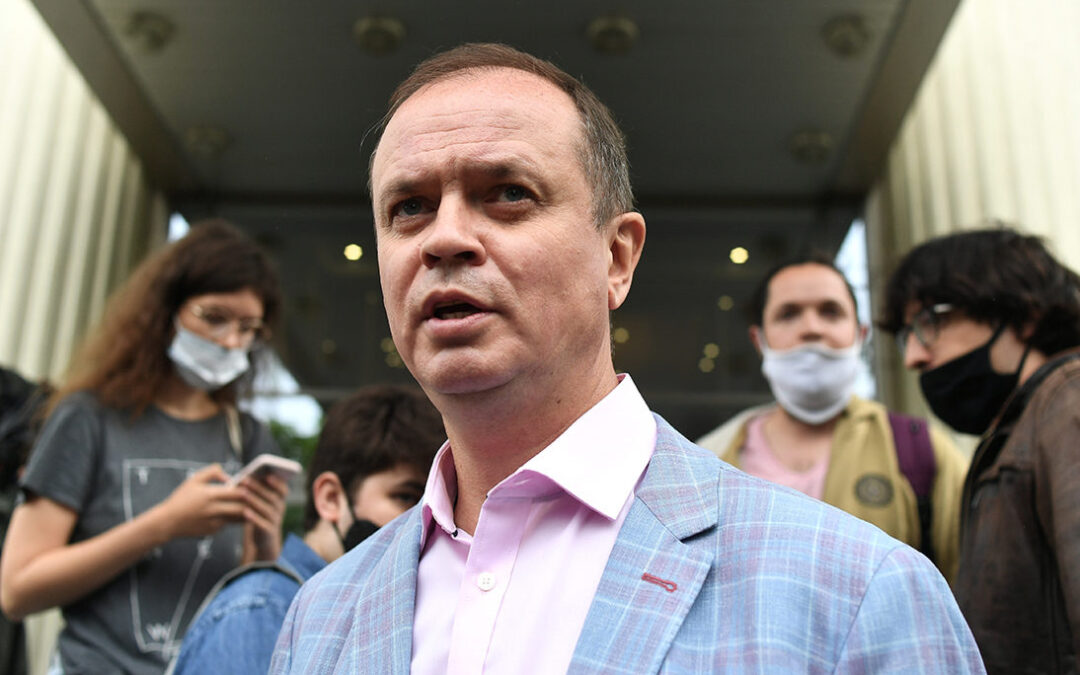
The ICJ today condemned the detention, interrogation and searches of premises of lawyer Ivan Pavlov, a prominent lawyer and head of the human rights legal group Team 29.
Pavlov was detained by Federal Security Service (FSB) agents on 30 April after a raid on his Moscow hotel suite and released later that day. According to the order to initiate criminal proceedings, Pavlov was charged with “disclosing the information of preliminary investigation” under Article 310 of the Criminal Code of the Russian Federation.
According to the charging order, Pavlov is accused of transmitting to the Vedomosti Newspaper a copy of a charging order against his client, journalist Ivan Safronov. Furthermore, Pavlov is charged with disclosing the nickname of one of the witnesses in the case.
According to the decision of the Basmanny Court on a preventive measure for Pavlov, he is prohibited from communicating with witnesses in his criminal case, except for close relatives, using the Internet and other means of communication.
“Russian authorities must stop this harassment of Ivan Pavlov and Team 29, which is almost certainly due to their representation of clients in several high profile cases,” said Roisin Pillay, ICJ’s director for Europe and Central Asia.
“These raids clearly interfere with lawyer-client privilege. The case files seized during the search should be returned to the lawyers and Pavlov should be able to continue his work in defence of all his clients free of harassment or fear of retaliation, as required by international standards,” she added.
According to the UN Basic Principles on the Role of Lawyers governments must ensure that lawyers “ … are able to perform all of their professional functions without intimidation, hindrance, harassment or improper interference; […] and (c) shall not suffer, or be threatened with, prosecution or administrative, economic or other sanctions for any action taken in accordance with recognized professional duties, standards and ethics” (Principle 16). Furthermore, lawyers cannot “be identified with their clients or their clients’ causes as a result of discharging their functions” (Principle 18).
Ivan Pavlov represents clients in a number of high-profile cases, including many who have been the subject of investigation by the FSB. His clients have included the Foundation Against Corruption of the Russian opposition leader Alexey Navalny, the case of Russia’s Electric Energy Company (Inter RAO) manager Karina Tsurkan, physicist Victor Kudryavtsev, journalist Ivan Safronov and journalist Grigory Pasko.
Besides the raid on Pavlov’s hotel suite, authorities searched the office of Team 29 in St.Petersburg and the apartment of Pavlov’ wife. As a result of the searches, almost all of the case materials on Pavlov’s client Ivan Safronov were taken by law enforcement officers. These searches cannot be justified by allegations of disclosing information related to the investigation and raise concern that there may be illegitimate reasons for the criminal prosecution of the lawyer.
“While secrecy of a preliminary investigation may be a legitimate procedure, it does not afford justification for interference with the work of lawyers, including by accessing lawyers’ premises and files, and should never be misused as a means of intimidation and retaliation against lawyers”, said Roisin Pillay.
“The ICJ urges the Russian investigative authorities to cease any investigative actions which may breach the rights of the lawyer and to respect lawyer-client privilege in cases where he represents clients no matter how sensitive the cases may be perceived to be”.
Communications and documentation that lawyers maintain in respect of their professional relationship with their clients is legally protected, under international and Russian law, from seizure and disclosure pursuant to the lawyer-client privilege principle. In particular, the rights to a fair trial, and family and private life are guaranteed under the European Convention for Human Rights (articles 6 and 8 respectively) and the International Covenant on Civil and Political Rights (articles and 14 and 17 respectively).
As the European Court of Human Rights repeatedly stated “[…] persecution and harassment of members of the legal profession strikes at the very heart of the Convention system. Therefore the searching of lawyers’ premises should be subject to especially strict scrutiny. ” (Kolesnichenko v. Russia (Application no. 19856/04 para 31). This right is equally protected by Russian legislation, in particular Article 8 of the Law on Lawyers’ Activity and Advokatura in the Russian Federation, and as shown by the decision of the Constitutional Court of the Russian Federation in the Balayan and Dzhuba case (see below).
The full story with additional information can be downloaded here:
Russia-end-harassment-of-lawyer-Ivan-Pavlov-2021-ENG
Apr 23, 2021 | News
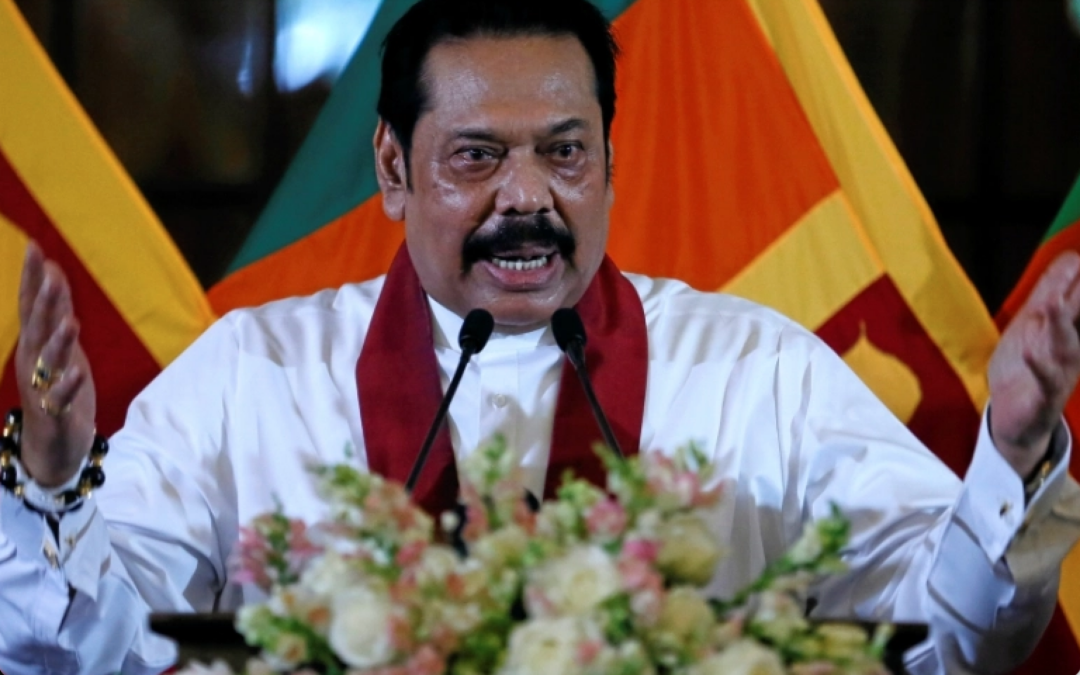
The parliamentary resolution tabled by Prime Minister Mahinda Rajapaksa would aggravate Sri Lanka’s culture of impunity and undermine the rule of law, said the ICJ today.
The Resolution tabled on 9 April seeks the approval of the Sri Lankan Parliament to stop ongoing trials against military officials and other high-ranking officials accused of serious human rights violations, as well as family members of the President and Prime Minister currently facing charges of corruption.
“The Parliament should categorically reject this ‘impunity resolution’ that interferes with the ongoing work of the judiciary and the Attorney General’s office in their efforts to provide for at least a modicum of accountability for serious violations,” said Ian Seiderman, ICJ’s Legal and Policy Director.
The Resolution seeks parliamentary approval to implement the recommendations of the so-called Commission of Inquiry on Political Victimization (COI), which were presented to President Gotabaya Rajapaksa last December. The COI and its work have been widely discredited as an affront to the independence of judiciary and the rule of law and its report has not been made available to the public.
“The report by the COI calls for the withdrawal of investigations and convictions even in the handful of cases of serious human rights violations that have been brought before courts, including in cases where perpetrators have been convicted,” Seiderman said.
The recommendations made by the COI that would be implemented by the Resolution include the withdrawal of indictments filed by the Attorney- General and the discharge of several accused in cases that have been recognized as emblematic and referred to in the report of the UN High Commissioner for Human Rights and in UNHRC Resolution 46/1. They also included similar dropping of cases of serious financial misappropriation.
Examples of emblematic cases where the COI recommends discharge of the accused include the case of alleged abductions of 11 persons by members of the Navy including Admiral Wasantha Karannagoda; unlawful killings of Tamil National Alliance MP Nadaraja Raviraj, Wasim Thajudeen, Sunday Leader Editor Lasantha Wickrematunge, Tamil National Alliance MP Joseph Pararajasingam; the alleged enforced disappearance of journalist Prageeth Ekneligoda; and the abduction of Editor Keith Noayhr.
In certain cases that have resulted in convictions for murder or torture, including one case affirmed on appeal to the Supreme Court, the COI has recommended that the Attorney-General review the convictions and discharge the accused.
“The recommendations of the COI, incorporated in this “impunity resolution”, constitute an interference with the independent functioning of the judiciary as judicial decisions and court proceedings have been reassessed outside the judicial structure,” Seiderman stated. “Involving the Parliament in giving effect to these recommendations is contrary to the principle of separation of powers as provided for in the Sri Lankan Constitution.”
The UN Basic Principles on the Independence of the Judiciary makes clear that “the judiciary shall have jurisdiction over all issues of a judicial nature and shall have exclusive authority to decide whether an issue submitted for its decision is within its competence as defined by law” and that “there shall not be any inappropriate or unwarranted interference with the judicial process, nor shall judicial decisions by the courts be subject to revision.”
The recommendations by the COI go even further and recommend the prosecution of investigators, lawyers and prosecutors in those cases under the Penal Code and the Bribery Act for “fabrication” of evidence and corruption.
“Recommending that action be taken against lawyers and prosecutors for carrying out their professional and statutory duties is an all-out assault on a free and independent bar and this recommendation must be summarily rejected,” Seiderman said.
The UN Basic Principles on the Role of Lawyers obliges the State to ensure that lawyers “are able to perform all of their professional functions without intimidation, hindrance, harassment or improper interference” and that they “shall not suffer, or be threatened with, prosecution or administrative, economic or other sanctions for any action taken in accordance with recognized professional duties, standards and ethics.”
The UN Guidelines on the Role of Prosecutors establish that “States shall ensure that prosecutors are able to perform their professional functions without intimidation, hindrance, harassment, improper interference or unjustified exposure to civil, penal or other liability.”
Contact
Osama Motiwala, ICJ Asia-Pacific Communications Officer, e: osama.motiwala(a)icj.org
Apr 13, 2021 | News
Today, the ICJ called on the Belarus Ministry of Justice and other relevant authorities to end the recent practice of using legal proceedings against lawyers in retaliation for discharging their professional duties and to reinstate those already disbarred.
In recent months, in the context of widespread violations of the human rights of those protesting against the outcome of the disputed 2020 presidential election, there has been an unprecedented increase of cases of disbarment of lawyers especially those who comment on violations of the human rights of their clients. Among the most recently disbarred lawyers are Konstantin Mikhel, Maxim Konon, Mikhail Kirilyuk and Yulia Ivanchuk.
“This recent wave of criminal and disciplinary proceedings against lawyers is highly worrying and it constitutes an attack on the independence of the legal profession. These proceedings, be they of criminal, administrative or disciplinary nature, should be discontinued or reconsidered as being contrary to the international human rights law concerning the independence of the legal profession,” said Temur Shakirov, Senior Legal Adviser of the ICJ Europe and Central Asia Programme.
There is a clear pattern of the misuse of disciplinary proceedings against lawyers who represent political opponents of the government or those who openly criticize the government on issues of public significance.
Disciplinary proceedings in Belarus are not independent of the executive, since they are conducted by the Qualification Commission which operates under the Ministry of Justice.
Notably, disciplinary proceedings are pending against lawyer Dmitry Layevski, allegedly following his public comments on a pending Draft Law on advocates’ activities.
Dmitry Layevski is a lawyer representing Victor Babaryko, an opposition leader in Belarus currently in detention, and Maxim Znak, former legal representative of Maria Kolesnikova, another detained opposition leader.
Earlier, a number of lawyers, including Aleksandr Pylchenko, former legal representative of Viktor Babaryko and Maria Kolesnikova, and Lyudmila Kazak, former legal representative of Maria Kolesnikova, faced disciplinary sanctions, and Lyudmila Kazak incurred an administrative fine, as a result of discharging their professional functions.
Several lawyers involved in human rights cases have been called by the Qualification Commission to undergo an examination to re-certify their qualification to practice law and have failed the exam. This procedure appears to target lawyers working to defend human rights, as a means of harassment or reprisal.
For example, following comments in mass media, Sergey Zikraskiy, a lawyer who often represented Belarusian journalists, was called to pass extraordinary re-examination which he failed. The certification is carried out by the Qualification Commission.
Criminal cases are still pending against lawyers Ilya Saley and Maxim Znak, who appear to have suffered consequences as a result of their representation of opposition leaders Maria Kolesnikova and Victor Babaryko.
“These disbarments have a significant chilling effect on work of the legal profession and undermine the ability of lawyers to defend human rights of their clients in accordance with international standards on the role of lawyers,” Shakirov said.
Background
International law and standards
According to the UN Basic Principles on the Role of Lawyers, the State authorities must guarantee that lawyers are able carry out their professional functions without hindrance, intimidation, harassment or fear of retaliation (Principle 16). The UN Basic Principles on the Role of Lawyers affirm that lawyers “shall not suffer, or be threatened with, prosecution or administrative, economic or other sanctions for any action taken in accordance with recognized professional duties, standards and ethics.” (Principle 16.c) They further stipulate that lawyers must not be identified with their clients or their clients’ causes as a result of discharging their functions (Principle 18).
International standards also require the institutional independence of the legal profession. The executive body of the professional associations of lawyers must be elected by its members and must exercise its functions without external interference (Principle 24, The UN Basic Principles on the Role of Lawyers).