Sep 24, 2019 | News
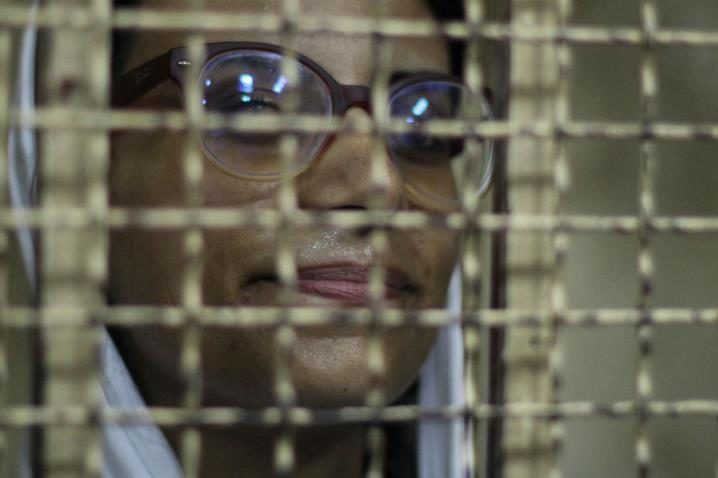
The ICJ today called for the immediate release of lawyer Mahienour al-Massry and hundreds of peaceful protestors who have been arbitrarily arrested by the Egyptian authorities in the context of recent protests against government corruption and President Abdel Fattah al-Sisi.
On 22 September 2019, Mahienour al-Massry was arrested by plain-clothes police officers outside the Supreme State Security Prosecution headquarters in Cairo, after representing five detainees in judicial investigations.
The next day she was brought before the same Supreme State Security Prosecution on unknown charges.
The detainees represented by Al-Massry had been arrested during the recent protests against President Sisi, which commenced on 20 September 2019 when hundreds of Egyptians took the streets in Cairo, Alexandria, Damietta, Mahalla al-Kubra and Suez, among other cities.
Police responded by firing tear gas and arresting hundreds.
Media accounts indicate that nearly 500 people have been arrested, most or all arbitrarily, since the protests commenced. However, documentation by local NGOs indicates that as many as 800 people may have been arrested, apparently for “participating in a ‘terrorist group’ operation” and “distributing fake news to disturb the public opinion.”
“The Egyptian authorities must drop the charges against Mahienour al-Massry, promptly release her and immediately stop persecuting, intimidating and interfering with the work of lawyers protecting the rights of others,” said Said Benarbia, Director of ICJ’s Middle East and North Africa Programme.
Mahienour al-Massry was charged in 2013 and again in 2015 for taking part in peaceful protests, for each of which she received one year-long terms of imprisonment.
Mahienour al-Massry’s recent arrest constitutes an effective sanction that violates her right to liberty under article 9 of the International Covenant on Civil and Political Rights and UN Basic Principles on the Role of Lawyers.
It also impedes the right of her clients to legal representation under article 14 of the ICCPR.
The ICJ previously filed a submission to the Universal Periodic Review regarding arbitrary arrests and detentions and systematic use of pre-trial detention in Egypt, and documented the use of the Egyptian justice system as a repressive tool to eradicate political expression and human rights work.
“The systematic use of arbitrary arrest and detention by State authorities is one of the very reasons Egyptians took to the street in protest,” said Benarbia.
“The authorities’ response provides further evidence of the widespread violations of rights Egyptians face under the current regime,” he added.
Contact:
Said Benarbia, Director of the ICJ Middle East and North Africa Programme, t: +41-22-979-3817; e: said.benarbia(a)icj.org
Download:
Egypt-al-Massry-News-web stories-2019-ARA (story in Arabic, PDF)
Sep 24, 2019 | News
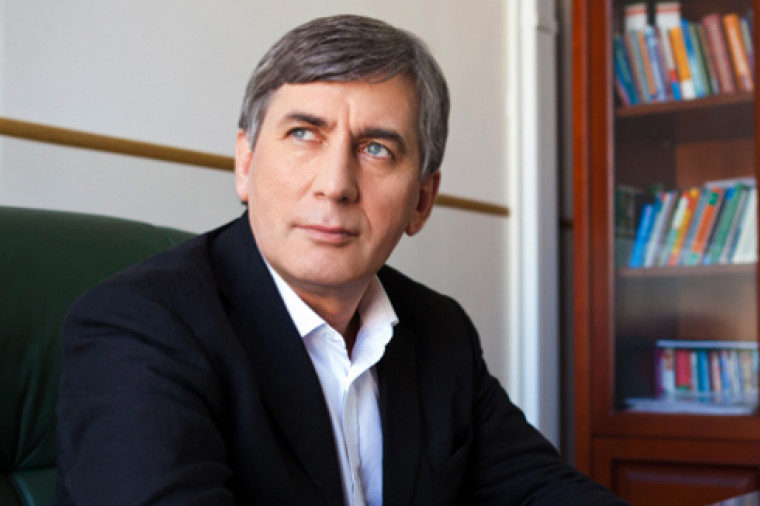
The ICJ today called for an end to criminal proceedings against Dagir Hasavov, a prominent Russian lawyer facing prosecution on allegations of obstruction of justice.
On 17 September, less than a week after lawyer Dmitriy Sotnikov was physically attacked in court, Dagir Hasavov was detained by police in the Lefortovo court building in Moscow. He was charged with “obstruction of justice” and “bribery or coercion to testify or evasion of giving evidence” (articles 294.1 and 309.4 of the Russian Criminal Code). On 18 September, Moscow Basmanny court authorised the detention of Hasavov until 16 November.
“There are strong indications that these charges are spurious and that the arrest of Dagir Hasavov is an attempt to obstruct him in carrying out his professional duties, and to prevent his clients from having a fair trial. The proceedings should be discontinued and he should be immediately released.” said Róisín Pillay, ICJ Europe and Central Asia Programme Director. “Such arrests also send a clear message of intimidation to other lawyers. Without urgent measures to end harassment of lawyers, the ability of the legal profession to protect human rights will be increasingly jeopardized”.
Dagir Khasavov represented the former Dagestan Prime Minister Abdusamad Hamidov, who was detained together with his deputy Rayudin Yusufov by the FSB in February 2018 as part of a special anti-corruption operation and was charged with multiple criminal offences, including embezzlement.
Prosecutors allege that Dagir Hasavov threatened Albert Havchaev, a witness in the trial, and attempted to coerce him to testify in court for the benefit of the defence. Hasavov’s home was also searched.
Eduard Isetskiy, another lawyer of the former Dagestan Prime Minister, has stated that after the arrest of Hasavov he and other colleagues were told by investigators that they would face similar prosecution. He added that towards the end of a trial, about a week before the Hasavov’s arrest, the State Prosecutor on the case was replaced and the courtroom became increasingly surrounded with armed and masked security forces. The new prosecutor called lawyers “extremists” and filed a motion to have all their social networks accounts blocked.
Any criminal proceedings against the lawyer amounting to harassment or reprisals for his professional activities would constitute not only an assault on the legal profession in the Russian Federation, but also a violation of the right to a fair trial, protected under international human rights law.
Moreover, international standards on the rights of lawyers, including the UN Basic Principles on the Role of Lawyers, provide that governments must ensure that lawyers “are able to perform all of their professional functions without intimidation, hindrance, harassment or improper interference” and “shall not suffer, or be threatened with, prosecution or administrative, economic or other sanctions for any action taken in accordance with recognized professional duties, standards and ethics.”
The ICJ stresses that these attacks, arrests and criminal proceedings that have been taking place in Russia lately, create a chilling effect on the proper exercise of professional duties by lawyers, endangering the right to a fair trial and undermining the justice system.
Additional information:
Dagir Hasavov is a prominent lawyer in Russia who has taken many cases dealing with allegations of religious extremism or terrorism. He has defended among others the Moscow imam Mahmud Velitov, convicted for justification of terrorism; the former representative of the President in Sakhalin oblast charged with extremism; several persons accused of participation in Hizb ut-Tahrir, the organization banned in Russia. He also represented pro bono the parents of a murdered 5-year-old Tajik girl Huvaido Tillozoda.
It has been reported that around 100 lawyers are joining together to defend Hasavov as the Russian legal community has realized the need for corporate solidarity in the face of the increasing threats to the security of lawyers and independence of the profession.
Sep 24, 2019 | Events, News
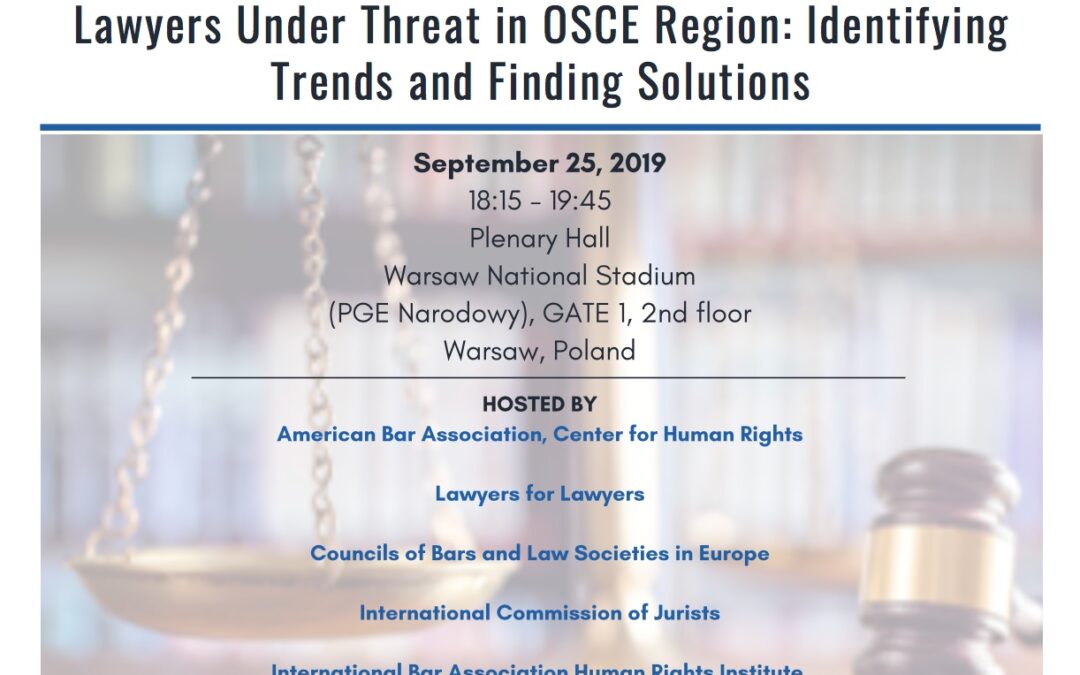
The side event aims to identify current threats against lawyers’ professional rights and guarantees in the OSCE region.
The speakers will identify and analyze the current trends through a discussion of recently gathered data and specific cases of violation of lawyers’ rights from Kyrgyzstan, Kazakhstan, Tajikistan, Moldova, Ukraine, Azerbaijan, Russia and Belarus. They will also make recommendations regarding the way forward to increase protection for lawyers and the independent legal profession in these countries and the OSCE region as a whole.
A flyer for the event is available here.
The agenda for the event available here.
Sep 20, 2019 | News
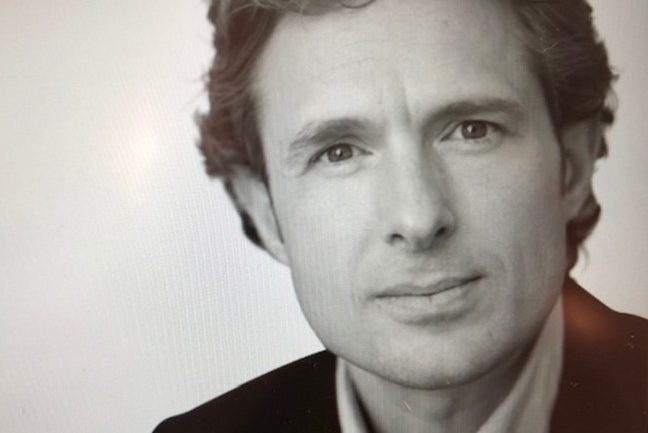
The ICJ today expressed concern at the killing of lawyer Derk Wiersum, who was shot on 18 September 2019 in broad daylight in front of his home in Amsterdam.
Derk Wiersum was representing a key witness for the prosecution in a high-profile criminal trial against 16 members of a criminal organization, accused of five murders and an attempted murder between 2015 and 2017.
The Netherlands’ counter-terrorism agency, NCTV, is leading a team of police and prosecutors carrying out an investigation into the killing; other lawyers and officials involved in the case have been put under emergency protection.
“The killing of a lawyer, apparently in connection with his work, raises serious concern both for security of lawyers and for the rule of law. We welcome the prompt measures taken by the Dutch authorities to initiate an investigation into this crime, which should lead to the identification and prosecution of the perpetrators. It is also crucial that measures be taken to ensure the safety of other lawyers and other individuals who may be at risk,” said Róisín Pillay, ICJ Europe Programme Director.
Dutch lawyers, prosecutors and judges have issued a joint statement expressing their shock and raising concern at the threat of this attack to the country’s legal system.
Additional information:
International human rights law, including the European Convention on Human Rights to which the Netherlands is a party, requires that States take steps to protect the life and physical integrity of persons who they know or ought to know are at real risk of violence.
According to the UN Basic Principles on the Role of Lawyers, governments must ensure that lawyers are able to perform all of their professional functions without intimidation, hindrance, harassment or improper interference (principle 16). The UN Basic Principles specify that “[w]here the security of lawyers is threatened as a result of discharging their functions, they shall be adequately safeguarded by the authorities” (principle 17).
Sep 20, 2019 | News
The ICJ has called on the Russian authorities to institute a thorough and independent investigation into the use of physical force against lawyer Dmitry Sotnikov by court officials and subsequently by the police on 12 September in two separate but linked incidents, and to hold accountable those responsible for the attacks.
The authorities should take effective measures to prevent such attacks in the future, and to ensure that lawyers are not prevented from representing their clients in accordance with law, the ICJ said.
“This use of physical force used against a lawyer solely because he tried to zealously defend his client is contrary to international human rights law and standards, including on the role of lawyers,” Temur Shakirov, Senior Legal Adviser of the ICJ Europe and Central Asia Programme said today.
“It is also of concern that Dmitry Sotnikov was not allowed to represent his client despite clear legal provisions under the law guaranteeing the right to independent legal advice and representation,” he added.
On 12 September, Dmitriy Sotnikov, a Moscow-based lawyer, came to Tula region to represent a client charged with drug trafficking in a hearing at the Novomoskovsk District Court.
Upon entering the courtroom, after having notified the judge that he would be 10 minutes late, Dmitriy Sotnikov reportedly announced that he represented his client Eduard Dolgintsev, presented his licence and a warrant of attorney; he was then told by the judge to sit down.
As he tried to ask one of the key witnesses a question, the judge told him she had never authorized his participation as a lawyer in the proceedings.
In response to this, Sotnikov referred to his rights of audience as a lawyer necessary to fulfill his duties as the legitimate legal representative of his client; however, the judge said Dmitriy Sotnikov was disturbing the court, ordered him to leave the courtroom, and then abruptly announced a recess.
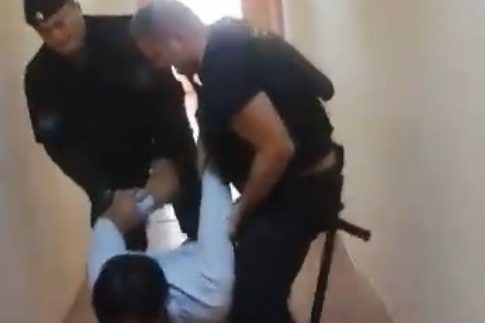
After the recess, Sotnikov was blocked by a court officer from entering the court room. When he attempted to enter the room again, he was pushed face down by the officer and handcuffed.
Thereafter, he was detained by the police, taken to a drug treatment centre, purportedly to ascertain whether he tested positive for drug use, and then brought to the investigative department for questioning.
Reportedly, later that night, after having spent eight hours in the local department of the Investigative Committee without being officially registered, Dmitriy Sotnikov inquired whether he was officially in custody.
On being told that he was not, he attempted to leave and was reportedly again attacked, this time by investigators, who beat him on the head and slammed a door shut on his fingers.
Sotnikov’s lawyer, Svetlana Zavodtsova – who had arrived at the local department of the Investigative Committee to represent Dmitriy Sotnikov – was recording on video on her mobile phone which was taken from her by force while the video of the incident she had recorded was deleted.
The ICJ stresses that in order to fulfill their function lawyers must be able to act without fear and free from fear of reprisals of any kind.
“No justice can be delivered unless the parties to the court process are fully protected and lawyers are able to discharge their functions without harassment, or attack”, Shakirov added. It is now essential for the credibility of the judicial system that the assaults against Dmitry Sotnikov is promptly, thoroughly and independently investigated and that those responsible are brought to justice, the ICJ emphasized.
Additional information
The UN Basic Principles on the Role of Lawyers in its Article 19, specify that “[n]o court or administrative authority before whom the right to counsel is recognized shall refuse to recognize the right of a lawyer to appear before it for his or her client unless that lawyer has been disqualified in accordance with national law and practice and in conformity with these principles”.
Under Article 49.4 of the Criminal Procedure Code of the Russian Federation a lawyer is recognized as the legitimate legal representative of a defendant in a criminal case upon presenting her or his licence and a warrant of attorney; once this is done lawyers enjoy the rights of audience necessary to fulfill their professional duties.
Dmitriy Sotnikov has reportedly sustained injuries from both incidents, and is presently on sick leave undergoing medical treatment for the same.
The ICJ has previously raised concerns at violence and intimidations against Russian lawyers.

![Smoke rises after an Israeli air strike on the village of Taybeh in southern Lebanon [Source: Al Jazeera]](https://www.icj.org/wp-content/uploads/2026/03/Screenshot-2026-03-20-at-15.56.24-300x200.png)