Nov 16, 2018 | News
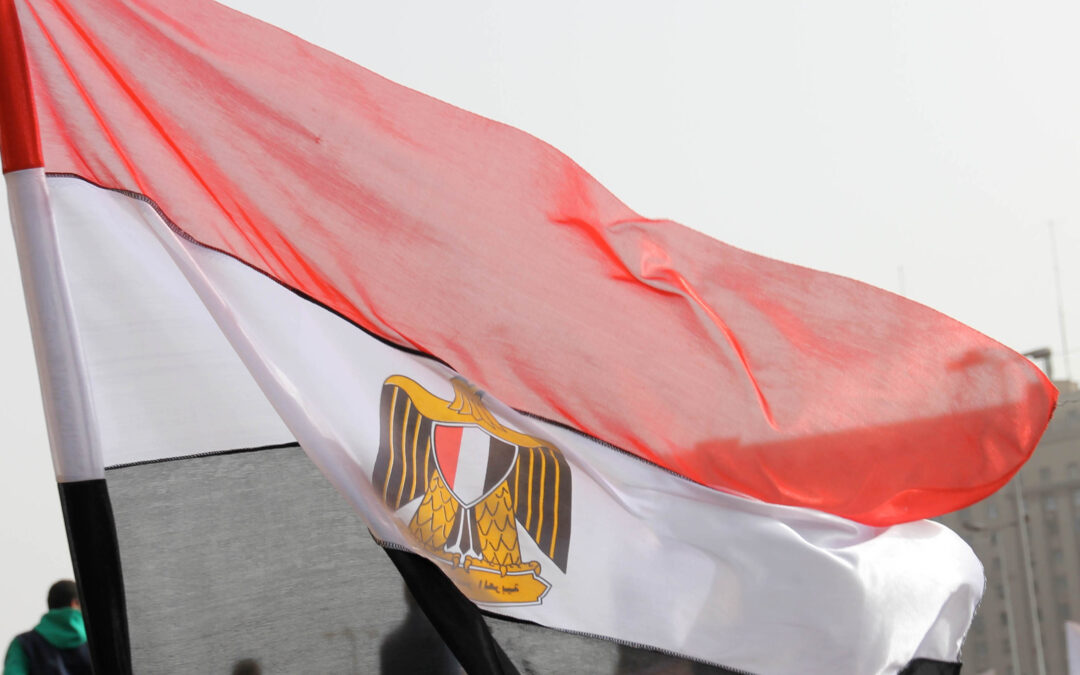
The South Cairo Criminal Court’s conviction and sentencing on 11 November 2018 of Assistant Detective Mohamed Sayed Abdel Halim and Police Officer Mohamed Ahmed Salem to three years and six months’ imprisonment respectively for conduct involving the torture and killing of 22-year-old Mohamed Abdel-Hakim Mahmoud does not amount to justice for the crimes against him, the ICJ said today.
The ICJ called on prosecutors to consider options for appeal or new charges that could hold the perpetrators properly to account for serious crimes, with sanctions appropriate to the gravity of their conduct and in line with international law.
The two officers apparently unlawfully arrested Mohamed Abdel-Hakim Mahmoud, otherwise known as “Afroto,” on 5 January 2018 and subjected him to severe beatings and other torture, as a result of which he died.
The Court convicted Abdel Halim of “beating that led to death,” a crime that carries a sentence of three to seven years’ imprisonment under Article 236 of the Egyptian Penal Code, and Salem of “light beating.”
“The low sentences imposed by the Court are completely disproportionate to the conduct of the perpetrators, who beat Afroto, threw him into a cell and then beat him again when he complained he was unable to breath. The perpetrators should have been held accountable for their true criminal conduct, which included torture and murder in police custody,” said Kate Vigneswaran, Senior Legal Adviser of the ICJ MENA Programme.
“The Egyptian authorities’ consistent efforts to immunize public officials from real accountability denies the victims and their families their right to redress and reinforces the Egyptian people’s increasing lack of trust in the Egyptian government and judicial system,” she added.
The definition of torture under Article 126 of the Egyptian Penal Code only establishes liability for torture for the purpose of obtaining a “confession” against a suspect, falling far short of the standard required by the Egyptian Constitution and the Convention Against Torture (CAT), which contemplate torture being undertaken for any number of purposes. The Penal Code also imposes penalties—hard labour and the death penalty—inconsistent with human rights, including for torture and murder.
“Egypt should amend the Penal Code to prohibit all forms of torture and abolish the death penalty and hard labour,” said Kate Vigneswaran.
“The authorities are obligated under international law to ensure effective justice for crimes committed by public officials by charging them with crimes and imposing sentences reflecting their criminal conduct. Legislative reform is needed to both ensure accountability for victims and uphold the rights of perpetrators,” she added.
Contact:
Kate Vigneswaran, Senior Legal Adviser, ICJ Middle East and North Africa Programme, m: +31 624894664, e: kate.vigneswaran@icj.org
Egypt-Afroto Verdict-News-2018-ENG (full story with additional information, in PDF)
Nov 16, 2018 | Новости, Статьи
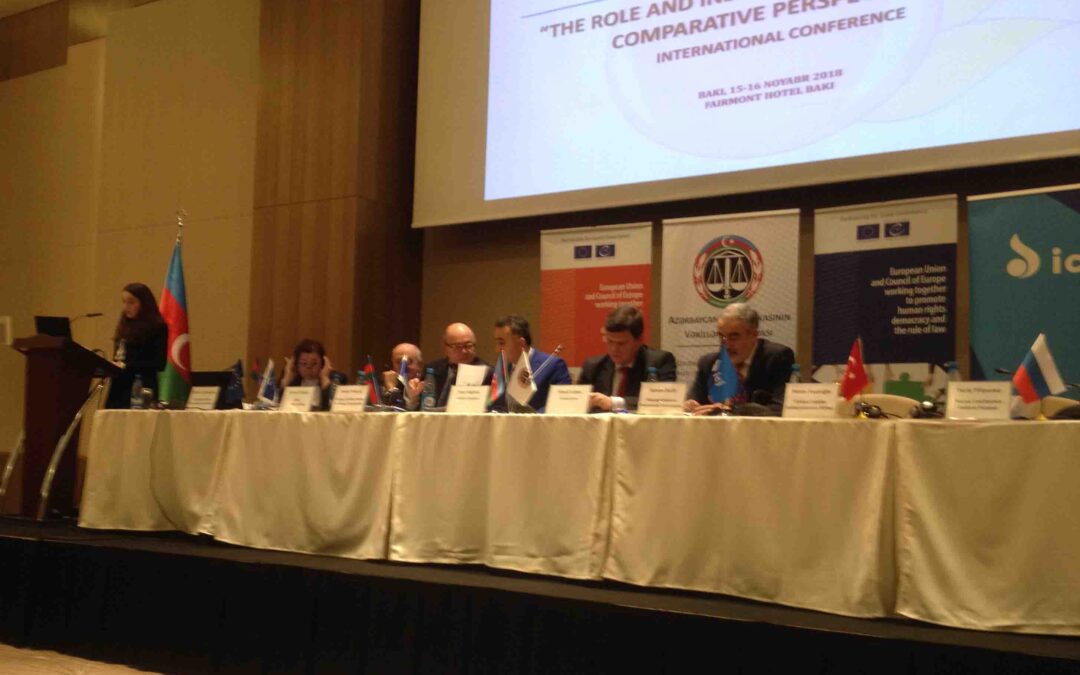
15 и 16 ноября МКЮ совместно с Советом Европы (СЕ) и Коллегией адвокатов Азербайджана (КА) проводит в Баку международную конференцию, посвященную «роли и независимости адвокатов: сравнительные подходы».
Данная конференция является первым мероприятием, посвященным роли и независимости адвокатуры, которая организуется в стране. В рамках конференции международные эксперты и представители адвокатских ассоциаций целого ряда стран, в том числе Совета Европы и Центральной Азии, а также представители международных организаций, обсудят сравнительные подходы к управлению адвокатурой и ее роли.
В рамках выступлений будут освещены различные взгляды на те требования и условия, которым должны соответствовать адвокаты при выполнении своей профессиональной обязанности по защите прав человека в отношении доверителей.
В частности, участники Конференции рассмотрят вопрос об организации и управлении адвокатурой, адвокатской этике и аттестации адвокатов.
Контакты:
Тимур Шакиров, старший правовой советник, Программа по Европе и Центральной Азии
temur.shakirov(a)icj.org
Azerbaijan-Conference Independence Lawyers-News-Agenda-2018-RUS
Azerbaijan-Conference Independence lawyers-News-Agenda-2018-AZE
Прямая трансляция: https://www.youtube.com/watch?v=POVlaKXjUrg&feature=youtu.be
Nov 16, 2018 | News
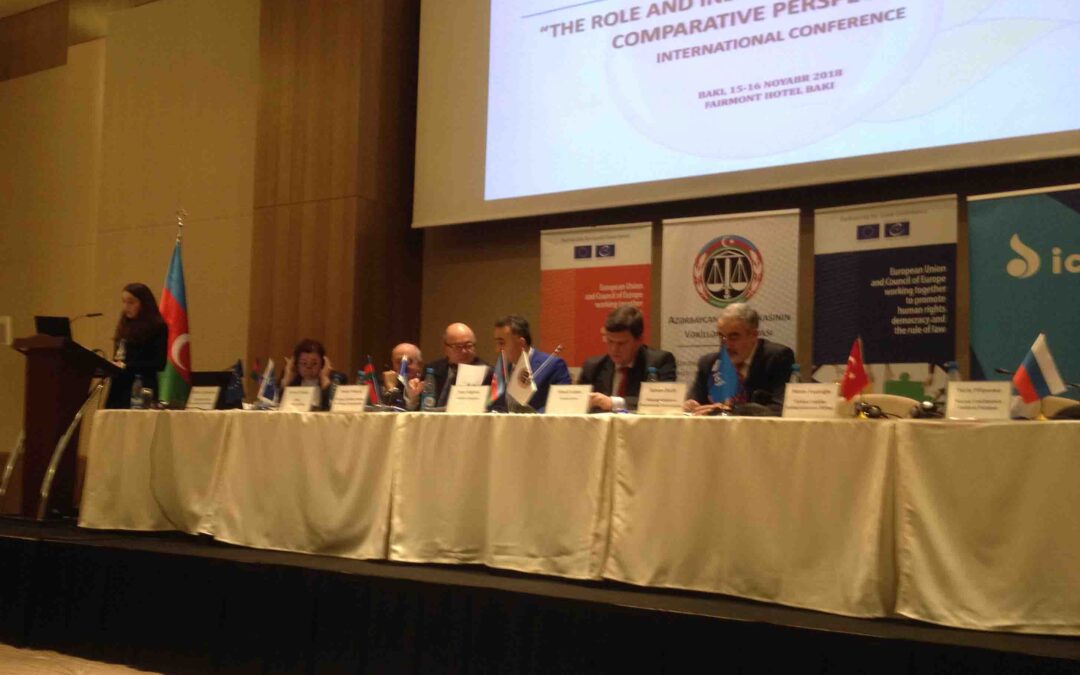
On 15 and 16 November, the ICJ, jointly with the Council of Europe (CoE) and the Azerbaijan Bar Association (ABA), is holding an international conference in Baku on “the Role and Independence of Lawyers: comparative perspectives”.
The conference, which is the first such event on the role and independence of the legal profession organized in the country, aims to bring together perspectives on the governance and role of the legal profession from international experts and representatives of bar associations from a wide range of countries, including the Council of Europe countries, Central Asian as well as representatives of international organizations.
The interventions provide a comparative view on the conditions and requirements that lawyers should comply with while carrying out their professional duty of protection of human rights of their clients.
Participants of the Conference will address in particular the organization and governance of the legal profession, lawyers’ ethics and qualification of lawyers.
Contact:
Temur Shakirov, Senior Legal Adviser, Europe and Central Asia Programme, temur.shakirov@icj.org
Live cast: https://youtu.be/POVlaKXjUrg
Azerbaijan-Conference Independence Lawyers-News-Agenda-2018-ENG (Agenda of the Conference, in PDF)
Nov 15, 2018 | News
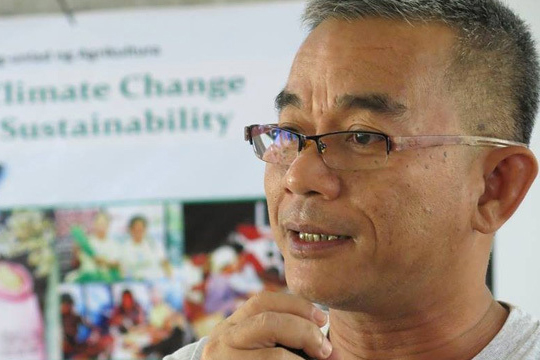
The ICJ and the Alternative Law Groups (ALG) today called on the Government of the Philippines to take immediate and effective action to addressing the apparently unlawful killing of Benjamin ‘Ben’ Ramos, a prominent lawyer and a founder of the National Union of People’s Lawyers (NUPL).
Benjamin Ramos was shot by two unidentified men in the public plaza of Barangay 5, Kabankalan City on 6 November 2018.
The ICJ and ALG call on the Government of the Philippines to conduct a thorough, prompt, impartial, and independent investigation into the killing of Benjamin Ramos.
Benjamin Ramos, in his work with the NUPL, had previously provided legal assistance to the families of the victims of the ‘Sagay 9 massacre’, which involved the killing of nine sugarcane farmers from the National Federation of Sugar Workers by unidentified armed men on 20 October 2018 in Negros Occidental, a province in the central part of the Philippines.
Given the sensitive nature of the work of Benjamin Ramos, which involved confronting powerful interests, it is important that any investigation consider the suspected links between that work and his killing.
“It is essential for the proper and effective functioning of the administration of justice that lawyers are kept safe as they fulfill their duties to protect the rights of their clients and promote the cause of justice,” said Emerlynne Gil, ICJ’s Senior International Legal Adviser.
As affirmed by the UN Basic Principles on the Role of Lawyers, governments must ensure that lawyers are able to perform all their professional functions without “intimidation, hindrance, harassment or improper interference.” In addition,“[w]here the security of lawyers is threatened as a result of discharging their functions, they shall be adequately safeguarded by the authorities”.
The organizations note that there have been at least thirty-four (34) lawyers killed since 2016, under the administration of President Rodrigo Duterte.
“The rising number of killings of lawyers is very concerning and alarming; it is an attack not only on individual lawyers but on the justice system as whole. The Philippine government must take immediate and proactive measures to ensure the safety of lawyers as they conduct their professional duties,” said Maria Generosa Mislang, National Coordinator of ALG.
Contact:
Emerlynne Gil, ICJ Senior International Legal Adviser, t: +662 619 8477 (ext. 206) ; e: emerlynne.gil(a)icj.org
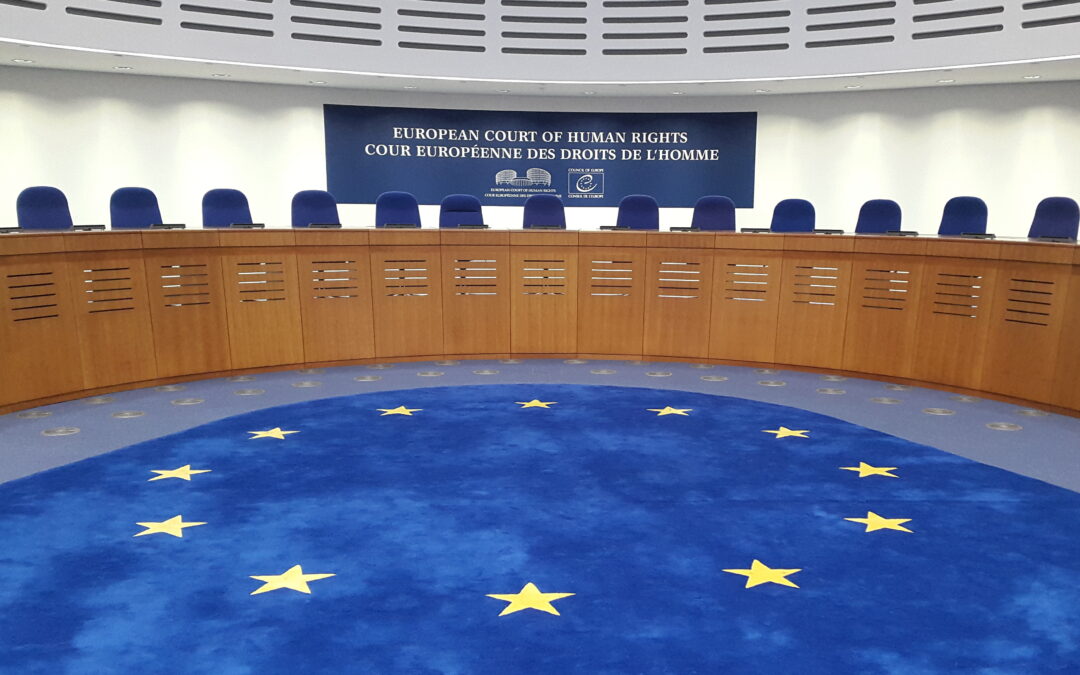
Nov 14, 2018 | Advocacy, Cases, Legal submissions
The ICJ intervened today before the European Court of Human Rights in the cases of a judge and a scholar that were arrested in the wake of the state of emergency in Turkey.
Mr Hakan Baş is a judge who was dismissed and arrested under emergency legislation following the attempted coup of 15 July 2016.
Mr Seyit Ali Ablak is a teacher and was arrested in 2017 also during the state of emergency declared following the attempted coup.
They claim, among others, the violation of their right to a judicial review of detention under articles 5.3 and 5.4 of the European Convention on Human Rights (ECHR).
In this intervention, the ICJ addressed the following issues:
- the international legal and normative framework on the independence of the judiciary and the role of judges, in particular in implementation of obligations under articles 5.3 and 5.4 ECHR;
- the current situation of the independence, governance and administration of the judiciary in Turkey, with particular regard to the Council of Judges and Prosecutors and the role of the peace judges, and their conformity with State obligations under articles 5.3 and 5.4 ECHR. The situation will be assessed with reference to the findings of an ICJ mission undertaken in May 2018 and contained in the mission report Justice Suspended.
Turkey-icj-Bas-Advocacy-legal submission-2018-ENG (download the intervention in Baş v. Turkey)
Turkey-icj-Ablak-Advocacy-legal submission-2018-ENG (download the intervention in Ablak v. Turkey)