Jun 10, 2013 | Agendas, Events
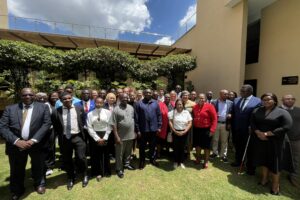
On Friday 7 June 2013, the ICJ convened a parallel event during the Human Rights Council’s 23rd regular session held in Geneva.
The event, held in Room IX of the Palais des Nations, addressed key issues concerning past and present challenges to the rule of law in Zimbabwe in the context of the upcoming elections and the need for the international community to remain vigilant about the necessity for free, fair and peaceful elections in the country. The event was chaired by Martin Okumu-Masiga, Deputy Director of the ICJ’s Africa Regional Programme. Panelists were MacDonald Lewanika, Director of Crisis Coalition; Okay Machisa, Director of the Zimbabwe Human Rights Association; and Irene Petras, Executive Director of Zimbabwe Lawyers for Human Rights.
Zimbabwe is scheduled to hold general elections before the end of 2013. Past elections in the country have been marred by violence and attacks on human rights defenders and the rule of law more generally. In the period leading to the 2013 elections, there have been several incidents of crackdown on political dissents and independent voices. The impunity enjoyed by past and current perpetrators electoral violence has continued to exacerbate fears for the integrity, peaceful conduct and fairness of the upcoming elections.
Zimbabwe-HR Council side event on elections in Zimbabwe-event-2013 (event flyer in pdf)
ICJ draws attention to risks of violence in the forthcoming general elections in Zimbabwe
Jun 3, 2013
The ICJ has forwarded information to the Special Rapporteur on the promotion and protection of the right to freedom of opinion and expression concerning signs of impending violence surrounding the general elections to be held in Zimbabwe.
In statement prepared for an interactive dialogue with the Special Rapporteur on the promotion and protection of the right to freedom of opinion and expression, Mr Frank La Rue, the ICJ drew attention to current and possible further attacks against political dissent or non-aligned opinions. As well as drawing attention to tensions between the newly promulgated Constitution of Zimbabwe and existing repressive laws affecting the freedom of expression, the ICJ called on the Council and the Special Rapporteur to urge Zimbabwe to:
- Ensure the effective and unimpeded exercise of freedom of expression before, during and after the general elections to be held by the end of this year;
- Amend or repeal all laws restricting the freedom of expression; and
- Establish mechanisms to prevent and address partisan conduct by police and intelligence officers.
The statement was to have been delivered under Item 3 (promotion and protection of all human rights) of the agenda of the Human Rights Council’s 23rd regular session (27 May to 14 June 2013). Due to restrictions in the time available under the debate, the oral statement could not be delivered during the session of the Council.
Zimbabwe-HRC23-OralStatementFOE-LegalSubmission-2013 (download statement in PDF)
May 31, 2013
The ICJ has forwarded to the Special Rapporteur on the rights to the freedom of assembly and association information concerning recent attacks on peaceful demonstrators and against political activists in Angola and the Democratic Republic of Congo (DRC).
In a statement prepared for an interactive dialogue with the Special Rapporteur on the rights to the freedom of assembly and association, Mr Maina Kiai, the ICJ drew attention to recent attacks in Angola and the DRC, many of which have resulted in indiscriminate assaults, arbitrary arrests, unlawful detention, and in some instances extrajudicial killings, with perpetrators enjoying impunity. Citing recent examples of such attacks, the ICJ called on the Special Rapporteur and the Council to urge the governments of Angola and the DRC to:
- Put an end to such attacks;
- Ensure adherence to fair trial rights in cases where demonstrators are charged with offences; and
- investigate, and where appropriate prosecute, all those responsible for human rights violations against those exercising their rights to the rights to freedom of assembly and association.
The statement was to have been delivered under Item 3 (promotion and protection of all human rights) of the agenda of the Human Rights Council’s 23rd regular session (27 May to 14 June 2013). Due to restrictions in the time available under the debate, the oral statement could not be delivered during the session of the Council.
Angola-DRC-HRC23-OralStatementFOE-LegalSubmission-2013 (download ICJ oral statement in full)
Apr 30, 2013
The ICJ has submitted to the Human Rights Committee information in preparation for the Committee’s examination of the initial report of Malawi under the International Covenant on Civil and Political Rights (ICCPR).
During its session in July 2013, the Committee is to adopt a List of Issues for the examination in 2014 of the initial report of Malawi under the ICCPR. The ICJ’s submission raises issues and suggested questions to be put to the Government of Malawi in preparation for the examination in 2014. The ICJ’s submission addresses:
- Malawi’s obligation to give effect to the provisions of the ICCPR;
- The right to life;
- The prohibition against torture and other ill-treatment;
- Conditions of detention;
- Rights to privacy and non-discrimination, focusing on the situation of lesbian, gay, bisexual and transgender persons; and
- Right to family.
Malawi-HRCttee108-LOl-LegalSubmission-2013 (download submission in PDF)
Mar 25, 2013 | News
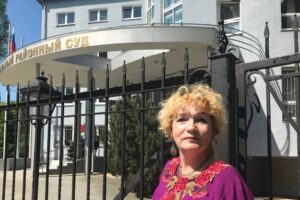
Beatrice Mtetwa was eventually released today after mounting pressure from human rights groups and legal bodies, including the ICJ.
High Court Judge Joseph Musakwa finally decided to grant bail to Beatrice Mtetwa, under three conditions: that she deposits $500, that she resides at the given address and that she does not interfere with the ongoing investigations.
The ICJ believes that the politically-motivated harassment against Mtetwa is a threat to the legal profession in Zimbabwe – intended to alarm lawyers and intimidate them from providing independent representation.
Beatrice Mtetwa was arrested after attempting to come to the aid of her clients, Thabani Mpofu, Felix Matsinde, Anna Muzvidziwa and Worship Dumba, all MDC-T members, the opposition party.
The government has cracked down hard on dissidents as Zimbabwe approaches presidential elections.