Jun 25, 2010
The principles of equality and non-discrimination are fundamental tenets of international human rights law, and stand at the heart of international human rights protection.
It is clear that as long as law does not promote and protect women’s equality and as long as law that discriminates against women exists, progress in relation to guaranteeing women’s human rights can only go so far. Although there is no silver bullet to ending all discrimination against women reform of law that discriminates against women and the development and enactment of law that promotes and protects their equality is a critical step.
Women’s inequality before the law and in the administration of justice persists throughout the world and effects women in all countries, of all ages, and in all aspects of their lives. The lack of progress that has been made on this issue, despite repeated international commitments and widely ascribed-to international legal commitments, is widely acknowledged to be appalling.
Law is a formal expression of State policy. Without equality before the law and equal access to justice women have no recourse when they face discrimination in all aspects of their lives.
ICJ Non-Paper: Women’s Equality Before the Law: New Independent Expert of the UN Human Rights Council
Jun 22, 2010 | Agendas
On 21-22 June 2010, the ICJ in collaboration with the UN High Commissioner on Human Rights organized an Expert Consultation on a proposed Optional Protocol to establish a communication procedure to allow for children who are victims of human rights violations to seek a remedy before the UN Committee on the Rights of the Child. Participants in the meeting included the Chairperson and Vice-Chairperson of the Committee on the Rights of the Child and the Chairperson-Rapporteur of the Open-Ended Working Group on an Optional Protocol. The UN Open-Ended Working Group on an Optional Protocol to the Convention on the Rights of the Child will next meet in December 2010 to discuss a draft text presently being prepared by the Chairperson-Rapporteur of the Open-Ended Working Group, Mr. Drahoslav Stefane.
Switzerland-expert consultation CRC-agenda-2010 (full text in English, PDF)

Jun 1, 2010
 The ICJ emphasised that impunity for companies that choose to act irresponsibly can only promote more violations.
The ICJ called for more attention to legal remedies for victims of corporate abuse in the context of the interactive dialogue with the Special Representative of the Secretary General on the issue of human rights and transnational corporations.
Dialogue rights enterprises-analysis brief-2010 (full text in English, PDF)
Apr 22, 2010
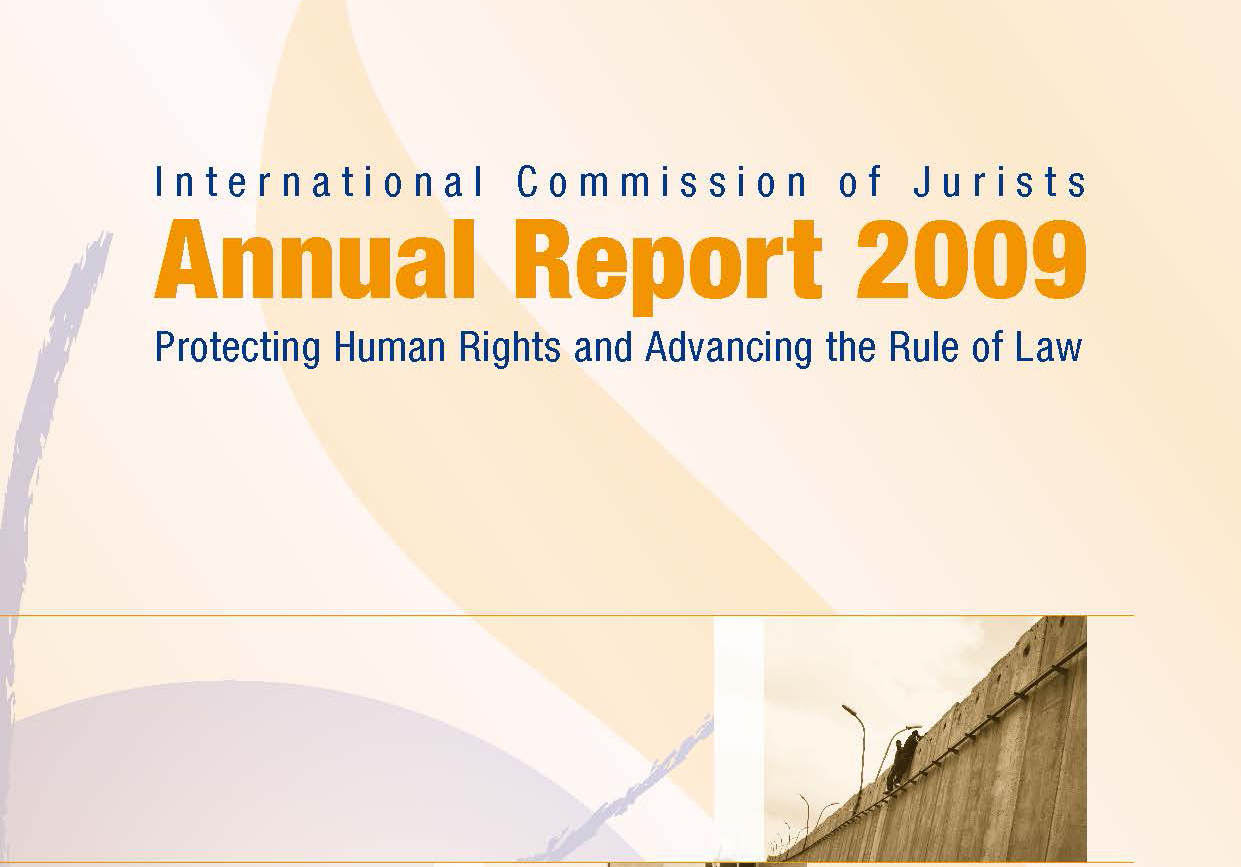 ICJ releases its Annual Report 2009. Foreword by Wilder Tayler, ICJ Secretary General.
Apr 1, 2010
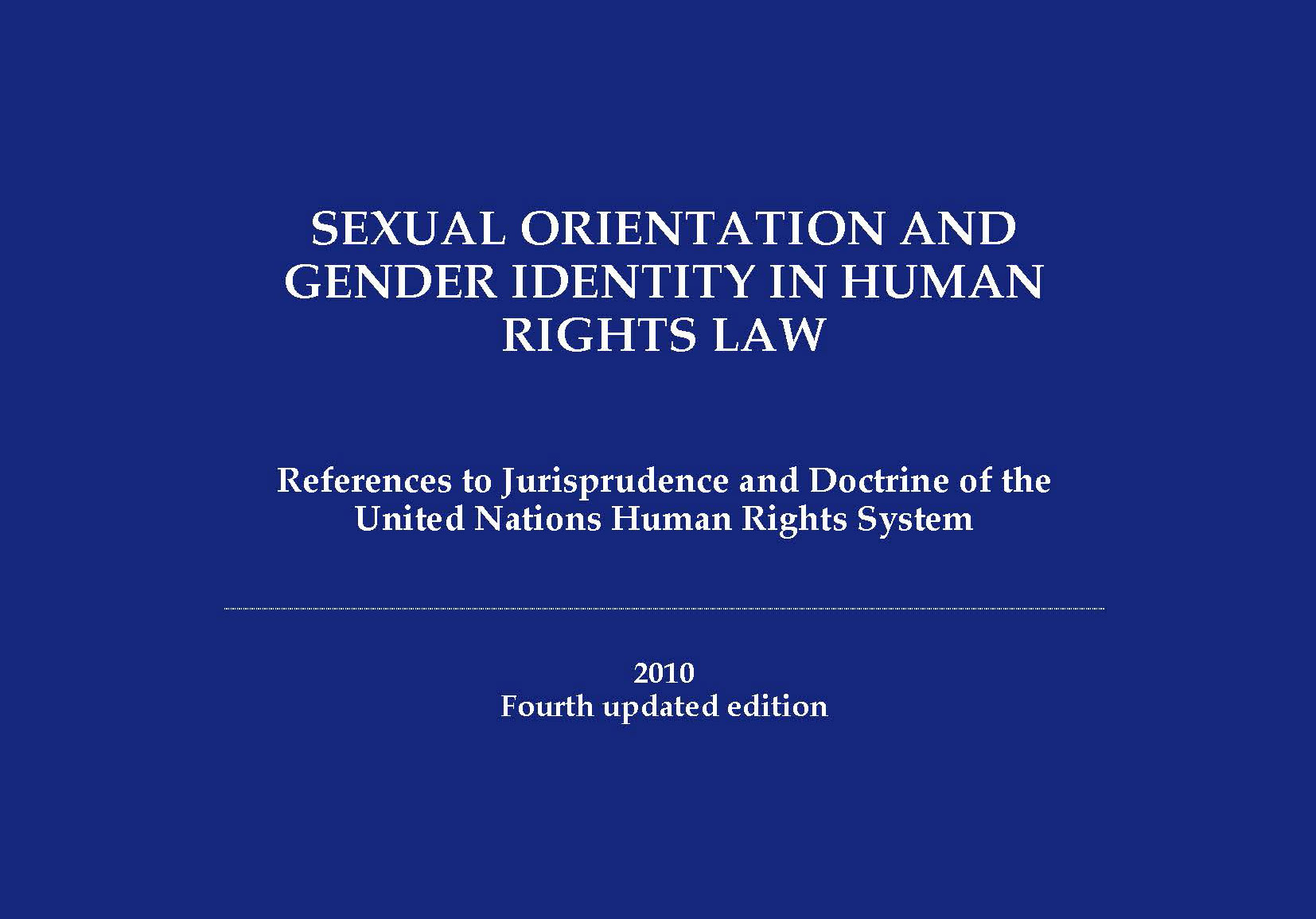 This is the fourth edition of references to sexual orientation and gender identity within the United Nations human rights system.
It is a comprehensive collection of jurisprudence, general comments, concluding observations, and reports from human rights treaty bodies and independent experts (also known as Special Procedures) of the UN Charter-based system.
In addition, it includes:
- speeches and press releases from the Office of the High Commissioner for Human Rights;
- the Joint Statement on Human Rights, Sexual Orientation and Gender Identity, signed by 66 States and presented to the General Assembly in December 2008; and
- excerpts from the UNHCR Guidance Note on Refugee Claims Relating to Sexual Orientation and Gender Identity.
This UN compilation covers the time period January 2007 through March 2010.
sexual orientation gender identity law UN human rights system-publication-2010

![Smoke rises after an Israeli air strike on the village of Taybeh in southern Lebanon [Source: Al Jazeera]](https://www.icj.org/wp-content/uploads/2026/03/Screenshot-2026-03-20-at-15.56.24-300x200.png)