Three years after the entry into force of Thailand’s Prevention and Suppression of Torture and Enforced Disappearance Act B.E. 2565 (2022), victims and families continue to face significant obstacles in accessing justice and remedies.
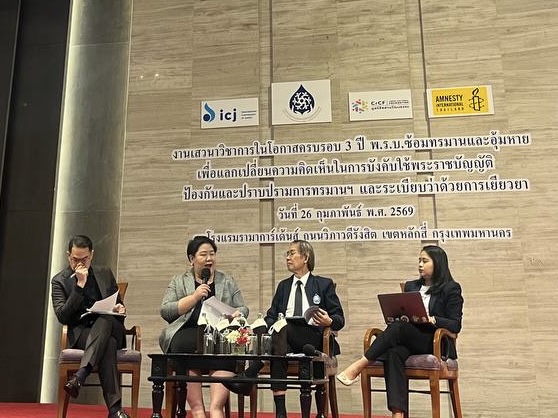
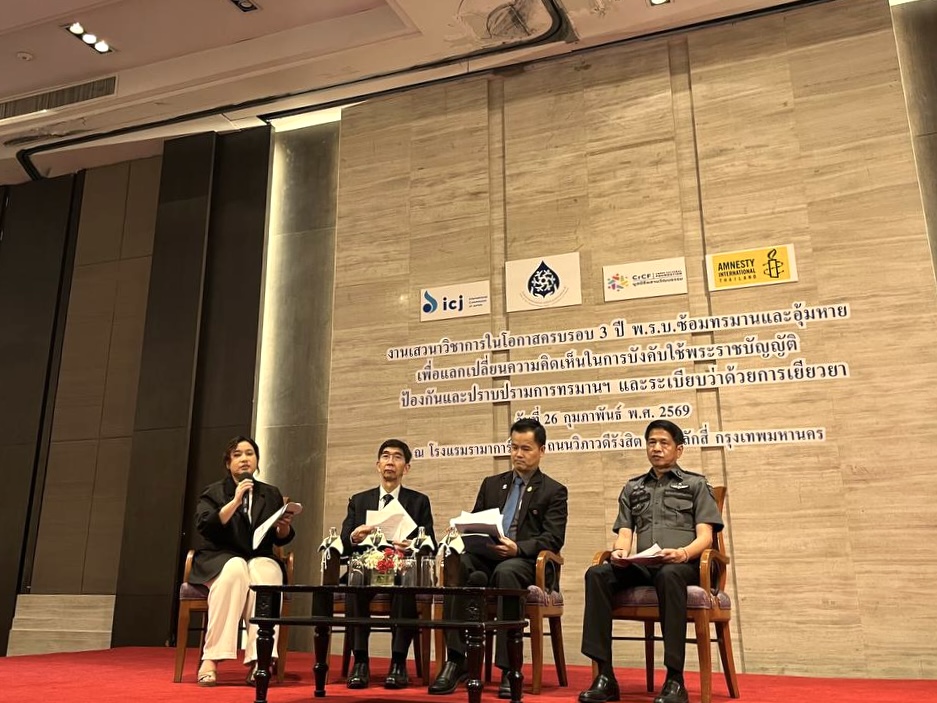
On 25–26 February 2026, the ICJ, together with the National Human Rights Commission of Thailand (NHRCT), Cross Cultural Foundation (CrCF), and Amnesty International Thailand, co-organized a two-day event in Bangkok, entitled “Three Years against the Tide, Hope Is Still Alive”, marking the third anniversary of the Act’s entry into force.
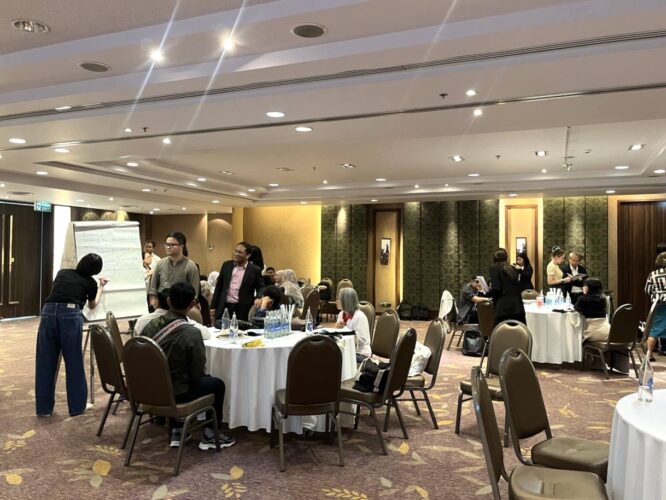
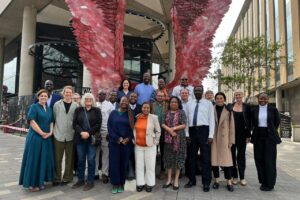
The event was aimed at assessing progress and identifying persistent challenges in the implementation of the Act three years after its entry into force, discussing obstacles to justice and effective remedies, and exploring concrete steps to strengthen accountability and support for those affected. The first day brought together 50 participants for a closed-door workshop, including representatives from civil society organizations, victims and survivors of torture, ill-treatment, and enforced disappearance, and their families, alongside an official from the Ministry of Justice, a psychological expert, and a lawyer representing victims.
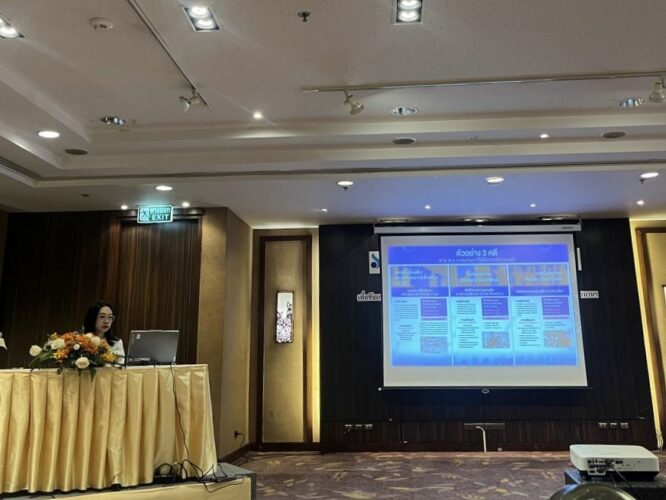
Thansuda Norkaew, Director of the Prevention and Suppression of Torture and Enforced Disappearance Office under the Rights and Liberties Protection Department, Ministry of Justice, underscored the newly established State responsibilities regarding assistance, remedies, and rehabilitation for victims, including under the Regulation of the Committee on the Prevention and Suppression of Torture and Enforced Disappearance on Assistance, Remedies and Rehabilitation for Victims B.E. 2568 (2025).
These regulations empower the Committee to provide initial financial compensation ranging from THB 100,000 to 500,000 (approximately USD 3,060–15,300) for victims of torture, ill-treatment, and enforced disappearance, as well as non-monetary support — including rehabilitation, restitution, legal and social assistance, guarantees of non-recurrence, and measures of satisfaction such as public apologies.
Participants underscored the substantial difficulties in accessing such remedies and reparations. These challenges include the lack of progress in cases already submitted — particularly enforced disappearance cases that occurred before the law entered into force but where the fate and whereabouts of victims remain unknown, despite the law recognizing the continuing nature of the crime. These difficulties are further compounded by high evidentiary thresholds where victims are required to establish the involvement of State authorities to be entitled to reparation—information which is not easily accessible to victims and their families.
The second day brought together some 100 participants, including representatives from State agencies, law enforcement and security bodies, public health and mental health institutions, civil society organizations, and victims and families affected by torture and enforced disappearance. A dedicated session, Voices of Survivors, provided opportunities for victims and families of disappeared to share their experiences. They shared accounts of the devastating and lasting impact of torture, ill-treatment, and enforced disappearance in their lives.
Other challenges faced in implementation of the Act include: delays in investigations and prosecutions; instances where authorities placed the burden of proving both the crime and State involvement on victims and their lawyers; difficulties in securing evidence; inadequate witness protection; and the failure to provide for prompt, adequate, and comprehensive remedies and reparations. Practical obstacles in investigations, prosecutions, and the delivery of remedies, with particular attention to cross-border cases and the limited progress on cases recorded by the UN Working Group on Enforced and Involuntary Disappearances were highlighted by the speakers.
Further reading
Contacts
Sanhawan Srisod, Senior Legal Adviser, Legal and Policy Office, e: sanhawan.srisod@icj.org
Saovanee Kaewjullakarn, Associate Legal Adviser, ICJ Asia and the Pacific Programme, e: saovanee.kaewjullakarn@icj.org