Apr 30, 2018 | Comunicados de prensa, Noticias
La CIJ enumera varias consideraciones y recomendaciones para asegurar la elección de un Fiscal General independiente.
La CIJ expresa:
1. La Junta Proponente para la elección del Fiscal General deberá llevar a cabo un proceso público y transparente, con el objeto de devolver al pueblo de Honduras la credibilidad en la justicia y presentar al Congreso Nacional una nómina de 5 personas seleccionadas por razones fundadas en méritos de capacidad, idoneidad, independencia, integridad moral y honestidad. En la segunda fase, el Congreso Nacional también deberá de implementar un proceso público y transparente, que permita nuevamente la fiscalización por parte de la sociedad hondureña del proceso de elección de la cabeza del Ministerio Público.
2. En la primera fase, la Junta Proponente debería utilizar las herramientas del perfil, tabla de gradación y entrevista pública, con el objeto de determinar a fondo si la o el profesional reúne las condiciones para ser preseleccionada por razones fundadas en méritos de capacidad, honestidad, independencia, integridad moral e idoneidad y no únicamente por predilecciones o prejuicios. La CIJ ha podido constatar en procesos similares anteriores, que la Junta Proponente cumple con los requerimientos formales, pero no hace un esfuerzo para seleccionar a los mejores candidatos y cumplir así con los estándares internacionales sobre el fondo de la elección, y en particular las Directrices sobre las funciones de los fiscales, de las Naciones Unidas.
3. Dado el controvertido desempeño en la función del actual Fiscal General, la CIJ considera que no es recomendable su reelección, toda vez que existen legítimas y serias dudas de que no reúna las condiciones establecidas por los estándares internacionales. En este sentido, es necesario e importante, investigar y definir si el Fiscal General actual, actuó con absoluta independencia y honestidad durante su gestión.
4. La Junta Proponente y el Estado de Honduras deben asegurar que el proceso de elección del próximo Fiscal General en todas sus fases, garantice una elección de personas únicamente basada en méritos, idoneidad y competencia profesional e integridad moral y honestidad y no en predilecciones o prejuicios. Ello constituye una salvaguarda fundamental para una recta e independiente administración de justicia y para evitar riesgos de parcialidad del Fiscal General.
5. Al respecto la Comisión Interamericana de Derechos Humanos (CIDH) también ha reconodido la importancia de que los Estados establezcan salvaguardas para evitar las negociaciones entre partidos políticos. La CIJ considera que estas salvaguardas serían necesarias y apropiadas para la actual elección, tomando en cuenta que en Honduras las negociaciones entre partidos políticos, son una práctica constante y reiterada en estos procesos;
6. Si bien es importante la presencia de la Sociedad Civil en la Junta Nominadora, la CIJ pudo constatar que existen razones fundadas para cuestionar dicha participación, por tratarse de un proceso de participación viciado. Así lo ha declarado la Sala Constitucional, al resolver con lugar la inconstitucionalidad de la reforma de la Ley del Ministerio Público, que habilitaba la participación de un representante de la sociedad civil en la Junta Proponente.
7. En tal sentido, la CIJ considera que la Junta Proponente debería ceñirse a lo establecido en la Ley con respecto a la integración de la dicha Junta. El Presidente de la Junta Proponente debería verificar que todos los miembros de dicha Junta, sean idóneos para integrarla y que cuenten con las calificaciones jurídicas apropiadas, para llevar a cabo tan importante misión con transparencia, independencia, imparcialidad y honestidad.
8. La CIJ insta a la Misión de Apoyo contra la Corrupción y la Impunidad en Honduras (MACCIH), que lleve a cabo una investigación profunda acerca de este proceso y para determinar el cumplimiento de los estándares internacionales, cuyo respeto constituye la principal garantía para que el próximo Fiscal General, sea una persona independiente y electa en base a méritos y no por preferencias.
Ramón Cadena, Director de la CIJ para Centro América expresó: “La o el Fiscal General es una autoridad pública que en nombre de la sociedad y del interés público, debe asegurar la aplicación de la ley y perseguir los delitos. Por ello, el Estado de Honduras debe llevar a cabo un proceso que permita culminar con la elección de un Fiscal General independiente y designado por razones fundadas en méritos y no en predilecciones, y que reuna las condiciones exigidas por los estándares internacionales.”
Apr 29, 2018 | News
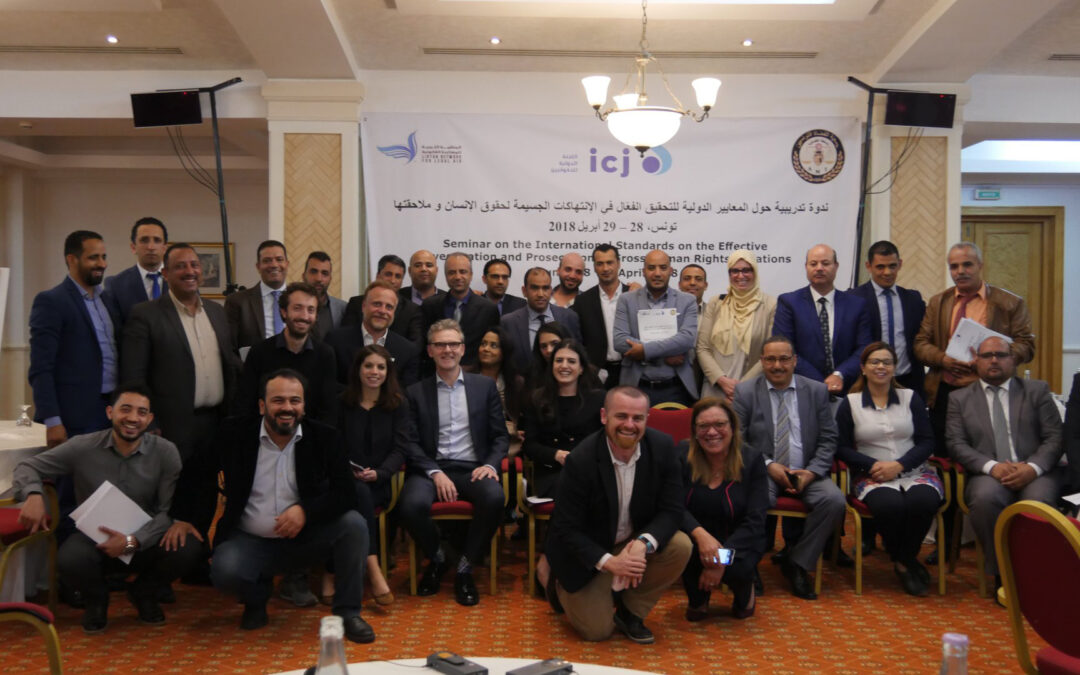
Between 28 and 29 April 2018, the ICJ co-hosted a Seminar for judges and prosecutors from Tunisia and Libya on the international law and standards that apply to the investigation and prosecution of gross human rights violations.
The participants included more than 30 judges and prosecutors from different regions in Tunisia and Libya.
The Seminar was co-hosted with the Associations des Magistrats Tunisiens (AMT) and the Libyan Network for Legal Aid.
The event commenced with opening remarks by ICJ Commissioner, Justice Kalthoum Kennou of Tunisia.
Kingsley Abbott, Senior Legal Adviser at the ICJ, delivered a comprehensive overview of the international human rights law and standards that apply to the duty to investigate gross human rights violations.
He noted in particular that investigations of potentially unlawful deaths play a key role in accountability by upholding the right to life, which is guaranteed by Article 6 of the International Covenant on Civil and Political Rights.
He then introduced the revised Minnesota Protocol on the Investigation of Potentially Unlawful Death (2016), which sets out a common standard of performance in investigating potentially unlawful deaths or suspected enforced disappearance and a shared set of principles and guidelines for States, as well as for institutions and individuals who play a role in the investigation.
The revised Minnesota Protocol formed part of the core materials referred to at the Seminar, together with the ICJ Practitioners Guide No 9 – Enforced Disappearance and Extrajudicial Execution: Investigation and Sanction (2015).
The Seminar also covered the collection of evidence, the duty to prosecute, and fair trial rights.
Other speakers at the event included Vito Todeschini, Associate Legal Adviser at the ICJ; Aonghus Kelly, Senior Legal Adviser, EU Border Assistance Mission in Libya (EUBAM); and Martin Hackett, Senior Trial Counsel at the Special Tribunal for Lebanon in the Hague.
Contact
Said Benarbia: said.benarbia(a)icj.org
Kingsley Abbott: kingsley.abbott(a)icj.org
Apr 25, 2018 | Events, News, Video clips
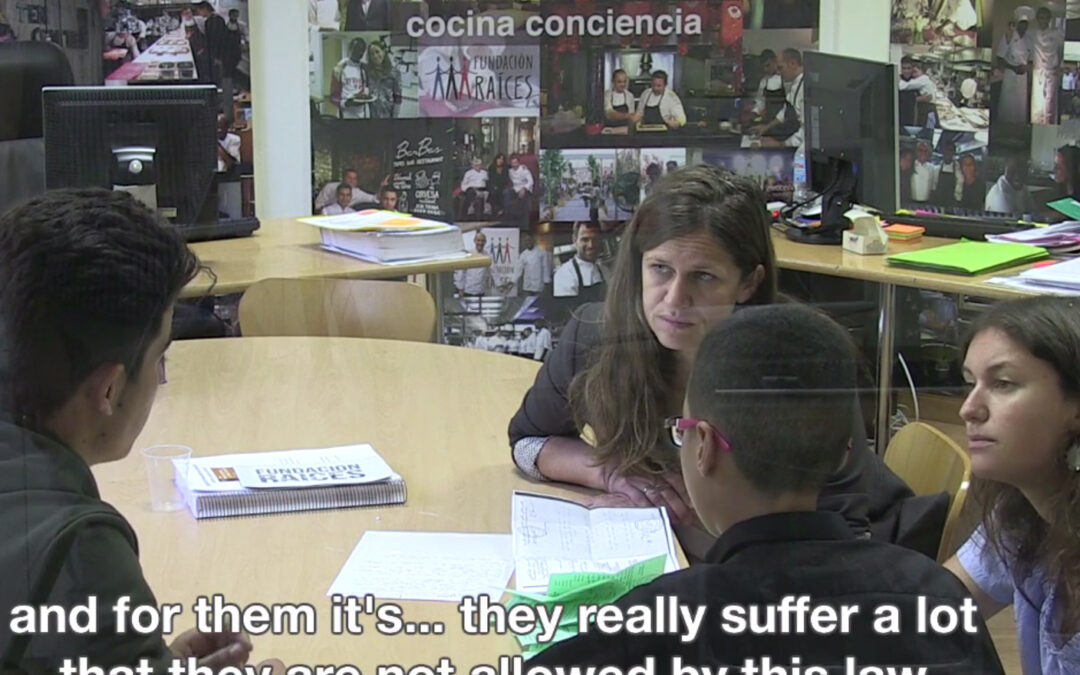
Today, the ICJ-European Institutions held the final event of its EU and OSI funded FAIR project (Fostering Access to justice for Immigrant children’s Rights) in the European Parliament in Brussels. Two videos have also been produced.
This is the closing event of a two-year long project, which aimed at strengthening access to justice for migrant children in the EU.
Migrant children in the EU face violations of their human rights every day.
Lack of access to their families, to information, guardians and legal assistance, lack of access to housing or education, unlawful detention – are few examples of what the children suffer.
The event in the European Parliament was hosted by four political groups and three Members of the EP took part in the panel discussions, on challenges migrant children face in their access to justice and on ways forward and what the EU could do to further advance the rights of some of the most vulnerable people at EU territory.
The panel discussions also included specific cases that national lawyers are dealing with in Italy, Greece, Germany and Ireland on behalf of migrant children.
Julien Makalu, a young engineering student shared his own experience when he arrived to Greece as unaccompanied minor some years ago.
During the FAIR project, the ICJ-European Institutions:
The FAIR project co-funded by the Rights, Equality and Citizenship Programme of the European Union and OSIFE.
Download the flyer and agenda of the event here:
Universal – A2J Migrant Children Flyer – 2018 – ENG (Flyer)
Universal – A2J Migrant Children Agenda – 2018 – ENG (Agenda)
Watch the videos of the FAIR Project and the FAIR Project’s retreat
From 4 to 8 October 2017, 19 lawyers from Bulgaria, Germany, Greece, Italy, Ireland, Malta and Spain met together and with experts to strategize about their cases of access to justice for migrant children and on accessing international human rights mechanisms. The workshop took place on the French border near Geneva, allowing UN treaty bodies experts and members to participate.
Apr 25, 2018 | News
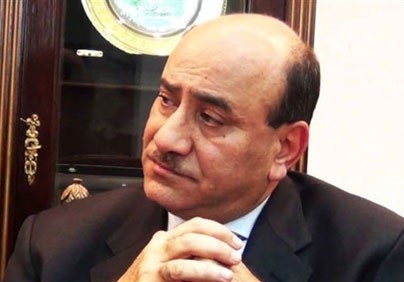
The ICJ today called on the Egyptian authorities to quash the conviction of, and immediately release Hisham Geneina, a former judge and former head of the Central Auditing Authority in Egypt.
A Cairo military court convicted Geneina on Tuesday 24 April and sentenced him to five years in prison for “publishing false information harmful to the national security.”
The charges were related to a media interview in which Geneina criticized the interference of the Egyptian authorities in the election process and referred to the existence of documents that incriminate political and military leaders since 2011, including in cases of human rights violations.
The first hearing of the military trial took place on 18 April.
At the defense request, it was adjourned to 20 April so that the lawyers can have access the case file. The judgement was issued 4 days later.
“Genina’s detention, prosecution and conviction solely for peacefully and legitimately exercising his right to the freedom of expression is a testament to the length to which Egypt’s military and government would go to silence critical voices,” said Saïd Benarbia, ICJ MENA Director.
“After a grossly unfair trial before a military court that he should never have been prosecuted before in the first place, Egyptian authorities must stop the charade and immediately and unconditionally release Hisham Geneina,” he added.
Egypt – Geneina – News – Webstory – 2018 – ARA (Arabic translation in PDF)
Background
Hesham Genena was arrested on 13 February following a media interview in which he claimed, among other things, that the former Chief-of-staff Sami Annan was in possession of documents incriminating the country’s political and military leadership.
One day before his arrest, the military spokesperson said that Genena’s statement casts doubts on the State and its institutions in the time where the armed forces are combating terrorism in Sinai.
He added that the armed forces will use their rights as provided for in the Constitution and the law to protect national security, and that they will refer the matter to the relevant authorities to take legal action.
According to information provided by his lawyer, Geneina is currently in solitary confinement in the Cairo Appeal Prison and his health condition is deteriorating due to injuries related to a physical attack against him on 27 January, for which he needs surgical intervention.
Apr 17, 2018 | Events, Multimedia items, News, Video clips
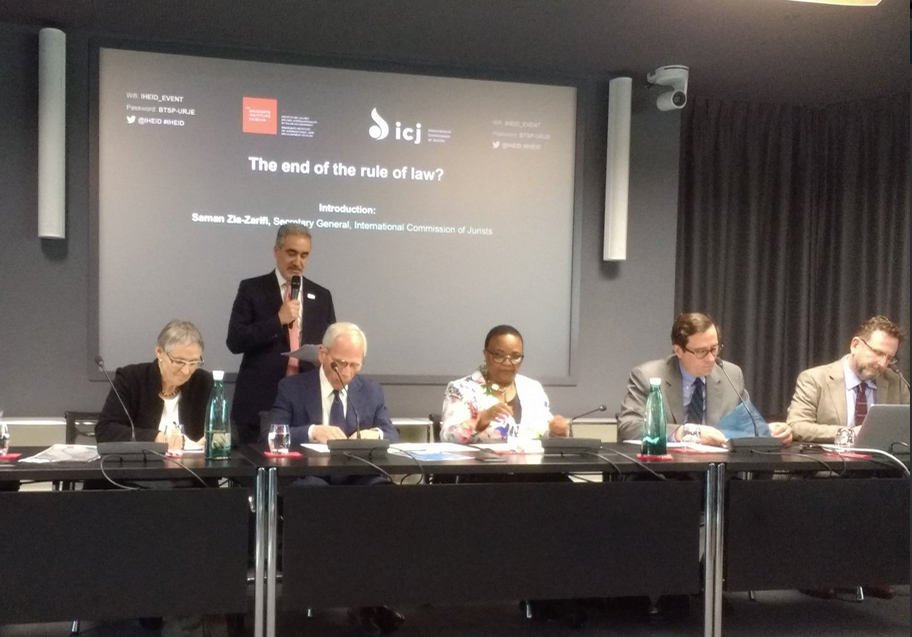
International commitment to the rule of law is under assault around the world, said a global panel of eminent academics, diplomats, and jurists.
The panelists, speaking at a public event by the ICJ and the Geneva Graduate Institute, commented that this assault is threatening to reverse the progress made over the last 70 years since the Universal Declaration of Human Rights(UDHR) came into force.
The panelists addressed progress in asserting the rule of law since the UDHR, for instance through the development of the International Criminal Court and greater awareness and commitment to rights, but also highlighted current challenges at the national level, such as in Venezuela, and at the global level, with ongoing discrimination and violence against women.
“The rule of law is a principle that helps the world and also helps individuals,” said ICJ Secretary General Saman Zia-Zarifi, in his introductory remarks.
“It is a principle that elevates democracy from mob rule and is necessary to harness the energy of democracy and give it a direction and progression towards the protection and promotion of human rights and sustainable development for the betterment of the lives of people around the world,” he added.
Professor Carlos Ayala, ICJ Vice-President and former President of the Inter-American Commission on Human Rights, spoke about the importance of having regional rights frameworks that were accessible to individuals when the rule of law has been eradicated at a national level.
Speaking in relation to Venezuela, Professor Ayala explained that the rule of law cannot be simply overturned by a political party, even with a majority, as the erosion of the rule of law puts all human rights at risk and these rights must be safeguarded regionally and internationally.
Next Patricia Schulz, member of the UN Committee on the Elimination of Discrimination against Women, pointed out that in many countries, the rule of law has been weak or never even properly existed.
She addressed failings where access to justice is undermined by systems that are gender discriminatory and explained that in almost all countries, even where the rule of law seems strong, there is a lack of will and/or means to fight gender-based violence.
Professor Andrew Clapham, Professor of Public International Law at the Graduate Institute and member of the UN Commission on Human Rights in South Sudan, evaluated issues of accountability and the rule of law in the context of international criminal law.
He noted the important role international criminal law and its operational mechanisms have in holding individuals to account, but warned that focusing on prosecution and focusing on issues such as genocide and the use of chemical weapons ran the risk of undermining the universality of ideas enshrined in the UDHR.
His Excellency Luis Gallegos, the Permanent Representative of Ecuador to the United Nations, raised concerns about the politicization of human rights and the capacity of UN mechanisms to address transnational rights issues such as migration.
He said that addressing the rule of law was not a simple question but that states had to come together to consistently and systematically address the rights violations that arose from a break-down in the rule of law.
Final panelist, Sanji Monageng, ICJ Commissioner and Justice of the International Criminal Court, spoke about the need for international organizations to rethink their approach to the rule of law and the way they apply this to cases, to avoid focusing narrowly on singular issues when rights violations need to be addressed homogenously.
Justice Monageng explained that for victims, sexual violence, for instance, is rarely a singular incident but part of broader array of rights violations that have far-reaching impacts.
In his concluding remarks, Professor Robert Goldman, who moderated the event, said that “the rule of law deals with a central tenet of any just society, not only equal protection and equal access but it is something that protects the vulnerable.”
He explained that the treat to the rule of law today is endemic and it is global, but the ICJ is uniquely placed to robustly address these difficult questions and to continue to use the rule of law to defend and advance rights protections.
The event, which took place at the Graduate Institute at the Maison de la Paix, promoted by the Permanent Mission of Germany, was attended by 150 persons including academics, diplomats, lawyers and representatives of civil society and international rights mechanisms. The event was also streamed online by RIDH Global.
You can watch the full event here.
https://www.facebook.com/ridhglobal/videos/10158134493084616/UzpfSTQ3MTQ2NzA4NjIyMTM3MzoxOTk5MjM0NDc2Nzc3OTUy/
https://www.youtube.com/watch?v=ije_iAegxFs&feature=youtu.be