Aug 19, 2019 | Advocacy, Cases, Legal submissions
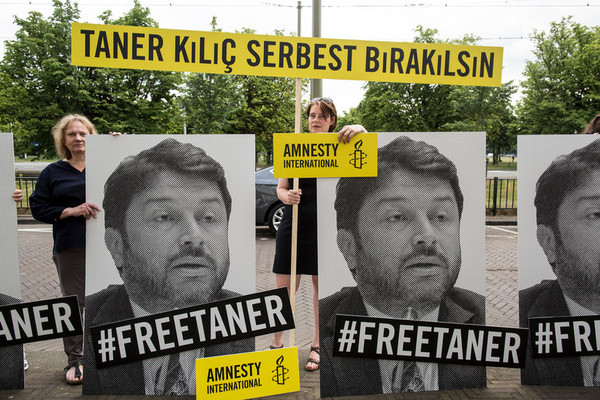
The International Commission of Jurists, the Turkey Human Rights Litigation Support Project and Human Rights Watch have jointly intervened before the European Court of Human Rights in the case of Taner Kiliç, former Chair of the Board of Amnesty International Turkey.
Taner Kiliç is a Turkish human rights defenders. He had been Chair of the Board of Amnesty International Turkey since 2014.
He was arrested on 6 June 2017 on reportedly unsubstantiated charges of “membership of a terrorist organisation” and was released on bail on 15 August 2018 after having spent 14 months in detention.
His case before the European Court of Human Rights challenges the lawfulness of his pre-trial and on remand detention, the violations of his right to judicial review of his detention, and of his freedom of expression and association, considering his arrest linked to his work as leader of a NGO.
As the interveners have written to the Court, this case epitomises some of the most fundamental human rights challenges in Turkey today.
These involve widely documented restrictions on freedom of expression, association, and assembly of human rights defenders (HRDs) and rapidly closing civil society space.
The interveners have submitted observations on:
- the factual context in respect of the situation facing HRDs in Turkey;
- international standards governing obligations towards HRDs of relevance to the Court’s interpretation of the European Convention on Human Rights, including the limits prescribed by Article 18;
- key principles necessary for a rule of law approach to the application of the criminal law, against the legal and practical pattern of excessive resort to criminal law against HRDs in Turkey today.
Turkey-ECtHR-icj&others-Kilic-Advocacy-legal submission-2019-ENG (download the third party intervention)
Photo credit: Amnesty International

Jul 18, 2019 | News
The ICJ and the International Bar Association’s Human Rights Institute (IBAHRI) have jointly sent international observers to attend the second hearing of the criminal trial on the “Gezi Park” protest at the Silivri Prison Courthouse in Istanbul, scheduled to take place on 18 and 19 July 2019.
The ICJ and IBAHRI observers will be monitoring a trial hearing before İstanbul 30th Assize Court with prinicipal defendant Osman Kavala, and 15 others; Ali Hakan Altınay, Ayşe Mücella Yapıcı, Ayşe Pınar Alabora, Can Dündar, Çiğdem Mater Utku, Gökçe Yılmaz, Handan Meltem Arıkan, Hanzade Hikmet Germiyanoğlu, İnanç Ekmekci, Memet Ali Alabora, Mine Özerden, Şerafettin Can Atalay, Tayfun Kahraman, Yiğit Aksakoğlu and Yiğit Ali Ekmekçi.
The observers will report directly to the IBAHRI and ICJ Secretariats on the proceedings following the mission.
The Gezi Park protests began in May 2013 as an effort by a group of environmentalists to save a park in central Istanbul from being rezoned, but soon turned into nationwide demonstrations.
The protest was quelled by police with the use of tear gas and water cannons against the protesters in Taksim Square. Following a six-year investigation into the events, the 657-page indictment issued by the Istanbul Chief Public Prosecutor’s Office was accepted by the 30th A Court in Istanbul on 4 March 2019.
The defendants are to be charged under Turkish Criminal Code Article 312 (attempt to overthrow the Turkish Government or attempt to prevent it from fulfilling its duties), Article 151 (damage to property), Article 152 (qualified damage to property), Article 174 (possession or exchange of hazardous substances without permission), Article 153 (damaging places of worship and cemeteries), Article 149 (qualified robbery), Article 86 (intentional injury); crimes under the Law on Firearms, Knives and Other Tools no. 6136, and crimes under the Law on Protection of Cultural and Natural Assets no. 2863.
The total sentence asked for by the prosecution for these offences amounts to approximately 47,520 years imprisonment.
Contact:
Massimo Frigo, Senior Legal Adviser, t: +41 22 979 38 05 – e: massimo.frigo(a)icj.org
Jul 17, 2019 | Advocacy, News, Non-legal submissions
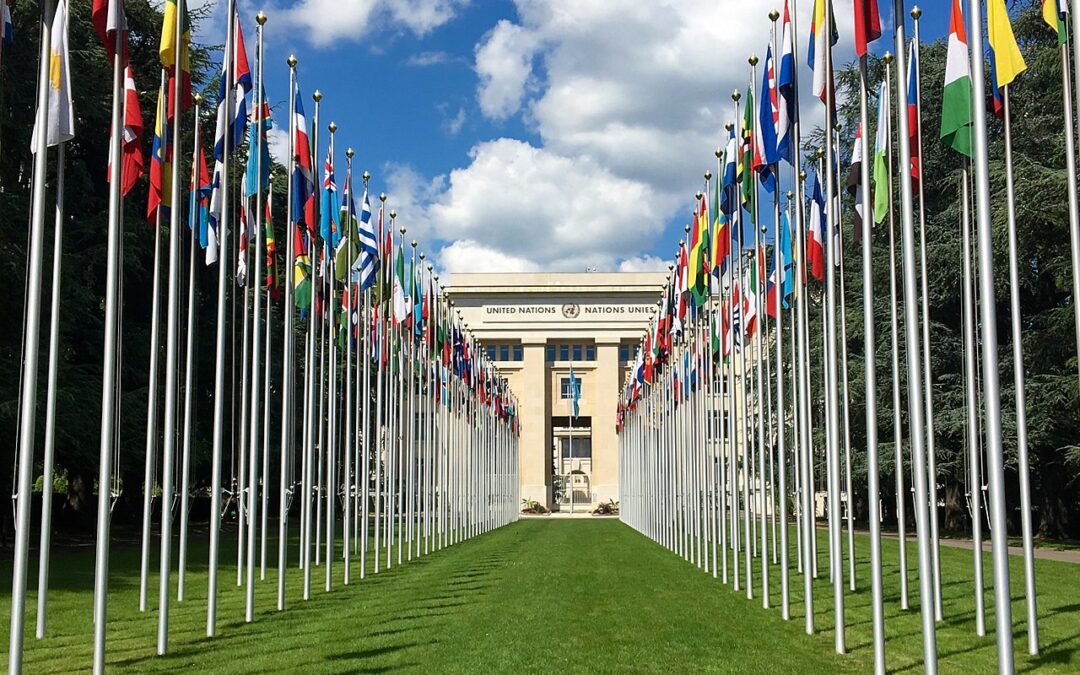
Today, the ICJ filed a submission to the Human Rights Council’s Working Group on the Universal Periodic Review in advance of its review of Turkey’s human rights record in January 2020.
In its submission, the ICJ considered:
- the situation with the independence of the judiciary in Turkey, during and after the state of emergency of 2016-2018;
- the lack of effective remedies for the mass dismissals in the public sector occurred in that period;
- the shortcomings in fair trial rights in the criminal justice system:
- the obstacles to the action of civil society;
- the lack of accountability for torture and enforced disappeareances; and
- provided information on the status of international human rights treaties ratified by Turkey.
Contact:
Massimo Frigo, ICJ Senior Legal Adviser, e: massimo.frigo(a)icj.org
Full submission in English (PDF) : Turkey-UPR-Advocacy-non-legal submissions-2019-ENG

Jul 4, 2019 | Доклады, Доклады судебного наблюдения, Новости, Публикации
Сегодня МКЮ опубликовала юридическое заключение, в котором анализируется пересмотр уголовного дела в отношении правозащитника из Кыргызстана Азимжана Аскарова. Пересмотр дела имел место в свете решения Комитета по правам человека ООН, признавшего многочисленные нарушения прав человека в ходе первого судебного процесса по делу. МКЮ пришла к выводу о том, что данные нарушения не были исправлены в ходе пересмотра дела.
В частности, МКЮ отмечает, что в ходе пересмотра не были должным образом исследованы заявления Аскарова о пытках, которым он подвергался во время заключения под стражей. Не было проведено новое расследование, суд не допросил новых свидетелей и не подверг критическому анализу доказательства, которые легли в основу обвинительного приговора. В результате в ходе пересмотра дела не была соблюдена презумпция невиновности и требования справедливого судебного разбирательства.
Следовательно, обвинительный приговор по делу Азимжана Аскарова подлежит отмене, а сам Аскаров должен быть освобожден, заявляет МКЮ.
«Проведенный нами анализ показал, что несмотря на многолетний процесс Азимжан Аскаров был лишен права на справедливое судебное разбирательство и эффективное расследование по жалобам на пытки. Мы призываем власти Кыргызстана принять меры в свете данных выводов и отменить обвинительный приговор в отношении Аскарова, а самого Аскарова освободить из-под стражи. Если этого не будет сделано, решение Комитета ООН по правам человека останется неисполненным», – заявила Роушин Пиллей, директор Региональной программы МКЮ по странам Европы и Центральной Азии.
МКЮ пришла к выводу о необходимости возбудить расследование по жалобам на пытки и иные нарушения прав человека в отношении Аскарова, и ему должно быть предоставлено надлежащее возмещение ущерба, причиненного в связи с указанными нарушениями.
Общие сведения
15 сентября 2010 года Азимжан Аскаров, известный правозащитник из Кыргызской Республики, был признан виновным в убийстве сотрудника правоохранительных органов, покушении на соучастие во взятии заложника, незаконном ношении оружия, возбуждении межэтнической ненависти и организации массовых беспорядков.
Международная комиссия юристов (МКЮ) наблюдала за процессом с самого начала судебного разбирательства вплоть до осуждения Аскарова, и выявила многочисленные нарушения прав человека в ходе содержания Аскарова под стражей, судебного разбирательства по его делу и вынесения обвинительного приговора в 2010 году.
В 2016 г. Комитет по правам человека ООН (КПЧ) принял Соображения, в которых признал нарушения прав Аскарова, гарантированных Международным пактом о гражданских и политических правах (МПГПП). КПЧ указал, что Кыргызстан обязан выплатить Аскарову надлежащее возмещение ущерба, принять необходимые меры к его незамедлительному освобождению, отменить обвинительный приговор и, при необходимости, осуществить пересмотр дела с соблюдением гарантий справедливого судебного разбирательства.
По итогам решения КПЧ Верховный Суд Кыргызской Республики направил дело Азимжана Аскарова на новое рассмотрение по вновь открывшимся обстоятельствам в Чуйский областной суд. Пересмотр дела проходил с 4 октября 2016 года по 24 января 2017 г. Обвинительный приговор отменен не был: имело место лишь «возобновление» производства по делу.
В основу Юридического заключения МКЮ легли выводы наблюдателей, присутствовавших на ряде заседаний в Чуйском областном суде, а также анализ материалов дела. Судебный процесс анализируется в свете национального законодательства Кыргызстана, а также относимого международного права и соответствующих стандартов. От лица МКЮ заключение подписали следующие комиссары: Азхар Качалия, судья Верховного апелляционного суда ЮАР; Николас Братца, бывший председатель Европейского суда по правам человека; профессор Хуан Мендес, бывший Специальный докладчик ООН по вопросу о пытках и иных видах жестокого, бесчеловечного и унижающего достоинство обращения и наказания.
Полный текст юридического заключения доступен по ссылке: Kyrgyzstan-Askarov report II-Publications-Reports-Trial Observation reports-RUS

Jul 4, 2019 | News, Publications, Reports, Trial observation reports
In a legal opinion issued today analyzing the retrial of the Kyrgyz human rights defender Azimjan Askarov, which followed the UN Human Rights Committee finding of multiple human rights violations in his first trial, the ICJ concludes that these violations have not been remedied by the retrial.
In particular, the ICJ finds that the retrial did not effectively examine allegations of the torture of Askarov in detention. It failed to conduct new investigations, hear new witnesses or question the elements on which the initial conviction was based. As a result, the retrial did not respect the presumption of innocence or comply with the requirements of a fair trial.
As a consequence, Azimjan Askarov’s conviction should be quashed and he should be released, the ICJ said.
“This analysis shows that despite years of court hearings, Azimjan Askarov has never been afforded a fair trial or an effective investigation into his allegations that he was tortured. We call on the Kyrgyz authorities to act on these findings and to quash his conviction and release him from detention. Without this, the decision of the UN Human Rights Committee will remain unimplemented ” said Róisín Pillay, ICJ Europe and Central Asia Director.
An investigation into allegations of torture and other violations of Askarov’s human rights should be launched, the ICJ concluded, and he should be accorded full reparations for violations of his human rights.
Background
Azimjan Askarov, a prominent human rights defender in the Kyrgyz Republic, was convicted on 15 September 2010 of complicity in the murder of a law enforcement officer, attempted complicity in hostage-taking, illegal possession of firearms, incitement of interethnic hatred, and organization of riots.
The ICJ has followed his case since the initial trial and Askarov’s eventual conviction – and identified multiple violations of his human rights in detention, trial and conviction in 2010.
In 2016, the UN Human Rights Committee (HRC) adopted Views in which it found violations of Askarov’s rights under the International Covenant on Civil and Political Rights (ICCPR). The HRC decided that Kyrgyzstan was to make full reparation to Askarov; take appropriate steps to immediately release him; quash his conviction and, if necessary, conduct a new trial in due compliance with fair trial guarantees.
Following the HRC decision, the Supreme Court of the Kyrgyz Republic remanded the case of Azimjan Askarov for retrial to the Chuy Regional Court due to new circumstances. The retrial took place from 4 October 2016 to 24 January 2017. The retrial proceeded without quashing the defendant’s conviction but with “resumption” of the proceedings in the case.
The ICJ legal opinion is based on the findings from the observation of a number of hearings before the Chuy Regional Court and analysis of documents in the case. It assesses the proceedings in light of Kyrgyzstan’s domestic law as well as relevant international law and standards. The opinoin is signed on behalf of the ICJ by ICJ Commissioners Justice Azhar Cachalia, Judge of the Supreme Court of Appeal of South Africa; Justice Nicolas Bratza, former President of the European Court of Human Rights, Professor Juan Mendez, former UN Special Rapporteur on Torture and Other Cruel, Inhuman and Degrading Treatment or Punishment.
The full text of the legal opinion is available below.
In English: Kyrgyzstan-Askarov report II-Publications-Reports-Trial observation report-2019-ENG
In Russian: Kyrgyzstan-Askarov report II-Publications-Reports-Trial observation reports-2019-RUS