Dec 6, 2013 | News
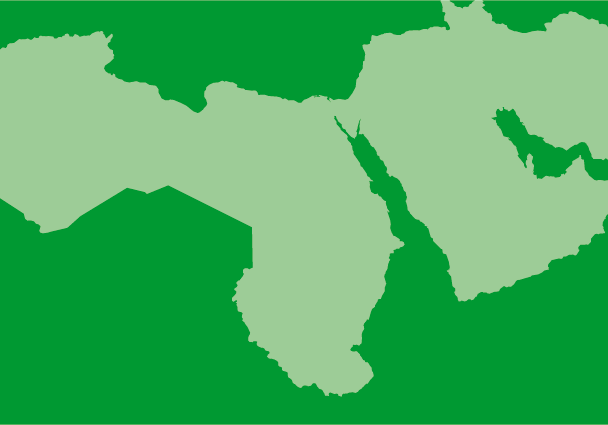
The ICJ and Amnesty International expressed concern over the trial of Mohamed Belbouri before the criminal court of Oran in Algeria. The next hearing of the trial is held on Monday 9 December.
Belbouri, aged 29, stands as the sole accused in the murder of Professor Ahmed Kerroumi, an Algerian political activist. Kerroumi was killed in April 2011, shortly after meeting with the UN Special Rapporteur on freedom of expression, Frank La Rue, in Algeria.
The ICJ and Amnesty International call on the Algerian authorities to ensure the right of Kerroumi’s family members to know the truth about his killing and to criminally hold the perpetrator(s) to account in line with international fair trial standards.
The two organizations are concerned that the Belbouri trial has failed to meet these standards, including the right of the accused to be presumed innocent and to defence.
The two organizations are further concerned by allegations that acts of torture and other ill-treatment were inflicted on Belbouri during his interrogation in police facilities between 12 and 17 May 2011, apparently aiming to make him “confess” to the killing of Kerroumi.
Belbouri says he was beaten on the head, face, stomach and feet, electrocuted, made to sit on his knees for hours with a chair on his head, and threatened that his relatives would be ill-treated if he did not “confess”.
“Algerian authorities must respect and ensure the right of Belbouri to a fair hearing before an independent and impartial tribunal and in full compliance with international fair trial standards,” said Wilder Tayler, ICJ Secretary General.
“The authorities must also ensure that all reports of torture and other ill-treatment of Belbouri are thoroughly and impartially investigated, and that any statement alleged to have been obtained as a result of torture or other ill-treatment is not admitted as evidence by the court,” Tayler added.
Lawyers representing the accused and the family of Professor Kerroumi have both said that the trial was marred by irregularities.
These include the court’s refusal to allow the defence to call and cross-examine witnesses, including the forensic expert who performed the autopsy on Ahmed Kerroumi’s body, and to challenge and test evidence put forward by the prosecution.
“Justice would not be served by sentencing – possibly to death – a man who has claimed his innocence all along when they are so many doubts about the seriousness of the investigation,” said Philip Luther, Middle East and North Africa Director at Amnesty International.
Contact:
Said Benarbia, ICJ Senior Legal Adviser of the Middle East and North Africa Programme, tel: 41 22 979 38 1, e-mail: said.benarbia(a)icj.org
Dec 6, 2013 | News
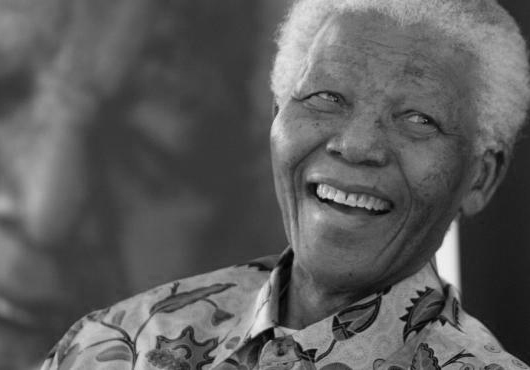
The ICJ mourns with the rest of the world the passing on of former President Nelson Mandela.
He was a beacon of hope, justice and peace in the world and will be sorely missed. His life will remain a source of inspiration for our work in pursuit of justice, peace, tolerance and respect for human rights in the world.
Dec 6, 2013 | News
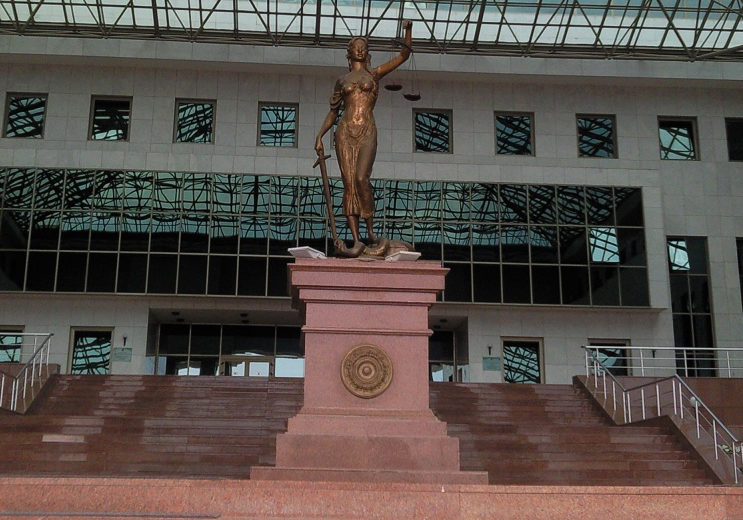
On 6 December, the ICJ concluded a trial observation mission to Kazakhstan on the case of the disbarment of lawyer Polina Zhukova.
Lawyers Lyubov Agushevich and Polina Zhukova were disbarred following disciplinary proceedings initiated by the Ministry of Justice regarding their defence of a client in court proceedings.
The alleged misconduct, which lead to the disbarment of the lawyers, included inter alia a statement of innocence of their client, submitting motions to the court, submitting requests for recusals, one lawyer “putting a question which she knew the answer to”, reading a page out of the case file, and filing a motion for an examination of the witnesses who attended the hearing.
These actions were interpreted by the presiding judge in the criminal case in which the lawyers represented the defendant as violations of professional ethics, and were later used as grounds for the termination of their licenses to practice law.
ICJ observers, Justice Ketil Lund, an ICJ Commissioner and a former Justice of the Supreme Court of Norway, and Zulfikor Zamonov, a lawyer from Tajikistan, observed the Supreme Court appeal hearing in the case on 5 December.
The Supreme Court upheld the motion of lawyer Zhukova to resume proceedings in her case and reconsider the issue of the lawfulness of her disbarment.
“The ICJ welcomes the decision to review the case against the lawyer and will continue following the case,” said Temur Shakirov, Legal Adviser of the ICJ Europe Programme.
Read also:
Disbarment proceedings against lawyers in Kazakhstan
Disciplinary action against lawyers in CIS countries: analysis of international law and standards
Contact:
Róisín Pillay, Director, ICJ Europe Programme, roisin.pillay(a)icj.org
Temur Shakirov, LegalAdviser, ICJ Europe Programme, temur.shakirov(a)icj.org
Dec 5, 2013 | Events, News
The 4th ICJ Geneva Forum of Judges and Lawyers opened today. This year’s forum promotes the role of women in the judiciary, focusing particularly on women judges and lawyers from Africa and the Middle East.Scheduled on 5-6 December, it forms part of a broader ICJ initiative on women judges, lawyers and human rights defenders as agents of change.
The Forum is convened annually by the ICJ’s Centre for Independence of Judges and Lawyers, bringing together legal practitioners from around the world to help safeguard the independence and impartiality of the judiciary and the legal profession.
The 2013 edition of the Forum is supported by the République and Canton de Genève, Australian Aid, and PeaceNexus Foundation.
ICJGeneva Forum 2013-Final Agenda-event-2013 (download in pdf)
ICJGeneva Forum 2013-Participants list-event-2013 (download in pdf)
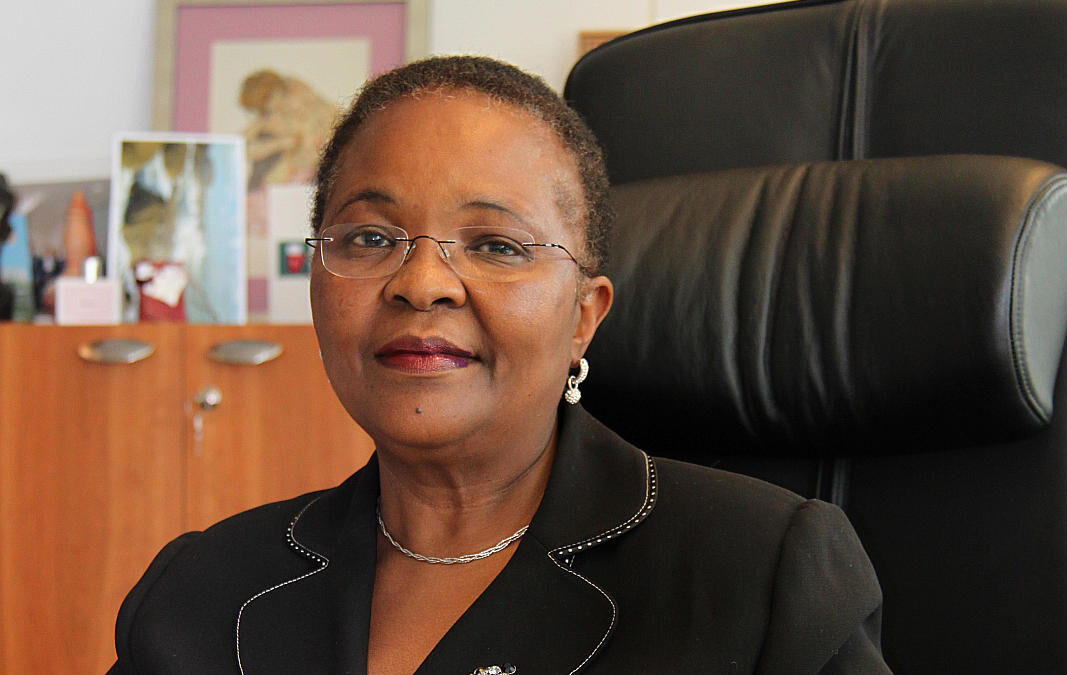
Picture: ICJ Commissioner Sanji Monageng (Botswana) will chair the session on stories from the frontline.
Dec 3, 2013 | Agendas, Events
The ICJ was at the Club de la Presse in Geneva for a roundtable ahead of the Fourth ICJ Geneva Forum of Judges and Lawyers. The event was live streamed.
Moderated by Leah Hoctor, Senior Legal Adviser at ICJ, the event was a unique opportunity to share the real life experiences of two African women, who have overcome the challenges of poverty and discrimination to become two of Africa’s most senior and admired judges.
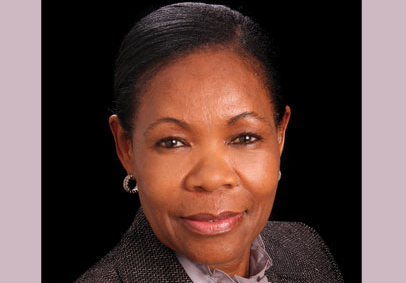
Justice Yvonne Mokgoro (photo) was the first black woman judge in South Africa and a former justice of its post-apartheid Constitutional Court.
Justice Lilian Tibatemwa-Ekirikabinza is an academic leader in Uganda. She was the first Ugandan woman to qualify for an award of a Ph.D. in Law.
The Press Club event came ahead of the Fourth ICJ Geneva Forum of Judges and Lawyers on 5-6 December.
The Forum is convened annually by the ICJ’s Centre for Independence of Judges and Lawyers, bringing together legal practitioners from around the world to help safeguard the independence and impartiality of the judiciary and the legal profession.
This year’s forum promotes the role of women in the judiciary, focusing particularly on women judges and lawyers from Africa and the Middle East.
It forms part of a broader ICJ initiative on women judges, lawyers and human rights defenders as agents of change.
Watch the event here: