Oct 27, 2023 | News
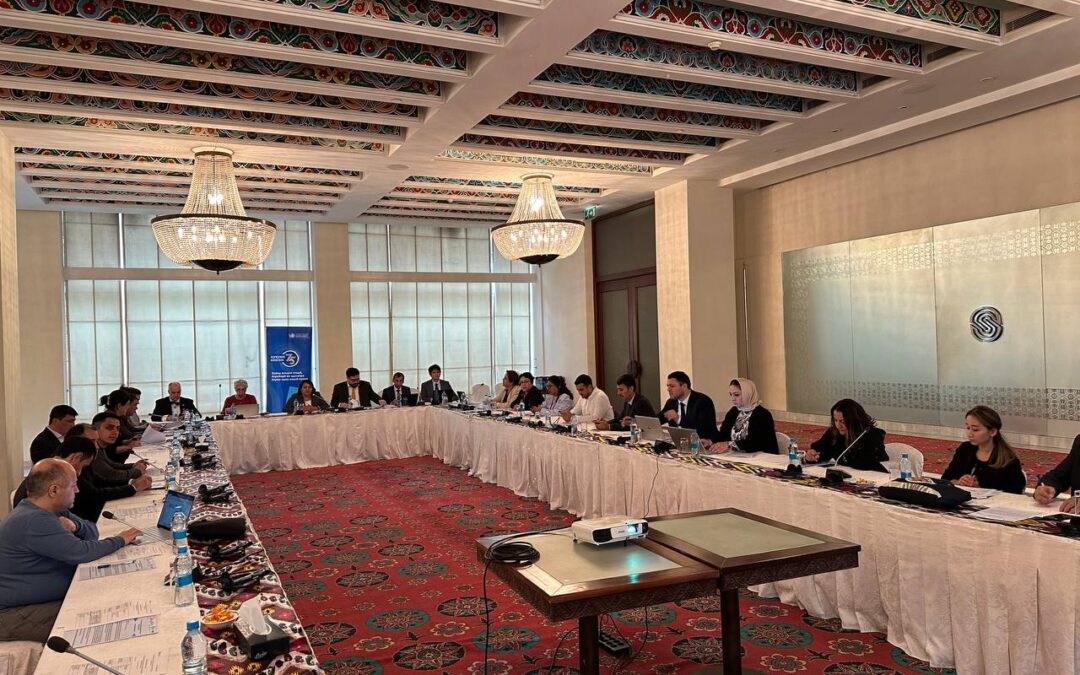
Today, the International Commission of Jurists (ICJ), in collaboration with the Supreme Court of the Republic of Tajikistan the Office of the High Commission of Human Rights (OHCHR) Regional Office for Central Asia (ROCA), and the Organization for Security and Cooperation in Europe (OSCE)in Dushanbe, has convened a round to discuss the application of international law by national courts. The event aimed to enhance the capacity of the judiciary to apply international standards in Tajikistan.
The discussions at the round table were focused on international human rights mechanisms and instruments, the binding nature of international treaties, and the current use of international law in Tajik courts. The participants examined these standards in relation to Tajikistan’s international treaty obligations, with the objective of improving the judiciary’s ability to effectively apply international jurisprudence and principles.
The event provided a platform for participants to discuss the practical implementation of international legal norms in the adjudication process in other national contexts and to share strategies to address the challenges of such integration. The round table also facilitated a critical analysis of the reforms necessary for effective use of international standards in national legal procedures.
The event addressed the broader implications of applying international law, considering its impact on the rule of law and public trust in the justice system. There was a clear consensus on the need to draft recommendations that could guide the judiciary in applying international law.
The round table discussions were notably informed by a recent ICJ report calling for comprehensive judicial reform in Tajikistan. Published in December 2020, the report titled “Neither Check nor Balance: the Judiciary in Tajikistan,” provided an in-depth analysis of the organisation and functioning of the judiciary in Tajikistan and its capacity to administer justice and uphold human rights.
The ICJ report’s conclusion that acquittals in criminal trials are exceedingly rare underscored a systemic failure to ensure judicial independence, thereby highlighting the urgency of the reform. It was recognized that for Tajikistan to fulfil its international legal obligations and to provide effective remedies for human rights violations, reforms must be initiated and practically implemented to safeguard against practices that undermine the independence of the judiciary.
Attachment: Briefing paper on RT for judges on Oct 27 2023 in Dushanbe
Oct 23, 2023 | News
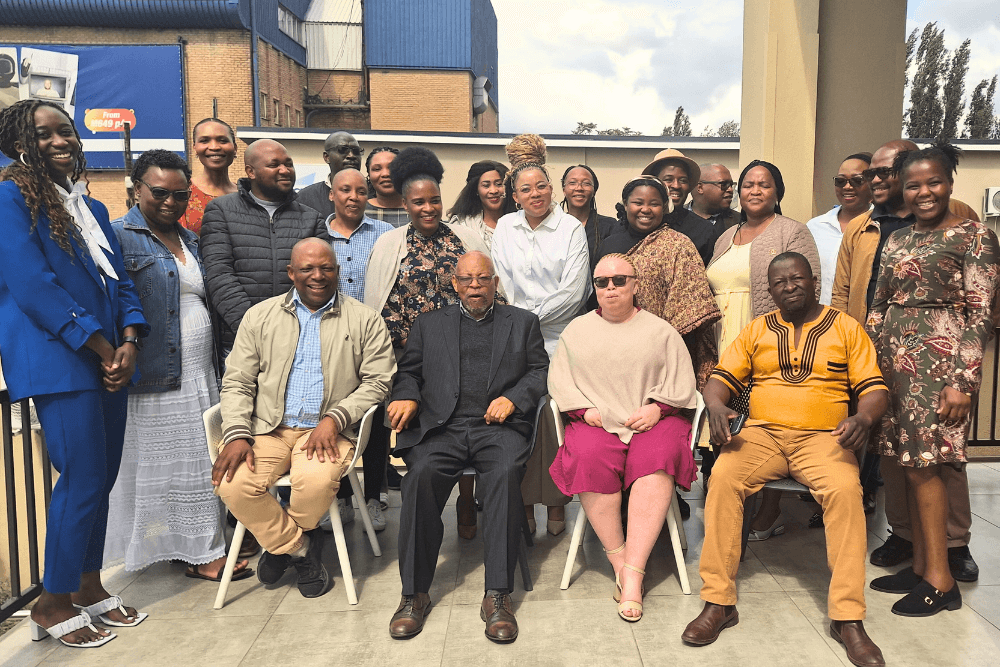
On 11 and 12 October 2023, the International Commission of Jurists (ICJ), People’s Matrix Association and Seinoli Legal Centre (SLC) jointly held a workshop for magistrates and judges in Maseru, Lesotho’s capital. Drawing on ICJ’s 8 March Principles for a Human Rights-Based Approach to Criminal Law Proscribing Conduct Associated with Sex, Reproduction, Drug Use, HIV, Homelessness and Poverty, the workshop was aimed at enhancing the Lesotho judiciary’s ability to apply a human rights-based approach in the application and enforcement of domestic criminal law.
The central theme explored by participants throughout the workshop was the profoundly negative human rights impact of unjustified criminalization, especially for marginalized individuals and communities. At the workshop, the Acting Chief Justice of Lesotho, Tšeliso Monapathi, emphasized the importance of the judiciary as the last line of defence for ensuring the protection of human rights.
Participants at the workshop noted some positive legal developments in Lesotho that are consistent with international human rights law, including the repeal of vagrancy laws through the introduction of the 2010 Penal Code. Most recently, in October 2022, the High Court of Lesotho, sitting as a Constitutional Court, declared section 32(a)(vii) of the 2003 Sexual Offences Act unconstitutional. The Court ruled that the provision, which imposes the death penalty on HIV-infected persons who commit sexual offences, was unconstitutional to the extent that it violated the rights to equality before the law and equal protection of the law, freedom from discrimination, and freedom from inhuman treatment as guaranteed by the Lesotho Constitution. However, in June this year, in their joint submission to the UN Human Rights Committee, the ICJ, People’s Matrix and Seinoli Legal Centre noted with concern that the Sexual Offences Act left the common law offence of “sodomy” intact.
“Despite some progressive milestones in the protection and promotion of fundamental human rights and freedoms of all persons, it is deeply concerning that there remain a number of criminal laws that disproportionately impact sex workers, LGBTQI+ persons, those seeking sexual and reproductive health care services, such as abortion care, and other marginalized groups,” said Mosa Lestie, Programme Lawyer at Seinoli Legal Centre.
The participants, the majority of whom were magistrates, discussed measures the courts have employed to promote and protect the human rights of marginalized groups. This includes sensitization on the human rights of persons with disabilities, LGBTQI+ persons and other marginalized groups, particularly their right to access to justice and the implementation and continual development of court rules to ensure that all persons can participate in court proceedings on an equal basis as complainants, witnesses, accused persons or experts. For instance, in July 2023, the Lesotho National Federation hosted a training workshop with some magistrates and prosecutors on access to justice for persons with disabilities and the 2023 Disability Equity (Procedure) Rules.
Despite these efforts, participants expressed concern that limitations continue to exist in relation to: the provision of accommodations for accused and witnesses at court; worrying trends of discrimination within the wider criminal justice system, especially among the police. They also identified the need for ongoing human rights training for magistrates and other actors in the criminal justice system.
“The unjustified or arbitrary over-criminalization of conduct associated with LGBTQI+ individuals in Lesotho continues to result in discrimination and stigmatization. In turn, this has significantly impeded access to justice for the communities the People’s Matrix supports,” said Giselle Ratalane, Programme Manager at the People’s Matrix Association.
“As the ICJ’s 8 March Principles underscore, these criminal laws have discriminatory effects on marginalized groups and violate Lesotho’s obligations under international human rights law, including with respect to the rights to equality, non-discrimination, dignity, privacy, freedom of expression and more,” concluded Mulesa Lumina, ICJ Africa’s Legal and Communications Associate Officer.
Contact
Mulesa Lumina, Legal and Communications Associate Officer (Africa Regional Programme), e: mulesa.lumina@icj.org
Kaajal Ramjathan-Keogh, Director (Africa Regional Programme), e: kaajal.keogh@icj.org
Background
While Lesotho has made some strides in recognizing and safeguarding the human rights of all persons, including through the introduction of various laws and policies, certain conduct continues to be targeted by criminal laws notwithstanding the fact that under general principles of criminal law and international human rights law and standards, such conduct should not be criminalized in the first place.
As a State Party to a number of international human rights instruments, including the International Covenant on Civil and Political Rights (ICCPR), the African Charter on Human and Peoples’ Rights and the Protocol to the African Charter on Human and Peoples’ Rights on the Rights of Women in Africa, Lesotho must ensure that its criminal laws do not directly or indirectly discriminate against anyone on grounds prohibited by international human rights law.
The 8 March Principles for a Human Rights-Based Approach to Criminal Law Proscribing Conduct Associated with Sex, Reproduction, Drug Use, HIV, Homelessness and Poverty, recently published by the ICJ, offer a clear, accessible, and operational legal framework and practical legal guidance for a variety of stakeholders, including judges and magistrates, on the application of criminal law to conduct associated with consensual sexual activities, such as consensual same-sex sexual relations and sex work (Principles 16 and 17); the criminalization of sexual orientation, gender identity and gender expression (Principle 18); drug use (Principle 20); as well as homelessness and poverty (Principle 21). As stated in Principles 7 and 8, criminal law “must be interpreted consistently with international human rights law” and “…may not, on its face or as applied, in substance or in form, directly or indirectly discriminate on any, including multiple and intersecting, grounds prohibited by international human rights law”.
Oct 19, 2023 | News
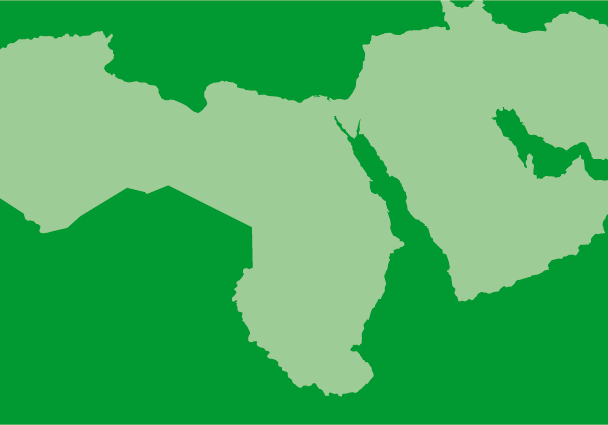
The International Commission of Jurists (ICJ) condemns the strike on al-Ahli hospital in the Gaza Strip on 17 October 2023, which according to the Palestinian Health Ministry killed more than 500 Palestinian civilians, mainly women and children, and injured hundreds more.
“Civilians and hospitals must be protected at all times”, said Said Benarbia, Director of the ICJ’s MENA Programme. “Intentional attacks on hospitals may amount to war crimes under international humanitarian law and must cease immediately”, added Benarbia.
Palestinian sources have said that the massacre was caused by an Israeli air strike. The Israeli Defence Forces have denied any responsibility, claiming that it was caused by a failed rocket launch by Palestinian armed groups.
Under the Geneva Conventions and customary international humanitarian law, States have an obligation to investigate war crimes with a view to bringing alleged perpetrators to justice.
The ICJ calls on the Office of the Prosecutor of the International Criminal Court (ICC) to allocate the necessary resources to respond to the escalating situation in Israel and Gaza with a view to investigating and establishing criminal responsibility for alleged war crimes and other violations of international humanitarian law committed by both parties.
According to the ICC Prosecutor Karim Khan, the ICC has jurisdiction over potential war crimes committed by Palestinian armed groups in Israel and Israelis in the Gaza Strip, even though Israel is not a State party. In 2015, Palestine acceded to the ICC Statute. In 2021, the Court ruled that its jurisdiction “in the Situation in Palestine extends to the territories occupied by Israel since 1967, namely Gaza and the West Bank, including East Jerusalem.”
On 12 October the Israel Defence Forces (IDF) ordered the entire population of northern Gaza, that is, more than 1 million people, to evacuate to southern Gaza within 24 hours in advance of a likely military ground offensive.
On 14 October, the World Health Organization (WHO) strongly condemned Israel’s repeated orders for the evacuation of 22 hospitals in the Gaza strip, and called on Israeli authorities to protect health facilities, health workers, patients and civilians.
“The Israeli evacuation order was issued in the absence of safe passage or a safe destination. It may amount to a transfer of parts of the population of the occupied territory, a war crime under the ICC Statute and a serious violation of international humanitarian law”, said Benarbia.
Under international humanitarian law, hospitals and other medical facilities are considered to be protected civilian objects. Unless they are used for military purposes, they shall be protected at all times and may not be the object of attack.
Under international humanitarian law, all parties to an armed conflict have an obligation to distinguish between military and civilian targets and to take all feasible precautions to protect civilians from attacks and from the effects of military operations. Indiscriminate attacks on civilians and civilian objects, including those perpetrated using weapons that are indiscriminate by nature, amount to breaches of international humanitarian law. Intentionally directing attacks against civilians amounts to war crimes under the under the Statute of the ICC and customary international law.
Furthermore, the ICJ is deeply concerned by reports of the use of white phosphorus by Israel in other military operations in Gaza and Lebanon.
“Israel must refrain from using white phosphorus, and any other means and methods of warfare that are inherently indiscriminate or that cause superfluous injury or unnecessary suffering”, added Benarbia.
White phosphorus has the potential to cause civilian harm due to the severe burns it causes and its lingering long-term effects on survivors. While it is not per se a prohibited weapon under international humanitarian law, its use in densely populated areas, such as the Gaza Strip, is prohibited as it violates the international humanitarian law requirement that parties to the conflict take all feasible precautions to avoid civilian injury and loss of life.
The ICJ also condemns the continued detention by Palestinian armed groups of approximately 200 hostages.
“Hostage-taking is prohibited under international humanitarian law, and those detained must be released immediately”, said Benarbia.
The ICJ also reiterates calls by the United Nations Secretary General, WHO and others for the establishment of a humanitarian corridor to enable humanitarian aid to enter the Gaza Strip.
Contact:
Said Benarbia, Director of the ICJ’s Middle East and North Africa Programme, email: said.benarbia(at)icj(dot)org
Oct 16, 2023 | News
The International Commission of Jurists (ICJ) condemns the arbitrary detention and criminal prosecution of three lawyers who had been defending the prominent opposition figure, Alexei Navalny.
“These criminal proceedings, constituting persecution of lawyers, severely compromise the administration of justice in Russia and undermine the ability of all lawyers to defend their clients’ human rights and uphold the rule of law”, said Temur Shakirov, interim Director of ICJ Europe and Central Asia Programme.
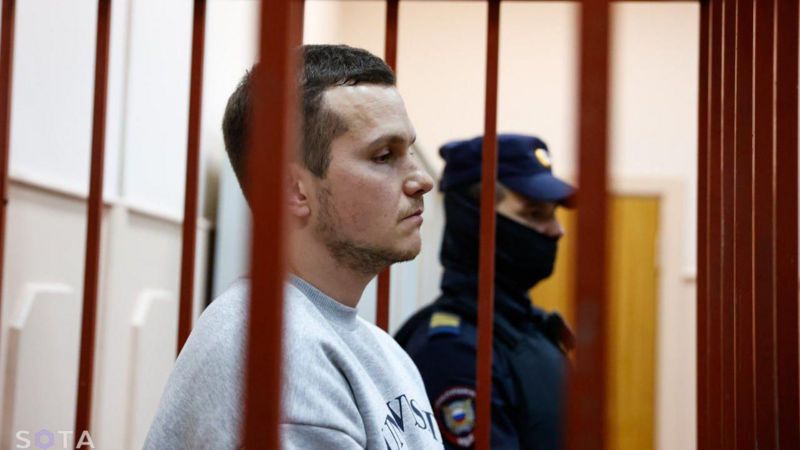
On 13 October 2023, Vadim Kobzev, Alexey Liptser and Igor Sergunin – who had been acting as Navalny’s defence lawyers — were arrested and detained at Basmanny District Court in Moscow on charges of purportedly participating in an “extremist community”, with a potential sentence of up to six years’ imprisonment if convicted. As such, the criminal proceedings against Vadim Kobzev, Alexey Liptser and Igor Sergunin amount to persecution.
The charges are reportedly based on accusations that the three lawyers facilitated Navalny’s communication with the outside world while in detention.
Moreover, another lawyer representing Navalny, Alexander Fedulov, apparently fearing being arrested, was forced to flee the country following the arrest of his three colleagues.
The arrest and detention of the three lawyers and Fedulov’s flight significantly disrupt Navalny’s ability to defend himself through the assistance of qualified, independent legal counsel of choice, and his ability to challenge the criminal convictions and sentences, which led to his detention since 2022 as a result of a series of criminal cases against him widely believed to be politically motivated.
“The detention of Navalny’s lawyers is likely to constitute part of a wider strategy to isolate him even further. Moreover, it sends a chilling message to anyone wishing to defend human rights and political activism”, said Shakirov. “This is contrary to the right of lawyers to practise their profession freely, and it denies Navalny his right to legal representation, a fair trial guarantee protected under international human rights law binding on the Russian Federation”.
The ICJ stresses that the harassment and arbitrary detention of lawyers contravene the Russian Federation’s obligations under international law, including under the International Covenant on Civil and Political Rights and the UN Basic Principles on the Role of Lawyers. They affirm the crucial role of lawyers in upholding the rule of law and protecting human rights. It is crucial to ensure that lawyers can perform their legitimate professional functions without intimidation, hindrance, harassment, or improper interference, as guaranteed under the Basic Principle on the Role of Lawyers.
“The ICJ calls on the Russian Federation: to immediately stop this flagrant violation of the guarantees afforded to lawyers under international human rights law; for an end to these persecutory criminal proceedings; for all charges against Vadim Kobzev, Alexey Liptser and Igor Sergunin to be dropped; and for them to be immediately released”, added Shakirov.
Furthermore, the ICJ urges the Russian authorities to cease the persecution and harassment of lawyers and to take steps to ensure a safe environment where lawyers can operate without fear of reprisal for their work.
Background:
According to the UN Basic Principles on the Role of Lawyers, governments must ensure that lawyers are able to perform all of their professional functions without intimidation, hindrance, harassment or improper interference and must not face sanctions for discharging their duties in accordance with professional standards and ethics (Principle 16). Furthermore, lawyers must not be identified with their clients or their clients’ causes as a result of discharging their functions. (Principle 18).
The UN Basic Principles also specify that lawyers like others have a right to freedom of expression and in particular the right to take part in public discussion of matters concerning the law, the administration of justice and the promotion and protection of human rights” (Principle 23)
The arrest of the three lawyers has prompted a call for a strike within the Russian legal community to demonstrate against the hostile environment within which lawyers in the Russian Federation operate, particularly those defending human rights and representing political activists.
Oct 16, 2023 | News
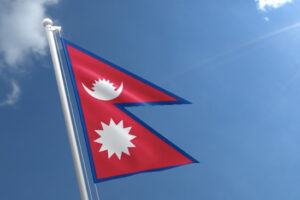
Judges and Prosecutors in Nepal have taken up the challenge to step up their efforts to ensure that victims and survivors of human rights violations are able effectively to access justice.
At a Judicial Dialogue convened by the International Commission of Jurists (ICJ) and Advocacy Forum Nepal (AFN) in collaboration with Judges Society Nepal (JSN) on 15 – 16 September 2023, judges and prosecutors from district and high courts in Gandaki Province in Nepal attended and assessed the challenges faced by victims and survivors in the context of the stalled transitional justice process which followed from the end of Nepal’s internal armed conflict in 2006.
The Government of Nepal has made repeated commitments to ensure access to justice and the Supreme Court of Nepal has affirmed that the authorities have firm legal obligations to act in the transitional justice process. Participants considered that there had been serious undue delay in the Nepalese TJ process over years, which have included ineffective commissions, non-implementation of court rulings and a failure to take into account the voices of victims of human rights violations. There was therefore a pressing need for judges and public prosecutors to play a more proactive role in order to address conflict-era gross violations delivering justice for the victims of the violations.
ICJ Commissioner and former Chief Justice of the Supreme Court of Nepal Kalyan Shrestha, emphasized that it was indispensable to adhere to international and domestic human rights law, including the jurisprudence of the Supreme Court. He expressed concern that adjudication of conflict-related cases had been significantly delayed, resulting in a prolonged wait for justice for the victims of human rights violations. Justice Shrestha also underscored the need for Nepal’s judiciary and public prosecutors to effectively fulfill their responsibilities and ensure justice for victims of human rights violations, in accordance with a well-developed body of jurisprudence on justice in the transitional context.
Justice Ishwor Khatiwada of the Supreme Court of Nepal reviewed the status of human rights guaranteed under the Constitution of Nepal. More than a thousand cases related to conflict-era human rights violations have been pending at different courts, and there was no law that restricts courts/judges from deciding the cases of human rights violations from conflict. The Government of Nepal had been refusing victims of conflict access to regular justice system arguing that they will be provided justice by transitional justice mechanisms. However, these promised TJ mechanisms had not been established even more than a decade and a half after signing the Comprehensive Peace Agreement (CPA), making commitments to create these mechanisms.
Justice Ananda Mohan Bhattarai, Justice of the Supreme Court of Nepal highlighted that jurisprudence established by the Supreme Court mandated a robust role of the judiciary in assessing the implementation of its jurisprudence.
Mandira Sharma, ICJ Senior Legal Advisor, provided insights into the global context of transitional justice and discussed the challenges, lessons learned, and good practices.
High Court Judge Tek Prasad Dhungana, General Secretary of Judges Society Nepal presented the objectives of the dialogue, which was chaired by Mr. Baburam Regmi, Acting President of Judges Society Nepal and former High Court Judge and facilitated by Kathmandu District Court judge Raju Kumar Khatiwada.
Contact:
Dr Mandira Sharma, ICJ Senior International Legal Adviser, t: +9779851048475, e: mandira.sharma@icj.org
Kashiram Dhungana, ICJ Legal Adviser, Nepal, t: +9779851226964, e: kashiram.dhungana@icj.org