Geneva, 1 February 2026
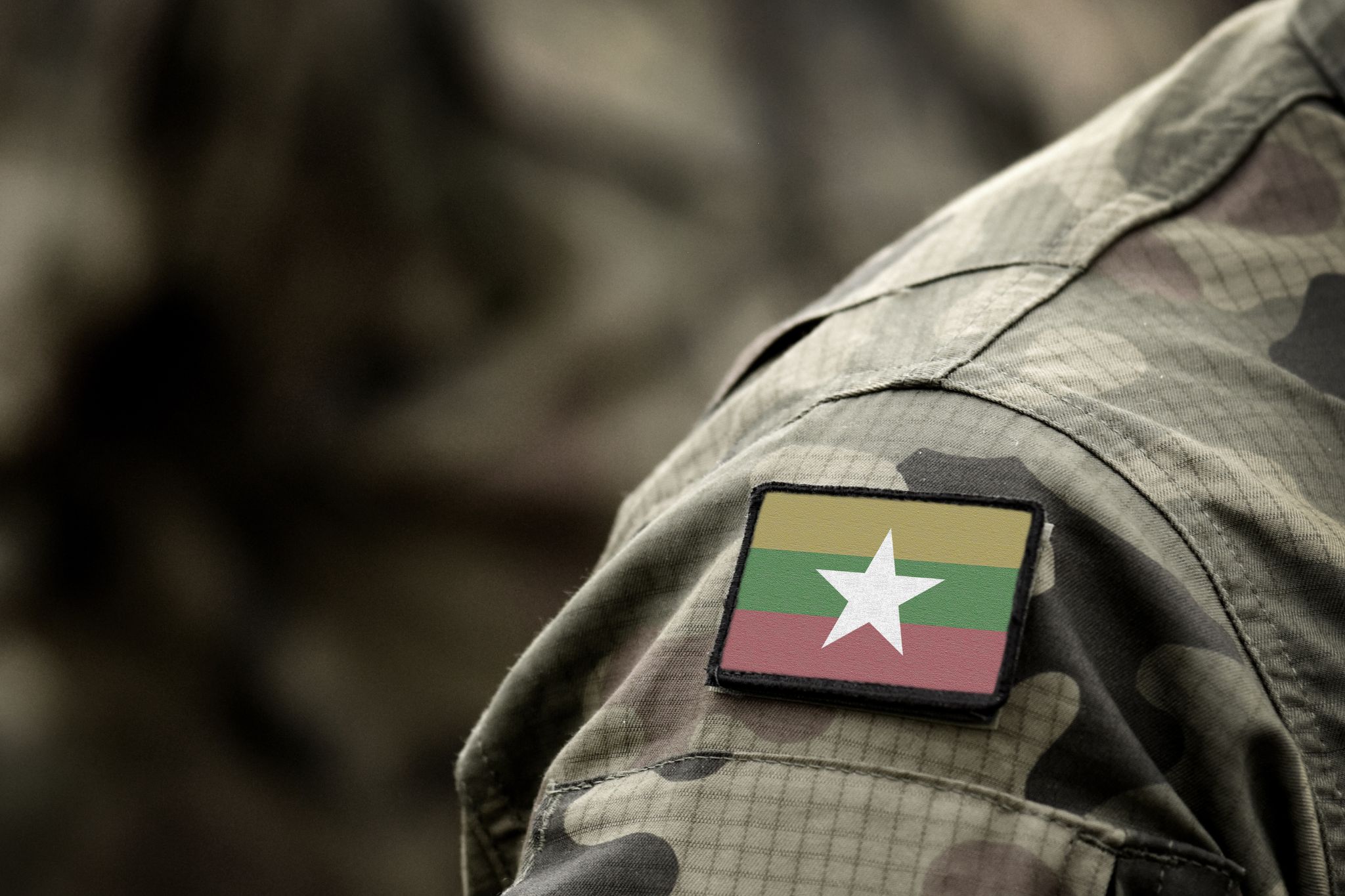
As Myanmar marks five-years since its military unlawfully seized power, the country’s justice system has been systematically transformed into a tool of repression.
The International Commission of Jurists (ICJ) calls on the military authorities to move immediately to restore civilian and constitutional rule operating under the rule of law. It further calls on all States to deny any form of military support to Myanmar, which has enabled the junta to continue committing serious human rights abuses with complete impunity.
Since the coup was launched in February 2021, the military has purported to amend, annul, and enact a slew of laws, the effect of which has been to stifle, and sometimes to criminally prosecute, human right defenders, political activists, journalists, individual lawyers, and potentially any individual from the public at large.
“Myanmar has been plunged into a state where the rule of law has entirely ceased to operate, judicial independence has effectively collapsed, and courts entirely operate as extensions of military authority”, said Mandira Sharma, ICJ Director for Asia and Pacific Region.
The right to a fair trial by a competent independent and impartial court, and the attendant guarantees are routinely violated in Myanmar. Persons detained for political reasons frequently are subjected face torture or other ill-treatment during interrogation, restricted or denied access to independent lawyers, and severe limitations on their ability to present a defense. Increasingly individuals are charged in multiple, overlapping cases across different township courts for related conduct, resulting in sentences that amount to decades of imprisonment. Proceedings are often conducted behind closed doors and under intense pressure from security forces, in violation of the right to a public trial.
Lawyers who represent political detainees or challenge procedural violations routinely face harassment, surveillance, arrest, and in some cases prosecution. Legal representation itself has been criminalized, with lawyers imprisoned simply for carrying out their professional duties. Even after release or amnesty, lawyers face license revocation and systematic blacklisting, preventing them from resuming their profession.
Five years on, impunity is deeply entrenched. There is no effective domestic pathway to justice under military rule, leaving victims and survivors without redress and underscoring the urgent need for sustained international attention. Accountability mechanisms at the international level such as the the Independent Investigative Mechanisms for Myanmar (IIMM), UN Special Rapporteur on the Situation of Human Rights in Myanmar, and the available of universal jurisdiction in domestic courts remain critical.
“These accountability mechanisms need adequate resources to address ongoing violations in Myanmar and supporting the Myanmar people’s right to justice, dignity, and the rule of law.” Sharma further added.
Contact
Mandira Sharma, Regional Director, Asia and the Pacific Programme, e: mandira.sharma@icj.org