Oct 1, 2019 | News
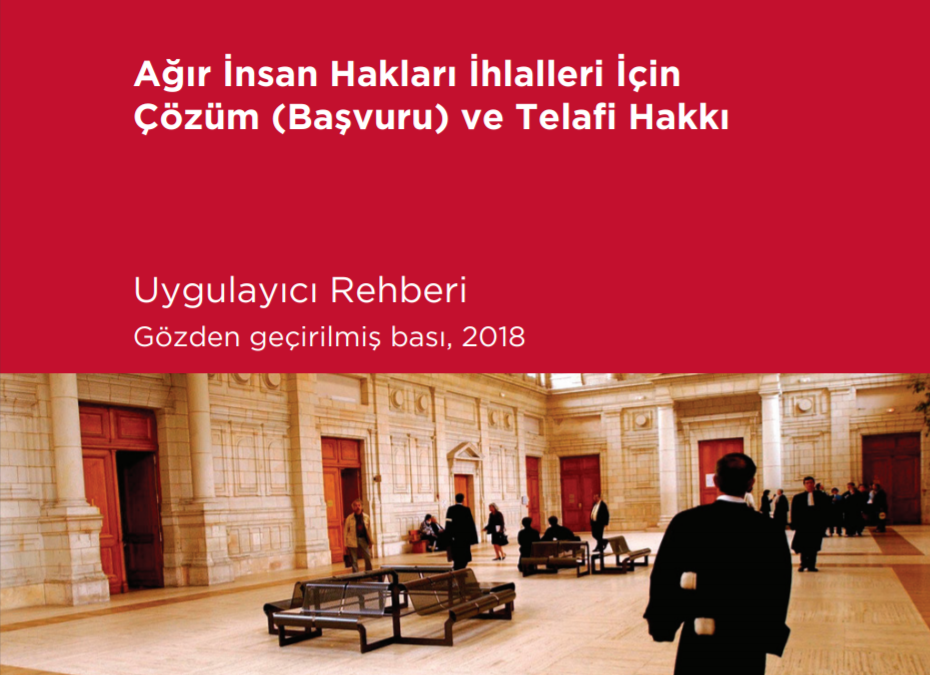
Today, the ICJ published a Turkish translation of Practitioners’ Guide N°2 on the Right to a Remedy and Reparation for Gross Human Rights Violations.
The translation has been funded by the European Instrument for Democracy and Human Rights (EIDHR).
Under its Global Redress and Accountability Initiative, the ICJ had launched its 2018 update to Practitioners’ Guide No 2, outlining the international legal principles governing the right to a remedy and reparation for victims of gross human rights violations and abuses by compiling international jurisprudence on the issues of reparations.
The Guide is aimed at practitioners who may find it useful to have international sources at hand for their legal, advocacy, social or other work.
Amongst revisions to the Guide, the 2018 update includes new sections on terminology and on non-discrimination;updated sections on the notions of ‘collective victims’, ‘collective rights’, the rights of ‘groups of individuals’; additional references to the work of the Committeeon the Elimination of Discrimination against Women and the Committee on the Rights of the Child; an updated section on remedies for unlawful detention, including references to the 2015 UN Basic Principles and Guidelines on Habeas Corpus; and updates on gender-based violence and on violations occurring in the context of business activities.
The Guide first recalls the States’ general duty to respect, protect, ensure and promote human rights, particularly the general duty of the State and the general consequences flowing from gross human rights violations (Chapter 1).
It then defines who is entitled to reparation: victims are, of course, the first beneficiaries of reparations, but other persons also have a right to reparation under certain circumstances (Chapter 2).
The Guide goes on to address the right to an effective remedy, the right to a prompt, thorough, independent and impartial investigation and the right to truth (Chapters 3-4).
It then addresses the consequences of gross human rights violations, i.e. the duty of the State to cease the violation if it is ongoing and to guarantee that no further violations will be committed (Chapter 6). It continues by describing the different aspects of the right to reparation, i.e. the right to restitution, compensation, rehabilitation and satisfaction (Chapter 7).
While the duty to prosecute and punish perpetrators of human rights violations is not necessarily part of the reparation as such, it is so closely linked to the victim’s right to redress and justice that it must be addressed in this Guide (Chapter 8).
Frequent factors of impunity, such as trials in military tribunals, amnesties or comparable measures and statutes of limitations for crimes under international law are also discussed (Chapter 9).
The guide in Turkish is available here.
This document has been produced with the financial assistance of the European Union. The contents of this document are the sole responsibility of the ICJ and can under no circumstances be regarded as reflecting the position of the European Union.

Jan 31, 2019 | Multimedia items, News, Video clips
For the past two years the ICJ and its partners Refugee Rights Turkey (RRT), the European Council on Refugees and Exiles (ECRE) and Mülteci-Der (MD) have provided trainings and training materials for Turkish lawyers on international human rights law relating to migration and asylum as part of the project Fostering Access to Rights for Migrants, Refugees and Asylum-Seekers in Turkey.
The project has worked to enhance access to justice for migrants, refugees and asylum-seekers, through establishing, equipping and supporting a well-informed group of lawyers and civil society organizations in Turkey and link them with their counterparts in EU Member States to defend the rights of migrants, refugees and asylum-seekers.
In a public event on the 17 December 2019 hosted in Ankara to mark the conclusion of the project, the ICJ and its partners presented a promotional video describing the work conducted throughout the project.
Watch video here:
(Rough Turkish subtitles available but will be revised at a later stage | Turn the Turkish subtitle by clicking on CC.)
The project “Fostering Access to Rights for Migrants, Refugees and Asylum-Seekers in Turkey” is funded by the European Instrument for Democracy and Human Rights (EIDHR) of the European Union.
Dec 16, 2018 | Agendas, Events
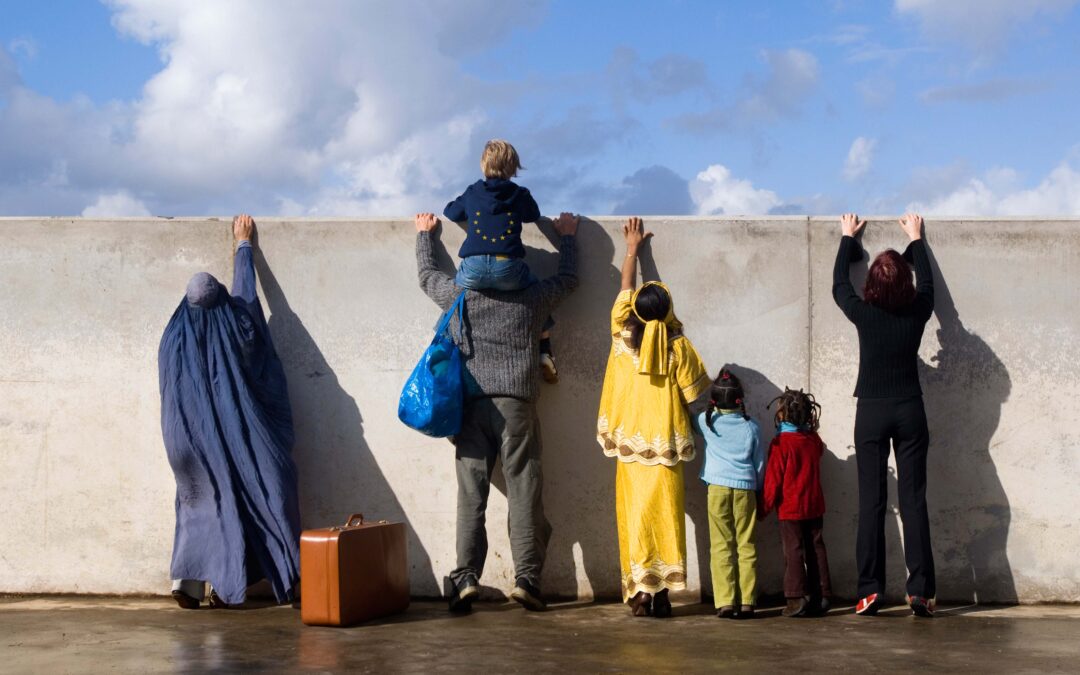
Today begins in Ankara (Turkey) a two-day international workshop for lawyers and CSO practitioners representing and working with migrants, refugees and asylum-seekers.
This event is organized by ICJ, in cooperation with its partners Refugee Rights Turkey, the European Council on Refugees and Exiles (ECRE), Mülteci-Der (MD) and ICJ-EI, as part of the EU co-financed project Fostering Access to Rights for Migrants, Refugees and Asylum-Seekers in Turkey.
Lawyers and civil society practitioners – representing numerous bar associations and relevant organisations from the Istanbul area and other nearby key migration and asylum locations – are taking part in the workshop that takes place on 16-17 December.
The international conference on “Legal avenues and the role of lawyers in protecting migrant and refugee rights” includes a section on strategic litigation on asylum and migration law and European experiences.
In the second part of the conference, a final workshop is held on 17 December to discuss efforts to support expertise and effectiveness of Turkish lawyers on asylum and immigration law. This workshop will bring together key stakeholders and interlocutors to strategize about the remaining gaps and needs and the next steps in this field.
During this workshop, the organisers will present their project and its results.
The project “Fostering Access to Rights for Migrants, Refugees and Asylum-Seekers in Turkey” is funded by the European Instrument for Democracy and Human Rights (EIDHR) of the European Union.
Turkey-Workshop-Agenda-MigrationAsylumIHRL-Ankara2-2018-eng (download the agenda in English)
Turkey-Workshop-Agenda-MigrationAsylumIHRL-Ankara2-2018-tur (download the agenda in Turkish)
Dec 15, 2018 | Agendas, Events
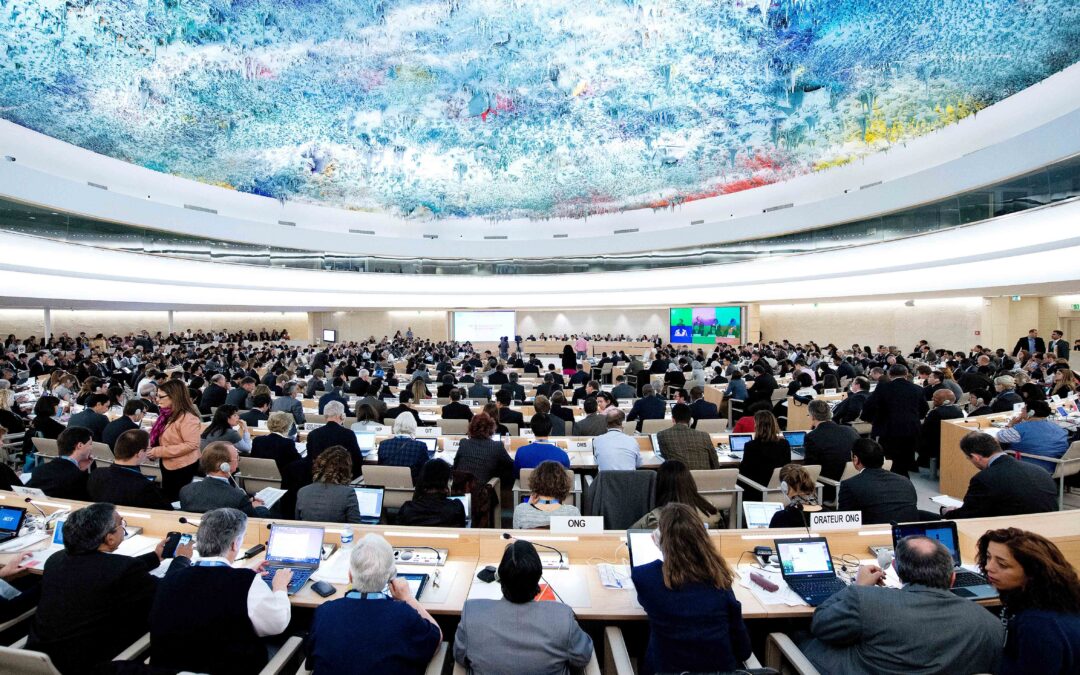
Today begins in Ankara (Turkey) a one-day workshop for lawyers and CSO practitioners on the use and strategies of UPR mechanisms.
This event is organized by ICJ, in cooperation with its partners Kapasite Geliştirme Derneği and Human Rights Joint Platform, as part a/the EU co-financed project Rebuilding and Ensuring Access to justice with civil society in Turkey.
20 lawyers and civil society practitioners are taking part in the workshop on 15 December in Ankara.
The workshop aims at discussing the functioning of the Universal Periodic Review of the UN Human Rights Council in which all States undergo periodically a peer-review of their human rights situation by other States. Turkey is set for its third cycle of examination in 2019
The main thematic areas to be discussed will be access to justice in Turkey, the situation of the judiciary and the rule of law, and the protection of womens’ rights.
The project is funded by the European Instrument for Democracy and Human Rights (EIDHR) of the European Union.
Turkey-Training-Agenda-UPR-Ankara-2018-tur (download the agenda in Turkish)
Turkey-Training-Agenda-UPR-Ankara-2018-eng (download the agenda in English)
Mar 3, 2018 | Agendas, Events, News
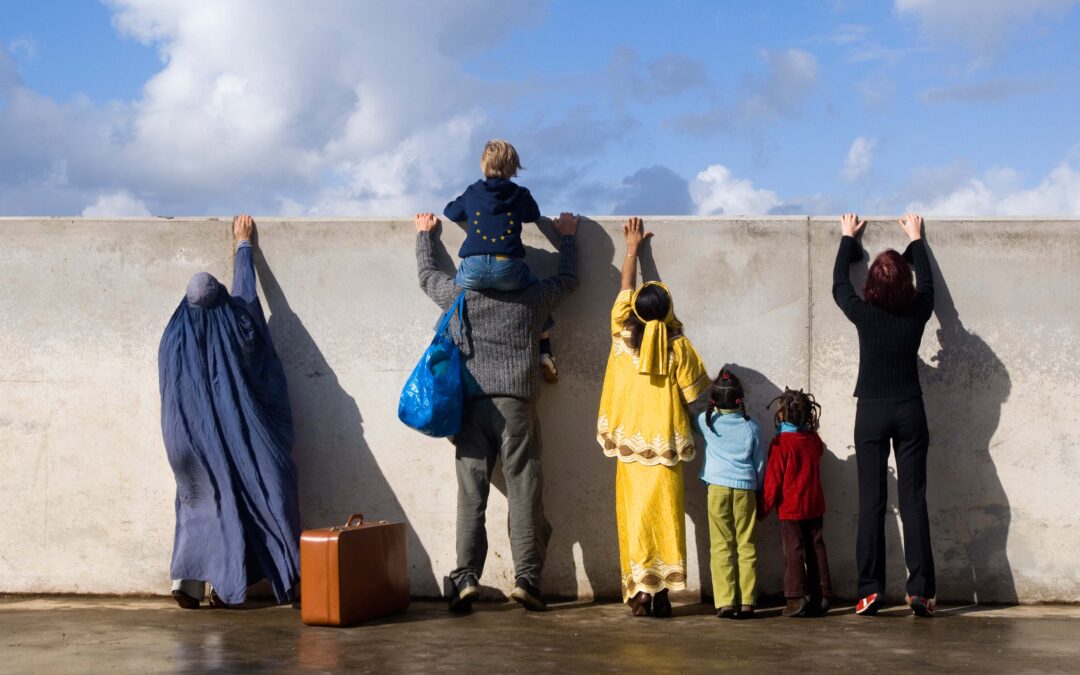
Today begins in Istanbul (Turkey) a two-day training for lawyers and CSO practitioners representing and working with migrants, refugees and asylum-seekers.
This event is organized by ICJ, in cooperation with its partners Refugee Rights Turkey, the European Council on Refugees and Exiles (ECRE), Mülteci-Der (MD) and ICJ-EI, as part of the EU co-financed project Fostering Access to Rights for Migrants, Refugees and Asylum-Seekers in Turkey.
30 lawyers and civil society practitioners – representing nine different bar associations and relevant organisations from the Ankara area and other nearby key migration and asylum locations – are taking part in the training on 3 and 4 March.
The training aims to update lawyers and CSOs on the international and national law on the rights of refugees, migrants and asylum-seekers in order to be effective in their work at both the national and international levels. It aims at an effective implementation of the Turkish legal framework on asylum and migration.
The main thematic areas to be discussed will be the principle of non-refoulement, international protection, detention and access to economic, social and cultural rights.
The training will use as a basis the draft training materials prepared by the ICJ and its partners (to be published an the end of 2019) and, among other sources, the ICJ Practitioners Guide no. 6: Migration and International Human Rights Law.
The project “Fostering Access to Rights for Migrants, Refugees and Asylum-Seekers in Turkey” is funded by the European Instrument for Democracy and Human Rights (EIDHR) of the European Union.
Turkey-Training-Istanbul2-MigrationAsylum-Agenda-2018-tur (download the agenda in Turkish)