Sep 27, 2019 | News
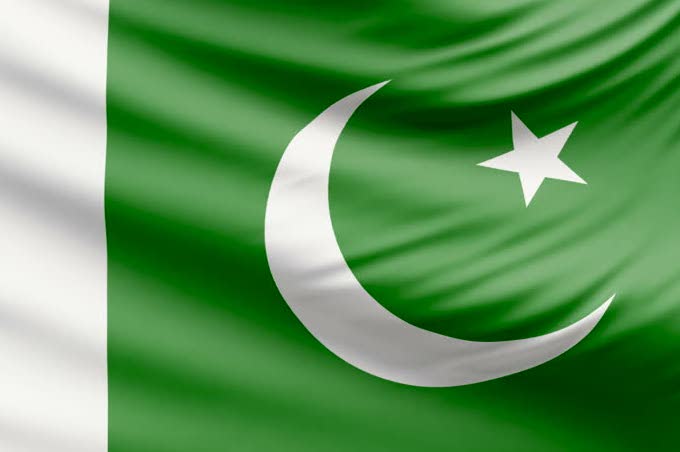
ICJ today denounced the promulgation of the Khyber Pakhtunkhwa Actions (In Aid of Civil Power) Ordinance, 2019, by the Governor of the Khyber Pakhtunkhwa province on 5 August 2019.
The ICJ said that implementation of the Ordinance will lead to serious human rights violations and miscarriages of justice, contrary to the purported aims of the measures.
“The Ordinance is yet another example of Pakistan’s resort to ‘exceptional’ measures that are grossly incompatible with human rights protections, ostensibly to combat terrorism and other serious crime,” said Frederick Rawski, ICJ’s Asia Director.
“Pakistan must reject this dangerous, oppressive, and counter productive strategy and instead strengthen its judicial process and law enforcement in line with its domestic law and international human rights law obligations,” he added.
The Ordinance gives sweeping powers to members of the armed forces, including the power to detain people without charge or trial on a number of vaguely defined grounds where it appears that such “internment” would be expedient for peace. Individuals may be detained for an unspecified period without any right to be brought before a court of law or to challenge the lawfulness of detention before a court.
In addition to the vague and overbroad detention provisions, the Ordinance provides that statements or depositions by members of the armed forces shall on their own be sufficient for convicting the detainees if they are tried for any offence.
The Ordinance also provides wide immunity for armed forces for any action done, taken, ordered to be taken, or conferred, assumed or exercised by, before or after the promulgation of the Ordinance.
The Ordinance is incompatible with “fundamental rights” guaranteed by the Constitution of Pakistan, as well as Pakistan’s international legal obligations, including under the International Covenant on Civil and Political Rights (ICCPR), the ICJ said.
Article 9(4) of the ICCPR, for example, guarantees the right of all detainees to take proceedings before a court to challenge the lawfulness of their detention, and to be released if the court finds such detention unlawful.
The President of Pakistan passed similar regulations, namely, the Actions (In Aid of Civil Power) Regulations in 2011, which were applicable in the former Federally Administered Tribal Areas (FATA) and the Provincially Administered Tribal Areas (PATA). The Actions (in Aid of Civil Power) Regulations were extensively used as a legal cover for arbitrary detention and enforced disappearances.
In their review of Pakistan’s implementation of the ICCPR and the Convention against Torture (CAT), the UN Human Rights Committee and the UN Committee against Torture in 2017 expressed concern about the Regulations, and recommended that Pakistan “review the Actions (in aid of Civil Power) Regulation, 2011 with a view to repealing it or bringing it into conformity with international standards.”
“It is regrettable that not only did Pakistan flout these express recommendations of the UN Committees, but that it extended the scope of the regulations,” added Rawski.
“This step also calls into question Pakistan’s pledge for election to the UN Human Rights Council in 2017, where Pakistan ‘firmly resolved to uphold, promote and safeguard universal human rights and fundamental freedoms for all’,” Rawski said.
ICJ urges the Pakistan Government to immediately revoke the Khyber Pakhtunkhwa Actions (In Aid of Civil Power) Ordinance, and to review all national security legislation to ensure it is fully compatible with international human rights law and standards.
Contact
Frederick Rawski (Bangkok), ICJ Asia Pacific Regional Director, e: frederick.rawski(a)icj.org
Reema Omer, ICJ Legal Advisor (South Asia) t: +447889565691; e: reema.omer(a)icj.org
–
Full statement, with additional information: Pakistan-Khyber Pakhtunkhwa Actions Ordinance-Press releases-2019-ENG (PDF)
Sep 26, 2019 | Events, News
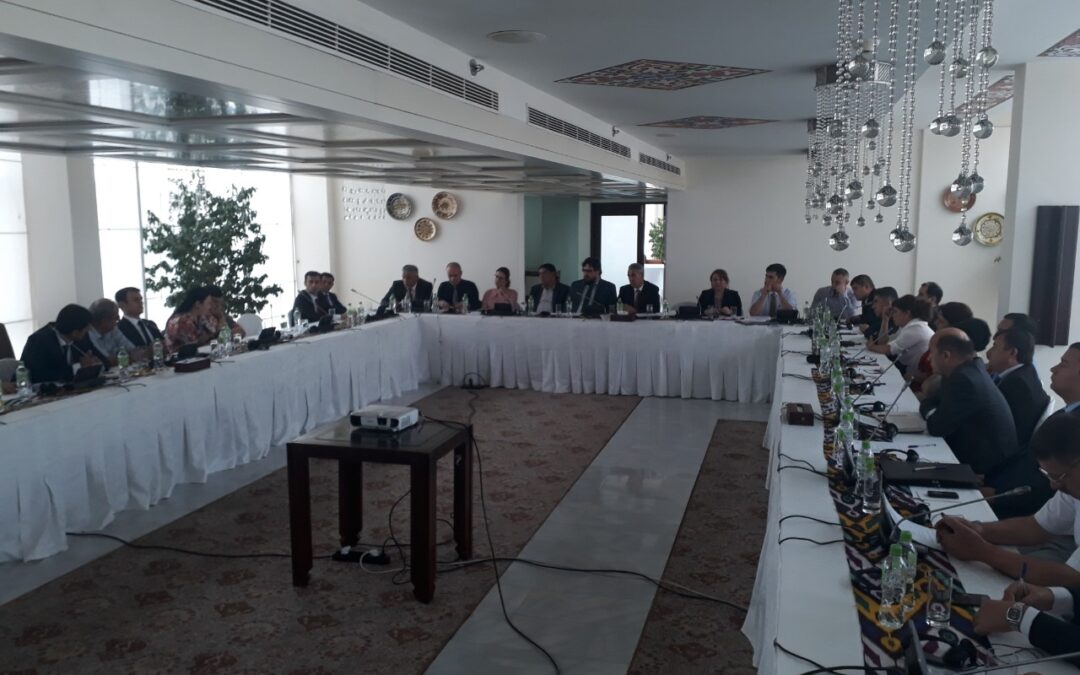
Today, the International Commission of Jurists (ICJ) in cooperation with the Civil Society Coalition Against Torture and Impunity in Tajikistan and the Union of Lawyers of the Republic of Tajikistan hold the final event within the framework of its Global redress and accountability initiative.
This event presents an opportunity to discuss measures to prevent impunity and ensure accountability for the use of torture and cruel, inhuman and degrading treatment (CIDT) in Tajikistan.
The findings of the research on the key challenges for effective investigation of torture and CIDT, carried out by the Coalition Against Torture under the initiative, will be presented at the event. The ICJ will launch its compilation of the cases decided by the UN Human Rights Committee concerning allegations of torture in Tajikistan.
Background information:
The ICJ’s Global redress and accountability initiative focused on seven countries (Cambodia, Mozambique, Myanmar, Nepal, Tajikistan, Tunisia and Venezuela) and it aimed to combat impunity and promote redress for gross human rights violations.
It concentrates on the transformative role of the law, justice mechanisms and justice actors, seeking to achieve greater adherence of national legal and institutional frameworks with international law and standards so as to allow for effective redress and accountability; more independent justice mechanisms capable of dealing with challenges of impunity and access to redress; and judges, lawyers, human rights defenders, victims and their representatives that are better equipped to demand and deliver truth, justice and reparation.
Agenda here.
Sep 25, 2019 | Events, News
The ICJ is organizing its first fundraising Gala concert on Monday 14 October at 7:30pm in the Palais Eynard, 4 rue de la Croix Rouge, Geneva. The event will support the ICJ and its fight for the defense of the Rule of Law in the world and marks the end of the series of events we organized for our 60th anniversary in the city of human rights.
The theme of our Gala will be: “Geneva, the Defense of the Rule of Law: What can I do?”
After a welcome from the Mayor of Geneva and an introduction from Me Pierre de Preux, former Bâtonnier of the Geneva Bar, ICJ Commissioners including Sir Nicolas Bratza (former President of the European Court of Human Rights), Dame Silvia Cartwright (former Judge and Governor General of New Zealand), Professor Bob Goldman (ICJ President and former President of the Inter-american Commission on Human Rights) and Ms Roberta Clarke (ICJ Executive Chair, UN Women’s Office for the Caribbean, UN Women’s Regional Office for Asia and the Pacific) will give concrete answers to this question.
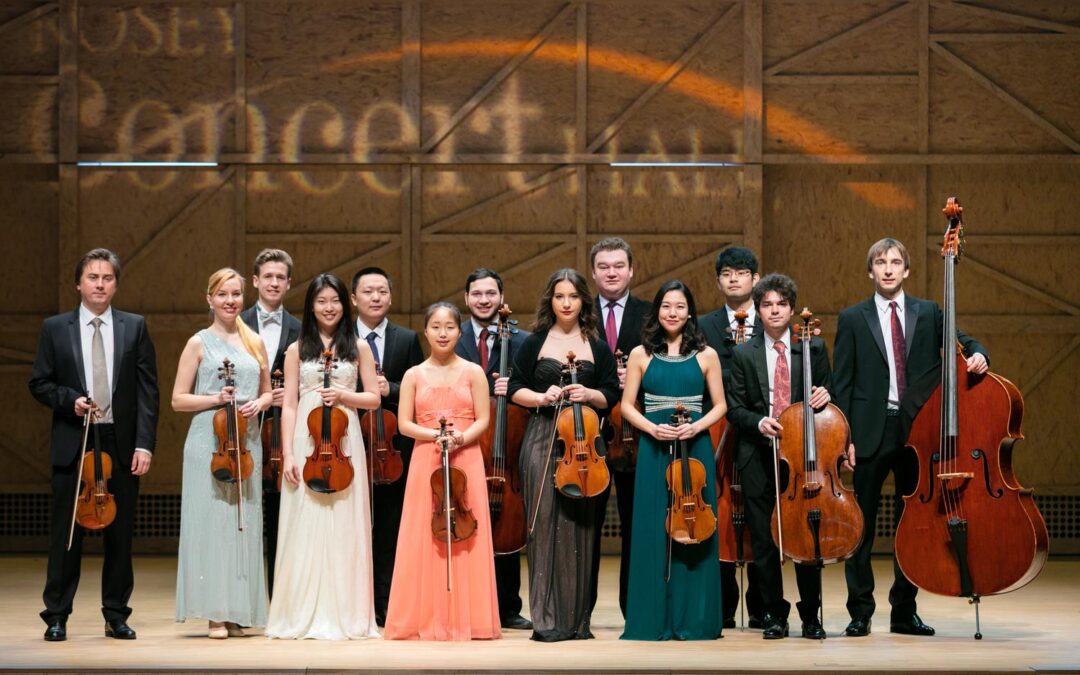
But the evening is also to enjoy a wonderful Concert of the ‘Soloists of the Menuhin Academy’ (photo) and the cocktail after that.
To reserve: Pascale.andris@icj.org
You cannot come but still want to make a donation: please click here
Download the invitation
Invitation Gala 14 Oct
Sep 25, 2019 | News
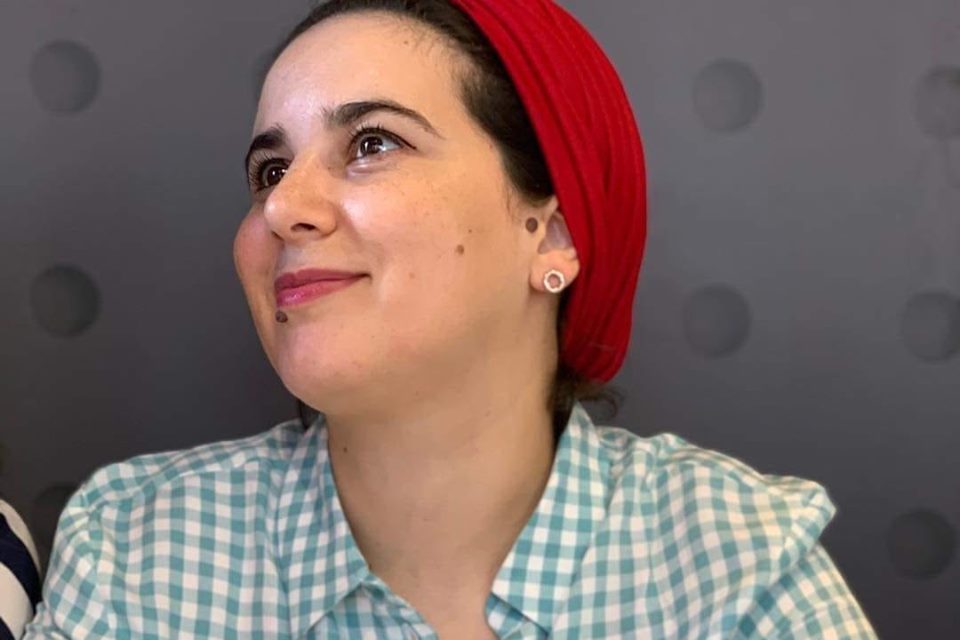
The Moroccan authorities should immediately and unconditionally release Moroccan journalist Hajar Raissouni and drop all charges against her, says the ICJ.
She was arrested on 31 August 2019, and has been detained since then on charges relating to “extra-marital sexual relations” and, purportedly, having consented to an “illegal abortion”.
Alongside Raissouni, the Moroccan authorities arrested and detained a medical doctor and two medical staff of the clinic where she had undergone medical treatment, and her fiancé. They too should be immediately and unconditionally released and have all charges against them dropped.
Raissouni is a journalist working for the independent daily newspaper Akhbar al-Yaoum. On 31 August, Raissouni and her fiancé were stopped in Rabat as they left the clinic where, according to her lawyers, she had been undergoing treatment for internal bleeding.
Plainclothes police officers questioned the couple about the medical treatment she had been receiving, and accused the journalist of having had an abortion.
After her arrest, Raissouni was forcibly subjected to a vaginal examination. She was then charged with “having an extramarital relationship” and with “consenting to have an illegal abortion”.
“Ms Raissouni’s rights to privacy, to bodily integrity and to be free from torture and other ill-treatment, as well as her rights to liberty and security of person, including her freedom from arbitrary detention, and her right to sexual and reproductive health, have been violated by the very same authorities that are supposed to respect and protect them,” said Said Benarbia, Director of the Middle East and North Africa Programme at the International Commission of Jurists (ICJ).
“She and others detained in connection with this case must be immediately and unconditionally released, the charges against them must be dropped, and their right to an effective remedy, including reparation must be ensured,” he added.
Raissouni, who was questioned after her arrest about her work as a journalist, recently covered mass demonstrations in the Rif region in the North of Morocco, where the protests by the local population were met with police repression.
This raises legitimate concerns over the political nature of the charges and prosecution against her.
On 5 September, the Rabat prosecutor’s office issued a public statement revealing that the results of the so-called medical examination to which Raissouni had been subjected purportedly indicated that she had undergone an abortion. The prosecutor also rejected all accusation that the charges against her were motivated by Raissouni’s work as a journalist.
On 23 September, Raissouni and the other accused, who remain in custody after their request for provisional release was rejected, appeared before the First Instance Tribunal of Rabat where they denied all charges.
Background
In Morocco, abortion is only allowed “if necessary to protect the mother’s health” (article 453 of the Penal Code) and is otherwise publishable with up to two years’ imprisonment and a fine (article 454). Consensual sex out of wedlock is also a criminal offence under article 490 of the Penal Code, punishable with up to one year’s imprisonment. These provisions are not consistent with Morocco’s obligations under international human rights law obligations, including the International Covenant on Civil and Political Rights to which Morocco is a State party.
In its 2019 report Obstacles to Women’s and Girls’ Access to Justice for Gender-based Violence in Morocco, the ICJ urged the Moroccan authorities to amend these provisions in order to recognize one’s right to sexual autonomy, among others, and to facilitate access to safe and legal abortion.
Download
Morocco-Abortion-News-web stories-2019-ARA (full story in Arabic, PDF)
Sep 24, 2019 | Events, News
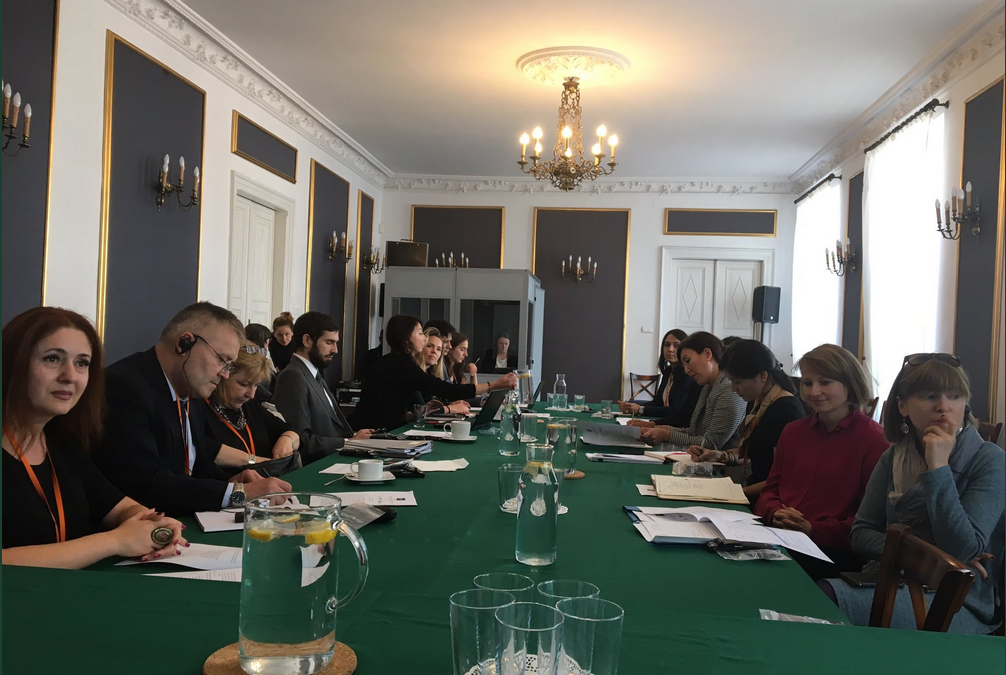
The ICJ in cooperation with a number of other leading international NGOs has organised a discussion on key challenges and opportunities for the legal profession in a number of CIS countries. The discussion aimed to share the experience of bar associations in achieving greater independence from the governmental authorities and any other undue influences.
The participants have shared their legislation and practices, specific challenges and lessons learned in taking steps to achieve institutional sustainability and independence to date, and opportunities for the legal profession, domestically and in coordination with other associations and international NGOs, to raise awareness and build legal and practical framework to enable a stronger institutional capacity and independent functioning. In addition, the ICJ, ABA, IBA, Lawyers for Lawyers, representatives of bar associations and legal experts have discussed what steps should be taken to support these efforts.
Sep 24, 2019 | News
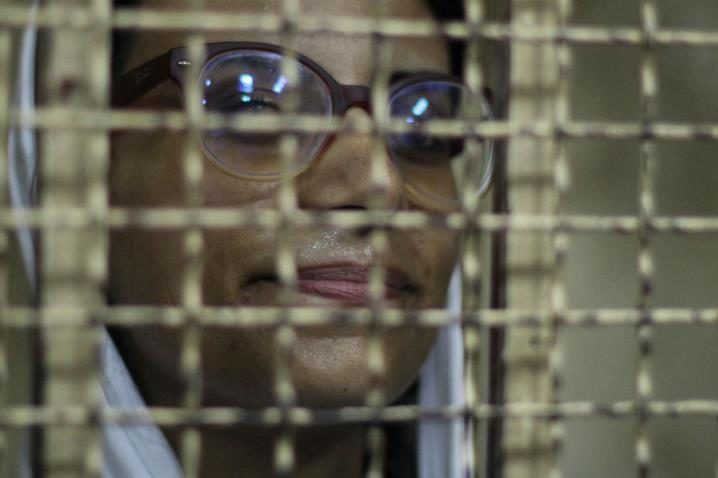
The ICJ today called for the immediate release of lawyer Mahienour al-Massry and hundreds of peaceful protestors who have been arbitrarily arrested by the Egyptian authorities in the context of recent protests against government corruption and President Abdel Fattah al-Sisi.
On 22 September 2019, Mahienour al-Massry was arrested by plain-clothes police officers outside the Supreme State Security Prosecution headquarters in Cairo, after representing five detainees in judicial investigations.
The next day she was brought before the same Supreme State Security Prosecution on unknown charges.
The detainees represented by Al-Massry had been arrested during the recent protests against President Sisi, which commenced on 20 September 2019 when hundreds of Egyptians took the streets in Cairo, Alexandria, Damietta, Mahalla al-Kubra and Suez, among other cities.
Police responded by firing tear gas and arresting hundreds.
Media accounts indicate that nearly 500 people have been arrested, most or all arbitrarily, since the protests commenced. However, documentation by local NGOs indicates that as many as 800 people may have been arrested, apparently for “participating in a ‘terrorist group’ operation” and “distributing fake news to disturb the public opinion.”
“The Egyptian authorities must drop the charges against Mahienour al-Massry, promptly release her and immediately stop persecuting, intimidating and interfering with the work of lawyers protecting the rights of others,” said Said Benarbia, Director of ICJ’s Middle East and North Africa Programme.
Mahienour al-Massry was charged in 2013 and again in 2015 for taking part in peaceful protests, for each of which she received one year-long terms of imprisonment.
Mahienour al-Massry’s recent arrest constitutes an effective sanction that violates her right to liberty under article 9 of the International Covenant on Civil and Political Rights and UN Basic Principles on the Role of Lawyers.
It also impedes the right of her clients to legal representation under article 14 of the ICCPR.
The ICJ previously filed a submission to the Universal Periodic Review regarding arbitrary arrests and detentions and systematic use of pre-trial detention in Egypt, and documented the use of the Egyptian justice system as a repressive tool to eradicate political expression and human rights work.
“The systematic use of arbitrary arrest and detention by State authorities is one of the very reasons Egyptians took to the street in protest,” said Benarbia.
“The authorities’ response provides further evidence of the widespread violations of rights Egyptians face under the current regime,” he added.
Contact:
Said Benarbia, Director of the ICJ Middle East and North Africa Programme, t: +41-22-979-3817; e: said.benarbia(a)icj.org
Download:
Egypt-al-Massry-News-web stories-2019-ARA (story in Arabic, PDF)