Jan 10, 2013 | News
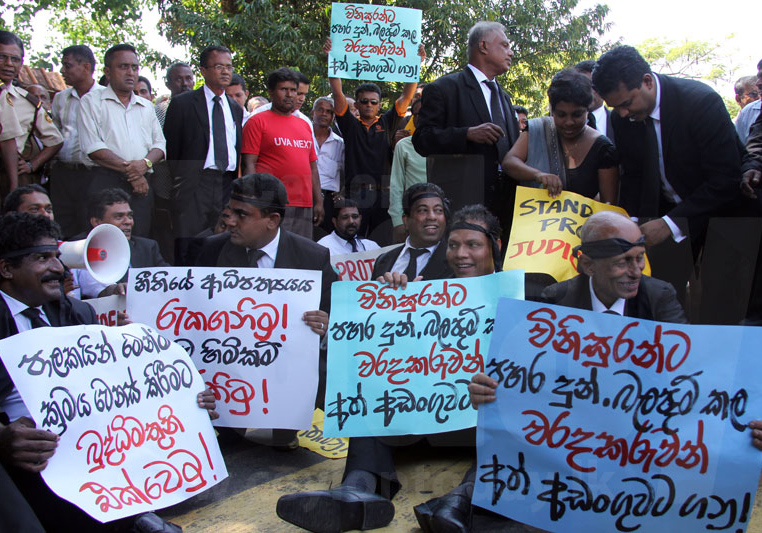
Like the ICJ, the Bar Association of Sri Lanka (BASL) issued a statement strongly condemning the impeachment of Chief Justice Bandaranayake.
The BASL called on its members to refrain from attending Court or engaging in any professional duties on 10 and 11 January 2013 in protest of Parliament’s decision to move forward with the impeachment process. The statement is reproduced below:
The Bar Association of Sri Lanka strongly, unequivocally and with no reservations whatsoever condemns the decision to take up for debate the impeachment motion against her Ladyship the Chief Justice Dr. Shirani A. Bandaranayake based on the findings of the Parliamentary Select Committee which was quashed by the Court of Appeal and determined to be unlawful by the Supreme Court. The Bar Association has decided to call for all its members (in 78 Branch Associations) to refrain from attending to any Professional duty in protest on the 10th and 11th of January 2013 to express our deplorable condemnation.
The Bar Association of Sri Lanka further urges H. E. the President of the Republic, Hon. Speaker and the leaders of all political parties representing the Parliament to honour and respect the determination of the Supreme Court which in terms of the Constitution of our country is vested with the sole and the exclusive jurisdiction as regards to Constitutional Interpretation and Determinations.
The Bar Association of Sri Lanka is seriously concerned about the negative and eroding impact that any action of the legislative and executive organs of the government to disrespect and dishonour such determination would have on the Rule of Law in this Country.
Sanjaya Gamag
Secretary
Bar Association of Sri Lanka
On 10 November 2012, the BASL held a Special General Meeting and passed a resolution expressing ‘grave concern about the impeachment and the independence of the Judiciary’ urging the President and Speaker of Parliament to ‘reconsider’ the impeachment or alternatively to adopt a transparent and accountable procedure.
On 15 December 2012, the BASL passed a further three resolutions calling on the President of Sri Lanka to again reconsider the impeachment or alternatively enact a procedure for impeachment which guaranteed the right to a fair trial. The BASL warned that if the rule of law or fair trial rights were not observed in the impeachment process, the Sri Lankan Bar would not welcome a new Chief Justice.
On the same issue: Sri Lanka’s Parliament should reject motion to impeach Chief Justice

Jan 9, 2013 | News
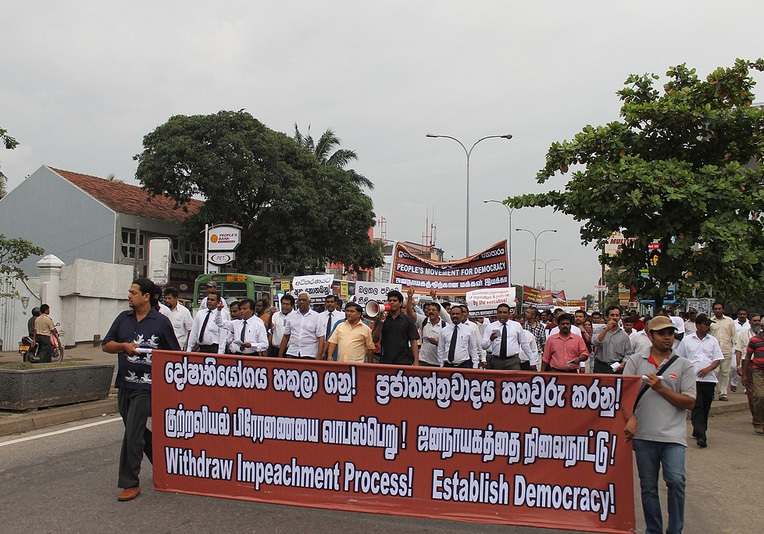 Members of Sri Lanka’s Parliament should reject the impeachment motion to remove Chief Justice Shirani Bandaranayake, that will be put before Parliament on 10-11 January 2013, the ICJ said today.
The ICJ call comes after a three-member panel of the Supreme Court, in a decision issued on 1 January 2013, ruled that the impeachment procedure in Parliament was not constitutionally valid, finding that such procedures could only be established ‘by law’ enacted by Parliament. The Standing Orders governing the current impeachment investigative process are not considered ‘law’ under the Constitution of Sri Lanka.
“The assault on the independence of the Sri Lankan judiciary in recent months has brought Sri Lanka to the brink of a constitutional crisis,” said Sam Zarifi, ICJ’s Asia Director. “If the impeachment motion is passed in Parliament in defiance of decisions of the country’s judiciary, it will signal a massive breakdown in the rule of law and checks and balances.”
The ICJ stresses that in a democratic society operating under the rule of law, the principle of judicial review is paramount and judges have the ultimate authority to determine what the law provides.
Following the Supreme Court decision, the Court of Appeal quashed the findings of the Parliamentary Select Committee on 7 January 2013, claiming the PSC lacked authority to make such a finding.
In response to the Supreme Court decision, President Mahinda Rajapakse announced his intention to create a four-member panel on 7 January 2013 to review the Parliamentary Select Committee Report and comment on its constitutional validity. The identities of the panel members have not been revealed.
“Creating another ad hoc committee on an arbitrary basis to pronounce on the validity of the impeachment process in Parliament – a process already held to be improper by the apex Court – aggravates the insult to the judiciary and deepens the constitutional crisis,” Zarifi said. “Judges are not above the law, and should be subject to impeachment if they have engaged in serious misdeeds, but the faulty process used by the Parliamentary committee violated basic notions of due process and truth-seeking.”
Last month, the Bar Association of Sri Lanka unanimously passed a resolution calling on the President to reconsider the impeachment, warning that if principles of rule of law were disregarded in the removal process, the Bar would not formally welcome the new Chief Justice.
“This current crisis threatens to leave Sri Lanka with little or no means to hold State officials accountable for serious human rights violations,” Zarifi added. “This government has shown itself committed to imposing a climate of impunity in Sri Lanka. The Parliament should stop the country’s sad slide away from the rule of law.”
The ICJ released a 150-page report in early November 2012 focusing on impunity in Sri Lanka and highlighting the recent attacks on the judiciary as a key factor that has led to the erosion of State accountability mechanisms.
The impeachment process against Chief Justice Shirani Bandaranayake has been widely criticized for ignoring international standards and practice.
The ICJ in an earlier statement called on the Government of Sri Lanka to adhere to international standards and practice in the impeachment hearings.
The ICJ reiterates its call on the Government of Sri Lanka to take active measures to promote the independence of the judiciary and rule of law by adhering to international standards and practice in impeachment hearings.
CONTACT:
Sam Zarifi, ICJ Asia-Pacific Regional Director, Bangkok, t:+66 807819002; email: sam.zarifi(at)icj.org
Sheila Varadan, ICJ Legal Advisor, South Asia Programme (Bangkok), t: +66 857200723; email: sheila.varadan(at)icj.org
BACKGROUND:
The impeachment motion was initiated just days after the Chief Justice ruled against the Government on a controversial bill – the Divi Neguma Bill, under which the Minister of Economic Development (who is also the President’s brother, Basil Rajapakse) would have had control over a fund of 80 billion Sri Lankan rupees (611 million USD) with minimal accountability.
Attacks on the judiciary have been escalating since July 2012. A Government Minister Rishad Bathiudeen threatened a Magistrate in Mannar and then allegedly orchestrated a mob to pelt stones at the Mannar courthouse. In early October 2012, the ICJ condemned the physical assault on the secretary of the Judicial Service Commission, Manjula Tillekaratne.
On 6 November 2012, a motion to initiate impeachment proceedings was brought against Chief Justice Shirani Bandaranayake. The motion contained fourteen charges relating to the non-disclosure of financial assets and improper conduct of a Chief Justice. On 8 November 2012, the Chief Justice’s lawyers responded to four of the fourteen charges, claiming that all operative bank accounts had been disclosed and only those accounts which were closed or held no funds were not declared.
On 6 December 2012, the Chief Justice and her team of lawyers walked out of the impeachment hearing in protest over the denial of a fair hearing.
On 8 December 2012, a majority of the Parliamentary Select Committee comprising government representatives found the Chief Justice guilty of four charges out of the fourteen allegations. The Committee’s released its findings despite the Supreme Court’s request in late November 2012 that hearings be delayed until it could determine the constitutionality of the proceeding.
Photo by vikalapa
Jan 8, 2013 | News
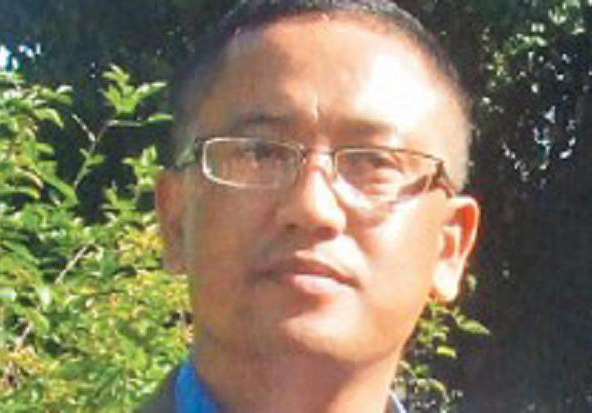
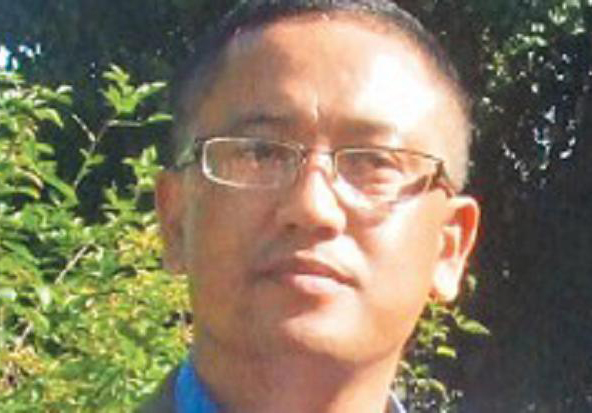 The Nepali government should cooperate with any investigation into allegations of torture against Nepal Army Colonel Kumar Lama, recently arrested and charged in the United Kingdom, the ICJ said today.
“The ICJ welcomes the steps taken by the UK to criminally investigate and bring to justice an individual suspected of the serious crime of torture,” said Sam Zarifi, ICJ’s Asia Director. “If the government wants to prevent the future prosecution of conflict-era human rights violations in foreign countries, then it must cooperate with the UK proceedings, and take immediate steps to investigate and prosecute similar violations domestically, in line with Nepal’s own international obligations and the jurisprudence of Nepal’s Supreme Court.”
UK authorities arrested Colonel Lama on January 3rd for his alleged involvement in the torture of detainees while commander of the Gorusinge Battalion barracks in Kapilbastu in 2005.
Colonel Lama is currently serving as UN peacekeeper in the Sudan. At the time of the arrest, he was visiting family members who reside in the UK.
In response to the arrest, senior Nepali government leaders including the Deputy Prime Minister have called for his immediate release, and characterized the arrest as an “attack on national sovereignty.”
The ICJ pointed out that such statements seem to be predicated on a basic misunderstanding of both the UK and Nepal government’s international obligations to investigate and prosecute acts of torture, which are crimes under international law.
The Convention Against Torture and Other Cruel, Inhuman or Degrading Treatment of Punishment, to which both the UK and Nepal are party, expressly provides under article 7 that a State must prosecute or extradite for prosecution a person found under its territorial jurisdiction.
This obligation is an expression of the legal principle of “universal jurisdiction,” under which all States have a duty, not only a right, to prosecute and punish crimes under international law, including torture, and to take effective measures including the adoption of national legislation to exercise jurisdiction over such crimes.
In many countries, including the UK, legislation grants the courts jurisdiction to prosecute certain international crimes, including torture, regardless of where the violations took place.
The UK legislation was passed as part of an effort to comply with international law, including the Geneva Conventions on the laws of war and the Convention Against Torture.
For the UK police to release Colonel Lama without conducting a full investigation, as called for by the government of Nepal, would constitute a violation of the UK’s own international obligations, the ICJ stresses.
“This arrest by the UK police is not a threat to the sovereignty of Nepal; on the contrary, the acceptance of international human rights legal obligations to combat torture constitutes a clear expression of sovereignty by both the UK and Nepal. The UK through its actions this week is rightfully discharging these obligations,” Zarifi said. “Nepali victims have been forced to seek redress outside their own country against perpetrators because of the government of Nepal’s track record of failing to prosecute conflict-era crimes.”
“Decades of experience from around the world demonstrates that the failure to provide truth and justice as a society transitions away from conflict hampers the development of a durable peaceful society. That’s why the Nepali government should do all it can to help thousands of Nepali victims receive truth and justice in Nepal, and wherever perpetrators may be hiding,” Zarifi added.
National courts are generally reluctant to invoke universal jurisdiction to prosecute foreign nationals, and usually only do so when it is clear that national authorities are unable or unwilling to investigate and prosecute the alleged violation.
In Nepal, successive governments have not only failed to show their commitment to prosecute these crimes, but have made systematic efforts to avoid accountability, and rewarded suspected violators with promotions, ministerial appointments and opportunities to participate in UN peacekeeping operations.
The ICJ advised the government of Nepal that the most effective way to prevent the future arrest and prosecution abroad of those alleged to have been responsible for torture and other gross human rights violations is to:
- Show its commitment to the international rule of law by cooperating with any investigation by the UK police into the culpability of Colonel Lama, including allowing police to visit Nepal if such a request is made as part of their investigation;
- Order the prosecution of serious crimes committed during the conflict to move forward, and end attempts to introduce an amnesty for such crimes;
- Introduce transitional justice legislation that is in line with Nepal’s obligations under international law, and precludes the granting of amnesty for serious crimes;
- End politically-motivated withdrawals of human rights cases now before Nepali courts; and
- Criminalize torture, enforced disappearance and other crimes under international law.
Contact:
In Kathmandu, for ICJ, Frederick Rawski: t +977-984-959-7681
In Bangkok, for ICJ Asia-Pacific, Sam Zarifi: t +66-807-819-002
FURTHER READING:
Nepal: ‘toothless’ commissions of inquiry do not address urgent need for accountability – ICJ report
Dec 14, 2012 | Multimedia items, Photo galleries
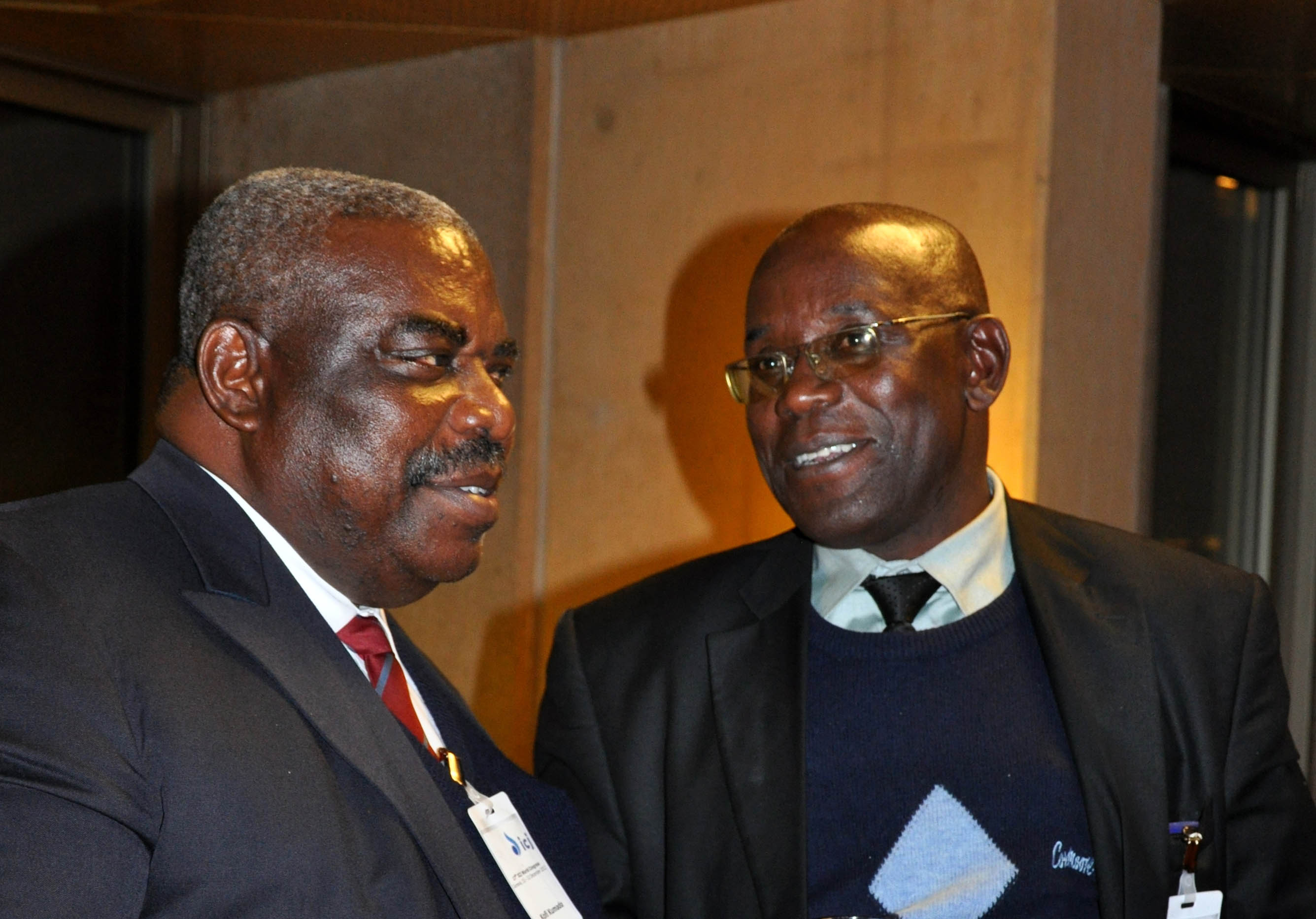
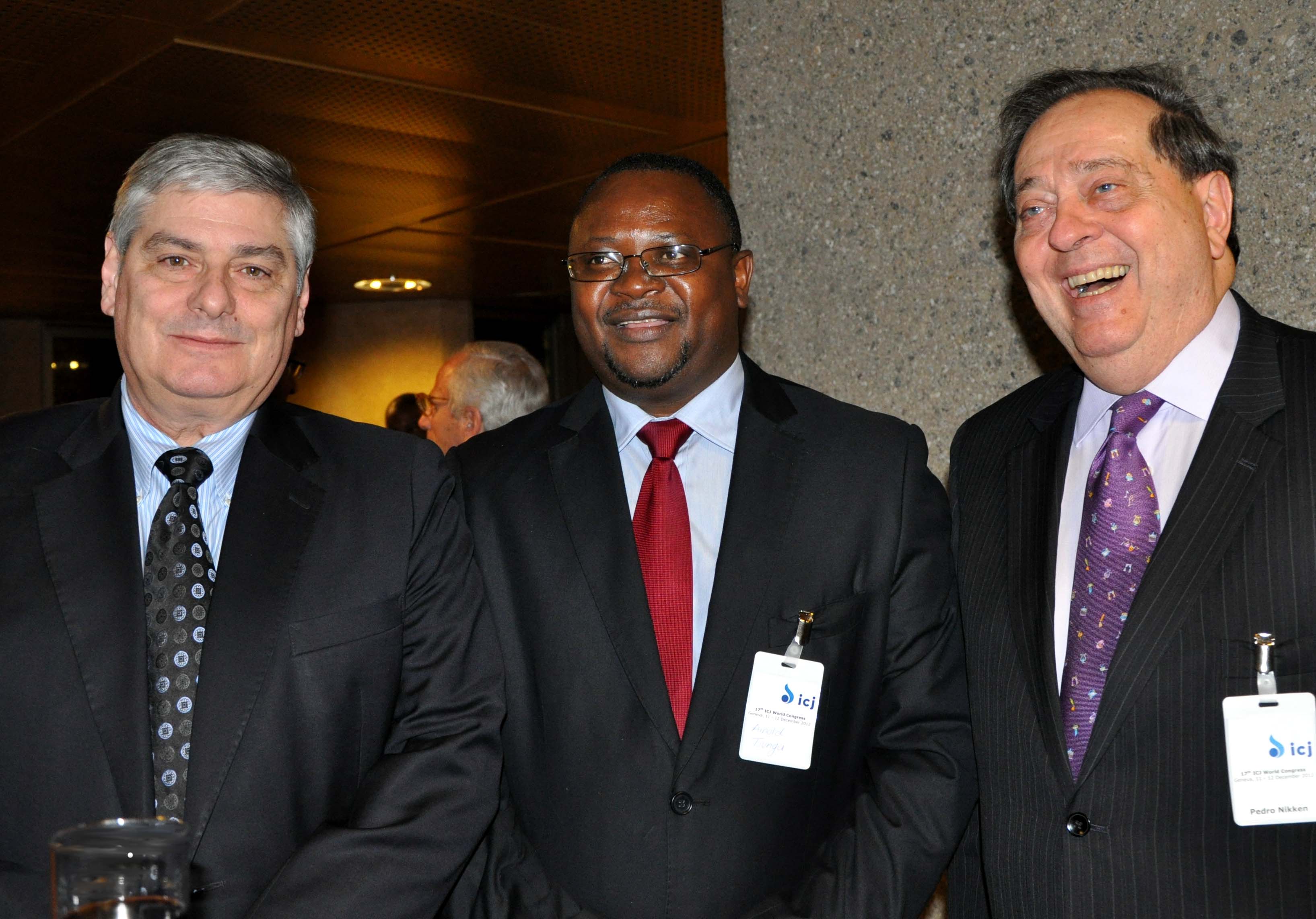
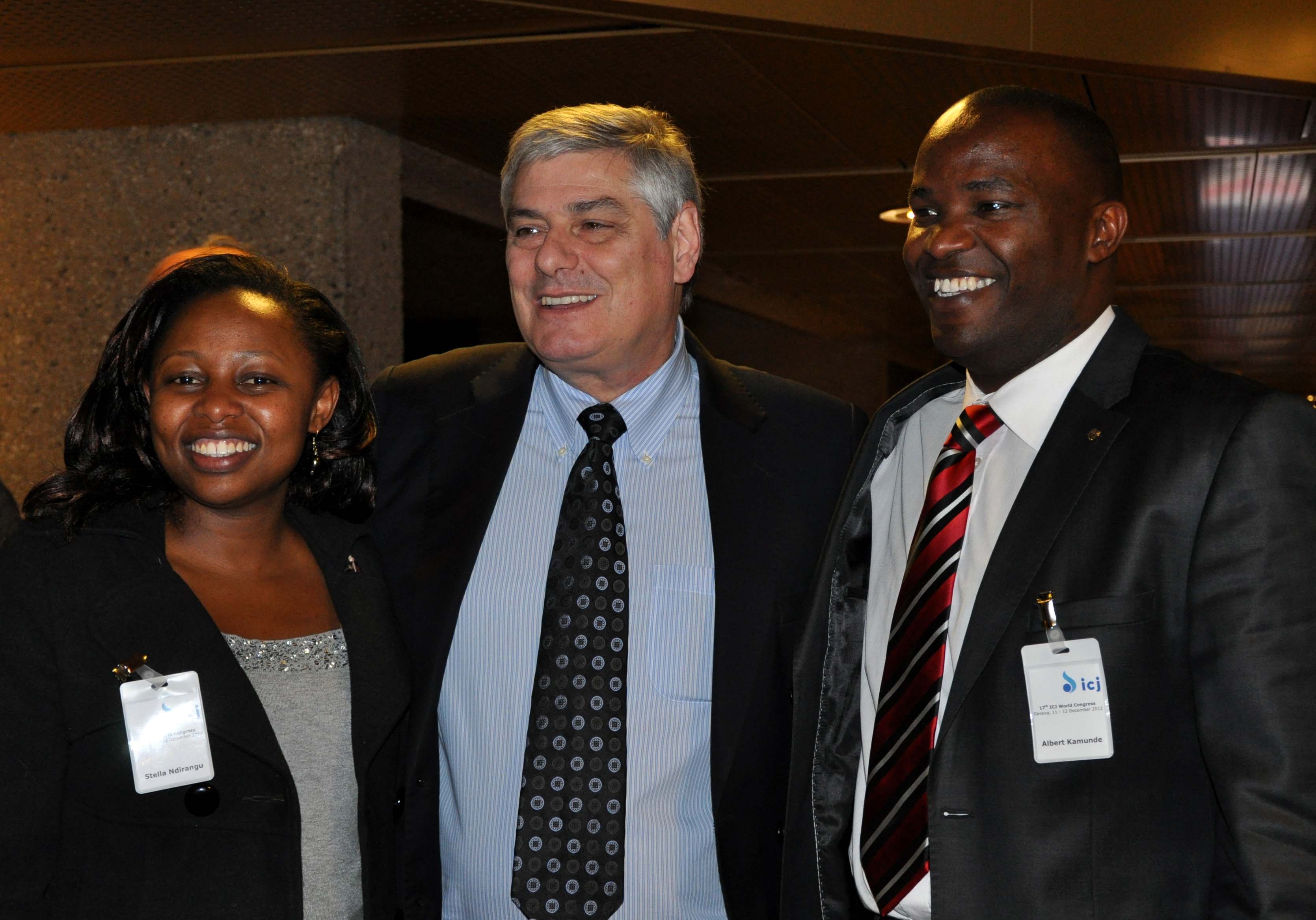
 In pictures: the 17th World Congress of the ICJ opened today in Geneva, bringing together approximately 120 leading judges, lawyers and human rights defenders from five continent.
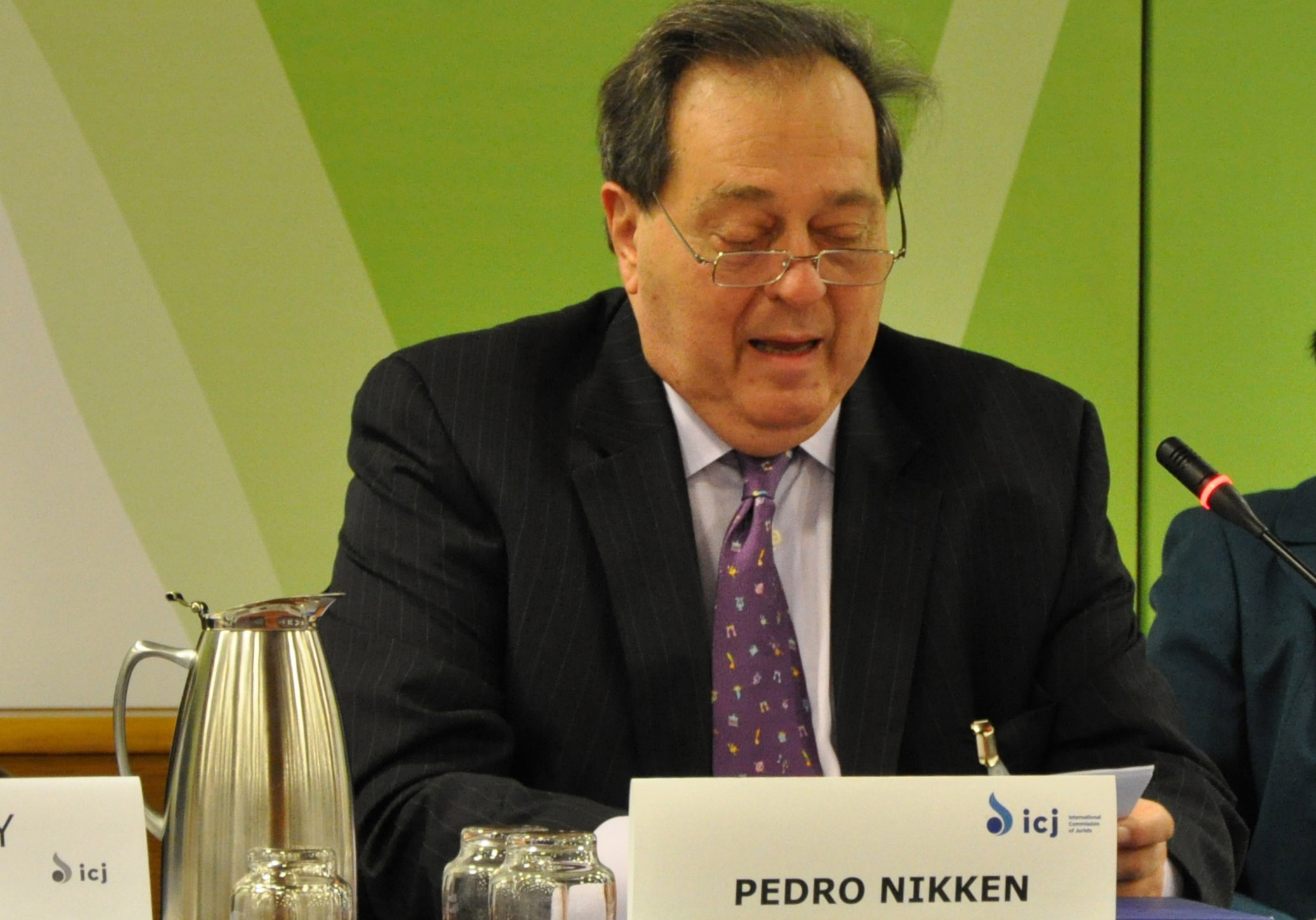
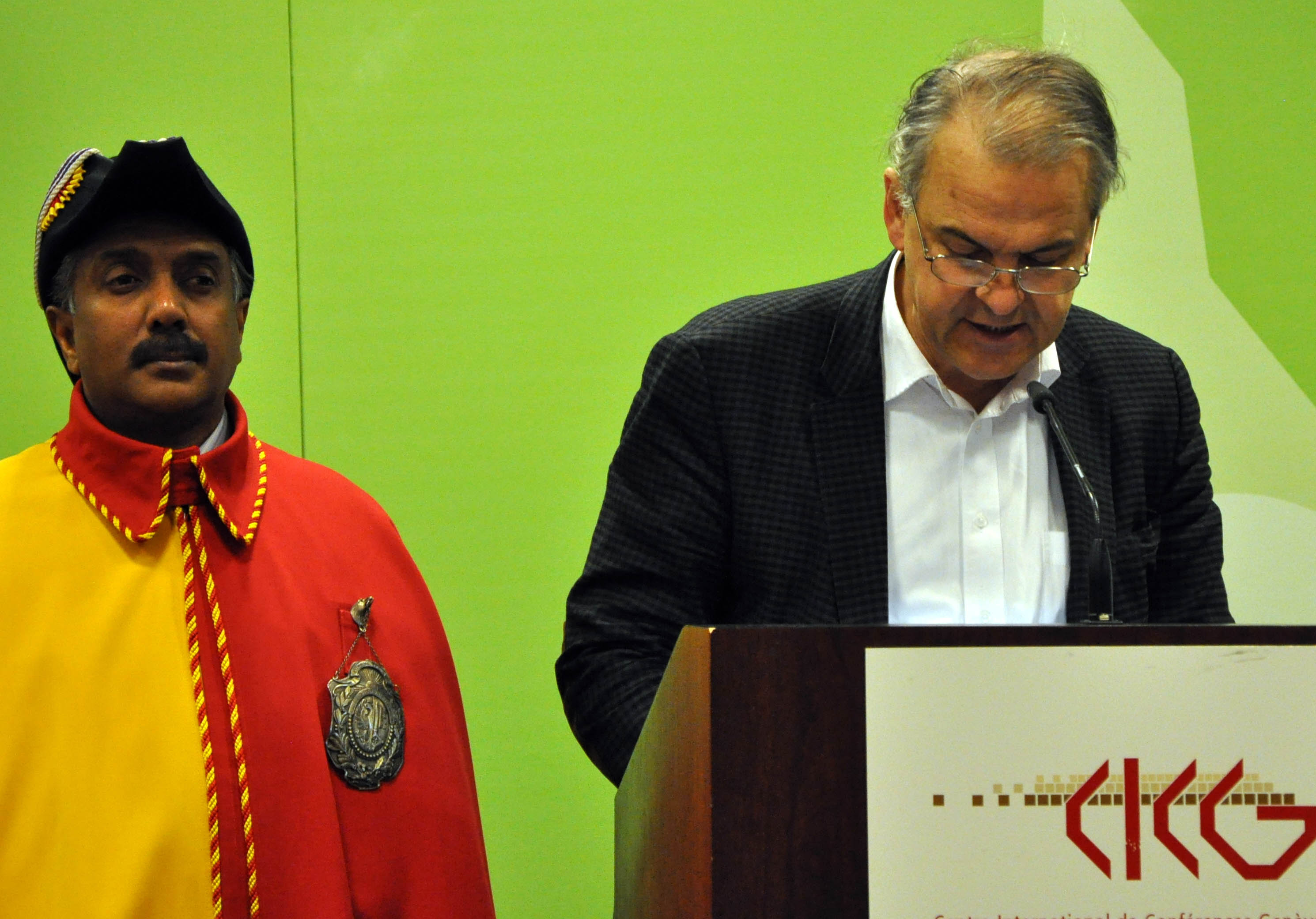
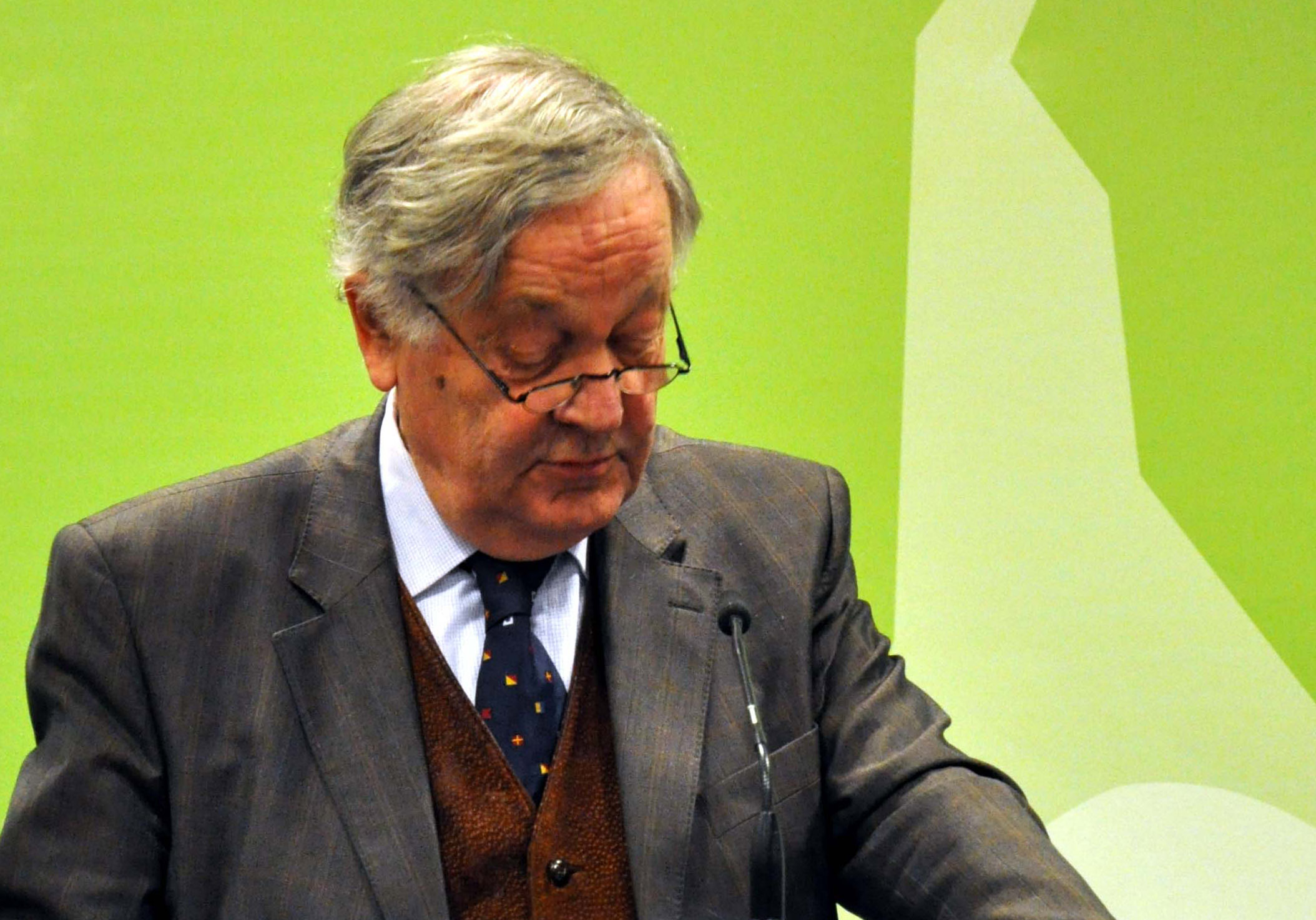
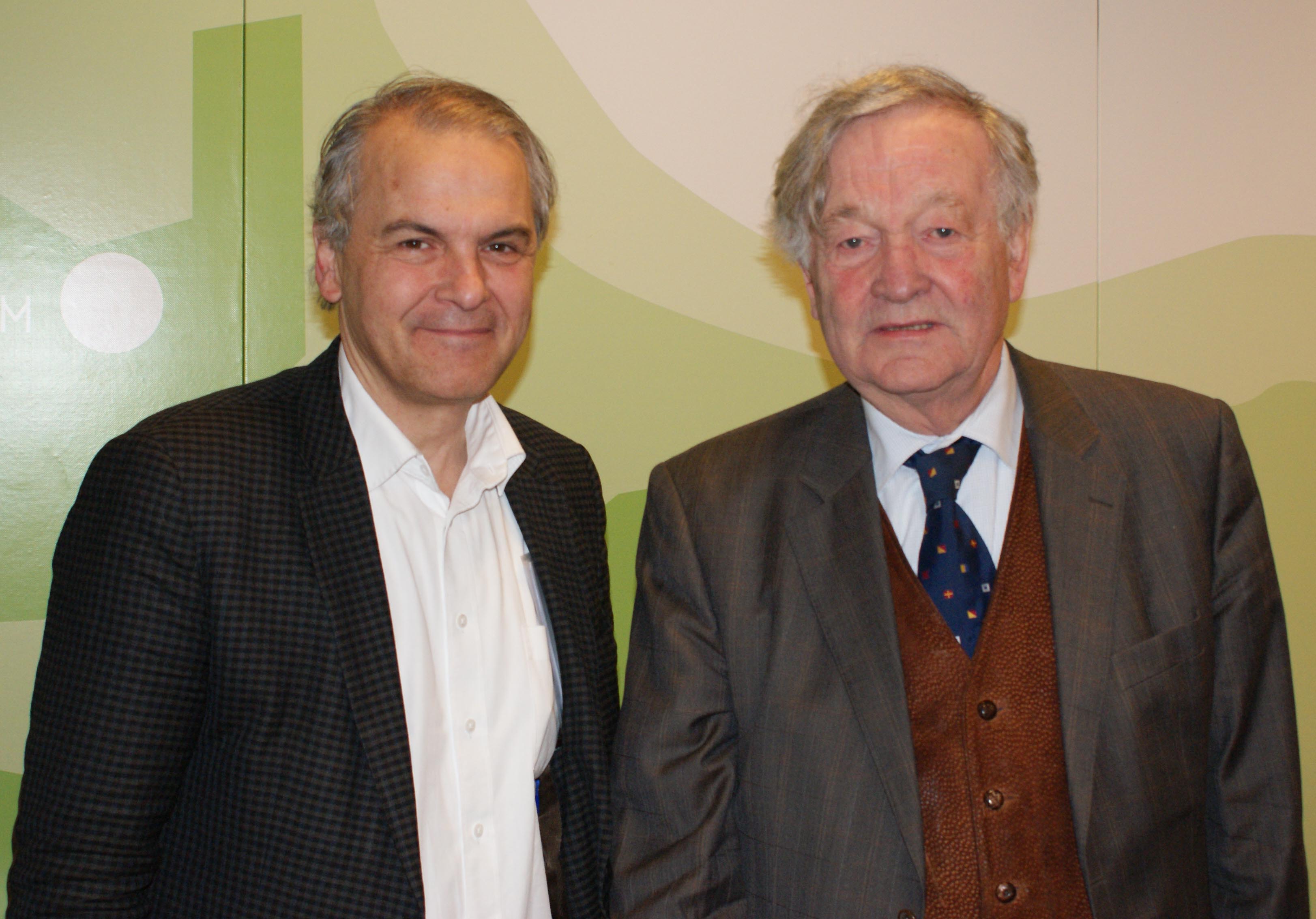
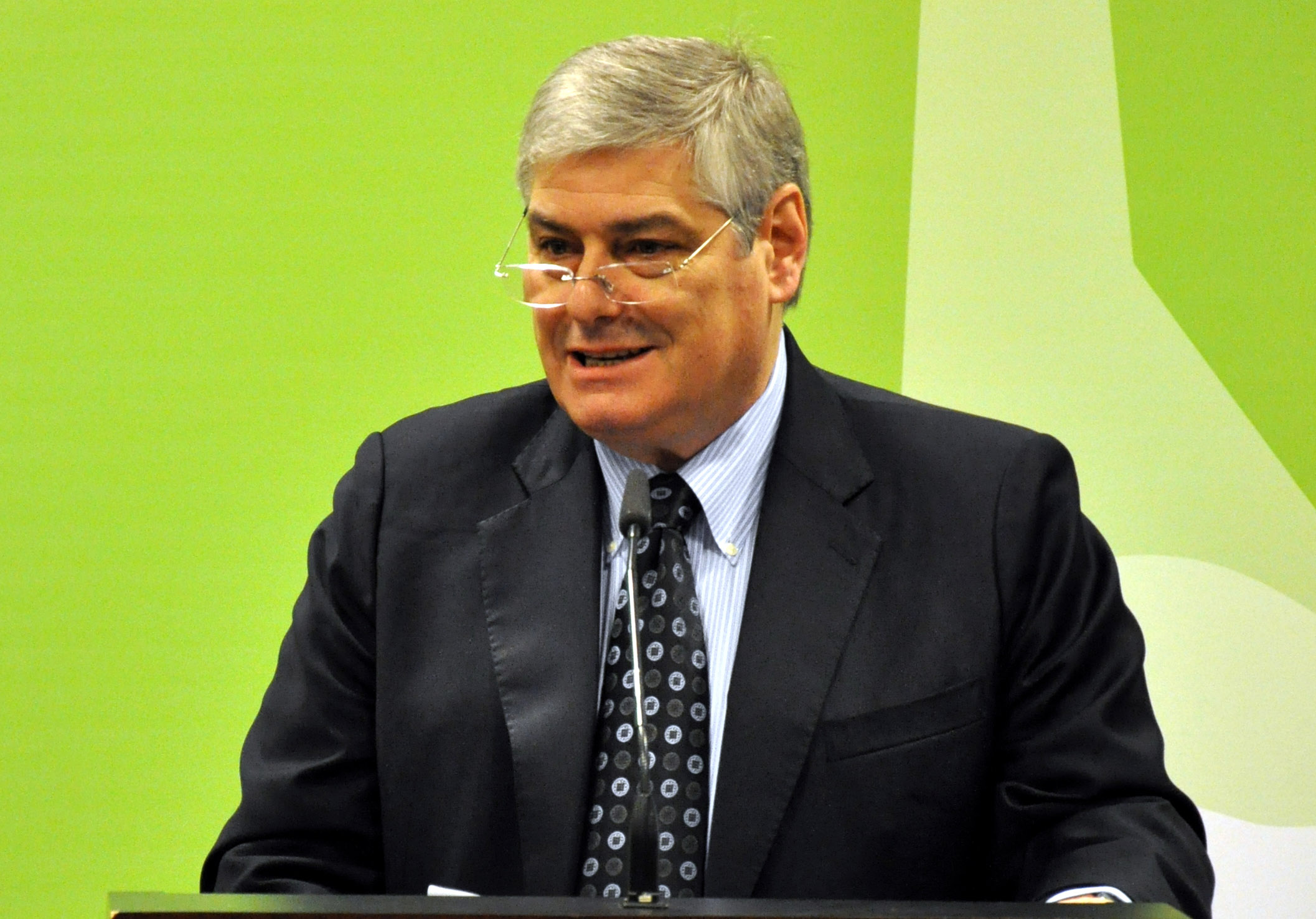
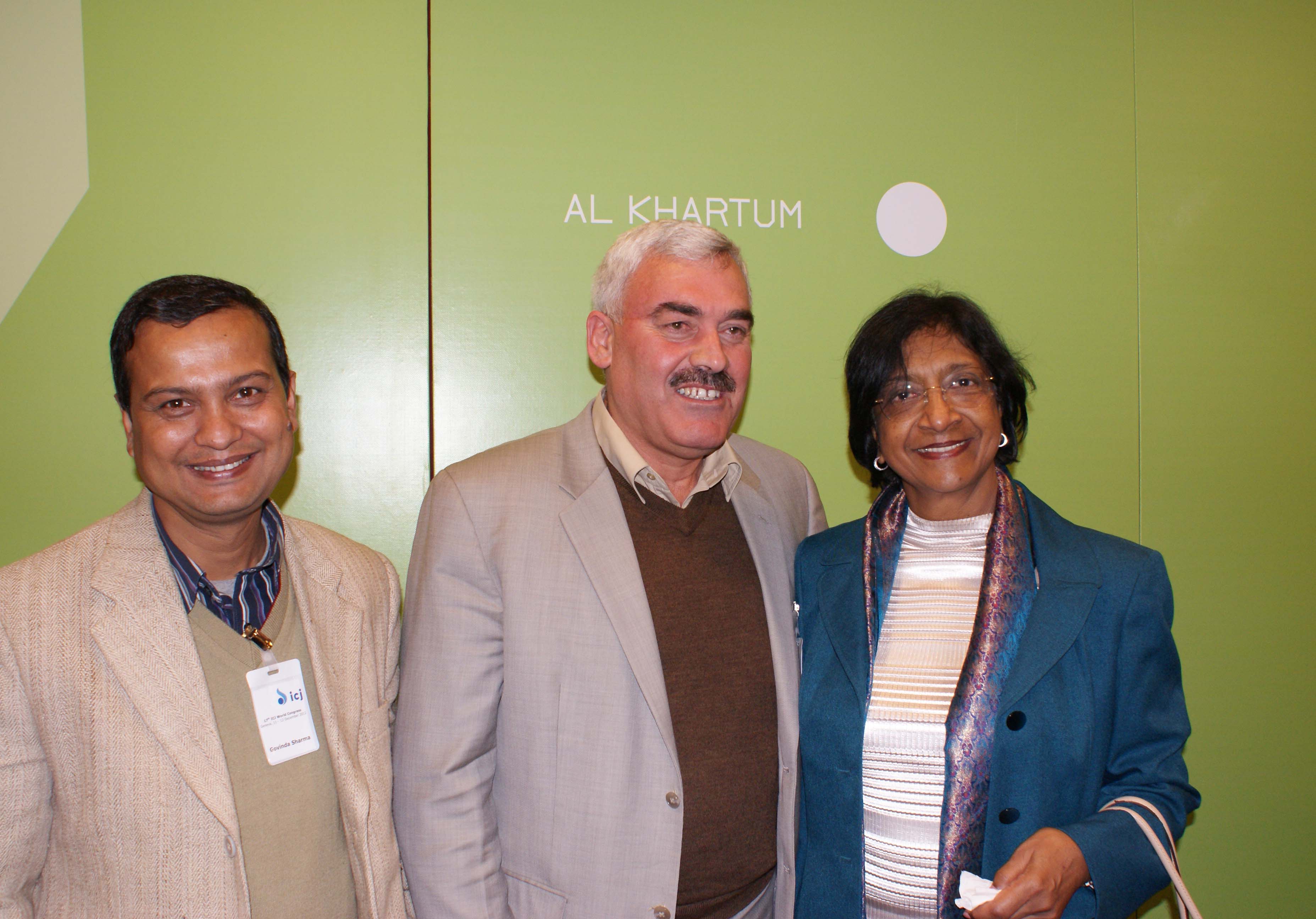
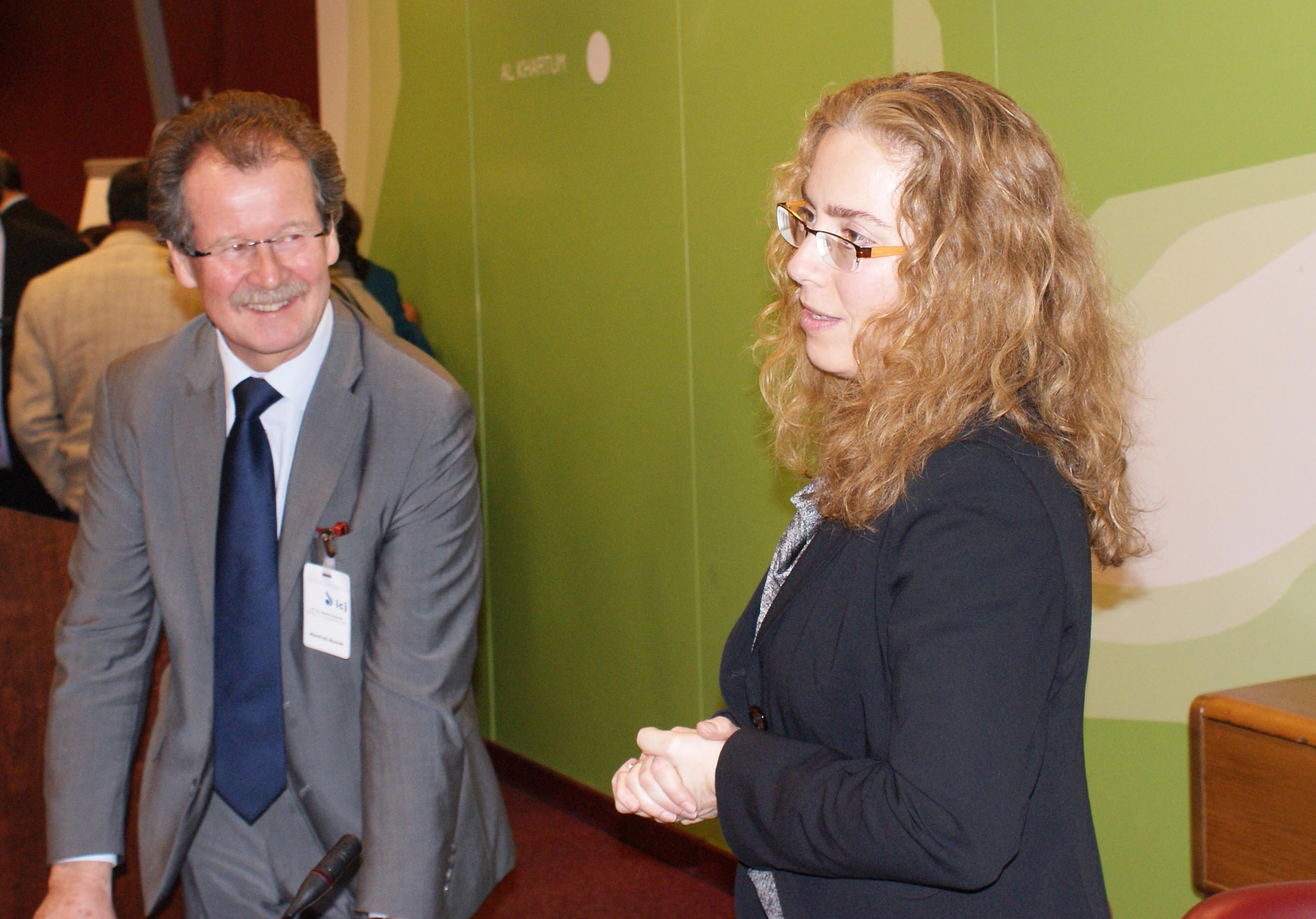

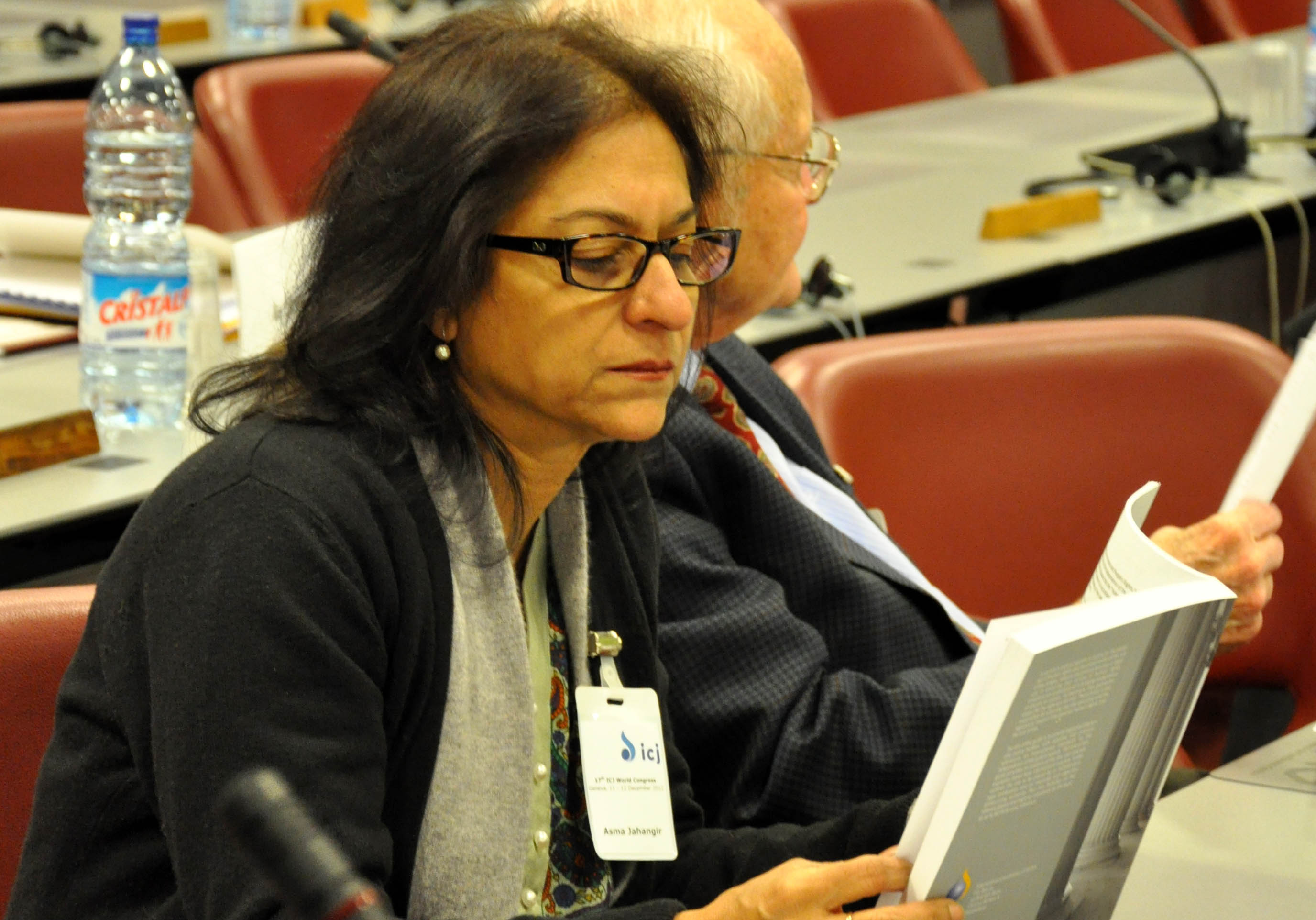
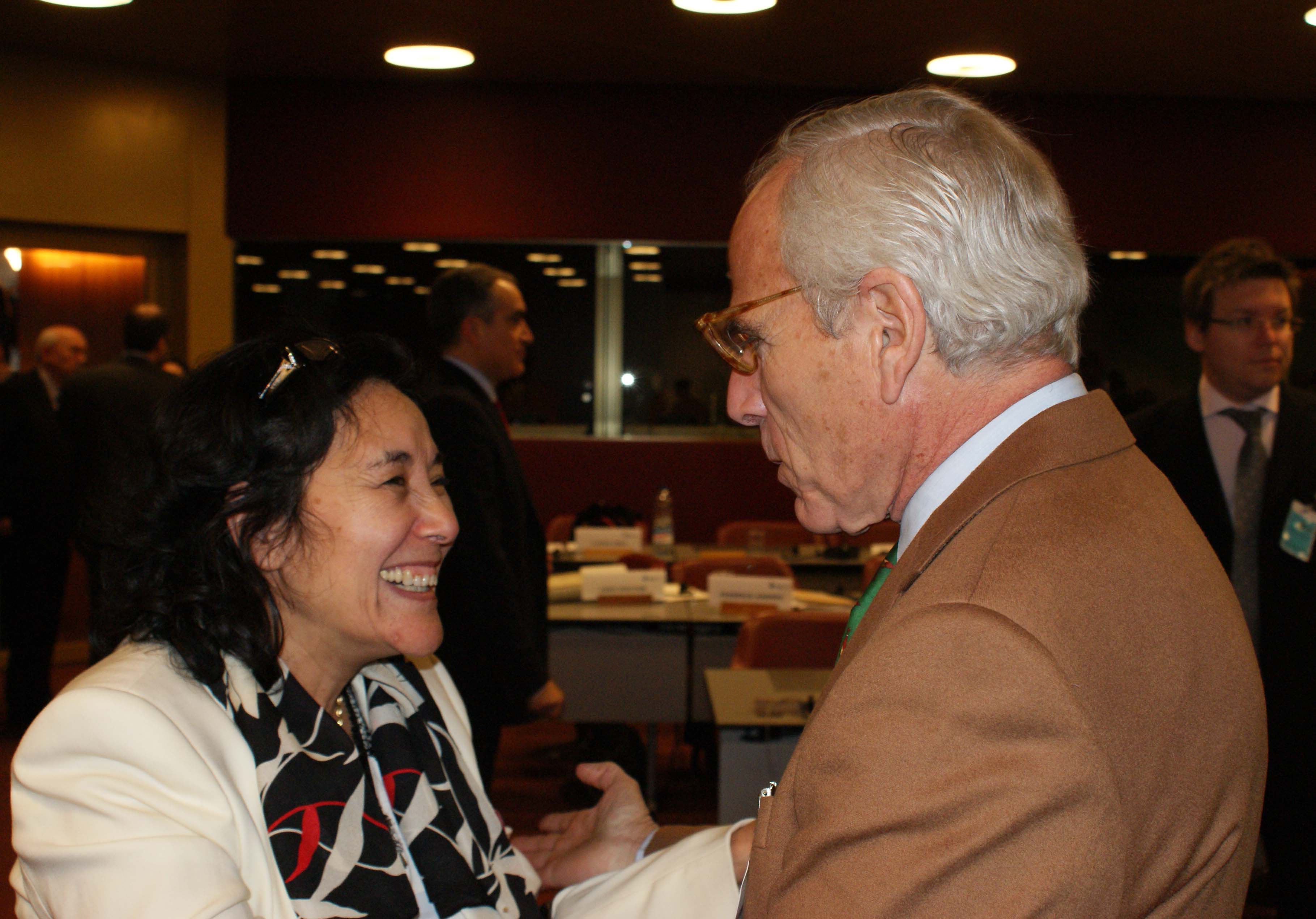




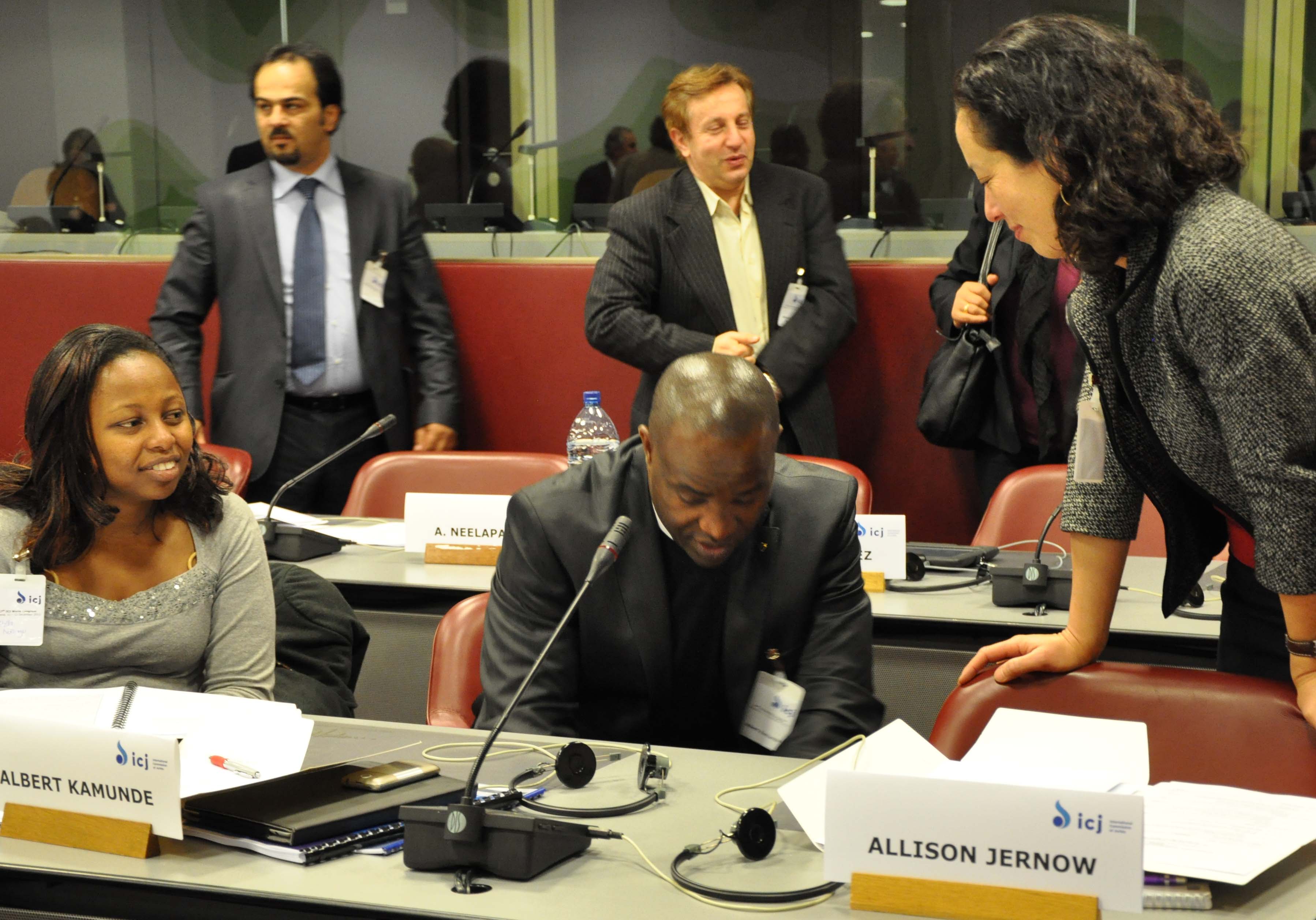
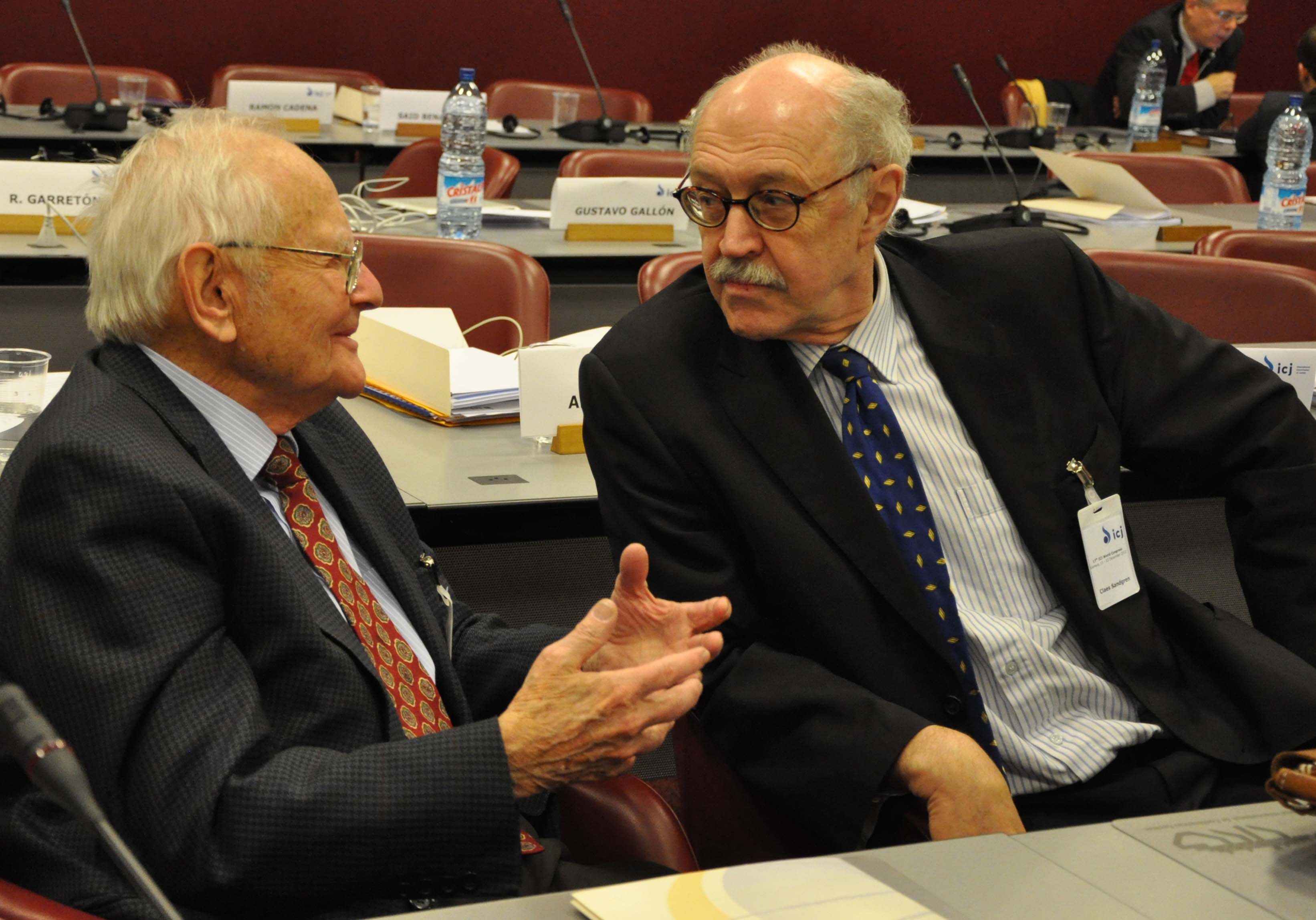
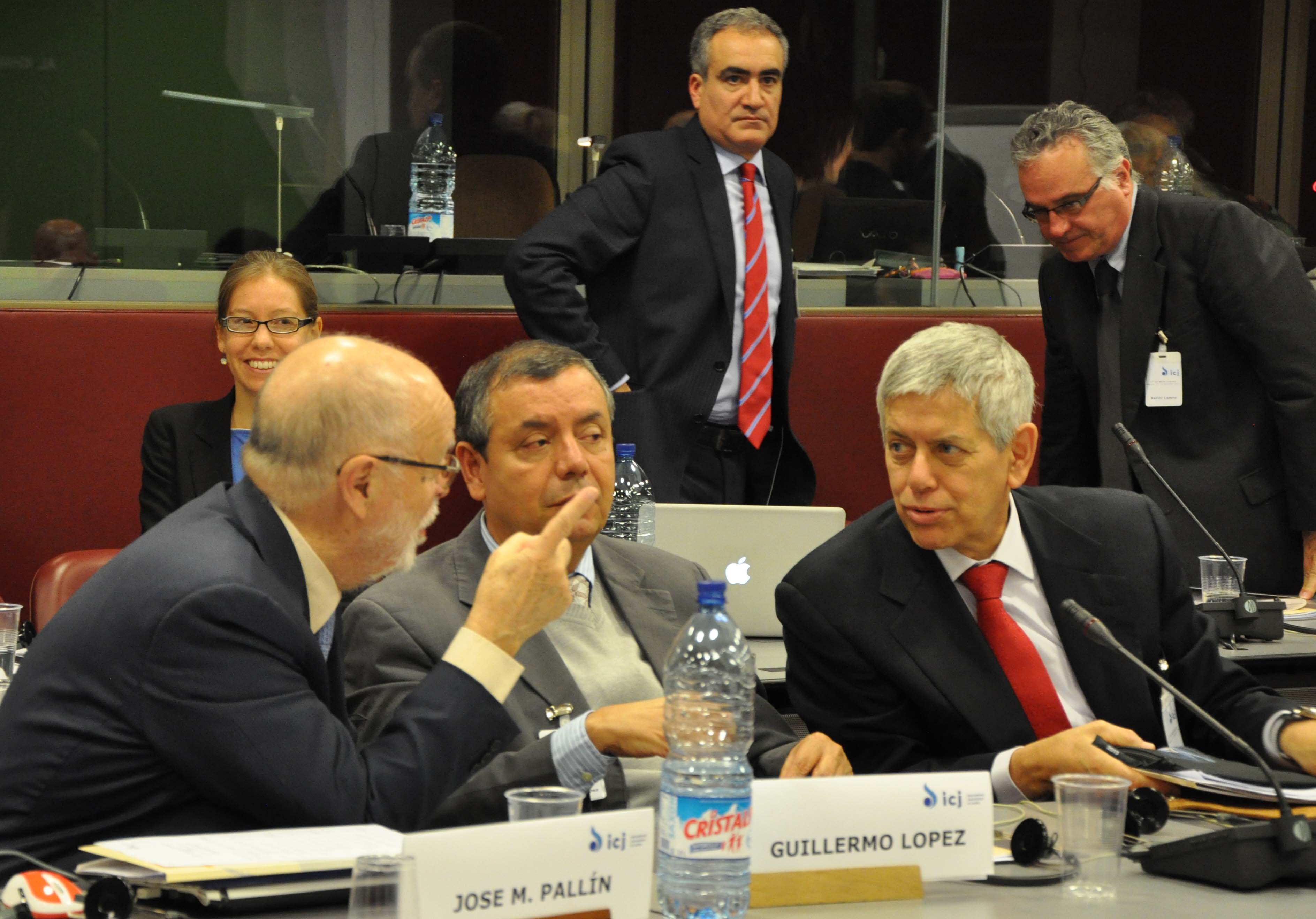
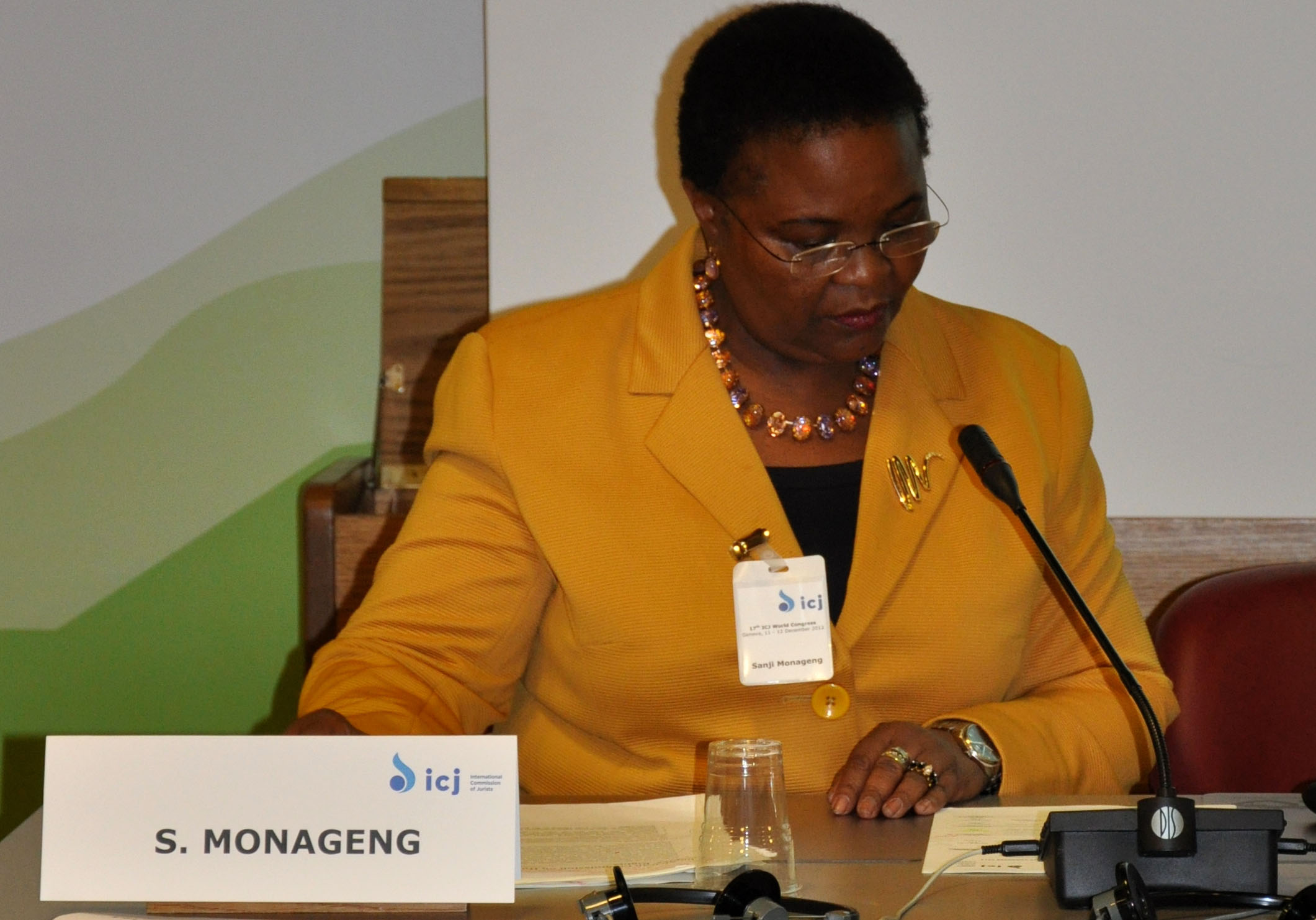
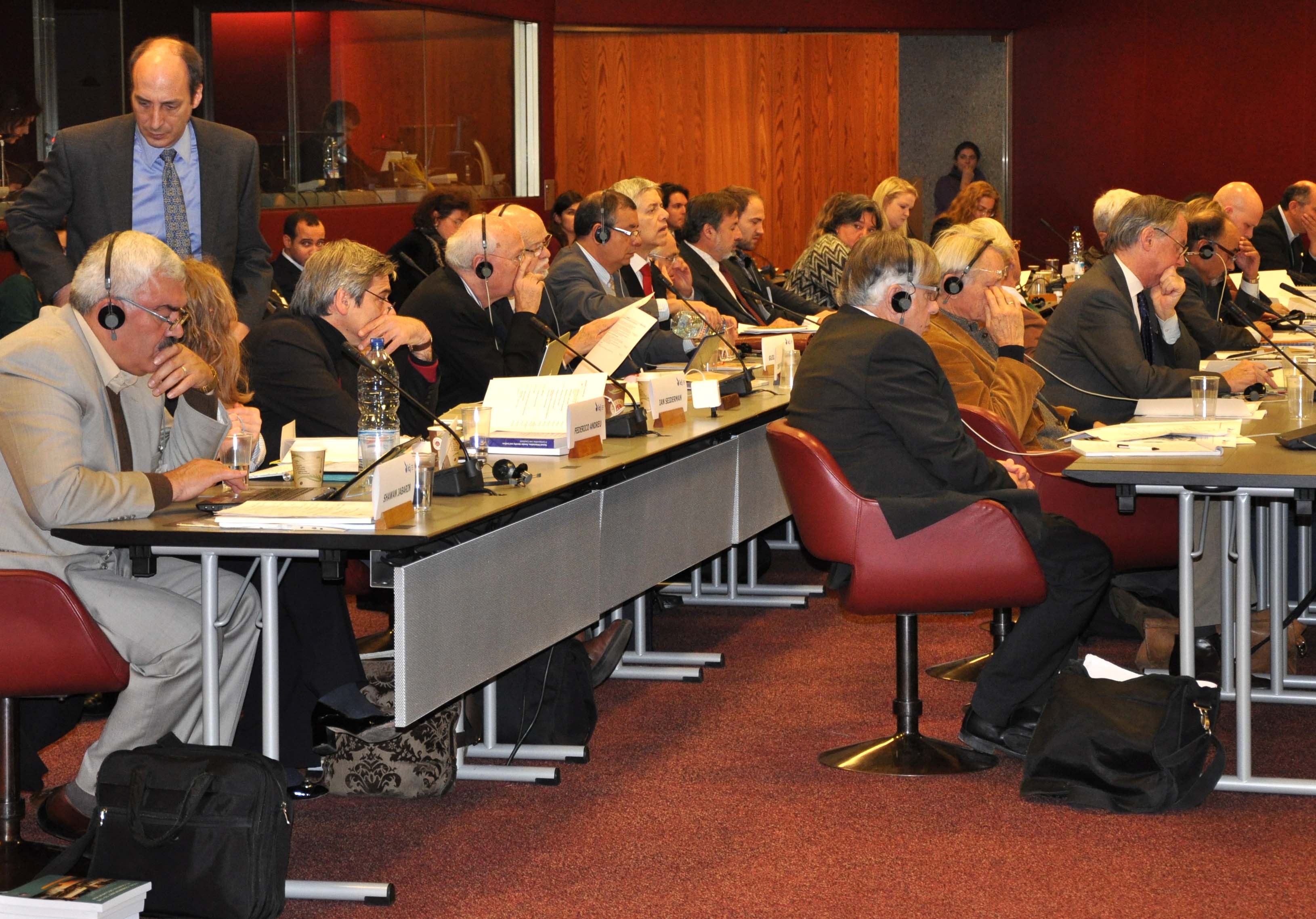
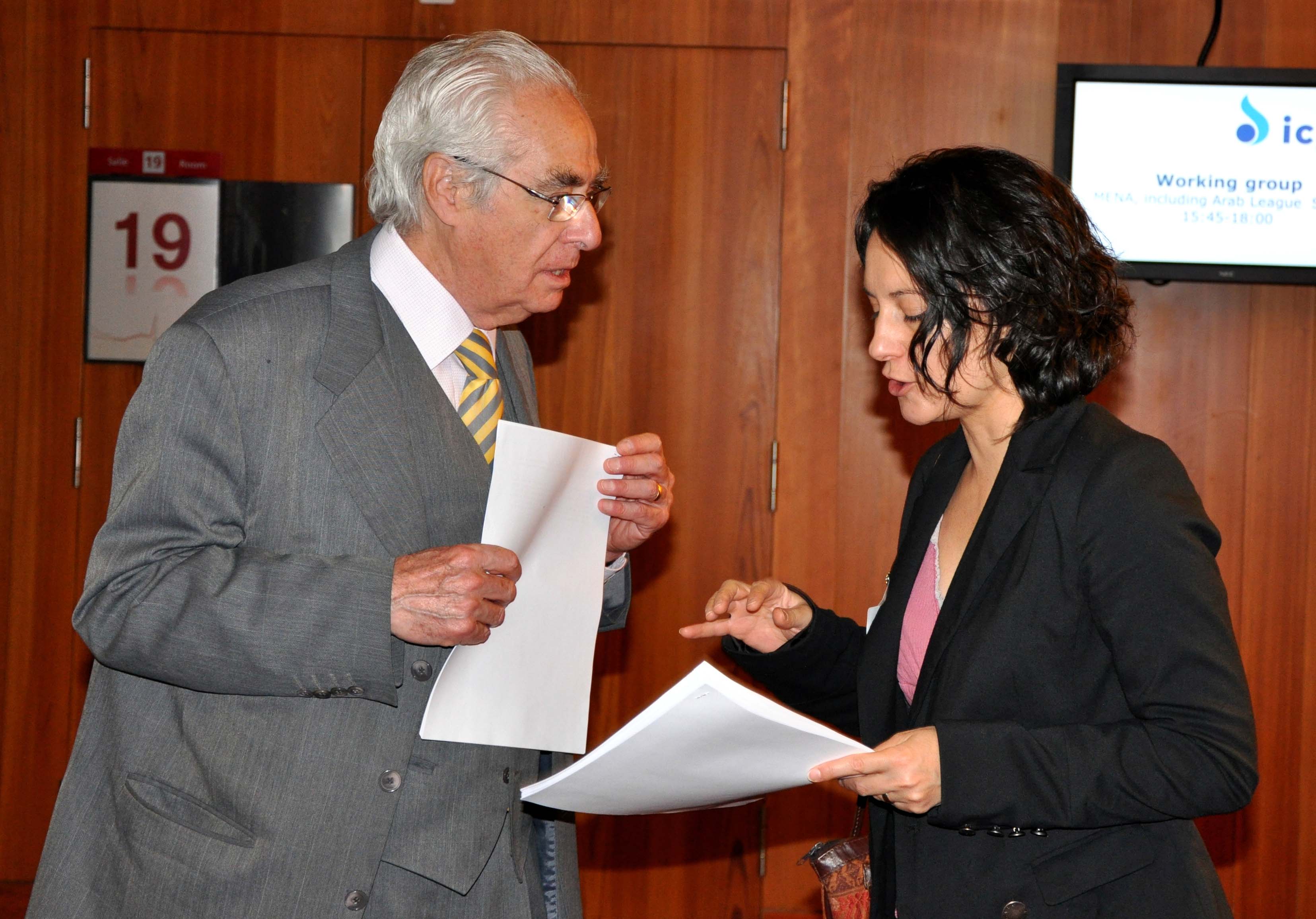
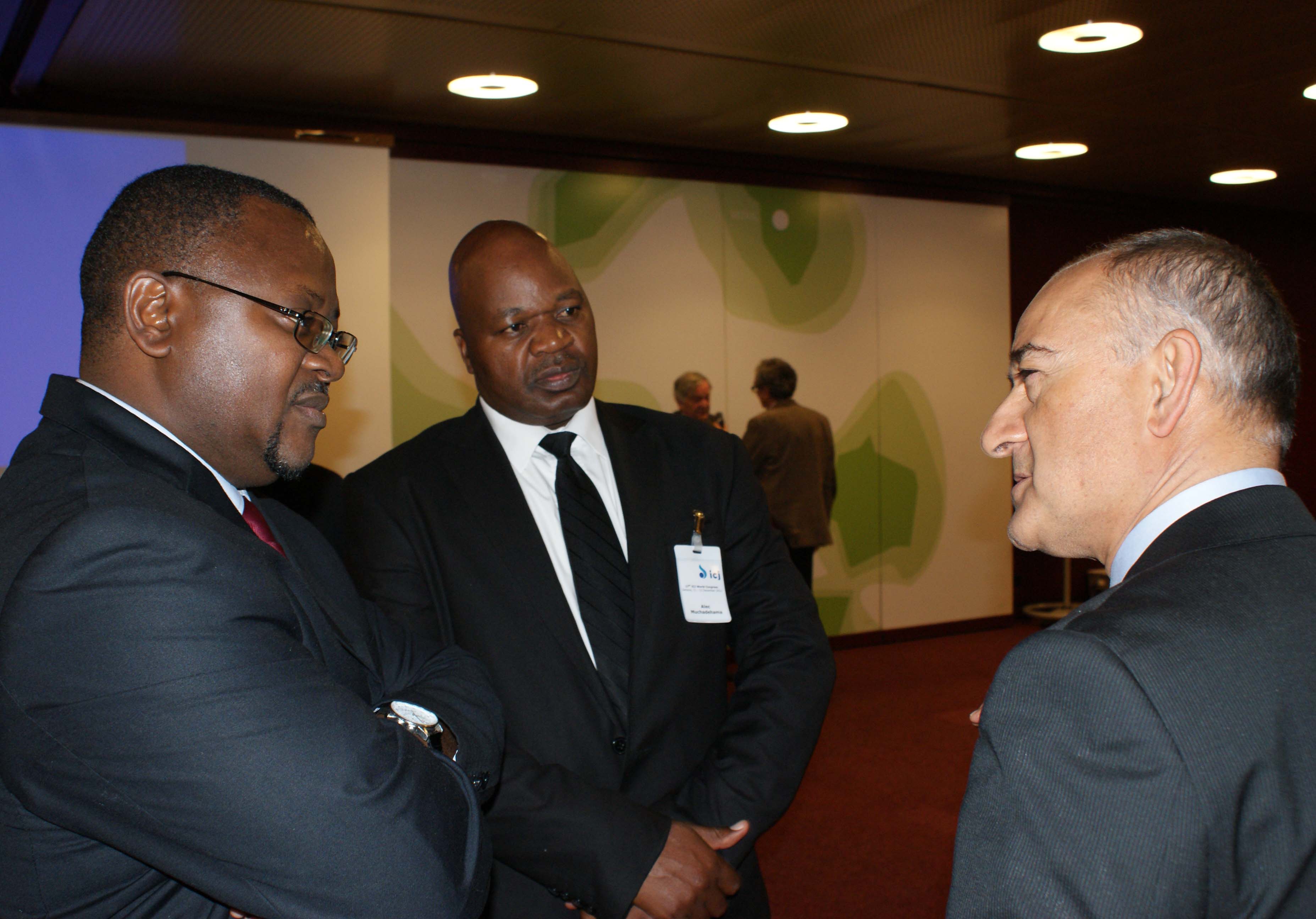

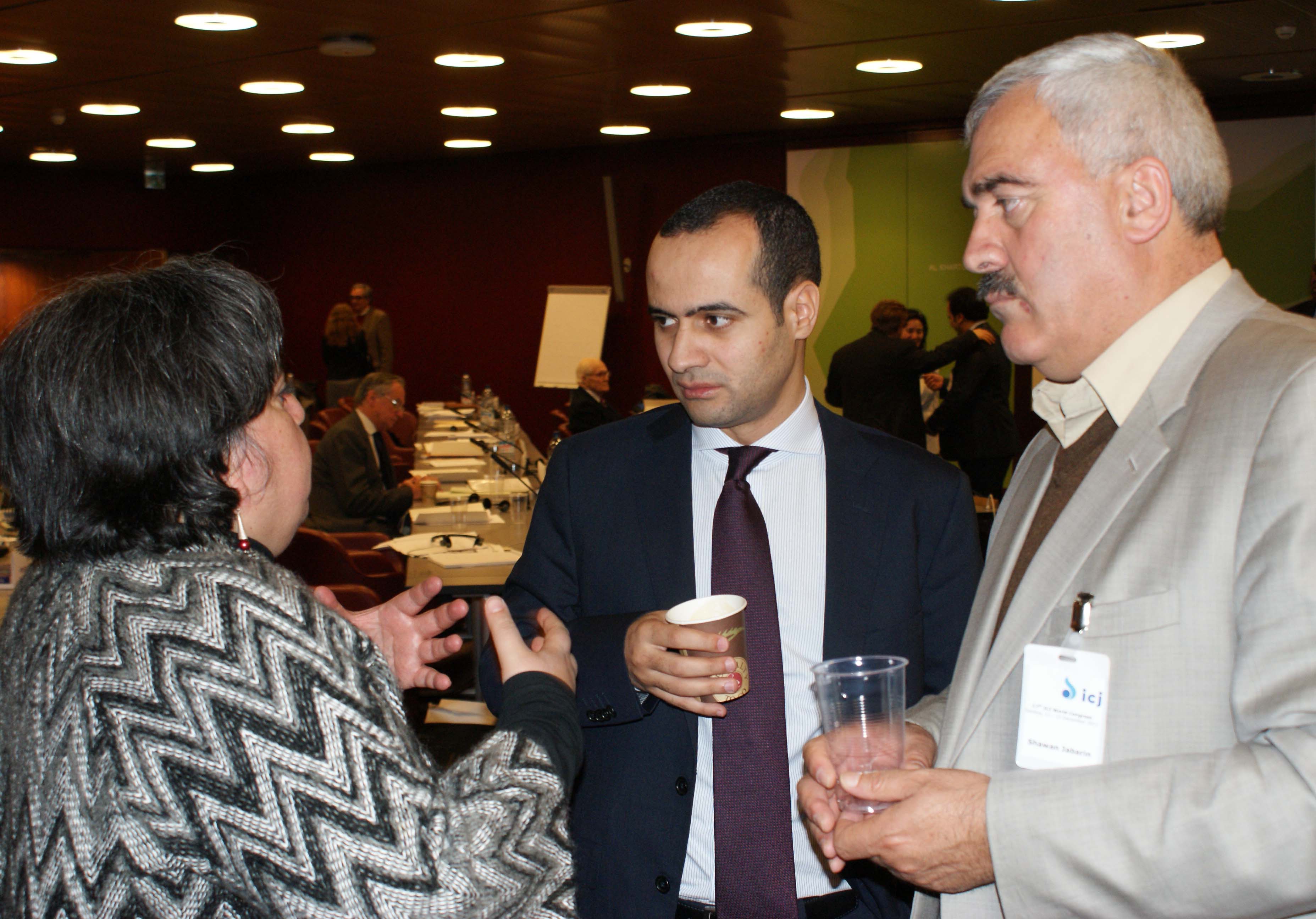
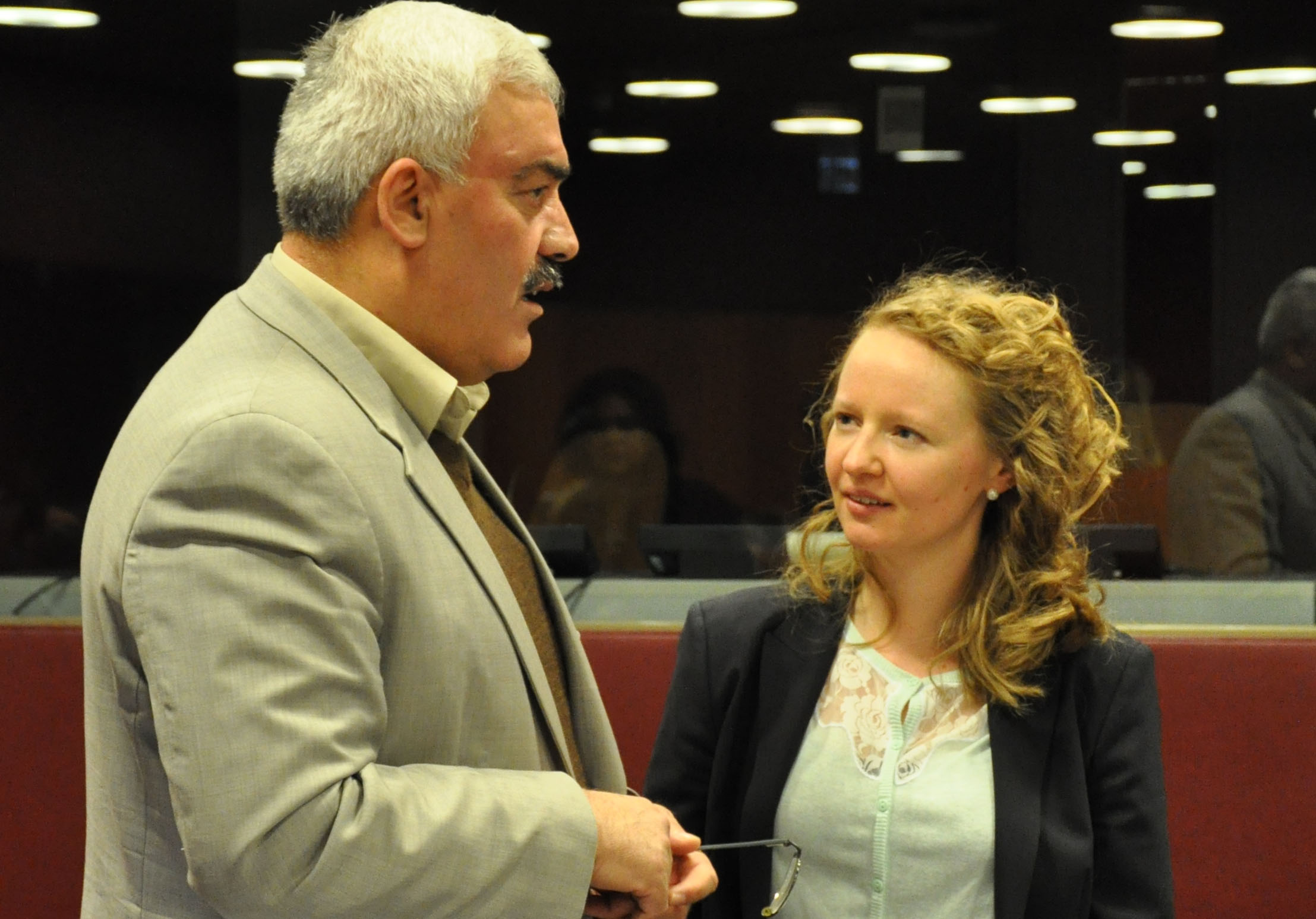
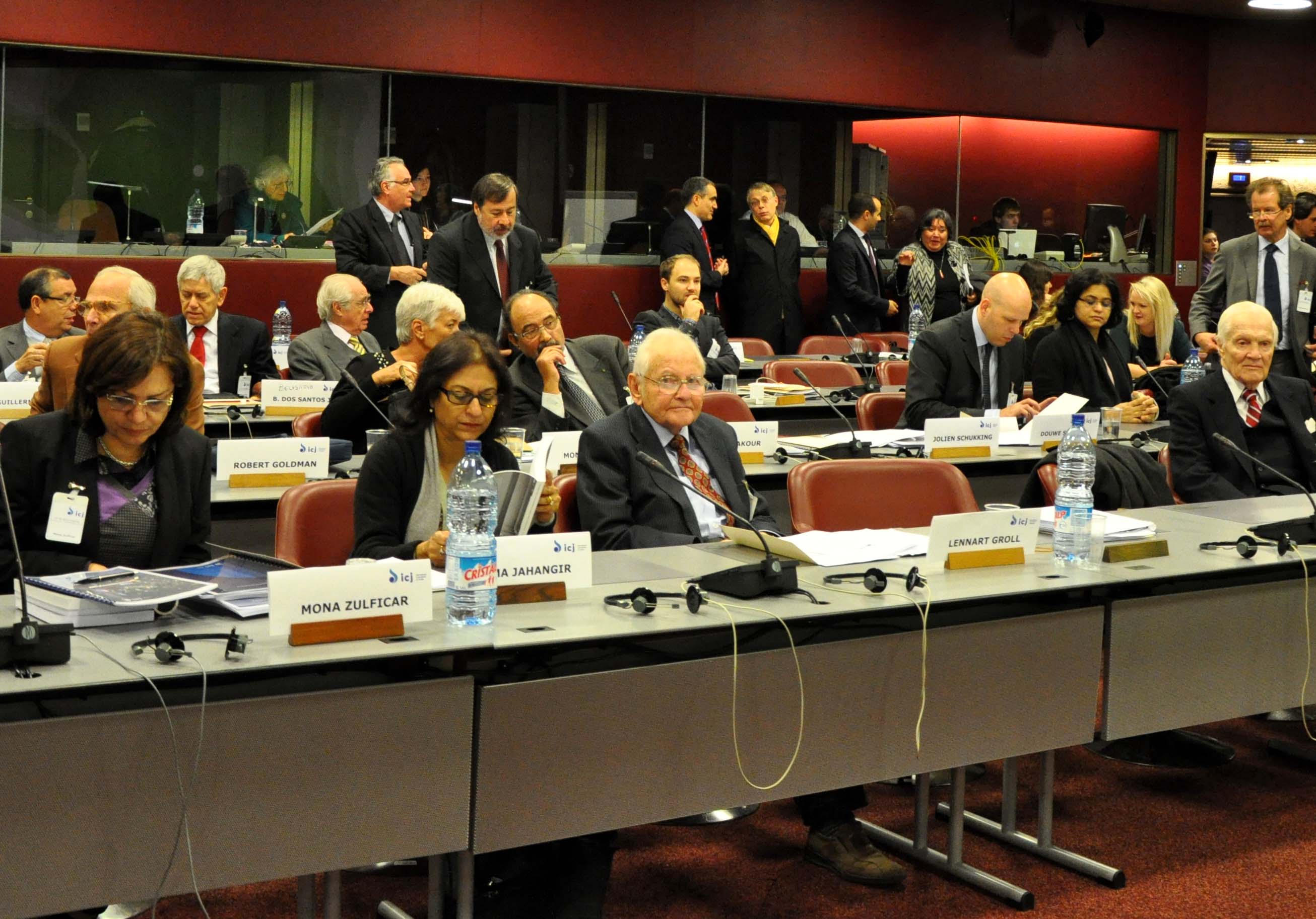


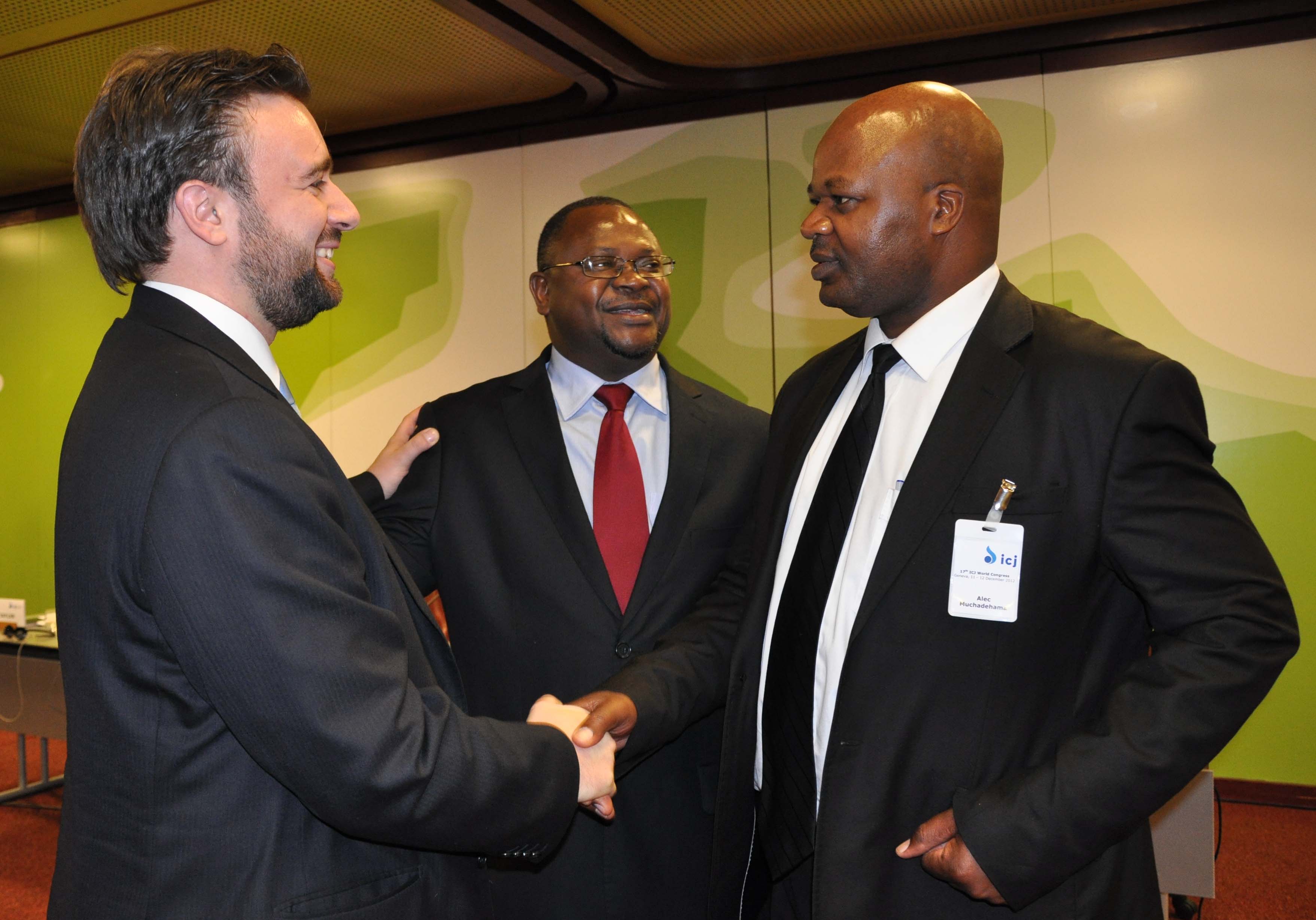
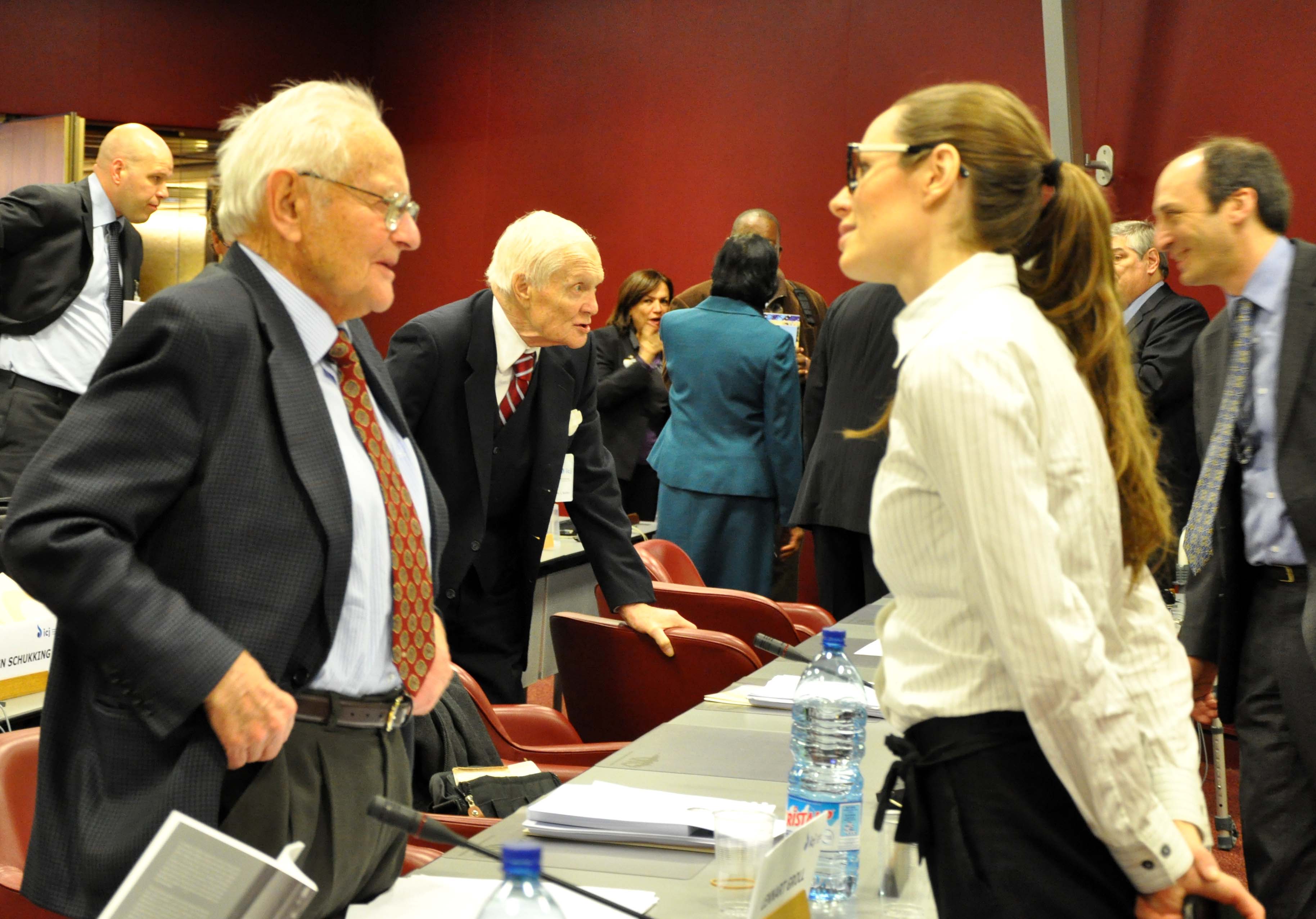

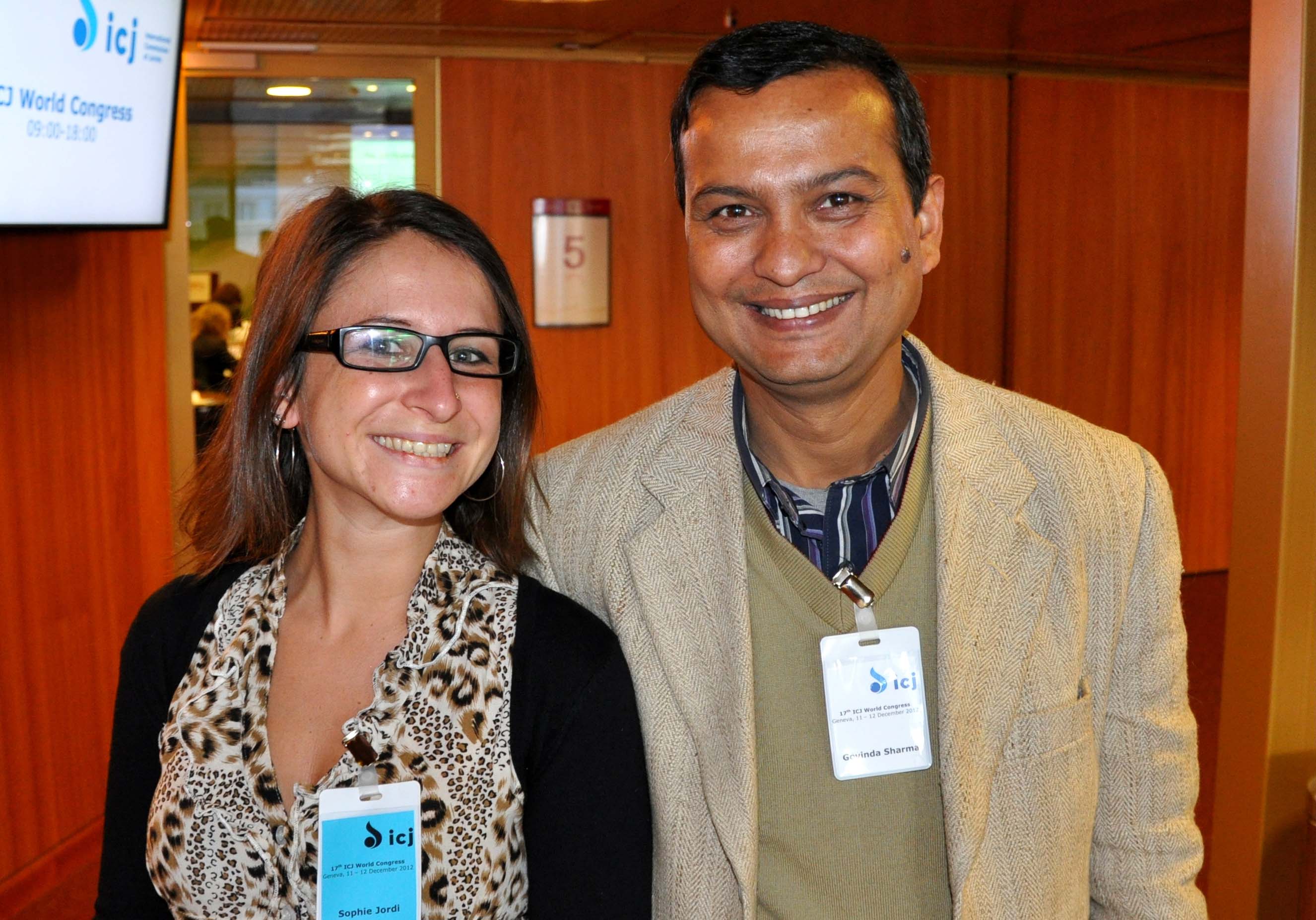
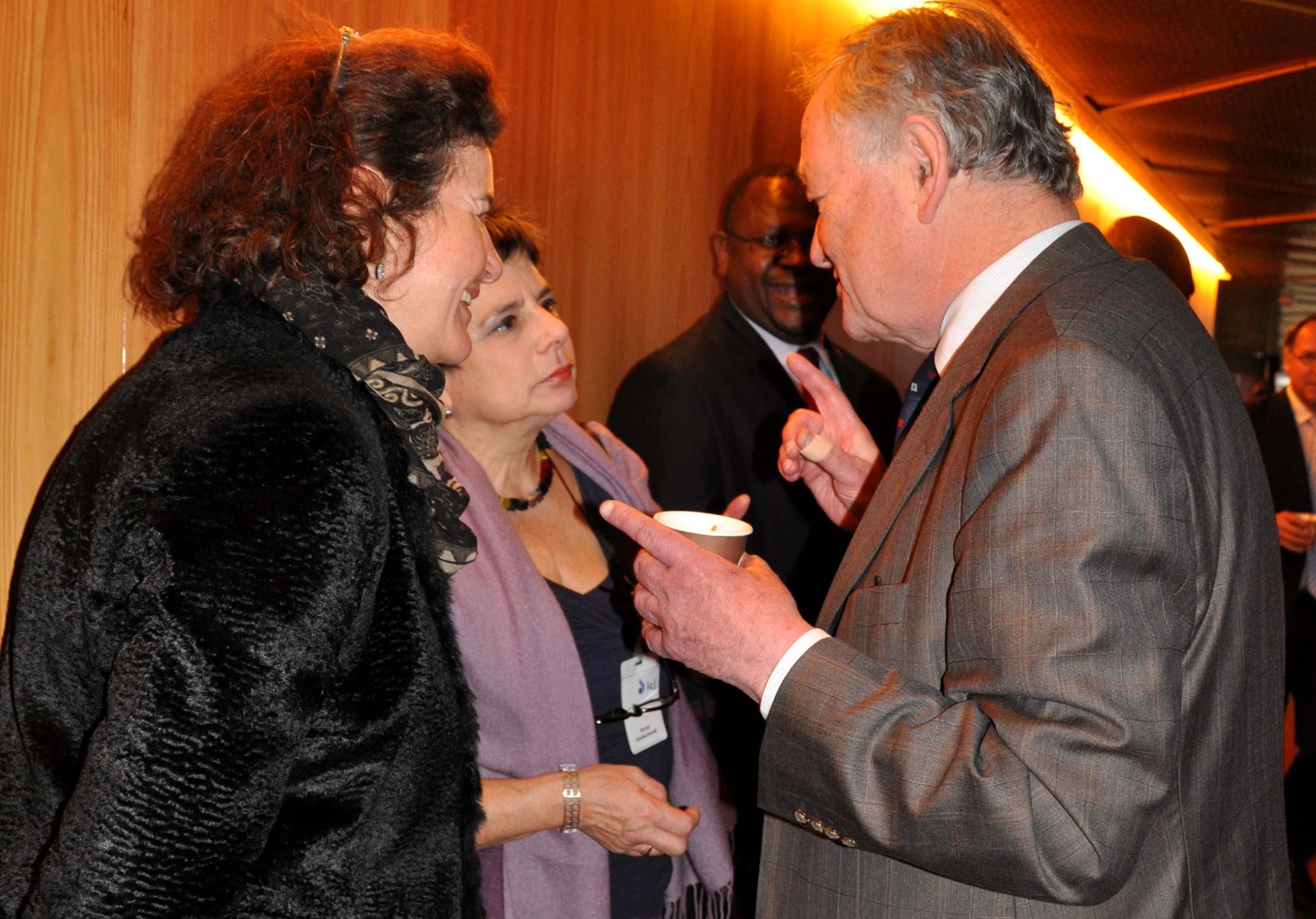


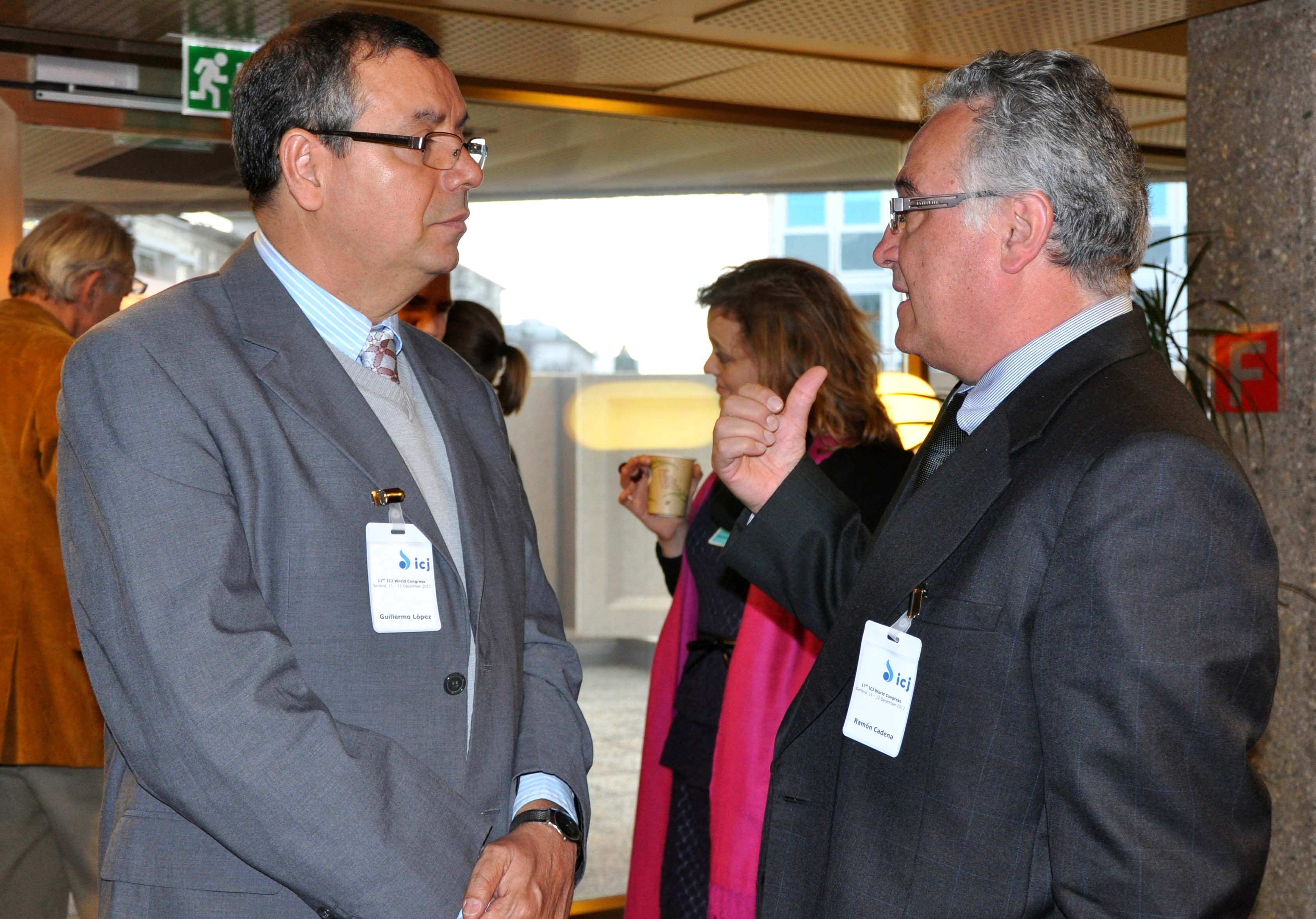
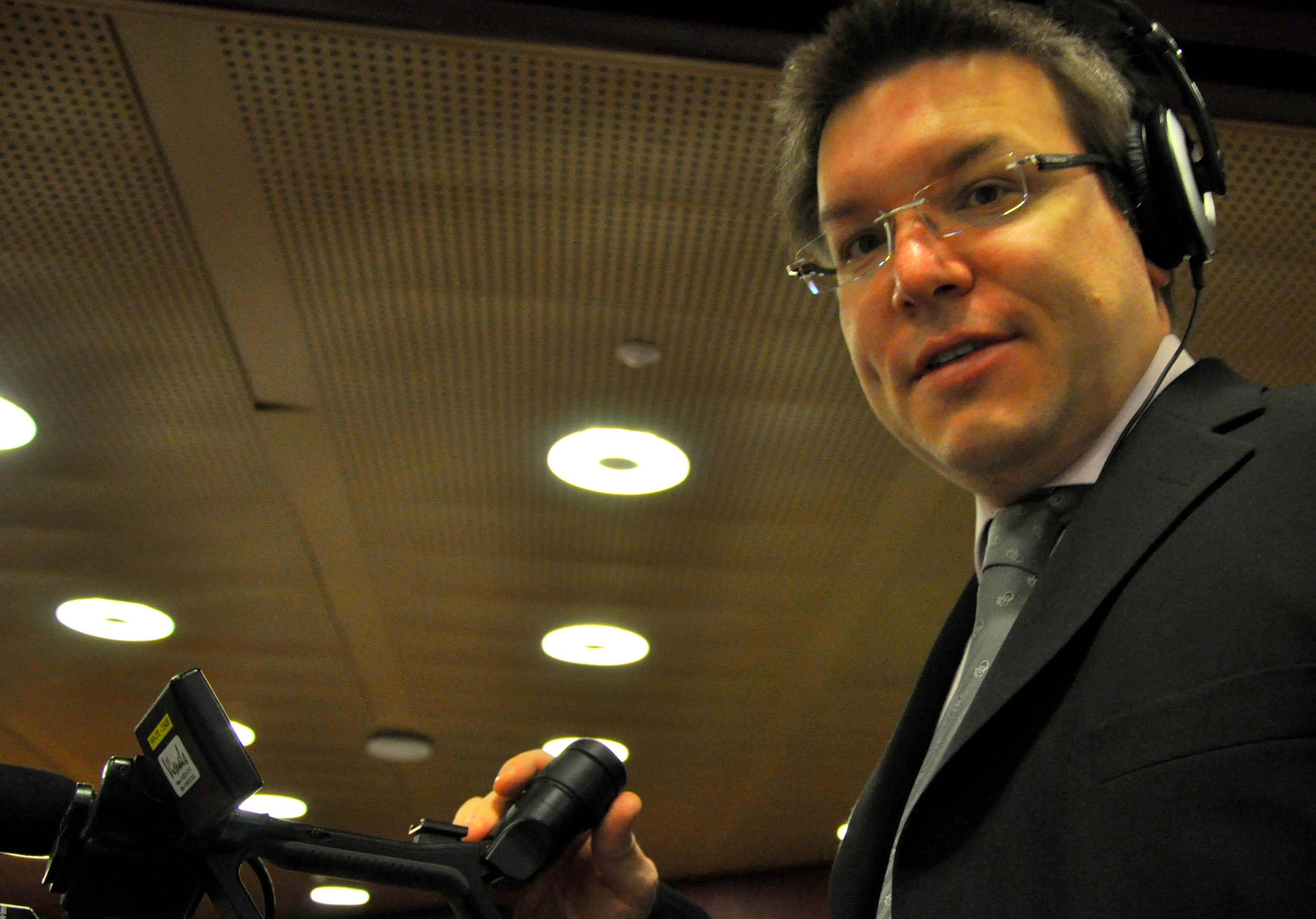
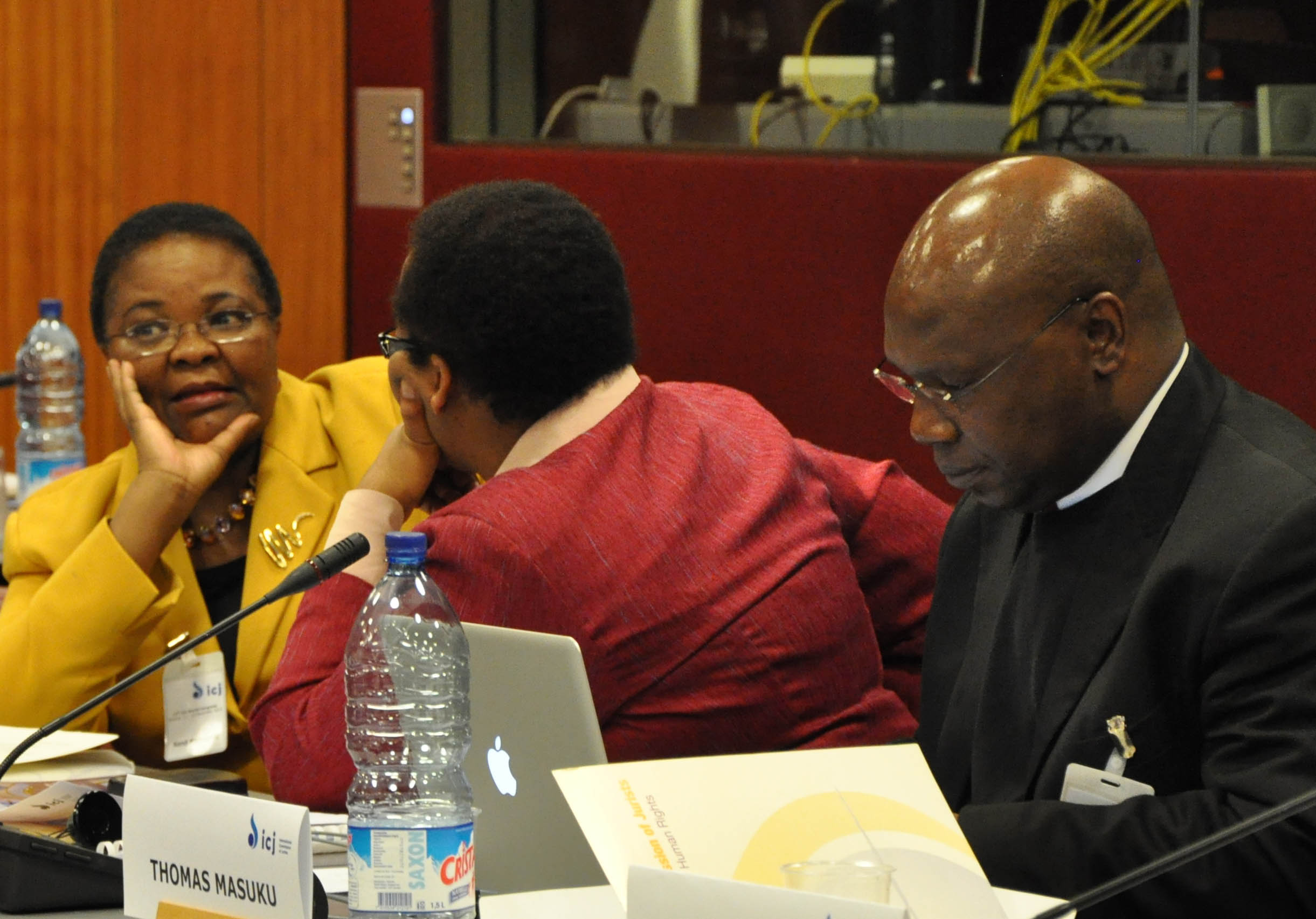
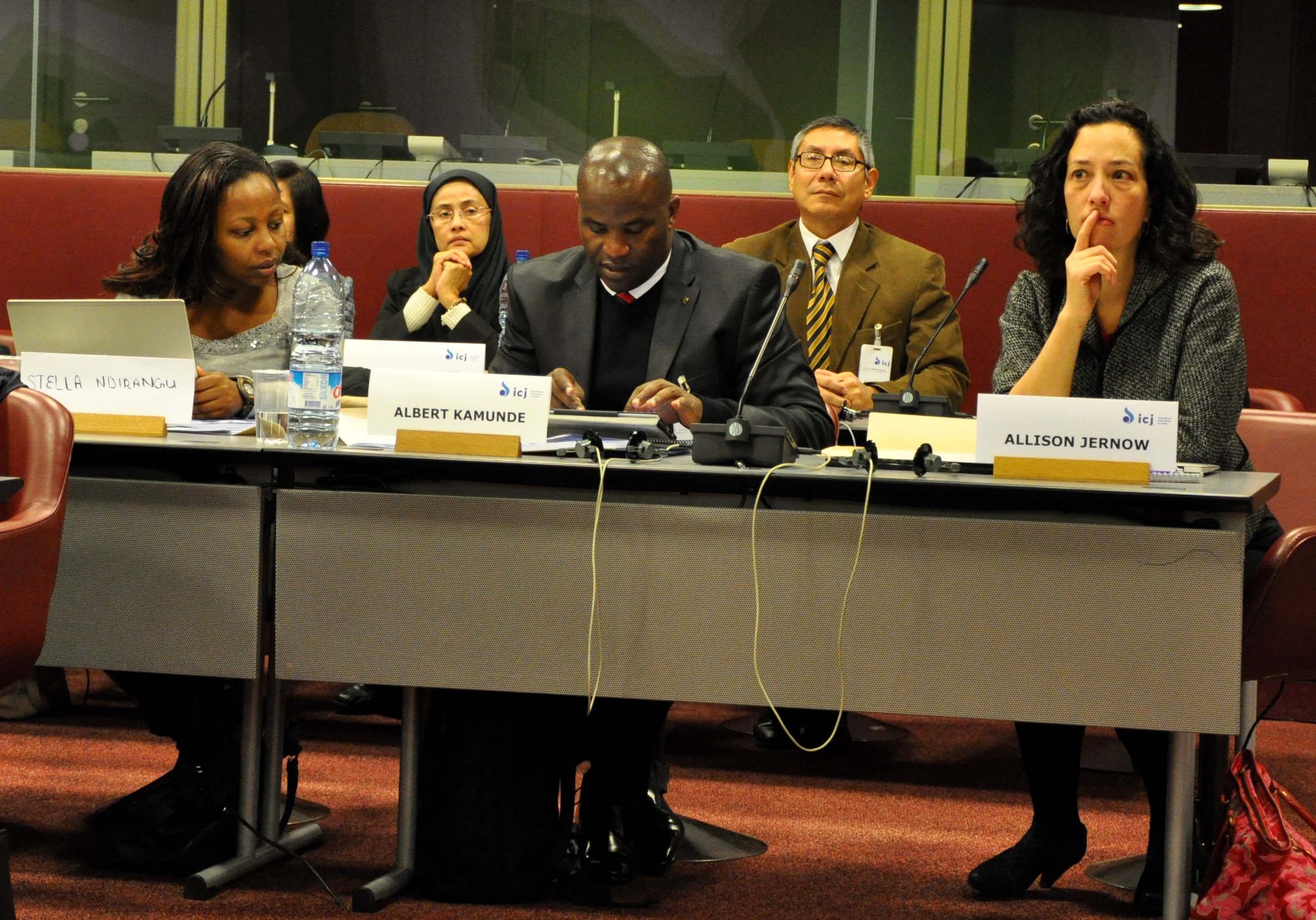
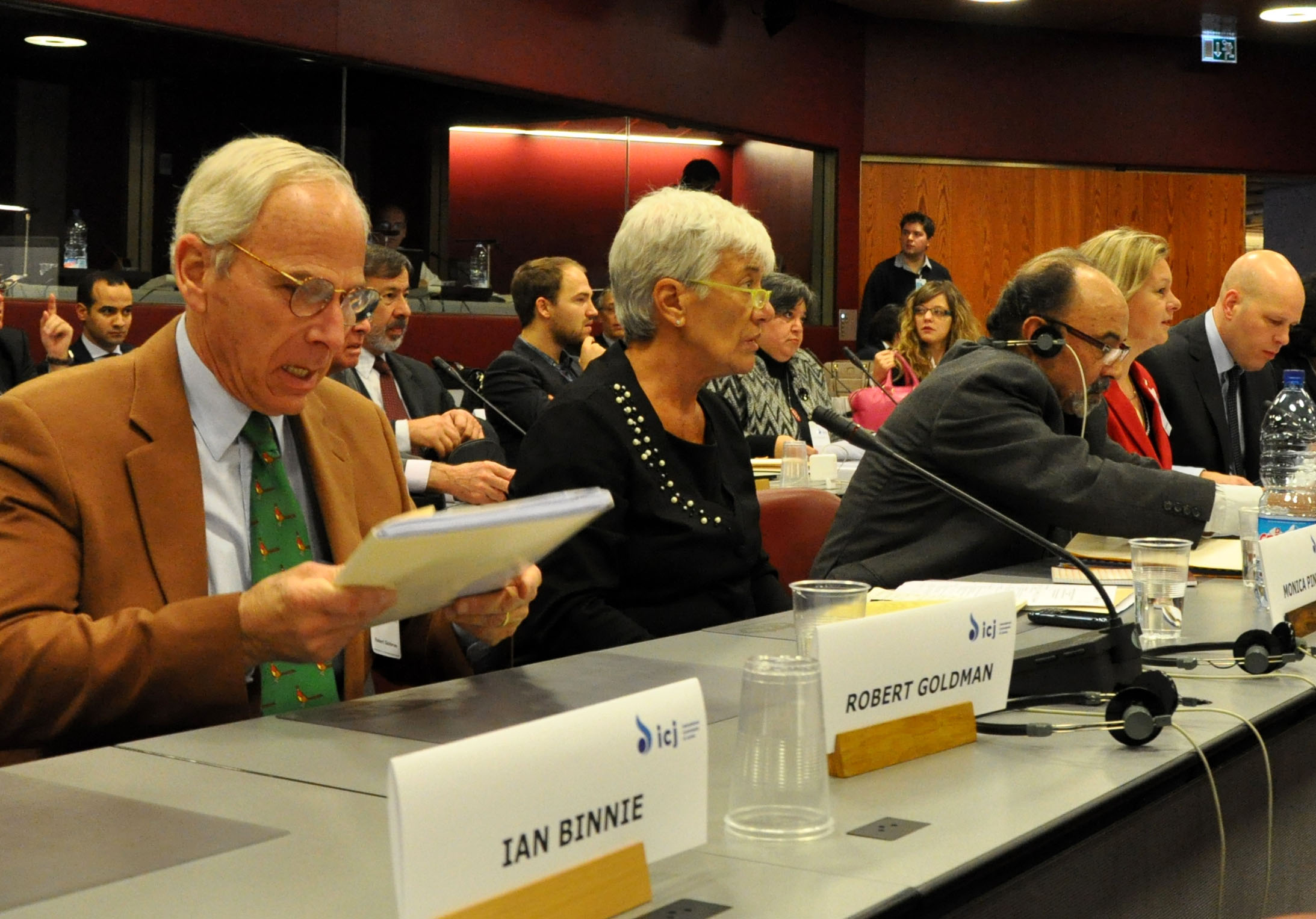
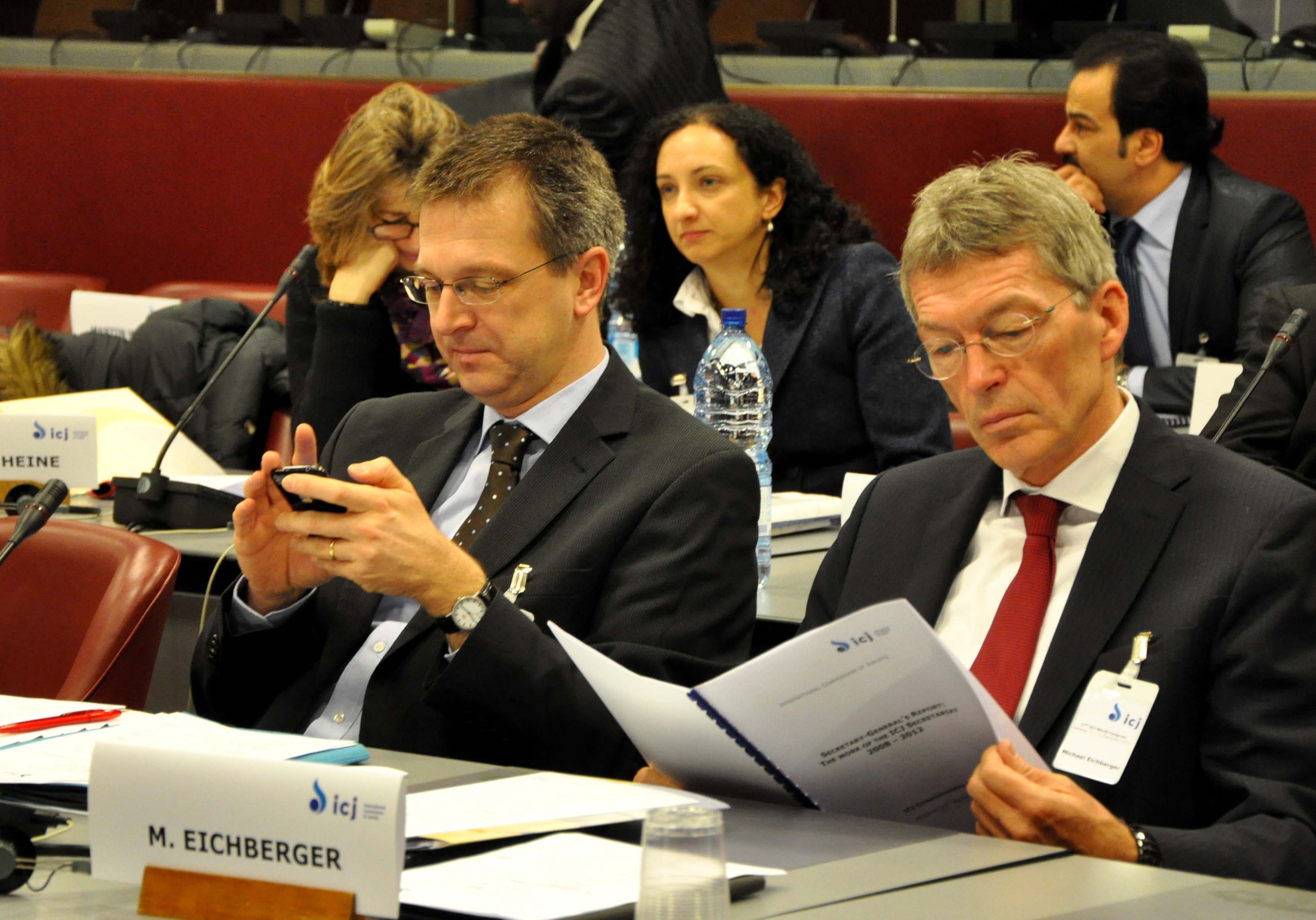

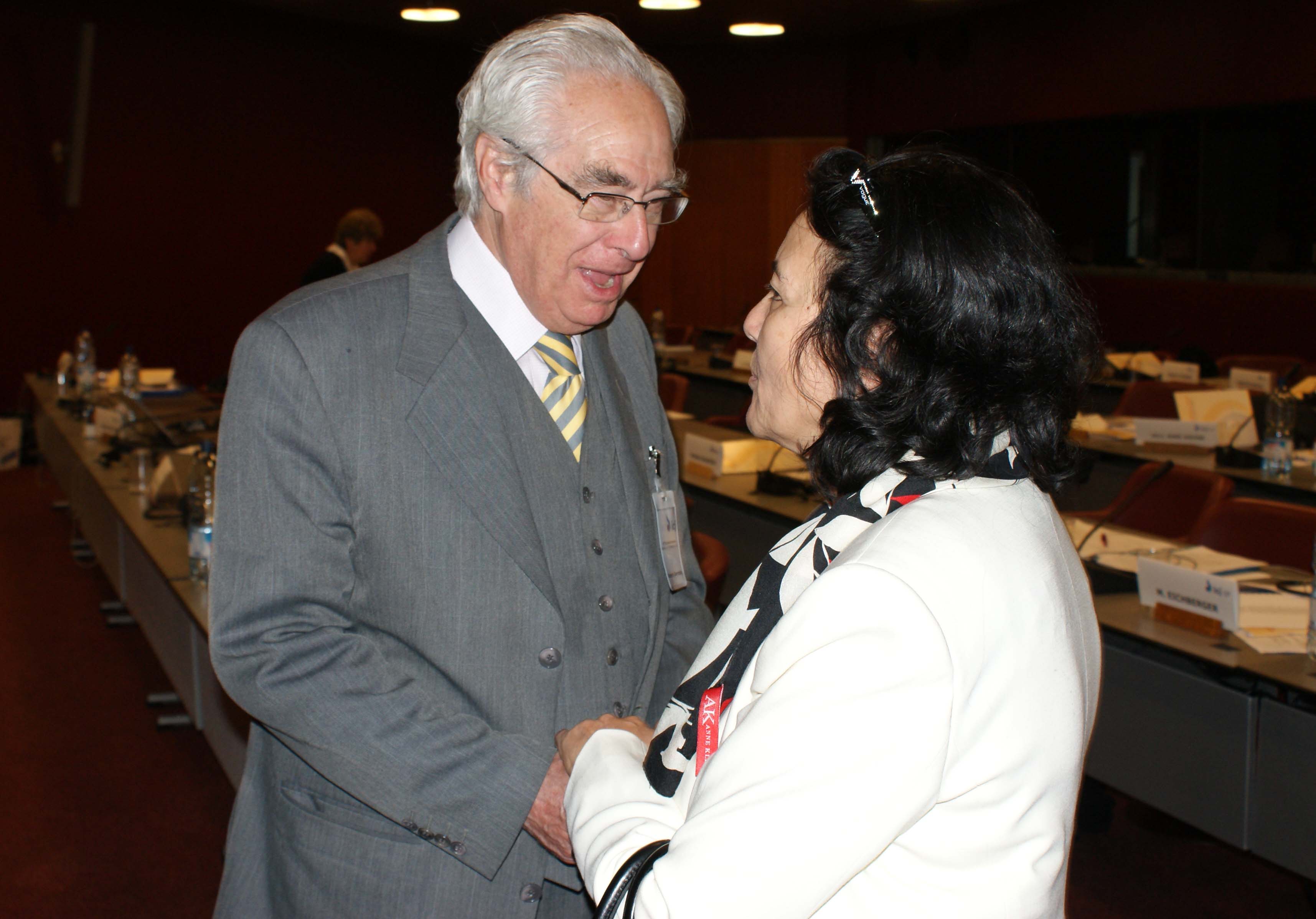

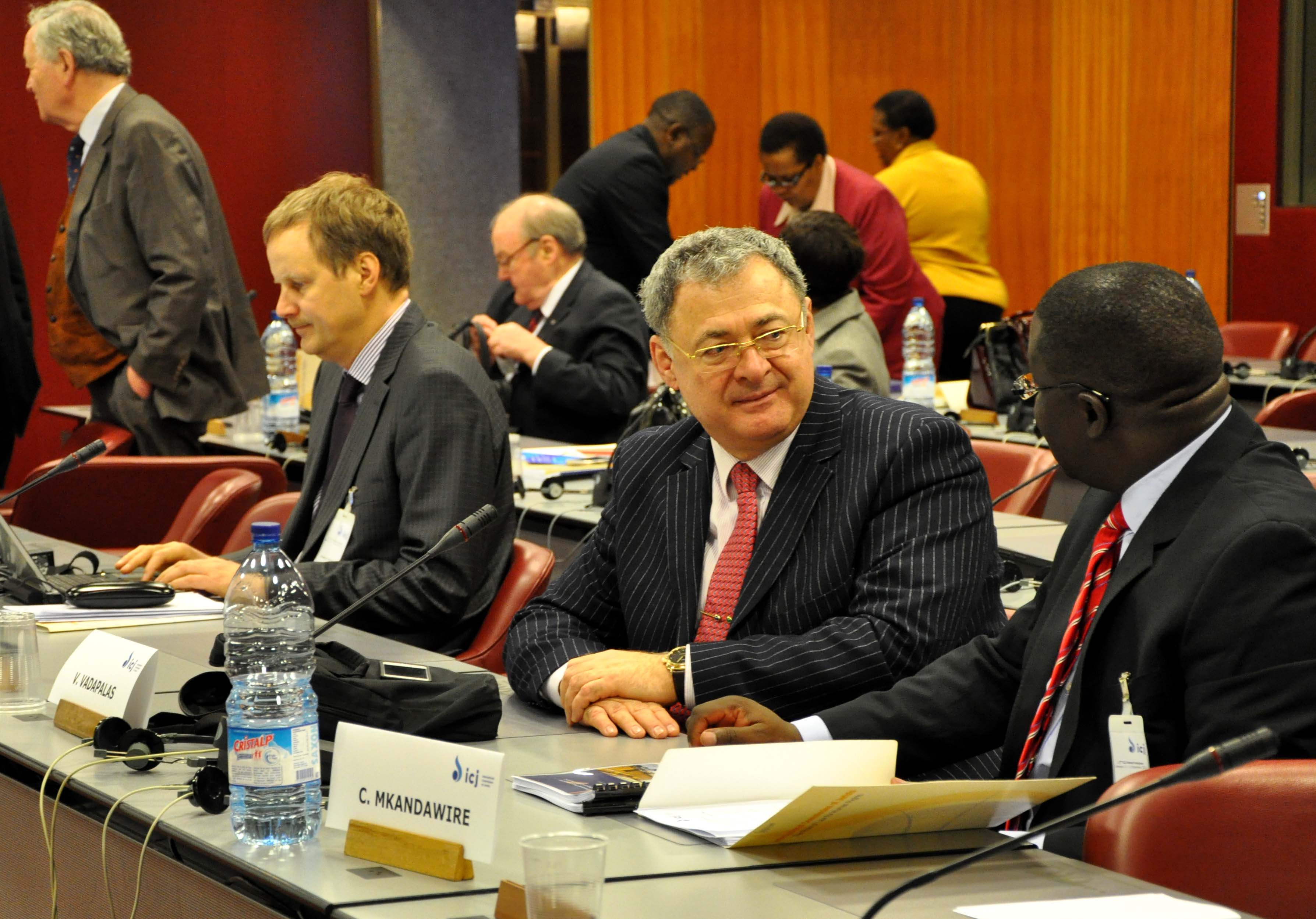
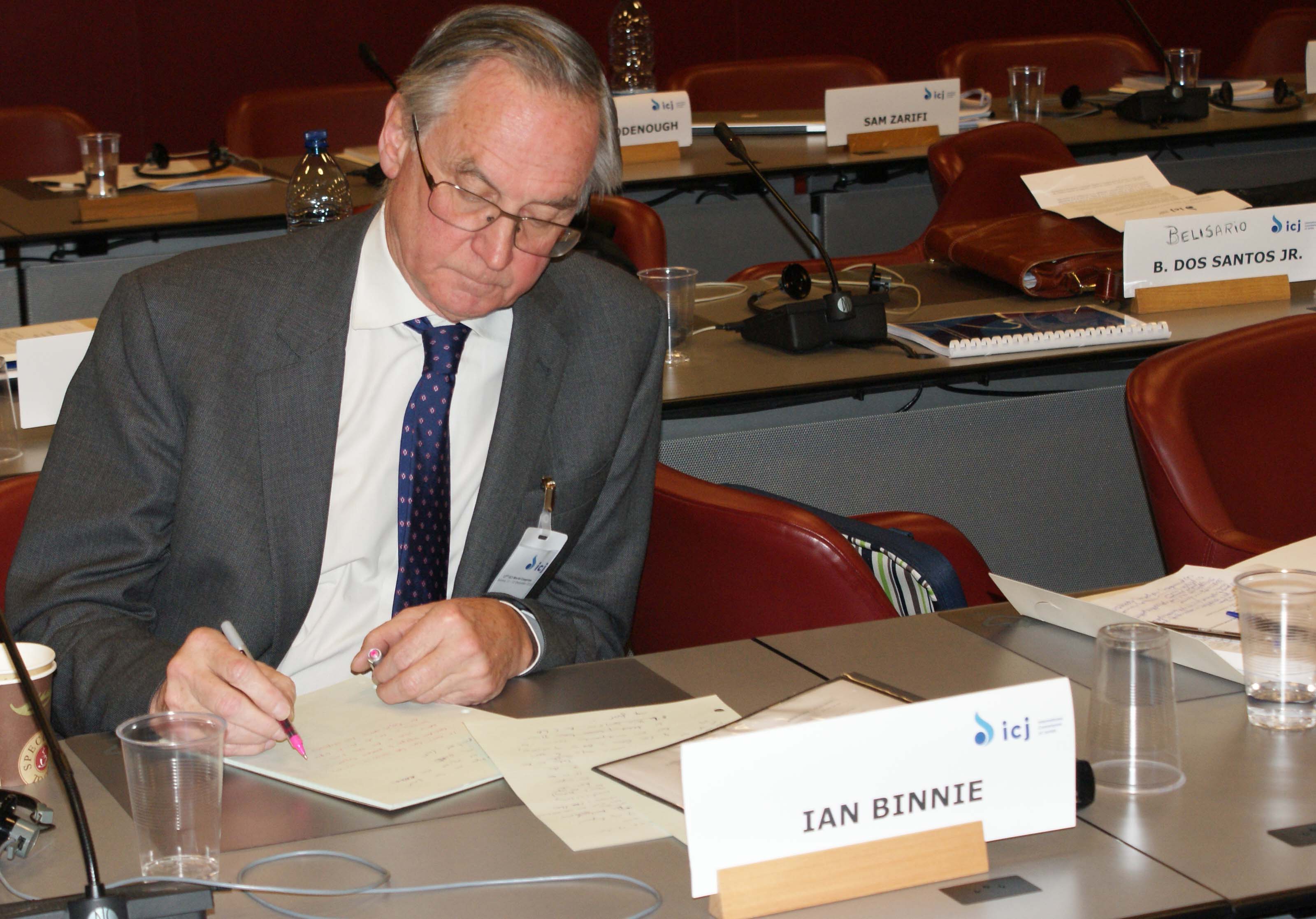

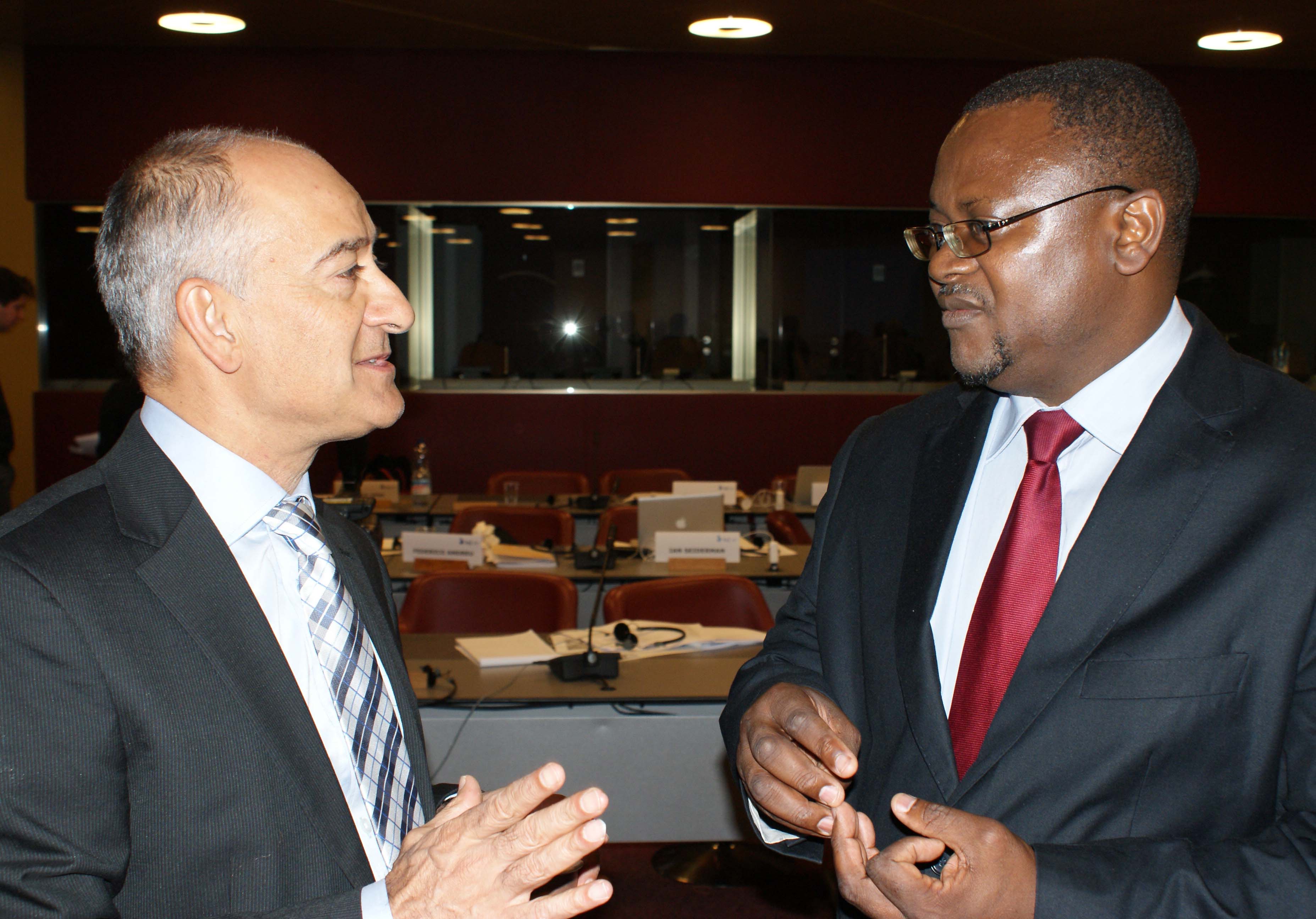
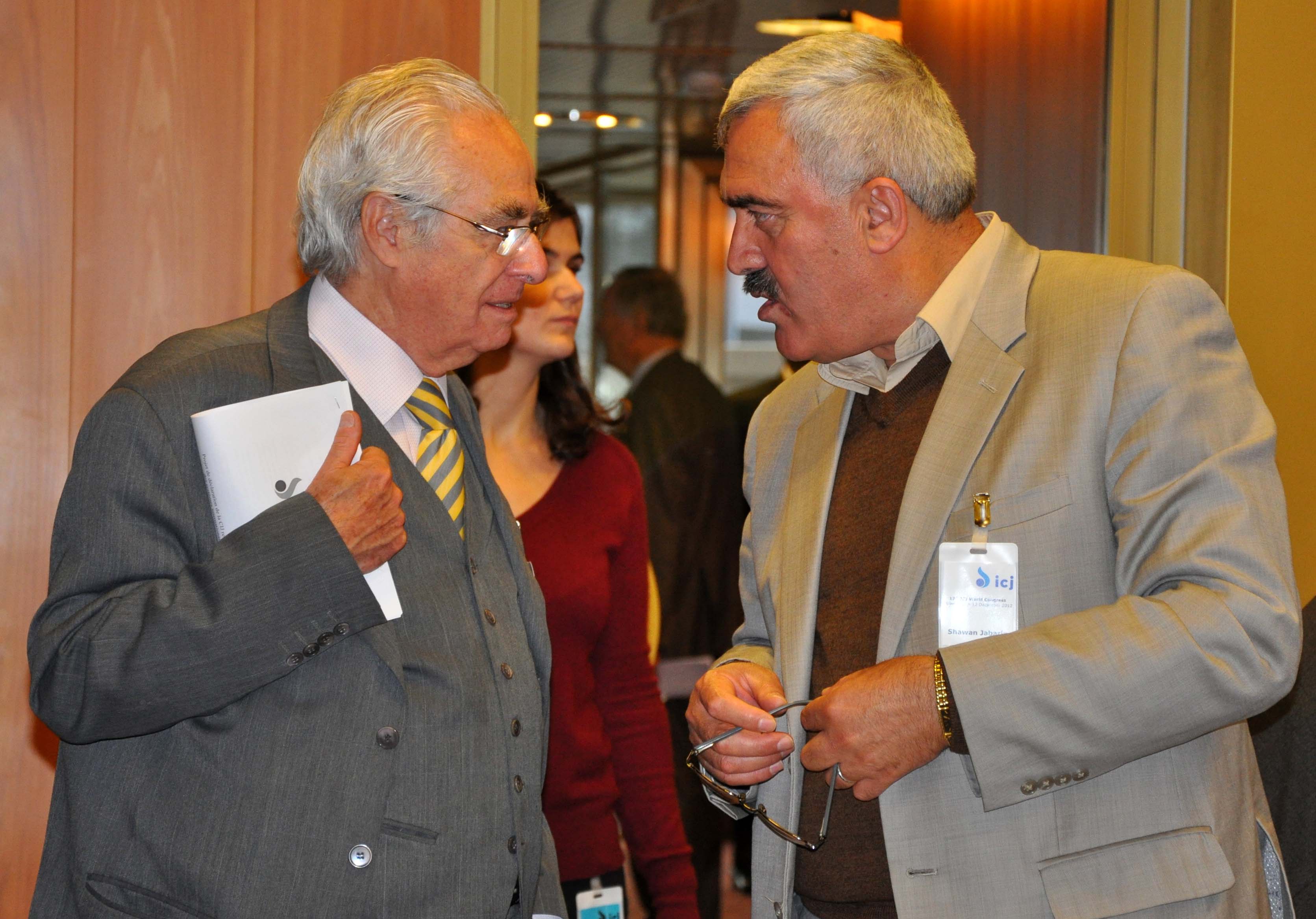


Photos by Sophie Jordi and Olivier van Bogaert

Dec 13, 2012 | News
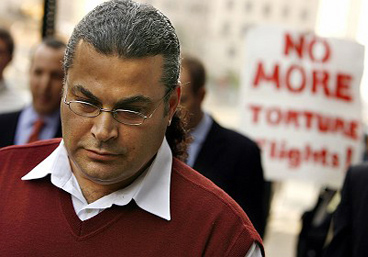 Today’s ruling on the CIA’s detention and rendition of Khaled El-Masri is a historic moment because for the first time it holds a European state accountable for its involvement in the secret US-led programmes.
It is also a milestone in the fight against impunity, Amnesty International and the International Commission of Jurists (ICJ) said.
The European Court of Human Rights held unanimously that the former Yugoslav Republic of Macedonia (Macedonia) was responsible for the German national Khaled El-Masri’s unlawful detention, enforced disappearance, torture and other ill-treatment, and for his transfer out of Macedonia to locations where he suffered further serious violations of his human rights.
Further, that Macedonia did not satisfy its obligation to carry out an effective investigation.
“This judgment confirms the role Macedonia played in the Central Intelligence Agency (CIA) rendition and secret detention programmes, and is an important step towards accountability for European complicity in rendition and torture,” said Julia Hall, Amnesty International’s expert on counter-terrorism and human rights.
“Macedonia is not alone. Many other European governments colluded with the USA to abduct, transfer, ‘disappear’ and torture people in the course of rendition operations. This judgment represents progress, but much more needs to be done to ensure accountability across Europe.”
“This ruling is historic. It recognises that the CIA rendition and secret detention system involved torture and enforced disappearances. It emphasises that both the victims and the public have the right to know the truth about these serious violations. It affirms without doubt that Europe cannot be an area of impunity but it must be a place of redress and accountability where international human rights law obligations are not bypassed but fulfilled,” said Wilder Tayler, Secretary General of the ICJ.
“Other European governments – such as Poland, Lithuania, and Romania, against which cases are also pending with the Court – should note today’s European Court judgment and take measures to ensure that the truth is told, thorough, effective, independent and impartial investigations are carried out and those responsible are held accountable.”
The Court’s ruling also serves to highlight the absence of accountability and remedy in the USA, noting that the claim filed against the CIA by Khaled El-Masri was dismissed by the US courts after the US administration invoked the “state secrets privilege”.
On 31 December 2003, the Macedonian authorities arrested El-Masri, who is of Lebanese descent, after he entered Macedonia from Serbia.
They held him incommunicado, subjecting him to enforced disappearance, repeated interrogations and to ill-treatment, until 23 January 2004 when they handed him over to Central Intelligence Agency (CIA) agents.
As part of the covert, US-led rendition and secret detention programme, the CIA transferred El-Masri to a secret detention facility in Afghanistan.
There he was held unlawfully in secret, not charged with any crime and his detention was not subject to judicial review. He did not have access to a lawyer. His whereabouts were not acknowledged and he was held incommunicado.
As a result he was subjected to enforced disappearance for over four months. While in Afghanistan, he was subjected to torture and other ill-treatment.
On 28 May 2004, El-Masri was put on a plane and flown to Albania where he was released.
Contact:
Róisín Pillay, Director, ICJ Europe Programme, t +41 22 979 38 30; e-mail: roisin.pillay(at)icj.org
For the ICJ/AI third party intervention, click here
Europe-Joint public statement El Masri-2012

Dec 13, 2012 | News
Following recent attacks against the independence of the judiciary in several Central American countries, the ICJ issued today a strong position statement (in Spanish).
La CIJ ante los últimos acontecimientos que afectan seriamente la independencia de los differentes poderes judiciales en países de la región centroamericana, expresa:
- Durante el año 2012, la CIJ ha constatado que los diferentes gobiernos y autoridades de los países de Centroamérica han realizado actos que afectan seriamente la independencia judicial. En Honduras, el miércoles 12 de diciembre, la Asamblea Legislativa procedió a destituir a cuatro magistrados de la Sala Constitucional de la Corte Suprema de Justicia, sin tener facultades o atribuciones para un acto de esta naturaleza. Esta destitución nos sitúa frente a un escenario similar al del Golpe de Estado de junio de 2009;
- En El Salvador, se han dado hechos similares; durante todo el año 2012, la Asamblea Legislativa y otros grupos del poder político, han pretendido desarticular la Sala Constitucional de la Corte Suprema de dicho país, debido al contenido de sus sentencias; en Costa Rica hace unas semanas, también la Asamblea Legislativa se negó a ratificar en su cargo a un magistrado de la Sala Constitucional de la Corte Suprema de Justicia, alegando que los fallos de dicha sala creaban una “situación de ingobernabilidad” y que ese acto era un “llamado de atención para el resto de los magistrados”, siendo la primera vez que el Organismo Legislativo se negó a ratificar en su cargo un nuevo mandato de un magistrado del alto Tribunal;
- En Guatemala, tanto el Presidente de la Cámara Penal de la Corte Suprema de Justicia como la Fiscal General, vienen siendo objeto de ataques a su independencia por parte de abogados defensores de las personas acusadas, por la función positiva que han cumplido en la lucha contra la impunidad en casos de graves violaciones a los derechos humanos cometidas durante el conflicto armado;
La CIJ considera que todos estos hechos constituyen injerencias y ataques a la independencia del Poder Judicial; tratándose de magistrados de diferentes Cortes Supremas y de una Fiscal General, estos actos evidencian por sí mismos, la precariedad de la garantía de independencia judicial en dichos países. A esta situación, hay que agregar que varios de los países mencionados, carecen de sistemas de carrera judicial y de mecanismos de protección adecuados para garantizar a los funcionarios el ejercicio independiente de la función jurisdiccional; además, en ellos existen fenómenos de impunidad generalizados y de cuerpos ilegales, aparatos clandestinos de seguridad y crimen organizado.
Frente a estos hechos, la CIJ recomienda:
- Que las autoridades estatales concernidas con los hechos arriba mencionados, se abstengan de interferir en el ámbito de la independencia de los poderes judiciales, ya que de lo contrario, estarían incumpliendo sus obligaciones internacionales sobre respeto a la independencia de poderes, establecidas en la Convención Americana sobre Derechos Humanos y en el Pacto Internacional de Derechos Civiles y Políticos;
- Que se tomen las medidas necesarias para asegurar la independencia de jueces, magistrados y fiscales como corresponde en un Estado de Derecho;
- Que los estados relacionados establezcan mecanismos de protección para jueces, magistrados, fiscales y demás operadores de justicia, a fin de salvaguardar su integridad y garantizar el ejercicio de la función jurisdiccional independiente;
- Que los estados concernidos impulsen procesos de creación o fortalecimiento de carreras judiciales de conformidad con los estándares internacionales;
- Que se fortalezcan los poderes judiciales y otras entidades del sector justicia, a fin de lograr la efectiva protección de los derechos humanos incluida la lucha contra la impunidad.
La CIJ continuará cumpliendo con su mandato de promover y garantizar la independencia de jueces, abogados y fiscales; en ese sentido, le dará seguimiento a estas situaciones y continuará observando y proponiendo soluciones a esta problemática.
Para mayor información :
Ramón Cadena Rámila, Director de la Comisión Internacional de Juristas para Centro América, t + 502 30441818