Jun 30, 2017 | Multimedia items, News, Video clips
ICJ Commissioner Karinna Moskalenko talks about the vulnerabilities of human rights defenders in Russia, as part of the ICJ’s ongoing women profiles series.
Ms Moskalenko is a Russian lawyer who has been a Commissioner of the ICJ since 2003. In the early 1990s she founded, and was the former Director of, the International Protection Centre based in Moscow.
The Centre was founded after Russia had ratified the Human Rights Committee Mechanism with the Optional Protocol to the International Covenant on Civil and Political Rights. This provided an opportunity to be able to use international mechanisms to appeal against injustices.
Once Russia had ratified the European Convention it was also possible to use the European Court of Human Rights as another means to challenge incidences where domestic remedies were failing to protect the rights of people in Russia.
The Centre pursued many cases successfully and the credibility of the organization grew, which also increased demands for help. Karinna said that women have a strong role to play in human rights defence work in Russia and form the majority of the human rights community where they are well respected.
However, this is not reflected elsewhere in Russian society where, although women are visible in senior roles within the judiciary and the executive, they do not often play an important role in leadership positions or decision-making.
“Women in Russia are sometimes much more vulnerable than other groups of the population,” said Karinna. She identified the particular problem of domestic violence as one where women are unable to obtain legal protections because police are not very interested in the problem. In addition many people within society think that women already have enough protections so there is little public opposition for reducing protections and no support for enhancing these.
Karinna felt compelled to work as a human rights defender to protect the most vulnerable people but commented that many lawyers are not interested in this field of law. Instead, they prefer to build careers within official bodies of the judiciary or the government. Human rights activities are no longer very popular, she said.
Members of non-governmental organizations are often accused of being ‘foreign agents’ or ‘enemies of the State’. As many people do not understand the nature of human rights defence work, Ms Moskalenko said it can be frustrating and hurtful to have to defend yourself against these accusations. However, Karinna thinks that those working in human rights are the most patriotic people she knows because they care about the rights of each and every member of society.
Fortunately, the International Protection Centre has won so many cases for ordinary people that they have a very good reputation in society, but they do not have enough funding for their activities. They cannot accept international funds and domestically no funding is available. Many lawyers take on unpaid cases, but not everyone can afford to do so. The defence of human rights is a very difficult career.
“I cannot say that there is no fear. There is, of course. Some of my friends were killed because of their human rights activity.”
Ms Moskalenko said that human rights defence work is very important but in Russia defenders are not protected financially, legally, morally or physically. They are frequently threatened, persecuted and even killed.
However, although working as a human rights defender is difficult, Karinna says that “when you somehow help people, you want to continue that, you think that you believe that you must do that, you cannot stop and people come to you, how can you refuse?”
Watch the interview:
The series of profiles introducing the work of ICJ Commissioners and Honorary Members on women’s rights was launched on 25 November 2016 to coincide with the International Day to Eliminate Violence against Women and the first day of the 16 Days of Activism Against Gender-Based Violence Campaign.
Jun 28, 2017 | News
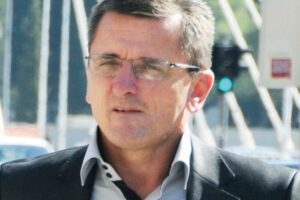
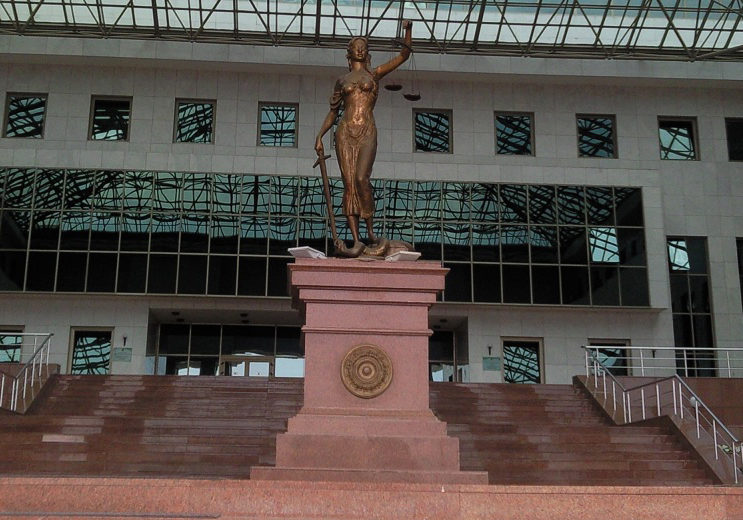
Government moves to amend the regulatory framework of the legal profession in Kazakhstan may undermine its independence and are contrary to the principle of self-regulation of the profession, the ICJ said today.
The ICJ called on the authorities of Kazakhstan to refrain from interference in the governance of the independent legal profession and step back to allow the collegia of lawyers to continue to take responsibility for such matters.
The ICJ stressed that any proposals for reform put forward by the governing bodies of the profession should be developed in consultation with and enjoy the consent of the members of advokatura in accordance with international law and standards on the independence of lawyers.
The ICJ was responding to proposals put forward by the Justice Minister Marat Beketayev for reform of the legal profession in Kazakhstan.
In a statement to Parliament on 29 May 2017 (Report of the Minister of Justice on the issues of further development and reform of the institutes of notary and advokatura on 29 May 2017), the Minister outlined plans to:
- lower training and entrance fees to the profession “in order to simplify access to the profession”;
- broaden the powers of the Republican Collegium to regulate the disciplinary system for lawyers, in light of the Minister’s view that lawyers were avoiding disciplinary responsibility in many cases under the current system;
- require lawyers to undergo annual training followed by exams, which would be set not by the collegia themselves, but by universities or external training centres;
- require lawyers, in addition to the participation in state-funded legal aid scheme, to provide mandatory legal assistance without financial support from the Government, which the Minister described as “pro bono” service
The importance of an independent legal profession which is self-regulating is well recognized and accepted under international standards and by international authorities.
One of the means by which such independence may be guaranteed is the governance of the profession by an organization independent from the State or other national institutions.
International standards provide that it is an important function of the lawyer’s association “[t]o maintain the honour, dignity, integrity, competence, ethics, standards of conduct and discipline of the profession” (Singhvi Declaration, para.99).
In this context, comments by the Justice Minister Marat Beketayev on the need to change the disciplinary system due to lawyers avoiding disciplinary responsibility “for violations committed” is of serious concern, the ICJ said.
While it is important that lawyers who act against the interests of their clients, or otherwise violate standards of lawyers’ ethics are subject to disciplinary responsibility, it is the function of the profession itself to decide on such matters. Disciplinary proceedings should never be used to undermine lawyers’ independence.
Lowering entrance fees for qualifying lawyers may be a positive measure that can enhance access to the profession for qualifying lawyers, in circumstances where such fees are inaccessibly high.
However the initiating and design of such proposals should not be in the hands of the executive, as this may limit the independence and effectiveness of the legal profession.
Financial sustainability of an independent legal profession largely depends on its members’ fees.
The advokatura should be able to regulate and finance its regular operations, including administration and training, the ICJ added.
As noted by the former UN Special Rapporteur on the Independence of Judges and Lawyers in his report of 2009: “… the legal profession is best placed to determine admission requirements and procedures and should thus be responsible for administering examinations and granting professional certificates. This would further help in preserving its independence and self-governance, as advised in the Basic Principles.”
The ICJ is also concerned at suggestions that, as part of continuing legal education, lawyers will be subject to examinations by institutions outside the profession.
While it remains unclear what role or effect such examinations would have, the proposal raises concerns regarding the legal profession’s self-regulation and would risk undermining its independence, the ICJ said.
It should be recalled that, Kazakhstan is required take measures to remove obstacles to the independence of lawyers.
Regarding the proposals on so called ‘pro bono legal assistance’, while it is welcome when any State adopts measures to make legal aid more accessible, such measures should not place an unreasonable burden on lawyers to provide mandatory legal assistance.
The scheme proposed by the Minister for Justice whereby lawyers become responsible for providing legal services without financial compensation for their work is of concern, and appears unlikely to ensure a high quality of legal advice, the ICJ added.
It should be the role of the government to provide regular and sufficient funding for such services, ensuring that legal aid is available for indigent clients in line with international standards.
Kazakhstan-Interference legal profession-News-2017-RUS (Russian version, in PDF)
Jun 20, 2017 | News, Training modules
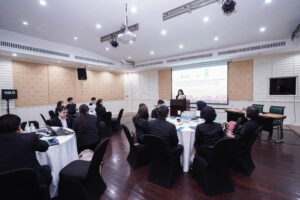
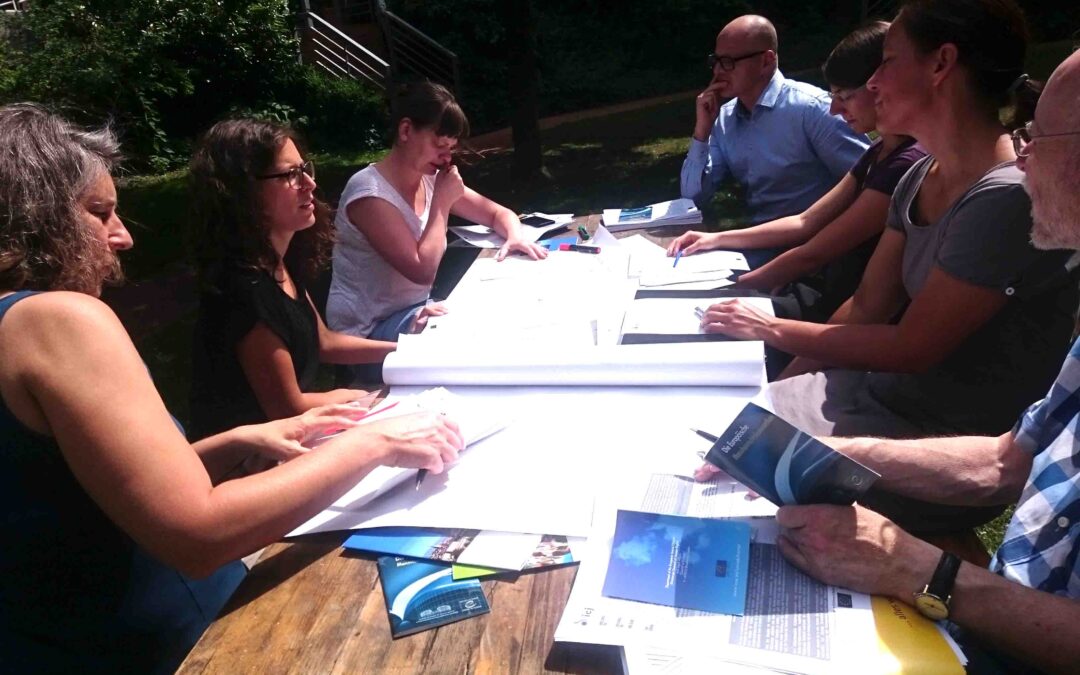
Today, the ICJ and Bundesfachverband unbegleitete minderjährige Flüchtlinge (BumF) are holding a training for lawyers on the rights of migrant children and on accessing international human rights mechanisms in Berlin.
The training aims to support the strategic use of national and international mechanisms to foster migrant children’s access to justice.
The training will take place over the course of two days: 20-21 June 2017.
The training will focus on accessing the international mechanisms in order to protect and promote the rights of migrant children, the child’s procedural rights including the right to be heard, the right to family life and family reunification.
A practical case analysis will be part of the training.
Trainers include Karolína Babická, Legal Adviser of ICJ’s Europe Programme, Claudia Kittel from the CRC Monitoring body in Germany, Sigrun Krause from JUMEN e.V. and Joris Sprakel, Lecturer at the Hague University.
The training is based on draft training materials prepared by the ICJ (to be published in the second half of 2017) and the ICJ Practitioners Guide no. 6: Migration and International Human Rights Law.
It is organized as part of the FAIR project co-funded by the Rights, Equality and Citizenship Programme of the European Union and OSIFE.
The past trainings on the rights of migrant children within the FAIR project took place in Spain, Italy, Bulgaria, Malta, Greece and Ireland. The Strategic litigation Retreat, which will bring three lawyers of each of the national trainings together with experts on in-depth insights and strategising on accessing international mechanisms will follow in October this year.
Download the agenda (in German) here:
Germany-FAIRtraining-Event-Agenda-2017 (in PDF)
Jun 13, 2017 | News
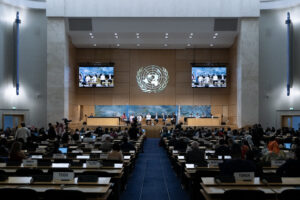
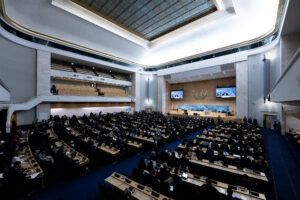
The ICJ welcomed today the Special Rapporteur’s report on Turkey and his preliminary findings on his visit to the country last November.
The ICJ welcomes and concurs with the finding that the “situation of the judiciary is undermining freedom of opinion and expression”.
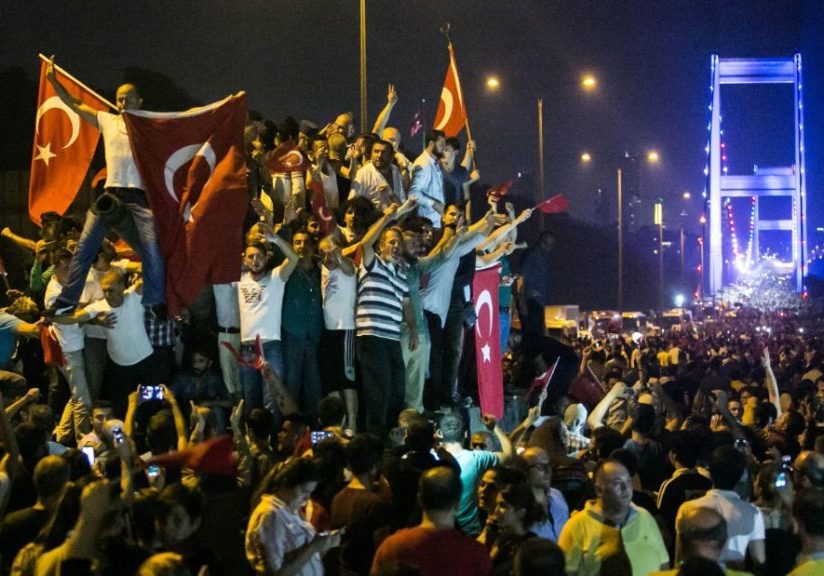
Mass dismissals of judges have had a devastating effect on the judiciary’s independence, already weakened by the current state of emergency. Furthermore, we are concerned at the claim by the President that the state of emergency will remain in place until Turkey reaches “peace and prosperity”. Whatever other questions there may be about their validity, maintaining emergency derogations to human rights law instruments for such an open-ended period would clearly not be in line with international law.
The ICJ is also concerned at the constitutional amendments approved on the 16th of April by a referendum. Among other things, the amendments have given powers to the President and the Parliament to appoint all the members of the High Council of Judges and Prosecutors, the body tasked with protecting the independence of these professions.
The judiciary has had in the past an important role in implementing legislation that has severely limited the freedom of journalists to carry out their job.
The independence of the judiciary has now been eroded to its core in Turkey. Without it, there is no effective remedy in the country to protect freedom of opinion and expression.
Further reading: ICJ’s briefing paper Turkey: the Judicial System in Peril
May 25, 2017 | News, Training modules
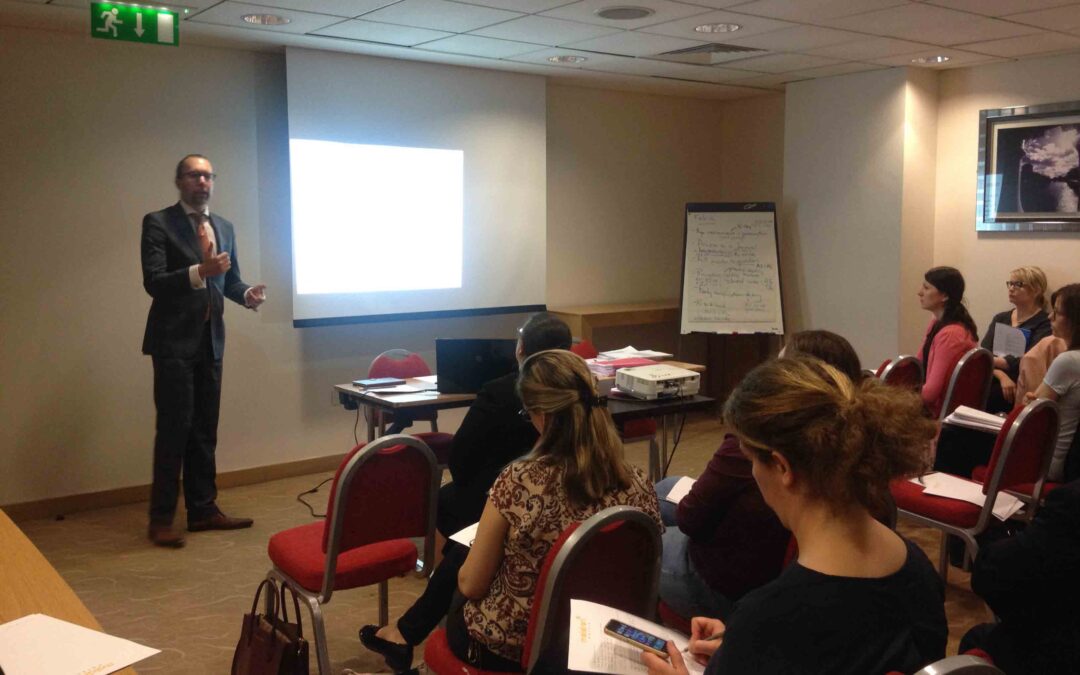
Today, the ICJ and the Immigrant Council of Ireland are holding a training for lawyers on the rights of migrant children and on accessing international human rights mechanisms in Dublin.
The training aims to support the strategic use of national and international mechanisms to foster migrant children’s access to justice.
The training will take place over the course of two days: 25-26 May 2017.
The training will focus on accessing the international mechanisms in order to protect and promote the rights of migrant children, the child’s procedural rights including the right to be heard, the right to family life, access to housing and education and immigration detention.
A practical case analysis will be part of the training. Trainers include Róisín Pillay, Director of ICJ’s Europe Programme, Dr. Patricia Brazil, BL and Joris Sprakel, Hague University.
The training is based on draft training materials prepared by the ICJ (to be published in the second half of 2017) and the ICJ Practitioners Guide no. 6: Migration and International Human Rights Law.
It is organized as part of the FAIR project co-funded by the Rights, Equality and Citizenship Programme of the European Union and OSIFE.
As part of the project, this training follows the trainings on the rights of migrant children in Spain, Italy, Bulgaria, Malta and Greece. Training in Germany and Strategic litigation Retreat will follow later this year.
Download the agenda here: Ireland-FAIRtraining-Event-agenda-2017-ENG
May 19, 2017 | Multimedia items, News, Video clips
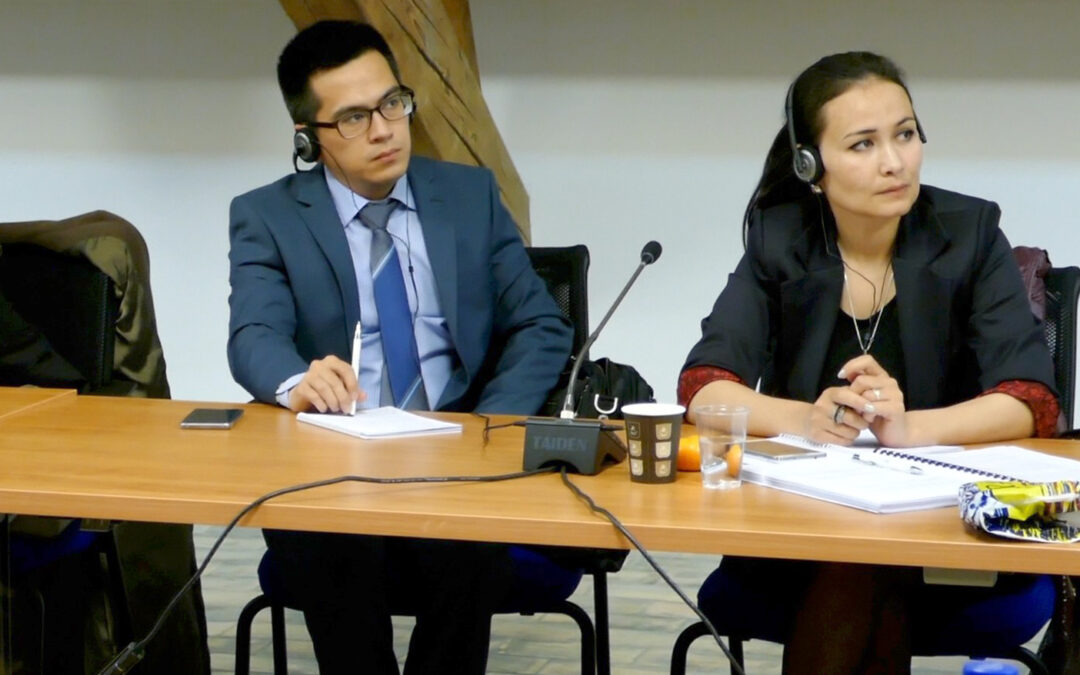
Zainab Kistabayeva, Iuliia Votslava, Shoira Sobirova and Daniyar Kanafin, four lawyers who have been trained at the Programme, and ICJ’s Legal Adviser Temur Shakirov, talk about this recent event.
Temur Shakirov
Zainab Kistabayeva
Iuliia Votslava
Shoira Sobirova
Daniyar Kanafin