Dec 2, 2016 | Agendas, Events, News
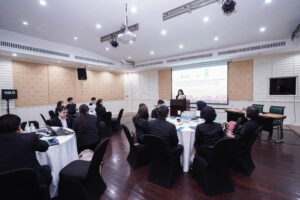
Today, the ICJ and Scuola Superiore Sant’Anna are holding a training for lawyers on the rights of migrant children and on accessing international human rights mechanisms in Pisa (Italy).
The training aims to support the strategic use of national and international mechanisms to foster migrant children’s access to justice. The training will take place over the course of two days from 2-3 December 2016.
The training will focus on accessing the international mechanisms in order to protect and promote the rights of migrant children, the child’s right to family life and the best interests of the child principle. A moot court exercise will be held on the second day of the training.
Trainers include experts from the ICJ and Scuola Superiore Sant’Anna, the Italian Court of Cassation and the University of Milan.
The training is based on draft training materials prepared by the ICJ (to be published in the second half of 2017) and the ICJ Practitioners Guide no. 6: Migration and International Human Rights Law.
It is organized as part of the FAIR project co-funded by the Rights, Equality and Citizenship Programme of the European Union and OSIFE.
Download the agenda in Italian here:
italy-rights-migrant-children-training-agenda-2016-ita

Nov 30, 2016 | Advocacy, News, Non-legal submissions
European Union Member States must ensure that a new effort to standardise counterterrorism laws does not undermine fundamental freedoms and the rule of law, a group of international human rights organisations said today.
Amnesty International, the European Network Against Racism (ENAR), European Digital Rights (EDRi), the Fundamental Rights European Experts (FREE) Group, Human Rights Watch (HRW), the International Commission of Jurists (ICJ) and the Open Society Foundations (OSF) are warning that the overly broad language of the new EU Directive on Combating Terrorism could lead to criminalising public protests and other peaceful acts, to the suppression of the exercise of freedom of expression protected under international law, including expression of dissenting political views and to other unjustified limitations on human rights. The directive’s punitive measures also pose the risk of being disproportionately applied and implemented in a manner that discriminates against specific ethnic and religious communities.
The groups call on EU Member States to ensure that implementation of the directive in national law includes additional safeguards to guarantee compliance with regional and international human rights obligations. These safeguards are especially important to ensure that any new laws passed, which will remain in place for years to come, cannot be used abusively by any government, including any that may be tempted to sacrifice human rights and due process in the name of pursuing security.
‘States must effectively address the threat of terrorism. But the EU has rushed to agree a vaguely worded counterterrorism law that endangers fundamental rights and freedoms,’ said Róisín Pillay, Europe Programme Director at the ICJ. ‘Time and again we’ve seen governments adopt abusive counterterrorism laws without assessing their effectiveness, and then implement them in ways that divide and alienate communities. We worry this directive will reinforce this trend and leaves too much leeway for governments to misuse the directive to violate rights.”
The groups also noted that the legislative process for adopting this directive lacked transparency and opportunity for critical debate. There was no impact assessment of the proposal, negotiations moved forward without parliamentary-wide review of the text, and the proposal was rushed through behind closed doors and without any meaningful consultation of civil society.
Despite the inclusion of a general human rights safeguarding clause and repeated caution from our organisations the final text fails to fully protect human rights within the EU:
• The directive repeats the EU’s already overly broad definition of ‘terrorism,’ which permits states to criminalise, as terrorism, public protests or other peaceful acts that they deem ’seriously destabilise the fundamental political, constitutional, economic or social structures of a country or an international organisation.’
• Significantly, the directive requires states to criminalise a series of preparatory acts that may have a minimal or no direct link to a violent act of terrorism, and may never result in one being committed. For example the offences of participating in a terrorist group, travelling or receiving training for terrorist purposed are not adequately defined. Unless these broadly outlined offences are subject to careful drafting and strong safeguards in national law, they are likely to lead to violations of rights, including the right to liberty and freedoms of expression, association, and movement.
• The directive criminalises the public distribution of messages, including messages that ‘glorify’ terrorist acts, if the distribution is intentional and causes a danger that a terrorist offence may be committed. However, such a low threshold likely to lead to abuse if not limited as the UN recommends ‘to incitement that is directly causally responsible for increasing the actual likelihood of an attack’. The directive should have incorporated this language to avoid unjustified interference with freedom of expression.
We welcome the directive’s protection of activities of recognised humanitarian organisations. However we remain concerned that the protection does not expressly extend to all individuals providing medical or other life-saving activities that international humanitarian law (IHL) protects during times of armed conflict.
States should take the directive as an opportunity to reassess their counterterrorism laws, policies and practices and engage with civil society and other stakeholders. We welcome the European Commission’s commitment to formally include civil society organisations in their activities to support transposition of the directive.
Contact:
Roisin Pillay, ICJ Europe Director, at roisin.pillay(a)icj.org or +32 2 734 84 46
eu-press-release-flawed-counterterrorism-directive-2016-eng (download the statement)
Nov 29, 2016 | Advocacy, News, Non-legal submissions
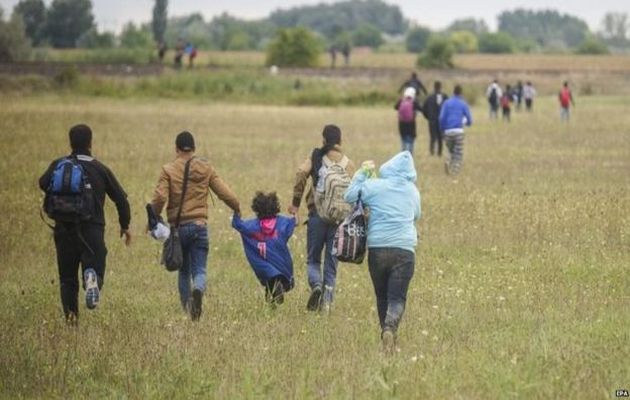
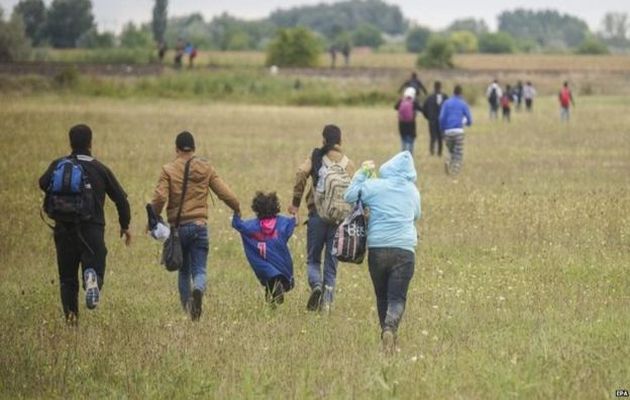
The ICJ and 77 other civil society organizations and UN agencies called today on the EU institutions and Member States to do more to protect the rights of refugee and migrant children.
The call came in a statement released to mark the opening of the 10th European Forum on the Rights of the Child in Brussels.
The refugee and migrant crisis in Europe will soon enter its third year, with children playing an ever larger part and the impact on their lives all the more tragic.
Between January and September 2016, more than 664,500 children claimed asylum in Europe; nine in ten children arriving in Italy this year were unaccompanied; 23,000 children in Greece remain in limbo – their futures hanging in the balance, their education on hold.
More than 700 children are estimated to have died at sea trying to reach Europe this year alone. Last week a six-year old child died in a fire in the Moria camp on the Greek island of Lesbos.
The ICJ is deeply concerned at the failure to prioritize the protection of children’s rights. Children lack access to basic procedural rights, such as access to a guardian, access to a lawyer or access to information.
Children stranded in Greece have been out of school for an average of 20 months.
Many children have to wait for more than a year to reach family members in other EU Member States or even more when their parents or siblings are outside of the EU. In many cases they cannot reunite with their parents or siblings because it is simply too expensive for them.
The EU and Member States can do a lot more to protect children’s rights and address their particular needs and vulnerabilities.
78 partner organizations identify seven priority actions to protect refugee and migrant children today and prepare them for the future.
These actions include the urgent adoption of an EU Action Plan on children in migration, strengthened safeguards in the asylum legislation, increased funding for national child protection systems and building mechanisms to protect children across borders.
The reform of the common European asylum system, currently debated in the European Parliament, provides a unique opportunity to ensure children get access to guardians, education and family reunification.
EU action is also needed to end the detention of migrant and refugee children, and the identification of alternatives.
The full statement can be downloaded here:
eu-joint-statement-refugee-and-migrant-children-advocacy-non-legal-submission-2016-eng
Information about the November 2016 ICJ Geneva Forum on the role of judges and lawyers in relation to large movements of refugees and migrants (including special consideration of migrant and refugee children), is available by clicking here.
Nov 25, 2016 | Multimedia items, News, Video clips
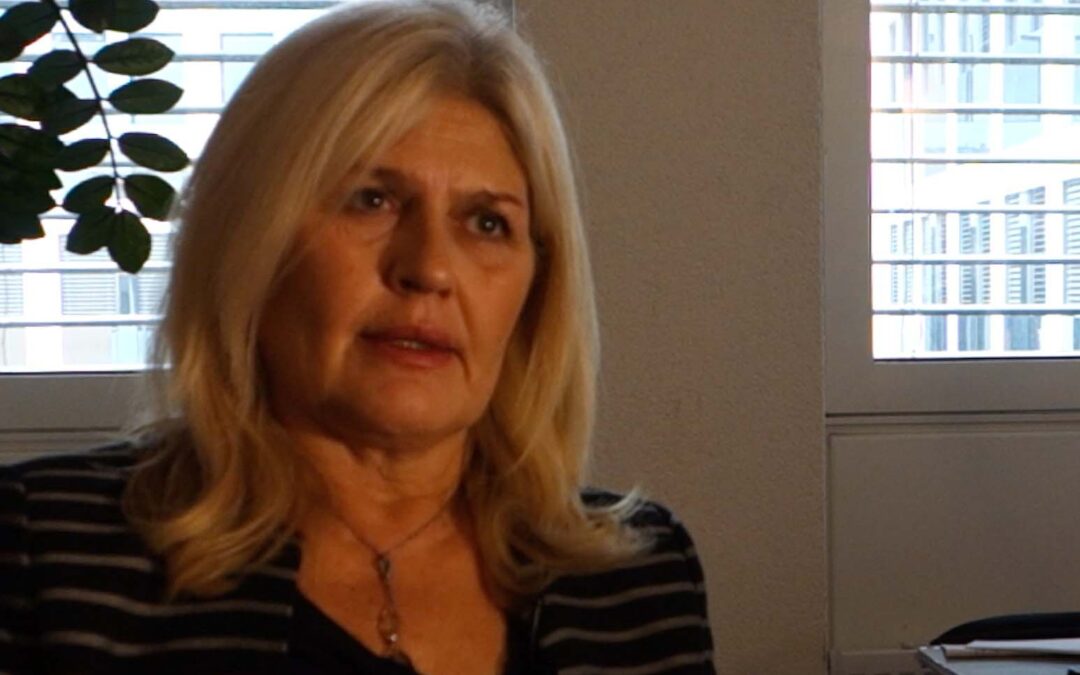
The ICJ has launched a new women’s rights defenders profile series, beginning with ICJ Commissioner and Justice of the Supreme Court of Serbia, Radmila Dragicevic-Dicic.
The monthly profile series, introducing the work of ICJ Commissioners and Honorary Members on women’s rights, has been launched to coincide with the International Day to Eliminate Violence against Women and the first day of the 16 Days of Activism Against Gender-Based Violence Campaign.
The Judges Association of Serbia was established by Radmila and others in 1997, during the regime of Slobodan Milosevic. The Association was formed under the slogan ‘I do not agree’ in opposition to the misuse of the judiciary. Many women were involved in this fight against corruption and in protection of the independence of the judiciary.
In the year 2000, shortly before the fall of Milosevic, Radmila was one of fifteen judges that were dismissed because of their opposition to the repressive regime; although she was quickly reinstated following the elections that took place later that year.
During the civil war period in the 1990s, violence against women grew significantly and domestic violence was rampant in Serbia. Radmila, and other women in the judiciary, worked on issues of organized crime and human trafficking and they were brave to do so as the State couldn’t guarantee their security.
Radmila spoke of women’s continued obstacles in accessing justice and the important of protecting victims of violence. She commented that some States still lack the facilities, resources, personnel and awareness to provide adequate protection for victims.
Human trafficking continues to be one of the biggest problems that affects women, not only in Europe but globally. Justice Dragicevic-Dicic said it was beneficial for those working on women’s rights to share their experiences and learn from one another. Although the motivations and circumstances of women trafficked in different parts of the world may vary, all these women are subject to the same kinds of violence.
In the Serbian constitution, human trafficking is categorized as a crime against humanity and is taken very seriously, although this was not always the case.
Radmila spoke of one case she presided over that helped her to understand what it meant to be a victim. The case concerned two Ukrainian students who had dreamt of going to work in Germany to earn some money for their families but were trafficked into prostitution. She said that this case helped her to understand that anyone can be a victim.
It is everyone’s right to have dreams and to be naïve but no-one has the right to violate your rights. Radmila works to raise awareness amongst other judges that their role is not to judge the victims but those that have exploited them.
There remains a number of issues for victims of trafficking that Justice Dragicevic-Dicic highlighted, including ensuring the non-punishment, safety and protection of victims as well as addressing their access to compensation. Even where the offender isn’t known, victims are still entitled to the full rights of a victim within criminal proceedings.
The judiciary and independent organizations, like the Association of Serbian Judges and the International Commission of Jurists, have an important role in protecting the rights of women. Radmila explained that this can be done through promoting international standards, ensuring that victims are made visible and ensuring that States understand their responsibilities and obligations.
Judicial education on gender-based violence is important, not just in countries undergoing transitional periods, but for all countries where regional and/or international standards have been developed.
Radmila advised anyone interested in defending women’s rights that this work can be done from any position or microsystem that an individual or group is operating in, providing they take the time to educate themselves and build awareness. What is important is that as many people as possible come together to promote and protect women’s rights. Progress can be made, even if this is little by little.
“Sometimes you think you are doing little and you feel hopeless”, said Radmila, “but then I always say if you put a little seed somewhere then it will grow, after you leave, in one year, two years it’s always worth it.”
Watch the video interview:
The series of profiles introducing the work of ICJ Commissioners and Honorary Members on women’s rights was launched on 25 November 2016 to coincide with the International Day to Eliminate Violence against Women and the first day of the 16 Days of Activism Against Gender-Based Violence Campaign.
Nov 18, 2016 | Agendas, Events, News
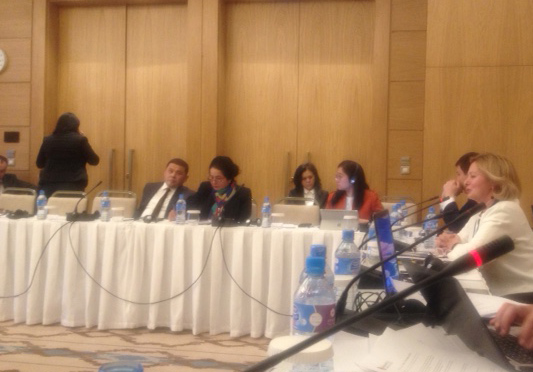
Today, the ICJ holds a round table discussion in Tashkent, Uzbekistan on “Comparative Perspectives on Judicial Ethics”.
The event takes place as part of the Central Asian Forum Expert Forum organized by the Organisation for Cooperation and Security in Europe (OSCE) in Tashkent this year.
International standards, and national standards of judicial ethics in Uzbekistan in other countries will be discussed at the event.
Participants will discuss questions of judicial independence, impartiality and accountability and disciplinary mechanisms.
Speakers at the event include Justice Ketil Lund (photo), an ICJ Commissioner and a former judge of the Supreme Court of Norway, Justice Tatiana Andreyeva, professor of law and a former Judge of the High Arbitration Court of the Russian Federation, as well as a representative of the Uzbekistan judiciary.
Legal practitioners and experts from across the Central Asian region will attend the event.
uzbekistan-side-event-tashkent-events-agenda-2016-rus (Agenda in Russian, PDF)
Nov 11, 2016 | Agendas, Events
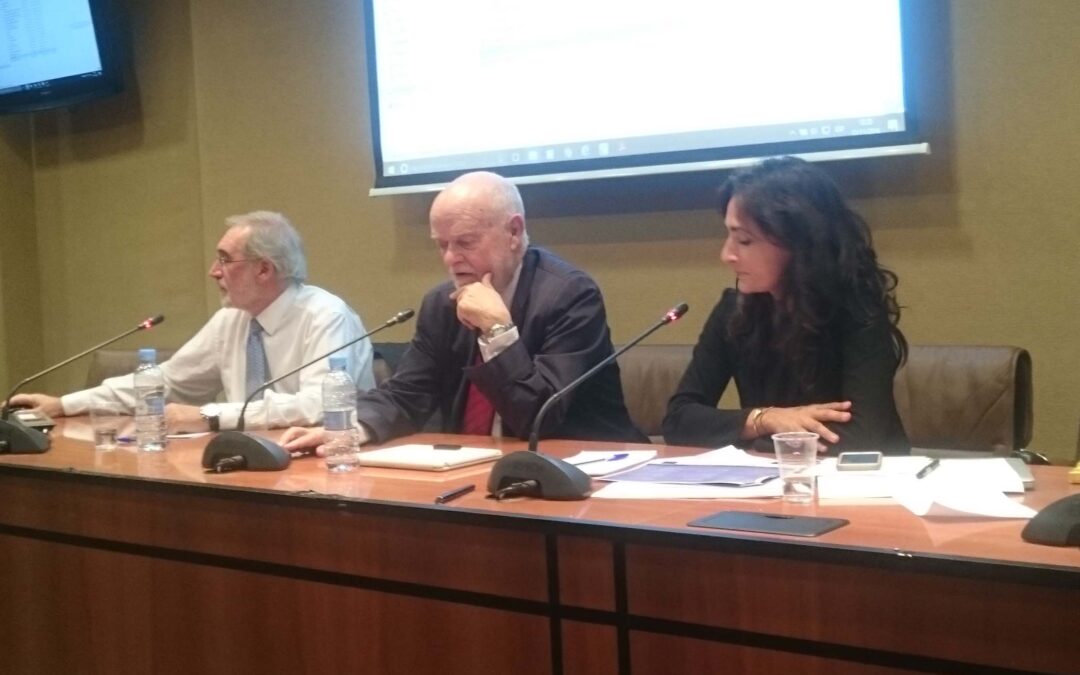
The ICJ and Foundation Raices are holding a training on the rights of migrant children and on accessing international human rights mechanisms from 11 to 12 November in Madrid (Spain).
The training aims to support the strategic use of national and international mechanisms to foster children’s access to justice.
The training will focus on accessing the international mechanisms in order to protect and promote the rights of migrant children, the child’s right to be heard and related procedural rights, the best interests of the child, age assessment and the presumption of minority.
Trainers will include representatives of the ICJ and Foundation Raices, as well as experts from the Committee on the Rights of the Child, the Spanish Constitutional Court and the office of the Spanish Ombudsman.
The training is based on draft training materials prepared by the ICJ (to be published in the second half of 2017) and the ICJ Practitioners Guide no. 6: Migration and International Human Rights Law.
The training is organized as part of the FAIR project co-funded by the Justice and Equality Programme of the EU and OSIFE.
Download the agenda of the training here:
spain-fair-training-events-agenda-2016-eng (in PDF)