Feb 1, 2017 | News
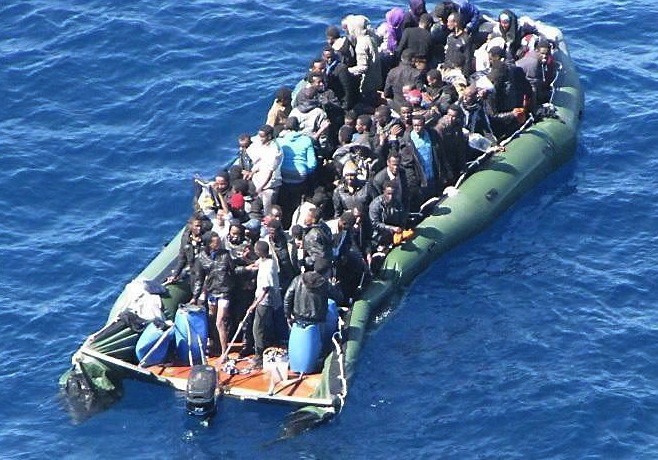
The ICJ, the European Council on Refugees and Exiles, Refugee Rights Turkey, Mülteci-Der and the ICJ-European Institutions begun today a two-year project to enhance access to justice for migrants, refugees and asylum-seekers in Turkey.
The project, which also aims to ensure protection of their rights, at the national and international levels, is co-funded by the European Union.
More information here: Turkey-ICJ project migrants-News-2017-ENG
Jan 25, 2017 | News
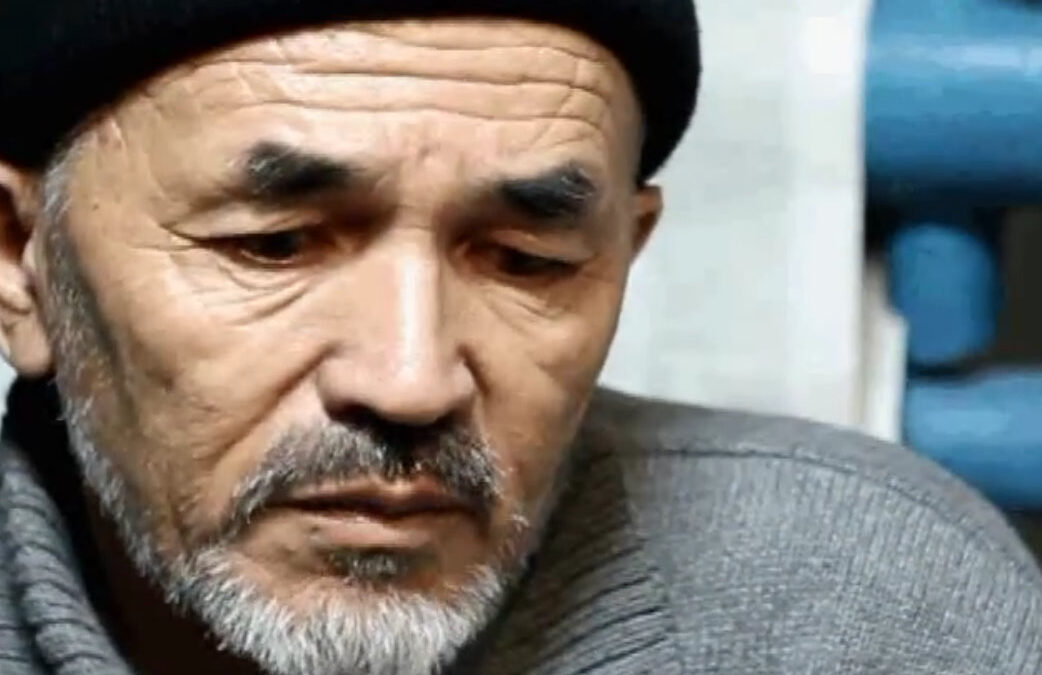
The decision by the Chuy Regional Court of Kyrgyzstan on 24 January 2017 to uphold the life sentence of human rights defender Azimzhan Askarov constitutes a miscarriage of justice, and has compounded the multiple violations of his human rights, the ICJ said today.
The Court ruling was made in defiance of a decision of the UN Human Rights Committee, which had affirmed these serious violations.
The ICJ calls on the authorities of the Kyrgyz Republic to respect its international human rights obligations in this case.
Azimzhan Askarov (photo) should have access to an immediate and effective appeal against the decision of the Chuy Regional Court.
Violations of his rights should be remedied and just compensation provided.
Azimzhan Askarov was convicted of participation in murder, organization of mass disturbances and incitement to ethnic hatred and sentenced to life imprisonment in 2011, following an unfair trial, arbitrary detention and torture.
The re-hearing of the case before the Chuy Regional Court followed the findings of the UN Human Rights Committee that his arrest, detention and trial breached Kyrgyzstan’s legal obligations under the International Covenant on Civil and Political Rights (ICCPR), including the prohibition on torture or other ill-treatment, the prohibition on arbitrary detention, and the right to fair trial.
The ICJ has closely monitored the case. Representatives of the ICJ observed several court hearings, including during the re-examination.
The ICJ regrets that the re-examination of Azimzhan Askarov’s case did not remedy the violations of his human rights found by the Human Rights Committee.
The court failed to undertake a rigorous study of both defence and prosecution cases.
Rather, it appeared to take the prosecution case at face value, thus undermining the presumption of innocence and the principle of equality of arms.
Many motions of the defence remained unaddressed or were rejected without cause.
These included a motion asking that the findings of the UN Human Rights Committee be evaluated by the Court, as they were crucial for the re-opening the case by the Supreme Court.
The Chuy Regional Court not only failed to examine the findings of the Human Rights Committee, but summarily rejected the Committee’s findings that Azimzhan Askarov had been arbitrarily arrested, held in inhumane conditions and subjected to torture.
The Court in its decision doubted the truth of Azimzhan Askarov’s statement that he had been repeatedly tortured, on the basis that three State psychiatrists concluded that he was “deceitful and subservient” and the defence had not produced witnesses or other evidence to rebut this point.
The Court heard several witnesses who stated that they had initially given false statements implicating Azimzhan Askarov because they were intimidated or subjected to ill-treatment.
The Court did not take any action to investigate these allegations.
During the re-examination of his case Azimzhan Askarov was kept in a metal cage and had no immediate opportunity to speak without hindrance with his lawyer.
Askarov, an Uzbek speaker, visibly struggled to speak in Kyrgyz, but no interpretation was provided for him.
Background
Azimzhan Askarov, a prominent human rights defender, was convicted of murder and incitement to ethnic hatred and sentenced to life imprisonment in December 2011.
The central charges concerned allegations of his participation in a murder of Myktybek Sulayamanov, a police officer, during the 2010 ethnic clashes in the South of Kyrgyzstan.
The ICJ observed the appeal hearing in the case before the Supreme Court on 20 December 2011.
Based on the results of the mission as well as the documents of the case, the ICJ published a detailed report on the arrest, detention and trial of Azimzhan Askarov.
In March 2016, the UN Human Rights Committee issued a decision in regard to Askarov’s complaint and found violations of Articles 7 (freedom from torture), Article 9 (prohibition of arbitrary detention); Article 10 (right to humane treatment in detention), Article 14 (right to a fair trial) of the International Covenant on Civil and Political Rights.
The Human Rights Committee, which in March 2016 heard a complaint brought by Askarov, called for his conviction to be quashed and if necessary a new trial to be held in line with the principles of fair trial, presumption of innocence and other procedural safeguards.
On 12 July 2016, the Supreme Court ordered a further reconsideration of the case on appeal, which resulted in upholding Askarov’s verdict and sentence.
Following the decision of 24 January, the defence said they would appeal this decision of the Chuy Court in the Supreme Court of the Kyrgyz Republic. Kyrgyzstan is a party to the ICCPR and as such is bound by this treaty to guarantee the rights it enshrines and to provide effective remedies when these rights are violated.
The decision of the Committee is an authoritative interpretation of the ICCPR which may serve as evidence in court and whose findings should not be ignored.
Kyrgyzstan-Askarov-failure to remedy-News-Web story-2017-RUS (full text in Russian, PDF)
Jan 21, 2017 | Agendas, Events, News, Training modules
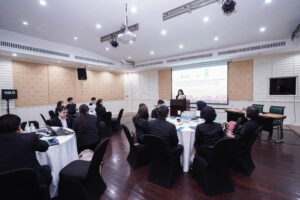
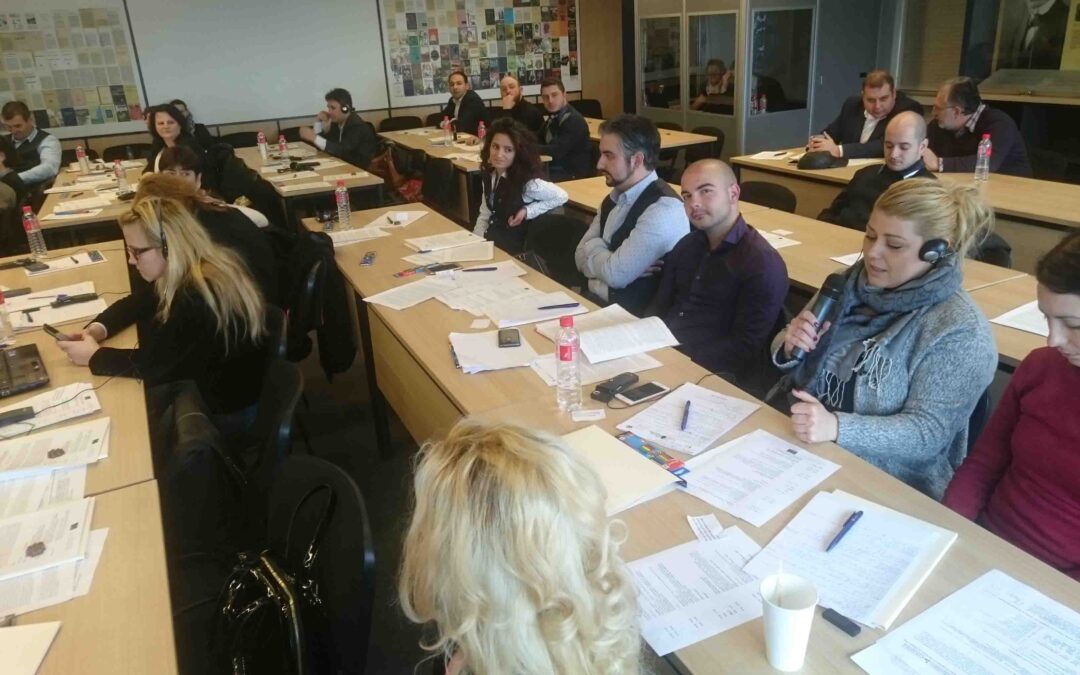
Today, the ICJ and Legal Clinic for Refugees and Immigrants are holding a training for lawyers on the rights of migrant children and on accessing international human rights mechanisms in Sofia.
The training aims to support the strategic use of national and international mechanisms to foster migrant children’s access to justice.
The training will take place over the course of two days from 21-22 January 2017.
The training will focus on accessing the international mechanisms in order to protect and promote the rights of migrant children, the child’s right to be heard and the best interests of the child principle.
A practical session on communication with child clients for lawyers as well as practical case studies will be part of the training.
Trainers include experts from the ICJ, Child Law Clinic of the University College Cork and Foundation for Access to Rights.
The training is based on draft training materials prepared by the ICJ (to be published in the second half of 2017) and the ICJ Practitioners Guide no. 6: Migration and International Human Rights Law.
It is organized as part of the FAIR project co-funded by the Rights, Equality and Citizenship Programme of the European Union and OSIFE.
Download the agenda in English here: Bulgaria-FAIR training-Events-Agenda-2016-ENG
Jan 17, 2017 | News
Leading human rights organizations, including the ICJ, have hailed a landmark decision of the UK Supreme Court to hold the UK Government accountable for its role in human rights abuses overseas.
The country’s highest court issued today a long-awaited judgment in the two joined appeals in Belhaj and Others v. Jack Straw & Others and Rahmatullah v. Ministry of Defence and Another.
The Court ruled that the UK Government could not rely on the legal doctrines of sovereign immunity and foreign act of state to escape claims in the two cases alleging UK involvement in breaches of human rights by foreign governments.
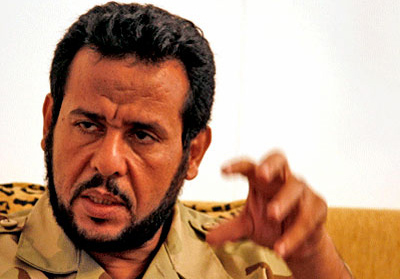
The first case, brought by the former Libyan opposition leader Abdul-Hakim Belhaj (photo) and his wife, Fatima Boudchar, alleges that UK Government officials were complicit in the couple’s kidnap and rendition to Gaddafi’s Libya, where they were arbitrarily imprisoned and tortured.
The second case was brought by Yunus Rahmatullah, who was detained by UK forces in Iraq before being handed over to US forces and allegedly tortured and imprisoned without charge for over ten years.
The Government argued before the Supreme Court that the claimants’ cases should be dismissed because, under the doctrines of sovereign immunity and foreign act of state, the UK courts were not permitted to rule on the legality of acts by foreign governments.
The claimants argued in response that the doctrines only applied in certain limited situations, and that they did not extend to the circumstances in Belhaj and Rahmatullah.
The claimants’ position in Belhaj was supported by several prominent human rights organizations – the ICJ, Amnesty International, JUSTICE and REDRESS – who intervened in the case.
The intervening organizations submitted that dismissing the claims would effectively grant impunity for torture to UK officials, violating international human rights law and weakening international commitments to an effective remedy for torture and other ill-treatment, enforced disappearance, arbitrary detention and other human rights breaches.
The Supreme Court found unanimously in favour of the claimants and dismissed the Government’s appeal.
It ruled that the doctrine of sovereign immunity did not apply because the foreign governments were not parties to the cases and their legal interests were not affected by the claims put forward.
In respect of foreign act of state, while the judges differed in their reasoning, they agreed that the doctrine could not be invoked for such serious violations of law as torture, unlawful detention and enforced disappearance.
The Belhaj and Rahmatullah cases will now proceed to full trials, where the courts will examine the facts of the claims and determine whether the UK Government and its officials were complicit in the claimants’ torture and other human rights abuses.
“The UK Supreme Court has spoken forcefully in affirming that the public interest in ensuring access to justice for victims of serious human rights abuses is paramount,” said Ian Seiderman, ICJ Legal and Policy Director.
“Human rights are universal and their effective enforcement must not be blocked by misapplied juridical doctrine that contrives to deny victims a remedy,” he added.
Contact
Ian Seiderman, ICJ Legal and Policy Director, t: +41 22979 3800 ; e: ian.seiderman(a)icj.org
UK-Belhaj case-News-press releases-2017-ENG (full version of press release, in PDF)
Jan 11, 2017 | News
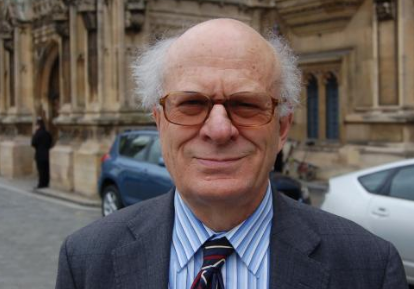
It is with great sadness that the ICJ mourns the loss of Honorary Member Lord William Goodhart QC who passed away on 10 January at the age of 83.
Lord Goodhart, from the United Kingdom, was a long-serving friend of the ICJ, having served as a Commissioner from 1993-2007, on the Executive Committee and also as ICJ Vice-President. from 2007-2009 Lord Goodhart also served as the Chairman of JUSTICE, the ICJ’s independent UK Section.
Lord Goodhart was a Liberal Democrat peer of the UK House of Lords, a Member of the All Party Parliamentary Humanist Group and an eminent human rights barrister. He was knighted in 1989 and made a Life Peer in 1997 as Baron Goodhart of Youlbury.
Our thoughts and condolences are with his family and many friends.
Dec 6, 2016 | Advocacy, News, Non-legal submissions
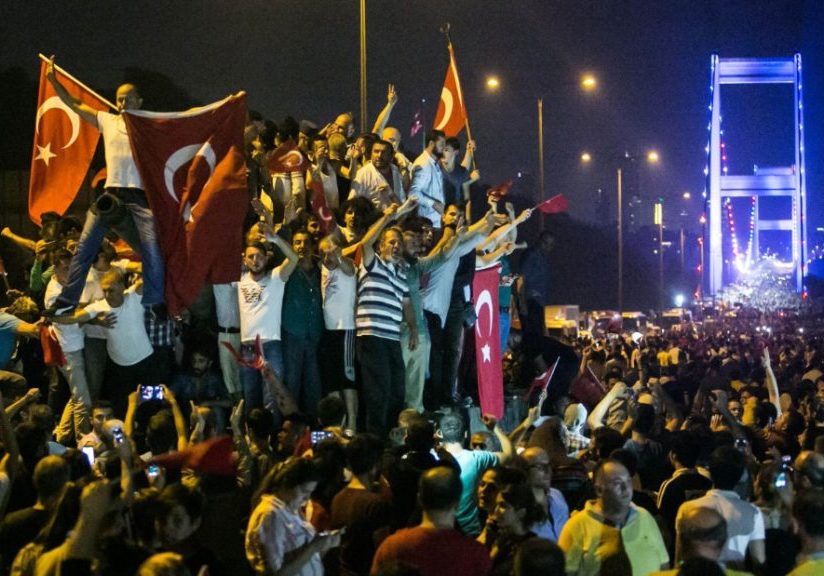
Nearly five months after the failed coup attempt in Turkey, the country remains locked in an acute rule of law crisis. The government must take urgent steps to restore the rule of law, the ICJ said today.
Mass arrests, many of them arbitrary, and credible allegations of the torture and other ill-treatment of detainees, mean that access to legal advice, to a fair trial and to effective judicial remedies are crucial. However, the unprecedented summary and arbitrary purge of the judiciary following the coup, and arrests of judges, prosecutors and lawyers, have significantly weakened the justice system and its capacity to protect against and effectively remedy violations of human rights. The vulnerability of detainees to violations of their human rights has been compounded by unwarranted restrictions on access to lawyers and extended periods of pre-trial detention.
State of Emergency
The ICJ is concerned that the State of Emergency, which involves derogations from Turkey’s international human rights law obligations, has been renewed for a second period of 90 days, until mid-January. Sweeping emergency decrees continue to erode human rights, including rights of fair trial, the right to liberty, and freedoms of expression and association.
The ICJ recalls that in times of crisis, any measures derogating from human rights must be strictly necessary to meet a current threat to the life of the nation. This necessity must be continually re-assessed so that the derogating measures apply for the shortest time possible. Certain human rights, including the right to life, the prohibition of torture or ill-treatment, and the essential elements of arbitrary deprivation of liberty and to a fair trial and the right to an effective remedy can never be restricted even in a state of emergency. The ICJ is concerned that Turkey’s notifications of derogation purport to derogate in general terms from a number of these rights.
Measures taken under the State of Emergency should be rigorously and urgently reviewed to ascertain whether they are permissible under international law and whether they remain necessary and proportionate to any current threat to the life of the nation. Moreover, it must be ensured that non-derogable rights, including the prohibition on torture and other ill-treatment, and the right to a fair trial, are not limited by emergency measures. The ICJ urges the Turkish authorities to lift the State of Emergency and the derogations from its international human rights law obligations at the earliest opportunity.
Independence of the judiciary
The ICJ reiterates its grave concern at mass dismissals of judges and prosecutors, which have a devastating effect on the independence of the judiciary. More than 3,000 judges and prosecutors – approximately one fifth of the judiciary – have been arbitrarily dismissed under emergency decrees, without procedural safeguards and without the right to reasoned decisions.
Judges and prosecutors have been detained in very large numbers. In total, more than 2,000 have been detained, including two judges of the Constitutional Court, 109 members of the Court of Cassation, 41 Members of the Council of State and five members of the High Council for Judges and Prosecutors (HSYK).
Restructuring of the Court of Cassation and the Council of State, under legislation adopted in July, has required the reappointment of all judges of these courts. New judges have been appointed rapidly, through procedures that lack transparency, and in the context of strong executive influence over the appointment process in the HSYK.
The ICJ is also gravely concerned that the independent association of judges, YARSAV, has been shut down, and its President, Murat Arslan, has been arrested.
These measures have eroded the separation of powers in Turkey and have seriously undermined the independence of the judiciary at every level, compromising the courts’ ability to provide fair trials or an effective remedy for violations of human rights. The impact of this situation on the protection of human rights goes beyond what can be justified under the state of emergency. To meet its international human rights obligations, the Turkish government must as a matter of urgency take steps to restore the independence of the judges and of the governing bodies of the judiciary. Procedural safeguards that protect against arbitrariness in criminal, civil and administrative procedures, including in regard to the dismissal of judges, must be reinstated.
Independence of lawyers and access to legal advice
The ICJ is similarly concerned at measures that undermine the independence of the legal profession and the capacity of lawyers to protect human rights. More than 573 lawyers are reported to have been detained in connection with the failed coup since July, and more than 200 have been arrested, and their assets frozen.
Amongst those reported to be arrested are four Presidents of regional bar associations: Orhan Öngöz, President of the Trabzon Bar; Mehmet Cemal Acar, President of the Siirt Bar; İsmail Taştan, President of the Gumushane – Bayburt Regional Bar and Fevzi Kayacan, President of the Konya Bar. The ICJ considers that many of these detentions and arrests are likely to be arbitrary.
These developments have very serious consequences, not only for the rights of lawyers themselves, but also for the right to a fair trial of their clients and the effectiveness of judicial remedies for violations of human rights. They raise concerns that lawyers are being identified with their clients or their clients’ causes, contrary to the Principle 18 of the UN Basic Principles on the Role of Lawyers. The ICJ recalls that under the UN Basic Principles, governments must ensure that lawyers are able to perform all of their professional functions without intimidation, hindrance, harassment or improper interference.
Furthermore, the ICJ is concerned that hundreds of NGOs have been closed under emergency decrees, including a number of lawyers’ associations. Such closures have serious implications for rights of freedom of association and expression, and for the rule of law.
The ICJ calls on the Turkish government to take urgent steps to guarantee the independence of the legal profession, protect lawyers from arbitrary detention or arrest and provide procedural safeguards to ensure the right to fair trial of lawyers under criminal investigation.
Contact:
Roisin Pillay, ICJ Europe Director, at roisin.pillay(a)icj.org or +32 2 734 84 46
Massimo Frigo, ICJ Europe Legal Adviser, at massimo.frigo(a)icj.org or +41 22 979 38 05