Nov 25, 2019 | Advocacy, News
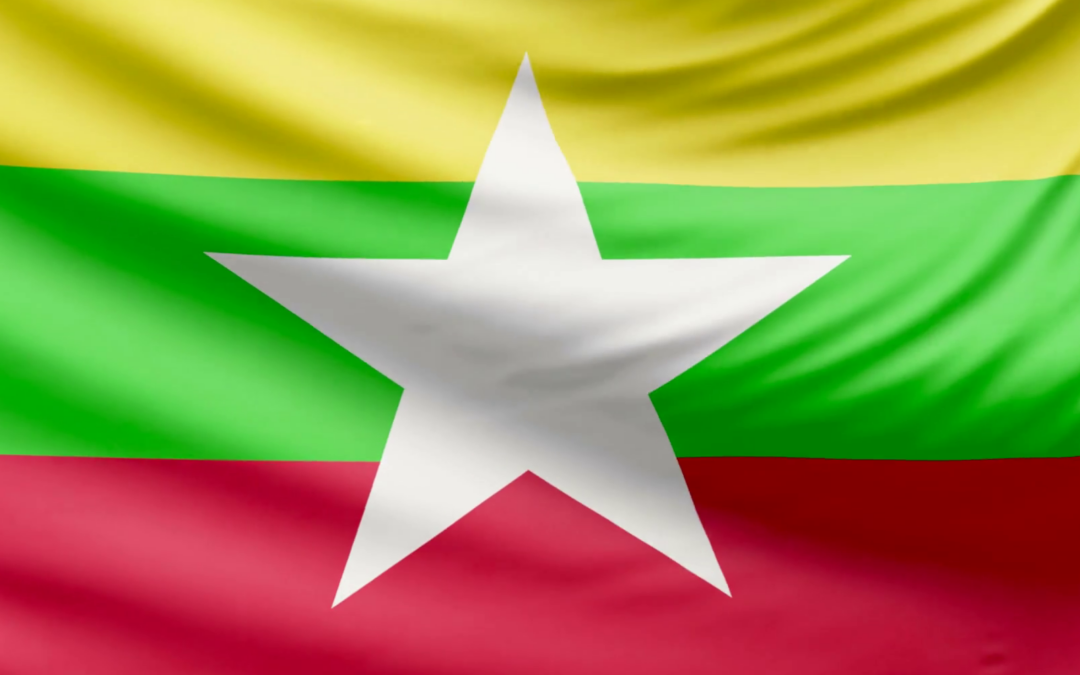
The ICJ held a two-day workshop on 23-24 November 2019 in Mandalay on the application in Myanmar of international law and standards on freedom of religion and belief. Some 40 participants from across the country, including human rights defenders, religious leaders and lawyers who work on issues of freedom of religion or belief, attended the event.
The two-day workshop was conducted in order to provide a safe platform for participants to discuss pressing issues concerning the right to freedom of religion or belief (FoRB) in Myanmar, with a particular focus on protecting places of worship. It allowed participants to share challenges encountered in their spheres of activity and explore ways to address state regulations that disproportionately impact minority religions.
ICJ Associate Legal Adviser Jenny Domino introduced the international standards on FoRB applicable to Myanmar, including how FoRB affects other human rights such as the right to freedom of expression. She discussed the different constitutional approaches to protecting FoRB in Myanmar and the Philippines, and presented the applicable international standards relevant to the protection of places of worship in conflict settings. ICJ Legal Researcher Dr Ja Seng Ing shared the legal and practical challenges to protecting places of worship in Myanmar.
Based on their own independent research, the participants discussed restrictions placed on the practice of religion or belief, particularly with respect to places of worship. The participants shared challenges they encountered while working on FoRB issues, such as the shrinking civic space for inter-religious dialogue. They also discussed possible strategies to push for legislative and administrative reform to protect FoRB in Myanmar.
The workshop is part of the ICJ’s ongoing effort to convene civil society actors and lawyers in Myanmar with a view to advancing FoRB in the country, and builds on the ICJ’s regional work on this theme.
Contact
Ja Seng Ing, ICJ Legal Researcher, e: jaseng.ing(a)icj.org
Related material
Challenges to freedom of religion or belief in Myanmar, A Briefing Paper, October 2019
Primer on international human rights law and standards on the right to freedom of thought, conscience, religion or belief, January 2019
Nov 21, 2019 | News
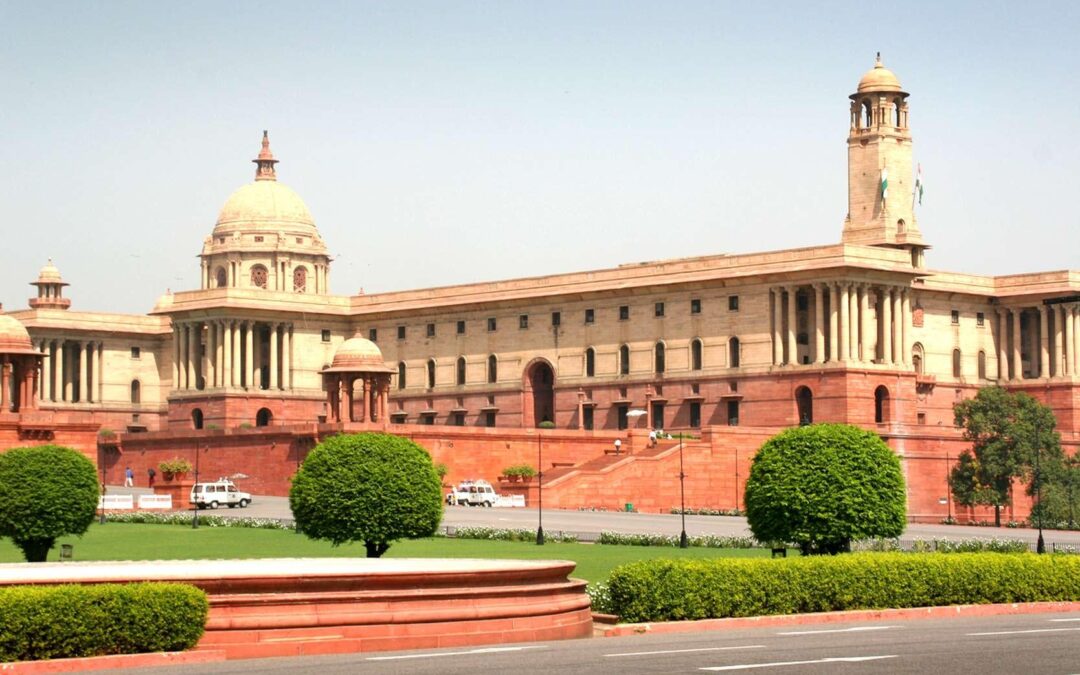
The Upper House of Parliament must revise the Transgender Persons (Protection of Rights) Bill, 2019, which was passed by the Lower House of Parliament on 5 August 2019.
The Bill does not adequately protect the rights of transgender people, and fails to comply with India’s constitutional and international human rights obligations, the ICJ said today.
The Government introduced the Transgender Persons (Protection of Rights) Bill, 2019, before the Parliament on 19 July 2019. It was passed by the Lok Sabha (the Lower House of Parliament) on 5 August, 2019, despite a lack of consultation with the transgender community and serious weaknesses in the Bill, which would be in violation of the Supreme Court’s NALSA judgment.
“If the Upper House of Parliament adopts the Bill in its current form, without any amendments, it will miss an important opportunity to introduce a law that respects, protects and fulfills the human rights of transgender people as required by the Supreme Court’s decision in NALSA v. UOI and India’s international obligations,” said Frederick Rawski, ICJ Asia Pacific Director.
The current draft, fails to address key concerns that have been repeatedly raised by the transgender community and human rights organizations.
Critically, the Bill appears to continue to mandate sex reassignment surgery for transgender people. This requirement would contravene the Supreme Court’s judgment in NALSA v. UOI, which guarantees the right to self-identification without the need for medical intervention. Further, the Bill does not make provision for affirmative action in employment or education despite the Supreme Court’s mandate in NALSA v. UOI.
Moreover, the Bill sets out lighter sentences for several criminal offences, such as “sexual abuse” and “physical abuse”, when they are committed against transgender people. In addition, the Bill does not adequately define these offences and retains provisions that could be used in a discriminatory manner to target transgender people for criminal prosecution. It also fails to address the lack of an effective mechanism to enforce the legal prohibition against discrimination on the ground of gender identity.
The ICJ has recommended the deletion of provisions that mandate sex reassignment surgery and that set out lighter sentences for criminal offences against transgender people. In addition, the ICJ recommends the inclusion of provisions addressing affirmative action for transgender persons in education and employment.
“We urge the Upper House of Parliament to address these deficiencies before passing the Bill into law, in accordance with India’s constitutional and international law obligations, and to ensure meaningful consultation with the transgender community” Rawski said.
Contact
Maitreyi Gupta (Delhi), ICJ International Legal Adviser for India, e: maitreyi.gupta(a)icj.org, t: +91 7756028369
Read also
ICJ 2019 Report on India Living with Dignity: Sexual Orientation and Gender Identity-Based Human Rights Violations in Housing, Work, and Public Spaces in India. The Report details human rights violations suffered by LGBTQ persons in their family homes, workplaces, and public spaces including streets, public toilets, public transport and shopping centres.
ICJ Briefing Paper on India: Legal and Jurisprudential Developments on Transgender Rights, SAATHII Vistaara Coalition. The paper analyses in detail the domestic judicial developments on transgender rights as well as the legislative process undertaken until the Transgender Persons (Protection of Rights) Bill, 2018 was passed on 17 December 2018.
ICJ Briefing Paper on The Transgender Persons (Protection of Rights) Bill, 2016, analyzes the 2016 Bill, its shortcomings, and India’s international obligations, as it is the basis of the 2018 Bill.
ICJ Briefing Paper on Implementation of NALSA Judgment discusses the 2014 April NALSA decision that affirmed that transgender people have the right to decide their self-identified gender. The paper analyses the responsibilities placed on Indian authorities, gaps in implementation, and India’s relevant international law obligations.
Nov 19, 2019 | News
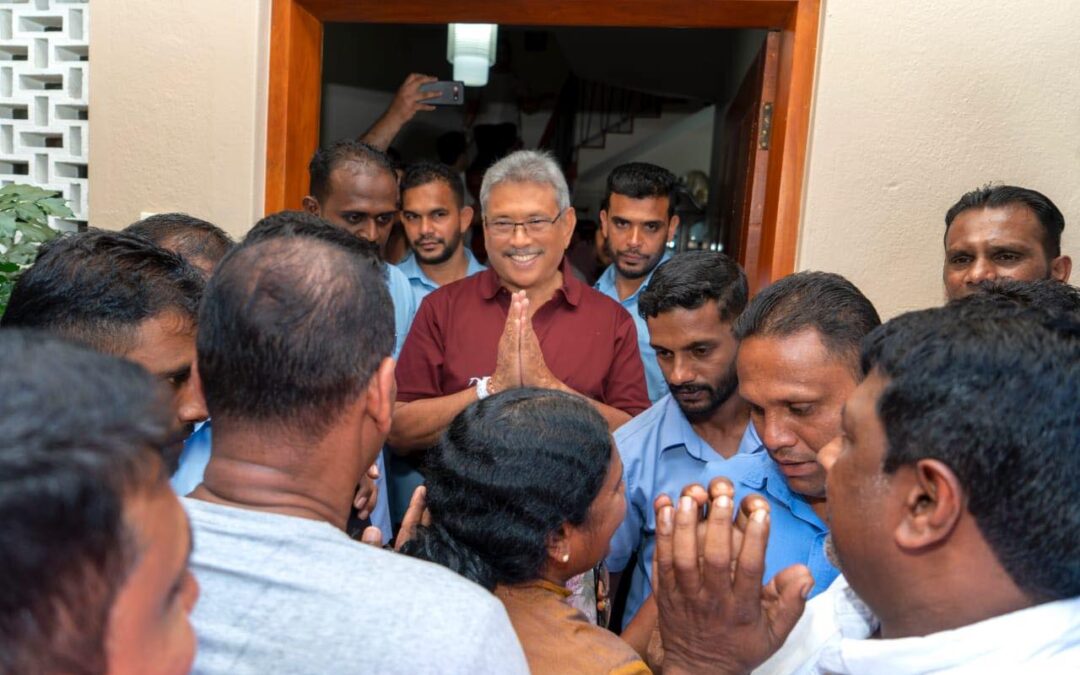
Sri Lanka’s newly elected president, Gotabaya Rajapaksa and his government must demonstrate that they will uphold human rights and rule of law, and ensure that Sri Lanka sustains its international obligations and commitments to justice and accountability, said the ICJ today.
Gotabaya Rajapaksa faces credible allegations of involvement in war crimes and crimes against humanity that took place during the country’s armed conflict.
“The election of Gotabaya Rajapaksa, after a highly polarizing campaign, has alarmed human rights defenders in Sri Lanka and abroad, who have little reason to believe that someone facing such serious allegations of perpetrating human rights violations can be relied upon to meet the country’s obligations under international law,” said Frederick Rawski, ICJ Asia Pacific Director.
Gotabaya Rajapaksa, who won the presidency with 52.25% of votes, served as Sri Lanka’s Secretary of the Ministry of Defence from 2005 to 2015 during the tenure of his brother Mahinda Rajapaksa, at the height of the armed conflict against the Liberation Tigers of Tamil Eelam (LTTE).
Both the military and LTTE perpetrated war crimes and gross human rights violations during the conflict, and particularly during its bloody final stages. As Defence Secretary, Gotabaya was accused of ordering the killing of surrendering LTTE fighters, ordering strikes on civilians and hospitals, and authorizing attacks on human rights defenders.
International condemnation of atrocities committed during the conflict led to the UN Human Rights Council demanding that the Sri Lankan government commit to a process of transitional justice, in view of the systematic failures of accountability mechanisms in Sri Lanka in the past, as documented by the ICJ in its submission to the Human Rights Council, and others. Despite commitments from the Sri Lankan government, the transitional justice process has effectively stalled and impunity has prevailed.
“The ICJ is deeply concerned that even the limited strides made over the past five years in Sri Lanka on transitional justice, positive constitutional amendments and institutional reform will be reversed,” said Rawski.
The ICJ urged the Government to deliver on its commitment to the transitional justice process, including by holding those responsible for human rights violations and abuses accountable, and complying with the obligations set out in United Nations Human Rights Council Resolutions 30/1, 34/1 and 40/1.
Contact:
Frederick Rawski, ICJ’s Asia Director, t +66 644781121; e: frederick.rawski(a)icj.org
Nov 18, 2019 | News
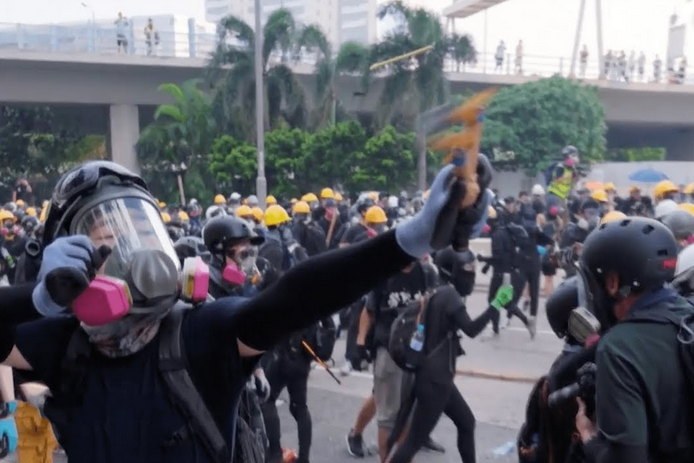
Authorities in Hong Kong must avoid using excessive force to respond to protesters as the political crisis in the city deteriorates, the ICJ said today.
Media reports today show scenes of spiraling violence as police try to force their way into the campus of Hong Kong Polytechnic University (PolyU) past barricades erected by students and demonstrators.
“Any police who use excessive force, particularly as they surround and attack student protesters inside PolyU, must be sanctioned,” said Frederick Rawski, ICJ’s Asia Director.
“The events of the past week mark a further deterioration in the situation in Hong Kong – one that can only be effectively addressed through genuine political dialogue, and a commitment to holding police who use unlawful force accountable,” he added.
This morning, more than 100 people were also arrested in Tsim Sha Tsui, hands zip-tied by police and detained in public.
The ICJ urges the Hong Kong SAR government to:
• Ensure that people are able to exercise their freedom of expression, assembly, association and right to political participation;
• Review the means and methods used for the policing of assemblies, including the use of water cannons, tear gas, batons and shields, to ensure that they are not applied indiscriminately and excessively or against peaceful protesters and that they do not result in an escalation of tension;
• Ensure that all victims of excessive use of force by law enforcement officials are provided with access to medical services;
• Ensure that the detained people’s rights to timely and confidential access to counsel;
• Undertake prompt, independent, impartial and thorough investigation of all allegations of unlawful use of force, with a view to holding accountable any responsible authorities including possibilities of criminal prosecution of police officers, and providing an effective remedy and reparation, including compensation and rehabilitation to victims.
Additional information
- Under the Bill of Rights Ordinance and Basic Law Article 39, the International Covenant on Civil and Political Rights is applicable in Hong Kong. Pursuant to the ICCPR, the Hong Kong SAR government has a duty to guarantee and protect the rights to freedom expression and freedom of assembly and freedom from torture and other cruel, inhuman or degrading treatment or punishment, including through the unlawful use of force.
- Under the Basic Principles on the Use of Force and Firearms by Law Enforcement Officials, “Law enforcement officials shall not use firearms against persons except in self-defence or defence of others against the imminent threat of death or serious injury, to prevent the perpetration of a particularly serious crime involving grave threat to life, to arrest a person presenting such a danger and resisting their authority, or to prevent his or her escape, and only when less extreme means are insufficient to achieve these objectives. In any event, intentional lethal use of firearms may only be made when strictly unavoidable in order to protect life.”
- Since June, large numbers of people have taken to the streets of Hong Kong to protest against the now-withdrawn extradition bill, which would have allowed case-by-case fugitive transfers to mainland China.
- Police have used excessive and indiscriminate force against protesters, in contravention of international standards, as well as arrested, harassed and attacked journalists. Police have regularly deployed tear gas against crowds and using water cannons, rubber bullets, pepper spray, and batons on protesters. On 15 November, hundreds of riot police fired more than 1,500 canisters of tear gas on the grounds of the Chinese University of Hong Kong (CUHK). On November 11, a police officer shot a protester with live ammunition.
Contact
Frederick Rawski, ICJ’s Asia Director, t +66 644781121 ; e: frederick.rawski(a)icj.org
Boram Jang, ICJ Legal Adviser, Asia & the Pacific Programme, e: boram.jang(a)icj.org

Nov 14, 2019 | News
On 14 November 2019, the ICJ called on the Government of Cambodia to drop apparently politically-motivated charges of treason against Kem Sokha, leader of the now-defunct Cambodia National Rescue Party (CNRP).
The ICJ also called on the government to remove restrictions on the exercise of fundamental freedoms of all individuals in Cambodia.
On 10 November, Kem Sokha was released from court-imposed conditions amounting to house arrest, following his arrest in 2017 on spurious charges of treason under article 443 of the Criminal Code. This came after Phnom Penh Municipal Court partially lifted the judicial supervision conditions to which Sokha had been subject. He remains banned from participating in political activities and from leaving Cambodia, and must respond to summons from any authority. Charges of alleged “conspiracy with a foreign power” remain active against Sokha, pursuant to which he risks being imprisoned for between 15 and 30 years.
“Although the release of Kem Sokha from house arrest is a welcome development, it is not nearly enough to show that the government is committed to ending its persecution of civil society and political rivals,” said Frederick Rawski, ICJ’s Asia Pacific Director.
The release comes just after the European Commission released a preliminary report outlining the findings of an investigation triggered in February 2019 on possible removal of tariff preferences granted to Cambodia under the ‘Everything But Arms’ (EBA) trade agreement, on the basis that the Cambodian government had failed to comply with its international obligations to respect, protect and fulfil human rights and the rule of law. A fact-finding mission completed by the Commission last year found ongoing serious, systematic violations of human rights in Cambodia, particularly of the rights of free expression, association, assembly and political participation. In February 2020, the European Commission will finalize its decision.
“The fact that the charges remain in place, and Kem Sokha’s rights to freedoms of association, expression and the right to political participation continue to be suppressed is further evidence of an overall dire human rights and rule of law environment in Cambodia,” said Rawski.
Cambodia has seen a sharp deterioration in human rights and the rule of law since before the 2018 general elections, which has seen abuse of legal and judicial processes to harass and silence members of the political opposition, civil society, and independent media.
Members of the political opposition have been targeted in recent months. In 2019 alone, Cambodian authorities have charged more than 100 members of the political opposition with offences for political reasons, and detained more than half of them. The Cambodian government has also attempted to ban the return of opposition members in exile by urging neighbouring governments to stop their movement into Cambodia, and through increased monitoring of border crossings. In October 2019, the ICJ and other organizations also called for the dropping of spurious charges against former Radio Free Asia (RFA) journalists Yeang Sothearin and Uon Chhin, who are being tried for multiple offences in connection with carrying out their journalist functions.
Background
The charges against Kem Sokha appear politically-motivated. His arrest in 2017 came just months before the CNRP – the main opposition party which he led – was dissolved, and more than 100 of its members banned from political activity following a Supreme Court judgment in November 2017. Soon after, the ruling Cambodian People’s Party won the July 2018 general elections by a landslide. The ICJ has highlighted that the “single largest problem facing the Cambodian justice system is the lack of independent and impartial judges and prosecutors”, including “an endemic system of political interference in high-profile cases and an equally entrenched system of corruption in all others”.
Contact
Frederick Rawski, ICJ Asia and Pacific Regional Director, e: frederick.rawski(a)icj.org
See also
ICJ, ‘Cambodia: charges against journalists Yeang Sothearin and Uon Chhin must be dropped’, 4 October 2019
ICJ, ‘Misuse of law will do long-term damage to Cambodia’, 26 July 2018
ICJ, ‘Cambodia: weaponization of the law (UN Statement)’, 22 March 2018
ICJ, ‘Cambodia: the ICJ condemns dissolution of main opposition party’, 16 November 2017
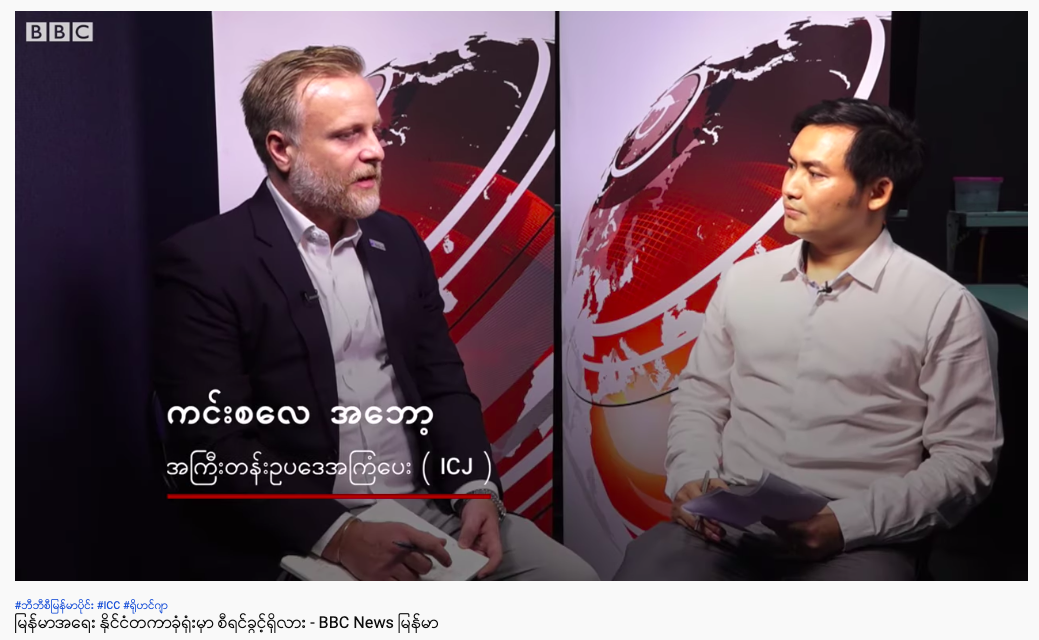
Nov 13, 2019 | Advocacy, Multimedia items, Video clips
In a video interview with the BBC’s Burmese broadcasting service, ICJ senior legal adviser Kingsley Abbott explains to the Myanmar public how the International Criminal Court prosecutor plans to investigate the crime against humanity of deportation from Myanmar to Bangladesh, which has affected around one million Rohingya.
Recorded on 24 August and published on 12 November 2019. The interview transcript is available in Burmese and English.
Contact
Kingsley Abbott, ICJ Senior Legal Adviser, e: kingsley.abbott(a)icj.org