Jul 3, 2012 | Events
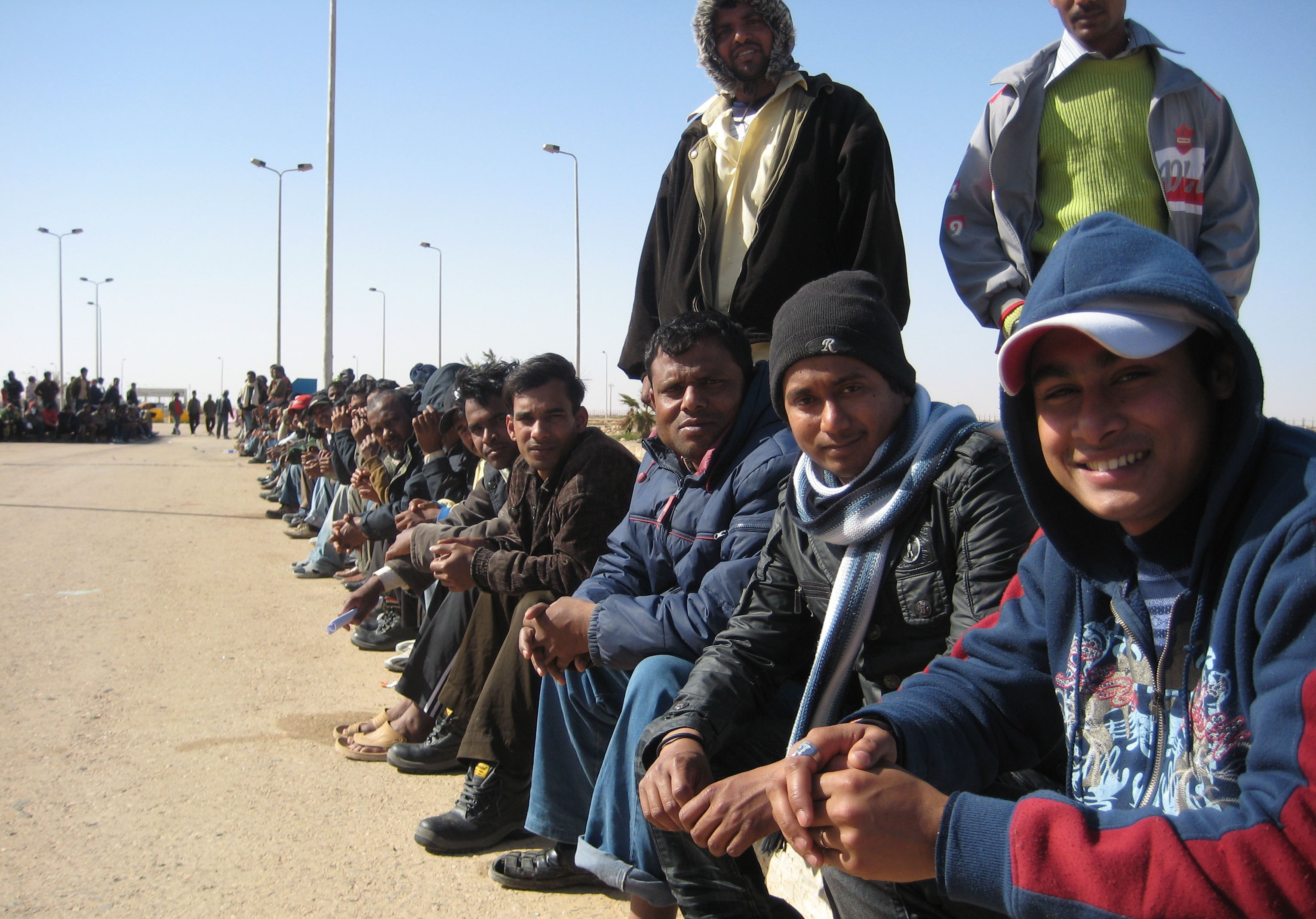 On 3-4 July, the ICJ and UNHCR organised a workshop for lawyers across Europe on the principle of non-refoulement and the right to an effective remedy.
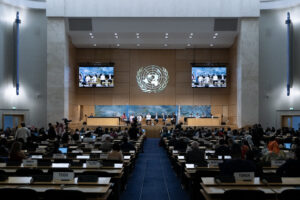
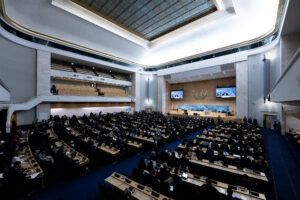
On 3-4 July, the ICJ and UNHCR organised a workshop for lawyers across Europe on the principle of non-refoulement and the right to an effective remedy. The workshop, which took place at the European Court of Human Rights’ premises, focussed on the Strasbourg Court’s jurisprudence and on the practice and procedure related to interim measures before the court.
Europe-ICJUNHCRtraining-agendaICJ-2012 (download the agenda of the workshop)
Photo credit: © Stabilisation Unit/DFID (the DFID has no involvement in nor does support this event)

May 23, 2012 | News
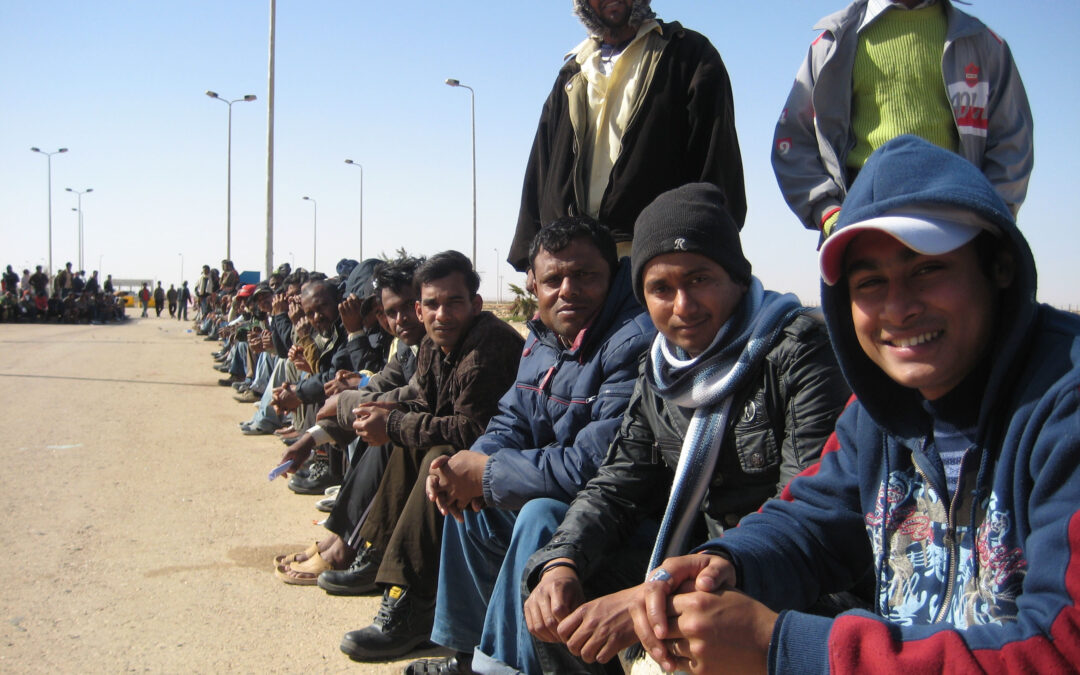
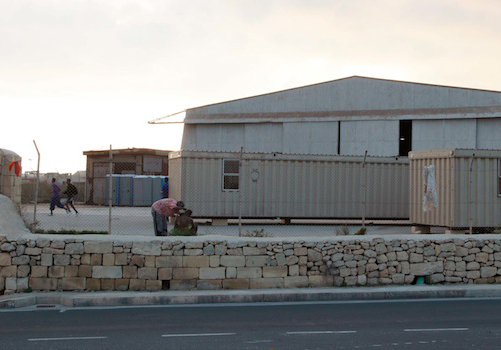 Malta should abandon its policy of mandatory detention of undocumented migrants and asylum seekers and dedicate resources to significantly improve their reception conditions, says a new ICJ report.
Feb 10, 2012 | News
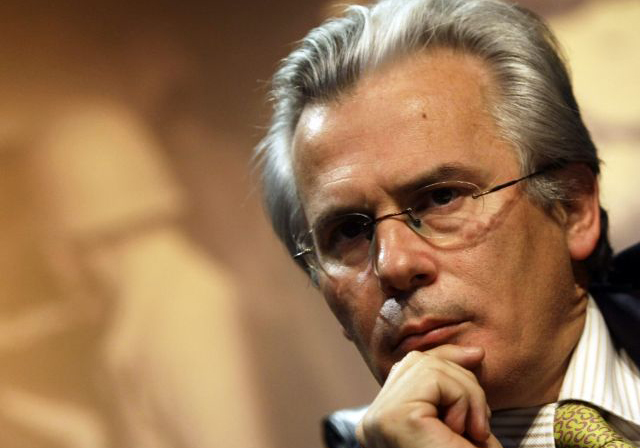
The ICJ condemns the conviction pronounced today by the Supreme Court of Spain against Judge Baltasar Garzón, who will be banned from the judicial office for a period of 11 years.The International Commission of Jurists (ICJ) condemns the conviction pronounced today by the Supreme Court of Spain against Judge Baltasar Garzón, who will be banned from the judicial office for a period of 11 years.

Jan 23, 2012 | News
The ICJ today called on the Russian authorities to immediately launch a full and independent investigation into the killing of a lawyer in Dagestan.

Jan 20, 2012 | News
The ICJ and other human rights groups call on the Supreme Court of Spain to act in accordance with international law standards on the independence of the judiciary and accountability for international crimes. Judge Garzón is accused of criminal malfeasance for authorizing investigations into the alleged disappearance, torture and execution of more than 110.000 persons during the Spanish Civil War and the subsequent Franco’s regime. The trial against Judge Garzón will begin on 24 January 2012.
Spain-trial judge Garzón-press release-2012 (full text in English, PDF)
Spain-trial judge Garzón-press release-2012-SPA (full text in Spanish, PDF)

Dec 23, 2011 | News
The ICJ has concluded a fact finding mission concerning the prosecution and trial against human rights defender Azimjan Askarov. The mission was undertaken to respond to allegations of human rights violations surrounding the case, including breaches international fair trial standards during the investigation and trial. Particular concerns were raised about torture and ill-treatment of Mr Askarov, intimidation of lawyers and political pressure on judges.
Kyrgyzstan-mission case Askarov-web-2011 (full text in English, PDF)
Kyrgyzstan-mission case Askarov-web-2011 (full text in Russian, PDF)