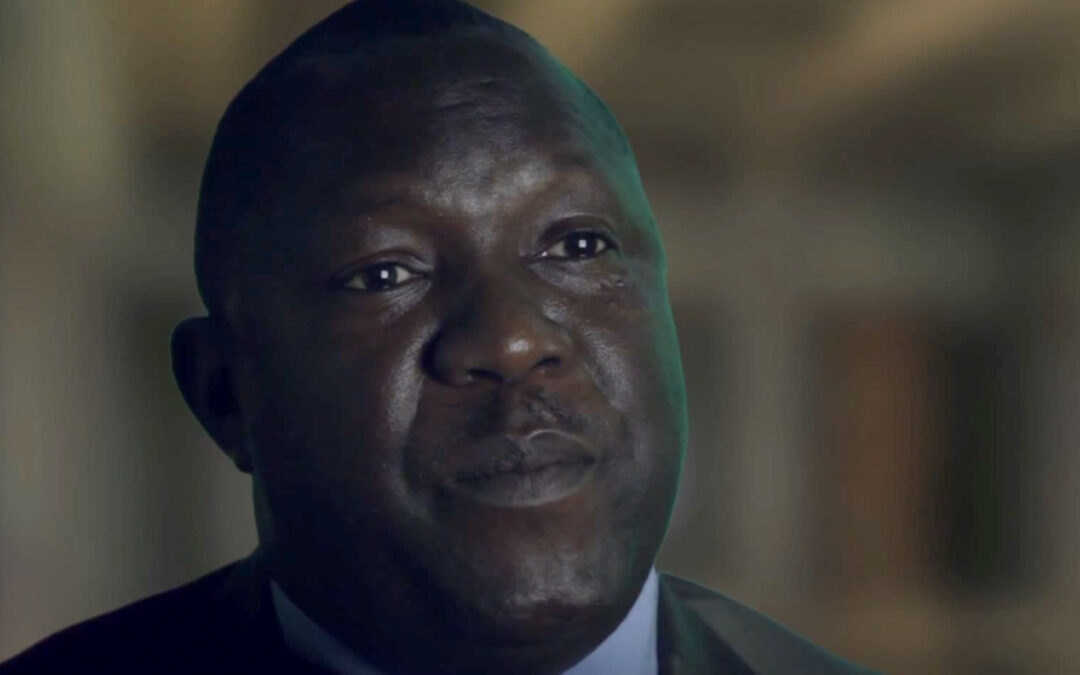
Portrait: Okay Machisa, human rights defender from Zimbabwe
Okay Machisa is the National Director of Zimrights, one of Zimbabwe’s leading human rights organizations, supported by the ICJ. Listen to his video interview.

Okay Machisa is the National Director of Zimrights, one of Zimbabwe’s leading human rights organizations, supported by the ICJ. Listen to his video interview.

On Friday 7 June 2013, the ICJ convened a parallel event during the Human Rights Council’s 23rd regular session held in Geneva.
The event, held in Room IX of the Palais des Nations, addressed key issues concerning past and present challenges to the rule of law in Zimbabwe in the context of the upcoming elections and the need for the international community to remain vigilant about the necessity for free, fair and peaceful elections in the country. The event was chaired by Martin Okumu-Masiga, Deputy Director of the ICJ’s Africa Regional Programme. Panelists were MacDonald Lewanika, Director of Crisis Coalition; Okay Machisa, Director of the Zimbabwe Human Rights Association; and Irene Petras, Executive Director of Zimbabwe Lawyers for Human Rights.
Zimbabwe is scheduled to hold general elections before the end of 2013. Past elections in the country have been marred by violence and attacks on human rights defenders and the rule of law more generally. In the period leading to the 2013 elections, there have been several incidents of crackdown on political dissents and independent voices. The impunity enjoyed by past and current perpetrators electoral violence has continued to exacerbate fears for the integrity, peaceful conduct and fairness of the upcoming elections.
Zimbabwe-HR Council side event on elections in Zimbabwe-event-2013 (event flyer in pdf)
ICJ draws attention to risks of violence in the forthcoming general elections in Zimbabwe

Beatrice Mtetwa was eventually released today after mounting pressure from human rights groups and legal bodies, including the ICJ.
High Court Judge Joseph Musakwa finally decided to grant bail to Beatrice Mtetwa, under three conditions: that she deposits $500, that she resides at the given address and that she does not interfere with the ongoing investigations.
The ICJ believes that the politically-motivated harassment against Mtetwa is a threat to the legal profession in Zimbabwe – intended to alarm lawyers and intimidate them from providing independent representation.
Beatrice Mtetwa was arrested after attempting to come to the aid of her clients, Thabani Mpofu, Felix Matsinde, Anna Muzvidziwa and Worship Dumba, all MDC-T members, the opposition party.
The government has cracked down hard on dissidents as Zimbabwe approaches presidential elections.
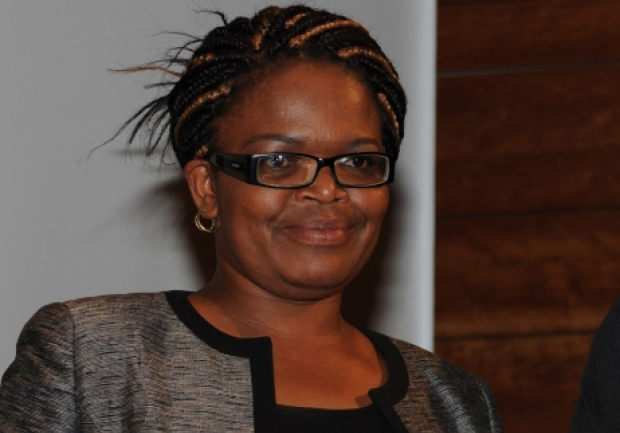
The ICJ and other legal groups have expressed their outrage at the continued detention of Zimbabwean lawyer and human rights activist, Beatrice Mtetwa, after she was denied bail.
This was despite the fact that Mtetwa was improperly held before the court after the police had refused to comply with a High Court order to release her, the Pan African Lawyers Union (PALU), SADC Lawyers Association (SADC LA) and Southern Africa Litigation Centre (SALC) and the ICJ said.
It is perturbing that the Police would use a lower Court, to undermine a standing decision of a higher Court, and that the lower Court would allow itself to be so used, they also said.
Moreover, it is absurd that Mtetwa, a lawyer of 30 years’ standing in Zimbabwe, could be denied bail on the basis that she would interfere with police investigations, they added.
While the ICJ, PALU, SADC LA and SALC have learnt with disappointment of the postponement of Mtetwa’s bail appeal hearing from the 22nd of March 2013 to the 25th of March 2013, they have faith that Mtetwa will be vindicated and released by the High Court.
The concerted efforts to keep Mtetwa behind bars represent a calculated attempt by sections of the Zimbabwean Government to break her spirit and deter her from representing the many Zimbabweans who daily face harassment and intimidation from the state’s security services.
Over the years, Mtetwa has stood by these victims of government and police repression and is regarded as a hindrance by the police and security sector to their illegal activities.
The action against Mtetwa is a threat to the legal profession in Zimbabwe – intended to alarm lawyers and intimidate them from providing independent representation.
As the country edges towards elections, the persecution of lawyers and other actors can only be expected to escalate, judging from the number of civil society representatives and human rights defenders who have fallen victim to police harassment in the past few weeks.
The police’s actions stand in marked contrast to calls by the most senior political authorities in Zimbabwe for peace and tolerance as the country moves towards elections.
That no heed is paid to these calls by the police force is indicative of the widespread and endemic impunity enjoyed by the security sector. It is the clearest indication that, as matters stand, there exists little prospect for free and fair elections.
The ICJ, PALU, SADC LA and SALC urge the Southern African Development Community (SADC) as the Guarantor of Zimbabwe’s Global Political Agreement and President Jacob Zuma as the mediator in Zimbabwe’s political crisis to take action and urge the Government of Zimbabwe to release Mtetwa from prison and end the politically-motivated persecution of her.
The legal groups also urge the African Union and the international community to prevail upon the Zimbabwean Government to release Mtetwa.
They also call on the police and the judiciary in Zimbabwe to discharge their duties in an independent and impartial manner if the people of Zimbabwe are to have confidence in the judicial system as the country moves towards elections.
Contact:
Arnold Tsunga, ICJ Africa Director, +27 73 131 8411; e-mail: arnold.tsunga(at)icj.org
 South Sudan: Extend UN Investigations Amid Deteriorating Human Rights Crisis
 Nepal: Publish Reports on Violent Crackdowns on Protests
 EU: ICJ publishes strategic litigation guide on children and immigration detention
 Myanmar: Five years after the coup “justice system” remains an instrument of repression