Sep 1, 2015 | News
The Thai government must end proceedings against two journalists who were today acquitted of charges of defaming the Royal Thai Navy and immediately repeal the country’s criminal defamation laws, the ICJ said today.
The two journalists with the Phuketwan online news outlet, Alan Morison and Chutima Sidasathian, were charged with criminal defamation under the Thai Criminal Code and violation of Article 14(1) of the Computer Crimes Act.
“Today’s verdict affirms the right of journalists in Thailand to freely express their views, even if – especially if – they sometimes have to criticize public authorities when it is in the public interest to do so,” said Kingsley Abbott, ICJ International Legal Adviser for Southeast Asia, who observed the proceedings.
“The verdict today is a relief not only for the two brave journalists who could have faced jail sentences for doing their job, but also for other journalists in Thailand who followed this case with anxiety about potentially significant new restrictions on their ability to work,” he added.
The prosecution now has 30 days to appeal the verdict.
“The charges against these two journalists generated severe international criticism for Thailand and harmed the country’s reputation more than any article in Phuketwan,” said Abbott. “The prosecution should take heed of this verdict and drop the case without further appeal.”
The Royal Thai Navy had complained that the journalists defamed it when, on 17 July 2013, the journalists reproduced a paragraph from a Pulitzer prize-winning Reuters article that alleged “Thai naval forces” were complicit in human trafficking.
In a decision read out today at the Phuket Provincial Court, with respect to the charges of criminal defamation, the Judge held that the journalists had reproduced information from a news source, Reuters, that they believed to be reliable.
Regarding the charges under the Computer Crimes Act, the Judge found that the information that was published was not “false computer data” and was not information that could “cause damage” to national security which are elements of Article 14(1).
The Judge also noted that the Computer Crimes Act was not intended to cover allegations of defamation.
“Thailand must repeal its criminal defamation laws in recognition that criminal penalties are a disproportionate means to address reputational damage,” Abbott added.
“Thailand should also reform the Computer Crimes Act to more precisely define that its purpose and scope is not intended to place limitations on freedom of expression.”
Background
Article 19 of the International Covenant on Civil and Political Rights (ICCPR), to which Thailand is a State Party, guarantees the right to freedom of expression, which includes the right to impart information.
The UN Human Rights Committee, which monitors State compliance with the ICCPR, has expressed its concern at the misuse of defamation laws to criminalize freedom of expression and has said that such laws should never be used when expression is made without malice and in the public interest.
It has also clarified that imprisonment is never an appropriate penalty for defamation.
The ICJ, the Human Rights Committee, the UN Special Rapporteur on freedom of opinion and expression and other international human rights bodies and an increasing number of governments believe that criminal defamation laws should be abolished. Such laws are incompatible with the right to freedom of expression.
Criminal penalties are a disproportionate means to protect against reputational harm and pose an impermissibly severe impediment to the exercise of free expression.
Thailand was criticized in May 2014 when the United Nations Committee against Torture expressed its concern “at the numerous and consistent allegations of serious acts of reprisals and threats against human rights defenders, journalists, community leaders and their relatives, including verbal and physical attacks, enforced disappearances and extrajudicial killings, as well as by the lack of information provided on any investigations into such allegations.”
The Committee recommended that Thailand “should take all the necessary measures to: (a) put an immediate halt to harassment and attacks against human rights defenders, journalists and community leaders; and (b) systematically investigate all reported instances of intimidation, harassment and attacks with a view to prosecuting and punishing perpetrators, and guarantee effective remedies to victims and their families.”
Read also:
The Phuketwan trial: an insidious prosecution of free expression
Contact:
Kingsley Abbott, ICJ International Legal Adviser, (Bangkok), t:+66 944701345, e: kingsley.abbott(a)icj.org
Thailand-Phuketwan trial-News-Press releases-2015-THA (full text in PDF, Thai version)

Sep 1, 2015 | News
Nepal’s Constituent Assembly must ensure that the new Constitution Bill contains strong and effective protections for all human rights in accordance with Nepal’s international legal obligations, said the ICJ today.
The Constituent Assembly endorsed a Constitutional Bill last week.
As per the CA Rules of Procedure, CA members have until 5 September to submit proposals for amendments.
“This draft includes some improvements from earlier versions, but it needs serious revisions to meet international standards regarding human rights protections,” said Nikhil Narayan, ICJ Senior Legal Adviser for South Asia.
“As an immediate matter, the Constituent Assembly must extend the 5 September deadline, and provide adequate time for public consultation and discussion of this essential legal text,” he added.
The ICJ released a detailed briefing paper in July 2015 analyzing provisions of the Draft Constitution on citizenship, fundamental rights and judicial independence, in light of Nepal’s international human rights obligations.
The ICJ also highlighted the non-inclusive and non-representative nature of the constitution-making process.
Many of those concerns still remain and must be addressed urgently, including:
- Non-citizens are excluded from key rights and protections. For example, Articles 18 (right to equality), 25 (right to property), 27 (right to information), 31 (right to education), 33 (right to employment), 35 (right to health), 36 (right to food), 37 (right to housing), and 43 (right to social security) are all restricted to citizens. These protections must be extended to all persons under Nepal’s jurisdiction, not only citizens, in accordance with Nepal’s international obligations;
- The right to gender equality under women’s rights (particularly in article 38) is not adequately protected. For example, the Constitution should include explicit guarantees for equal pay for work of equal value, and prohibit multiple, intersecting grounds of discrimination on basis of gender and sexual orientation, caste, religion, etc;
- Key economic, social and cultural rights – including in articles 33 and 34 (employment and labour), 35 (health), 37 (housing), and 43 (social security) – are not adequately protected;
- Restrictions and limitations on the rights to freedom of expression, association, assembly, movement, information and press freedom, are broad and vague and do not conform with international human rights standards (including articles 17 and 19 and 27);
- Provisions on remedy for human rights violations (articles 46 and 47) are inadequate;
- Provisions regarding the impeachment of judges (articles 101, 130 and 131) and composition of the Judicial Council (as in article 153, responsible for the appointment, disciplining and dismissal of judges) fail to safeguard judicial independence;
- Provisions on emergencies and consequent restriction of rights are overbroad (as in article 268(10)).
The ICJ noted some improvements in the current draft, such as:
- Making any person whose father or mother is a Nepali citizen eligible for citizenship through descent. Previous drafts required both parents to be Nepali citizens;
- Guaranteeing a broader range of women’s rights, including the right to reproductive health;
- Revising the understanding of victim’s rights to ensure that victims of crime are entitled to “justice including compensation and restitution”;
- Adding more rights to the list of those designated as non-derogable rights during emergencies – including the right to social justice (as contained in article 42 of the Constitution Bill, which amongst other things, guarantees the rights of marginalized groups to participate “in the state structure and public service on the basis of principle of proportional inclusion”), and the rights of dalits (as contained in article 40 of the Constitution Bill, which contains guarantees of equality and non-discrimination).
“While these amendments are welcome, more revisions are necessary,” said Narayan. “The CA must ensure that the constitution-making process is participatory and inclusive. It should provide enough time and opportunities to make necessary amendments and produce a Constitution that fully ensures human rights protections and judicial independence.”
Nepal’s major political parties have stated publicly that they hope to have the Constitution finalized and enacted in mid-September.
However, many political parities and communities have been protesting against the Constitution since the introduction of the new Bill.
On 9 August, three protestors were killed when police fired at protestors violating curfew in Birendranagar, Surkhet.
One protestor was killed and five others were injured when police opened fire during a strike on 18 August.
On 24 August, eight police officers were killed during protests in Kailali district, and over 40 members of the security forces were badly injured.
“The deadly violence that has accompanied escalating protests across Nepal against this Draft is a warning about the high stakes for the drafters of the Constitution,” said Narayan. “The new Constitution should be the platform for bringing the country together after years of conflict, not serve as a new cause for discontent and insecurity.”
The ICJ called on the government of Nepal to conduct prompt, impartial and thorough investigations into all protest-related deaths and injuries.
Where unlawful conduct is established, including by members of the security forces, those responsible must be brought to justice.
Contact:
Nikhil Narayan, Nepal Head of Office and ICJ Senior Legal Adviser, t: +977 9813187821, e: nikhil.narayan(a)icj.org
Aug 28, 2015 | News
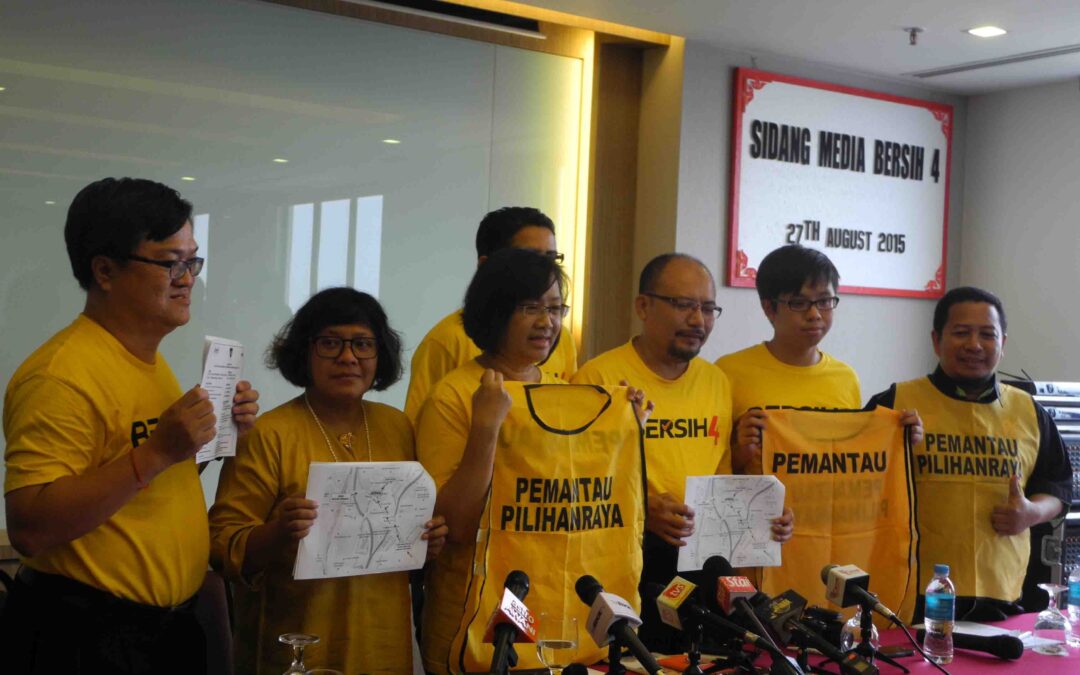
The Malaysian authorities must take effective measures to actively protect the rights of participants at the Bersih 4.0 rally in Kuala Lumpur this weekend, and ensure that the rally takes place without violent obstruction by counter demonstrators, said the ICJ today.
On 29 and 30 August, BERSIH 2.0, a coalition formed in 2005 to push for electoral reforms in Malaysia, will be organizing a 34-hour public assembly to address allegations of corruption against the Malaysian Prime Minister. The public assembly is commonly called Bersih 4.0.
The Malaysian government has declared the rally illegal and the Malaysian Communications and Multimedia Commission has decided to block websites that are spreading information about the Bersih 4.0 rally, claiming that they are a threat to national stability.
“Under international law, the Malaysian government has the positive obligation to create an enabling environment and to facilitate the exercise of the right to free expression and free assembly,” said Sam Zarifi, ICJ’s Regional Director on Asia and the Pacific.
“Instead of respecting these rights, the government’s actions such as declaring the protest illegal and blocking information on the internet, are likely to enflame the situation and are in violation of Malaysian law and international standards,” he added.
International law and standards, including the Universal Declaration of Human Rights guarantee the right to freedom of peaceful assembly and the right to seek, receive and impart information, which is also an essential element of the right to freedom of expression.
Furthermore, the UN Special Rapporteur on the right to freedom of peaceful assembly and association highlighted the important role of the internet as a basic tool for individuals to organize peaceful assemblies, and emphasized that governments must ensure access to the Internet at all times, including during times of unrest.
Any determination on what website content should be blocked must be undertaken by a competent judicial authority or a body that is independent of any political, commercial, or other unwarranted influences.
“The Malaysian authorities must ensure that the people of Malaysia are able to exercise their right to peacefully assemble and to freely express their opinion, including regarding matters of good governance and democracy,” Zarifi said.
“The job of the police is not to dispel the protesters, but rather to ensure their protection – such as from possible violence from counter demonstrators.”
Contact:
Sam Zarifi, ICJ’s Regional Director on Asia and the Pacific, t: +668 0781 9002 ; e: sam.zarifi(a)icj.org
Aug 20, 2015 | News
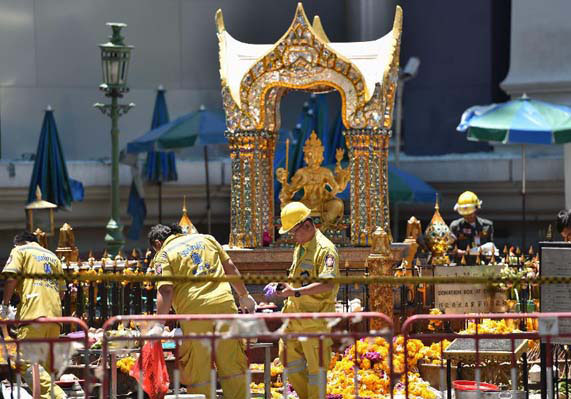
The bombing in Bangkok that killed 20 people and injured more than 120 constitutes a serious attack on human rights and demands an impartial and effective investigation to bring the perpetrators to justice, the ICJ said today.
“Targeting ordinary people, mostly tourists visiting a religious shrine, is an assault upon our shared humanity and human rights,” said Sam Zarifi ICJ’s Regional Director for Asia and the Pacific. “Thailand must counter this vile attack with a credible investigation that aims to deliver justice to the victims by identifying the perpetrators and bringing them to justice in accordance with the rule of law.”
“The Thai authorities must also resist the pressure to display progress through hasty conclusions and commit unwaveringly to an investigation that meets international standards and respects all legal and due process guarantees. Only a credible and fair process will provide truth and justice to the many victims and survivors,” he added.
As part of an effective investigation, the ICJ recommends Thailand to:
- protect the rights of the victims including by ensuring they:
o are treated with respect,
o receive regular information about the progress of the investigation and their rights in relation to it,
o receive all necessary support and assistance;
- ensure that the investigation hypothesis is not influenced by discrimination or bias based on ethnic, religious, political or other such grounds; and
- actively seek out and accept offers of assistance from other states including in the areas of:
o intelligence,
o forensic examination of crimes scenes, bodies and vehicles,
o analysis of phone material including call data and cell sites, and
o enhancement and analysis of Closed Circuit Television (CCTV) footage.
Thailand is required to effectively investigate the attack, to prosecute and punish those responsible, and to ensure victims have access to effective remedies and reparation, as part of its international legal obligations as a Party to the International Covenant on Civil and Political Rights (ICCPR), including pursuant to the right to life and the right to security of person.
Background:
On 17 August 2015 at approximately 19:00, an Improvised Explosive Device (IED) was detonated near the popular Erawan religious shrine at the Ratchaprasong intersection in central Bangkok.
On 18 August 2015 at approximately 13:00, a second IED was detonated near Bangkok’s Sathorn boat pier that exploded harmlessly in the water.
To date, no groups or individuals have claimed responsibility for either attack.
Contact:
Sam Zarifi, ICJ Asia Regional Director, (Bangkok), t:+66 807819002, e-mail: sam.zarif(a)icj.org
Kingsley Abbott, ICJ International Legal Adviser, (Bangkok), t:+66 944701345, e-mail: kingsley.abbott(a)icj.org
Thailand-BKK Blast-News-Press releases-2015-THA (full text in pdf, THAI)
Photo: Xinhua / Li Mangmang
Aug 7, 2015 | News
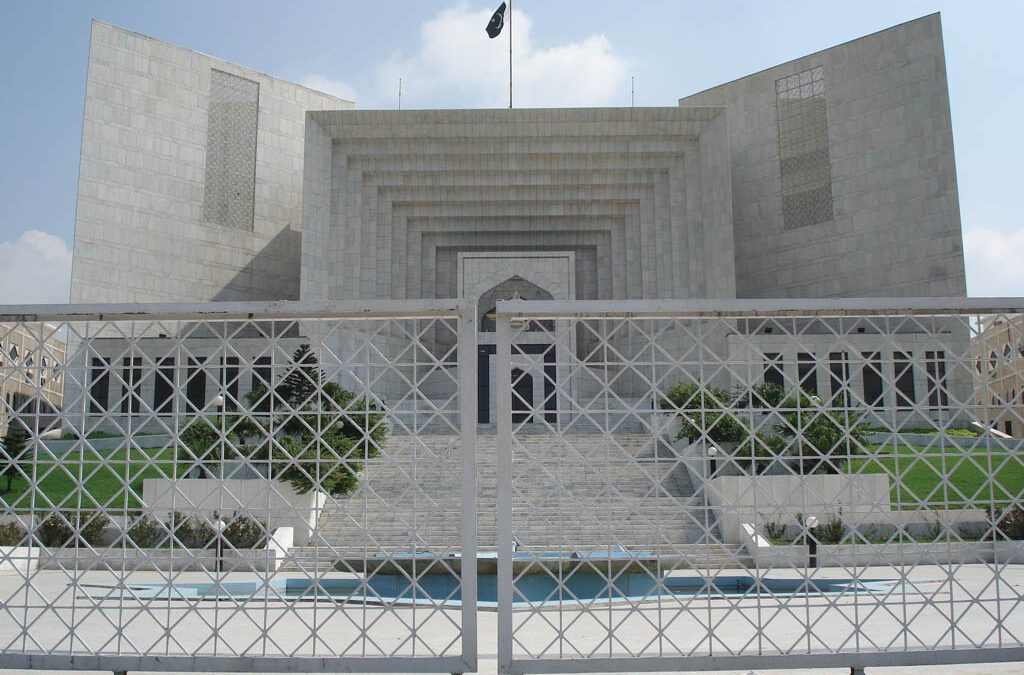
The SC’s decision to uphold the possibility of trial before military courts of individuals accused of committing terrorism related offences and belonging to “any terrorist group or organization using the name of religion or a sect” is a blow to human rights and the rule of law, said the ICJ.
In a split decision on the validity of the 21st amendment to the country’s Constitution, delivered on Wednesday, nine judges of the Supreme Court held that the trial of suspected terrorists, including civilians, by military courts was within the constitutional framework of the country and met principles of criminal justice.
The judges also ruled that individuals who claim to, or are known to belong to “any terrorist group or organization using the name of religion or a sect” constituted a valid classification allowing for differential treatment under the constitution.
Six dissenting judges expressed the view that the 21st constitutional amendment was incompatible with the right to a fair trial and independence of the judiciary. Two judges did not give an opinion on the merits, but suggested that the Supreme Court did not have the jurisdiction to review constitutional amendments.
The 902-page judgment also responds to challenges to the 18th amendment to the Constitution, including the procedure for judicial appointments.
“This judgment squarely puts Pakistan at odds with its international obligations and weakens the Supreme Court’s hard won reputation as the last resort for protecting the rights of Pakistani people,” said Sam Zarifi, ICJ’s Asia Director. “The Court has missed an important opportunity to reverse the militarization of justice in progress under the guise of combatting terrorism and to reinforce independence of the judiciary in the country.”
The trial of civilians in military courts for terrorism-related offences is incompatible with international standards, which require that those accused of any criminal offence are guaranteed a fair trial by an independent, impartial and competent tribunal.
ICJ’s briefing paper, published in April, provides a detailed assessment of the incompatibility of military trials in Pakistan with its international law obligations.
The Supreme Court, however, did not engage with international standards of fair trial and independence of the judiciary.
At least eight judges of the Supreme Court were of the opinion that it is for the Federal Government alone to ensure that their conduct “does not offend against the Public International Law or any International Commitment made by the State”.
“It is very disappointing that the Supreme Court has abdicated its primary role in acting with the other branches of the State to implement its obligations under international law,” added Zarifi. “International law is clear -all organs of the State, including the judiciary, must respect international human rights commitments, which include the right to a fair trial. Indeed, it is a core judicial responsibility to state what the law provides, whether the source of the law is international or domestic.”
The majority judgment also goes against previous Supreme Court rulings on military courts. In the past, the Court had reasoned that military courts do not meet the requirements of independence and impartiality; the establishment of military courts for trial of civilians amounts to creating a “parallel judicial system”; and that impeding the right to a fair trial cannot be justified on the basis of the public emergency or the “doctrine of necessity.
Military courts in Pakistan also have the power to award death sentences. On 2 April 2015, military courts convicted seven people of undisclosed offences in secret trials.
Of them, six were sentenced to death and one was sentenced to life in prison. The Supreme Court’s judgment has cleared the way for their execution.
Contact
Sam Zarifi, ICJ Asia Pacific Regional Director (Bangkok), t: +66 807819002; email: sam.zarifi(a)icj.org
Reema Omer, ICJ International Legal Advisor for South Asia (Lahore), t: +923214968434; email: reema.omer(a)icj.org
Read also:
ICJ denounces law permitting military trials of civilians
Trials of civilians before military tribunals a subversion of justice
HRCP, ICJ demand clarification on juveniles’ trial by military courts
Additional information
In a significant development, by a 13-4 majority the Supreme Court held it has jurisdiction to review constitutional amendments passed by Parliament on the touchstone of the “salient features” and the preamble of the Constitution. What those salient features are, however, was left unaddressed.
On 6 January 2015, less than a month after a terrorist attack on an army public school in Peshawar that killed nearly 150 people, most of them children, the Pakistani Parliament unanimously voted to amend the Constitution of Pakistan, 1973, and the Army Act, 1952, to allow military courts to try civilians for offences related to terrorism.
Military courts in Pakistan are not independent or impartial. Trials before military courts in Pakistan fall far short of national and international fair trial standards.
Pakistan has resumed executions since December 2014, in response to a spate of terrorist attacks in the country. At least 196 people on death row have already been executed. According to available data, only a small fraction – less than 10 pecent – of those executed were convicted of terrorist offences.
ICJ opposes capital punishment in all cases without exception. The death penalty constitutes a violation of the right to life and the right not to be subjected to cruel, inhuman or degrading punishment.