Mar 15, 2021 | Advocacy, Non-legal submissions
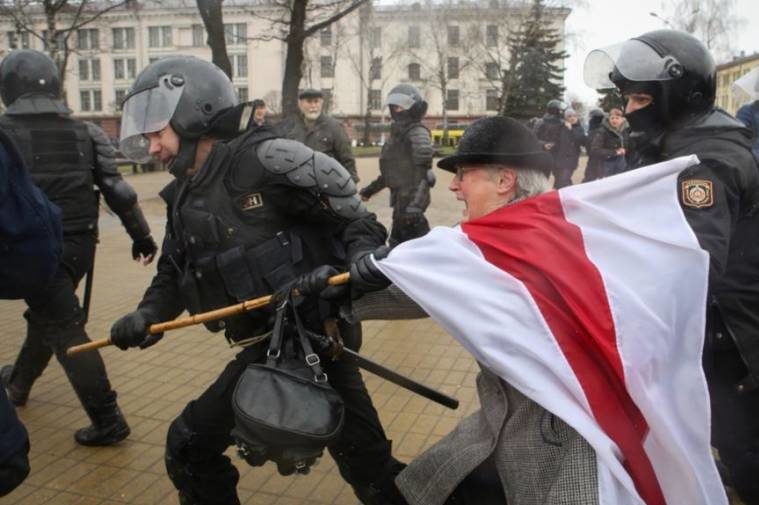
Today, the ICJ joined IBAHRI, Human Rights House Foundation and the OMCT in a statement before the UN Human Rights Council condemning human rights violations against lawyers in the country.
The joint statement delivered during the debate on the outcome of the UPR of Belarus reads as follows:
“The IBAHRI, the International Commission of Jurists, the Human Rights House Foundation and the OMCT would like to echo concerns that have been raised during the UPR review and are reflected in the UPR outcome document.
We strongly condemn the numerous, widespread human rights violations committed in the aftermath of the 2020 Belarus Presidential election, in particular:
- First – The disproportionate use of force by security forces against peaceful protestors, the arbitrary arrest and detention of thousands of people, systematic torture and ill-treatment following arrest or during detention, reports of enforced disappearances and denied access to a lawyer.
- Second – The systematic control of the executive over the judiciary and the court system. The judiciary continues to selectively use legislation to intimidate dissenting voices and tightly controls the licensing and activities of lawyers working under threat of being targeted.
- Third – The Illegal and arbitrary restrictions to fundamental rights and freedoms, including the right to peaceful assembly, free expression and access to information. From violent targeting of journalists and the media, to state sanctioned internet shutdowns resulting in censorship.
Therefore, we urge Belarus to:
- Immediately and unconditionally release all individuals arbitrarily detained and stop any practices of torture and ill-treatment of detainees;
- Undertake impartial, independent, effective and prompt investigations into allegations of human rights abuses;
- Bring perpetrators to justice, ensuring effective remedy and reparation for victims;
- Allow professionals – including legal and media professionals – to conduct their work without fear of targeting;
- Ensure respect and practice for all human rights, including free expression, online and offline, providing unconstrained access to information for all; lastly
- Adopt all necessary measures to prevent further human rights violations, without delay.”
Contact:
Massimo Frigo, ICJ UN Representative, e: massimo.frigo(a)icj.org, t: +41797499949
Mar 4, 2021 | Advocacy, Non-legal submissions
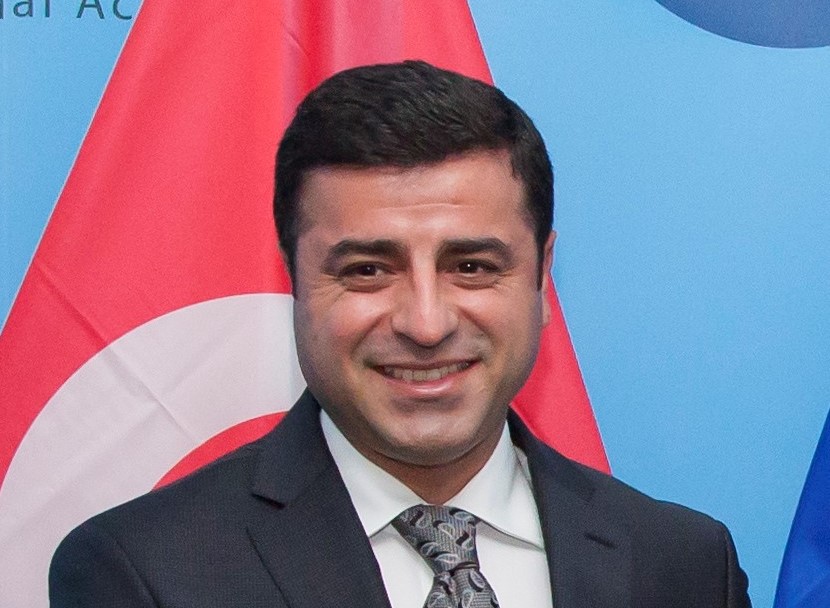
The Council of Europe Committee of Ministers should direct Turkey to release the Kurdish opposition politician Selahattin Demirtaş in compliance with a European Court of Human Rights judgment, five human rights groups said today.
The five are ARTICLE 19, Human Rights Watch, the International Commission of Jurists, the International Federation for Human Rights, and the Turkey Human Rights Litigation Support Project.
The groups have made a detailed joint submission to the Council of Europe’s Committee of Ministers, which oversees enforcement of the European Court of Human Rights (ECtHR) judgments, asking it to issue the decision at its meeting on March 9-11, 2021. The groups said that Turkey continues to violate Demirtaş’s rights by flouting a landmark judgment issued by the court on December 22, 2020, requiring his immediate release.
“President Erdogan and senior Turkish officials have responded to the European Court’s judgment ordering Demirtaş’s release with false arguments that it does not apply to his current detention and that the court’s rulings are not binding on Turkey,” said Aisling Reidy, senior legal adviser at Human Rights Watch. “The Committee of Ministers should call on Turkey to release Demirtaş immediately and leave no doubt that disregarding or attempting to bypass judgments of the Strasbourg court is unacceptable.”
Selahattin Demirtaş, former co-chair of the Peoples’ Democratic Party (HDP), a pro-Kurdish rights opposition party to the government of President Recep Tayyip Erdoğan, has been held in Edirne F-Type prison in western Turkey since November 4, 2016.
The Grand Chamber of the European Court of Human Rights ruled that in initially detaining Demirtaş and then prolonging his detention for over four years, the Turkish government pursued an ulterior purpose of preventing him from carrying out his political activities, depriving voters of their elected representative, and “stifling pluralism and limiting freedom of political debate: the very core of the concept of a democratic society.”
Ordering Demirtaş’s immediate release, the court found that Turkey had violated rights protected by Articles 5.1 and 5.3 (right to liberty) of the European Convention on Human Rights, Article 10 (right to freedom of expression), Article 3 Protocol 1 (the right to free and fair elections), and Article 18 (misuse of limitations on rights in the Convention), by pursuing Demirtaş’s detention for political ends.
In finding the government acted in bad faith (Article 18 violation), the court notably refers to Demirtaş’s current detention, from September 20, 2019 which relates to an investigation into deadly protests in southeast Turkey on October 6-8, 2014. The Strasbourg court said what Turkey was attempting to do was “a new legal classification” of the same facts, because the same “acts and incidents” had formed the basis on which Demirtaş had been detained up until September 2, 2019, and for which he is already on trial.
Finding a continuity between Demirtaş’s pretrial detention from November 4, 2016, to September 2, 2019, and again from September 20, 2019, to the present, the court termed the September 20 order a “return to pre-trial detention.” The Turkish government has rejected this finding and contends that Demirtaş is currently detained in the context of a case not covered by the European Court judgment.
“As the European Court of Human Rights made clear, Demirtaş’s detention on September 20, 2019, was in fact not a separate detention but a ‘return to pre-trial detention’ and a continuing violation of his Convention rights,” said Róisín Pillay, Europe and Central Asia Director of the International Commission of Jurists. “The Committee of Ministers should press Turkey to immediately end this abuse of judicial proceedings aimed at harassing an opposition politician.”
The groups’ submission provides a full analysis of political and legal developments since the issuing of the ECtHR Grand Chamber judgment – including a new indictment against Demirtaş – and repeated statements from Turkey’s president and senior officials that the Demirtaş judgment and European Court judgments in general are not binding on Turkey.
“Charging such a prominent political figure with 30 serious ‘new’ offences based on political speeches mostly 6 years ago, which the Court already found to be protected, is pure repackaging – a thinly veiled attempt to circumvent compliance with the Court’s judgment requiring immediate release,” said Helen Duffy of the TLSP. “The Grand Chamber already rejected earlier ‘reclassification’ attempts, and it is time for a robust response by the Committee of Ministers to break the cycle of evasion.”
The groups urged the Committee of Ministers to place Demirtaş’s case under their enhanced procedures, treating it as a lead case, and to indicate that continued refusal to carry out the judgment may lead them to refer Turkey to the European Court for non-compliance. The groups urged the Committee of Ministers to call on the Turkish government to:
- Immediately release Demirtaş as required by the ECtHR judgment, and make clear that the judgment applies to his ongoing detention and to any future charges or detentions in which the factual or legal basis is substantially similar to that which the ECtHR has already addressed in its judgment;
- Halt all criminal proceedings initiated against Demirtaş following the constitutional amendment lifting his immunity, which was deemed unlawful by the ECtHR’s Grand Chamber;
- End the abuse of judicial proceedings to harass Demirtaş, stifle pluralism, and limit freedom of political debate, emphasizing that this cessation is essential to the restoration of Demirtaş’s rights;
- End interference in Demirtaş’s cases, especially by attempting to pressure or unduly influence judicial authorities; and
- Publicly correct false claims promoted by senior Turkish government officials that the Grand Chamber judgment in the Demirtaş case and European Court judgments more generally, are not binding.
Find the intervention here: Turkey-Demirtas_v_TurkeyExecution-JointSubmission-2021-ENG
Türkiye: AİHM Kararı Sonrasında Siyasetçi Serbest Bırakılsın
Avrupa Konseyi Bakanlar Komitesi, Türkiye’den Demirtaş Kararının Uygulanmasını Talep Etmelidir
(İstanbul, 4 Mart 2021) — Beş ayrı insan hakları örgütü bugün yaptıkları açıklamada, Avrupa Konseyi Bakanlar Komitesi’nin, Türkiye’yi Avrupa İnsan Hakları Mahkemesi kararına uyarak muhalif Kürt siyasetçi Selahattin Demirtaş’ı serbest bırakmaya yönlendirmesi gerektiğini belirtti. Bu beş insan hakları örgütü ARTICLE 19, İnsan Hakları İzleme Örgütü, Uluslararası Hukukçular Komisyonu, Uluslararası İnsan Hakları Federasyonu ve Türkiye İnsan Hakları Davalarına Destek Projesi’nden oluşuyor.Hak örgütleri, Avrupa İnsan Hakları Mahkemesi (AİHM) kararlarının uygulanmasının denetiminden sorumlu Avrupa Konseyi Bakanlar Komitesi’ne detaylı bir ortak bildirimde bulunarak, Komitenin 9-11 Mart 2021 tarihli toplantısında bu konuda karar almasını talep ettiler. Örgütler, Türkiye’nin AİHM’in 22 Aralık 2020 tarihli Demirtaş’ın serbest bırakılmasını gerektiren önemli kararını görmezden gelerek Demirtaş’ın haklarını ihlal etmeye devam ettiğini ifade ettiler.
İnsan Hakları İzleme Örgütü Kıdemli Hukuk Danışmanı Aisling Reidy, “Cumhurbaşkanı Erdoğan ve üst düzey yetkililer, Demirtaş’ın serbest bırakılmasını öngören AİHM kararına, kararın mevcut tutukluluğa uygulanmadığı ve Mahkemenin kararlarının Türkiye için bağlayıcı olmadığı yönündeki yanlış argümanlarla cevap verdiler” dedi. Reidy, “Bakanlar Komitesi, Türkiye’yi Demirtaş’ı derhal serbest bırakmaya çağırmalı, AİHM kararlarını görmezden gelmenin veya etrafından dolanmaya çalışmanın kabul edilemez olduğuna dair şüpheye yer bırakmamalıdır” dedi.
Cumhurbaşkanı Recep Tayyip Erdoğan’ın hükümetine muhalif Kürtlerin haklarını destekleyen politik çizgideki Halkların Demokratik Partisi (HDP) eski eş başkanı Demirtaş, 4 Kasım 2016’dan bu yana Türkiye’nin batısındaki Edirne F Tipi Cezaevi’nde tutuluyor.
AİHM Büyük Dairesi, kararında “Türkiye hükümetinin, Demirtaş’ı tutuklayıp, tutukluluğunu 4 yıldan fazla sürdürerek onun siyasi faaliyetlerini engellemek, seçmenleri seçilmiş temsilcilerinden mahrum bırakmak, demokratik bir toplumun temeli olan çoğulculuğu ve siyasi tartışmayı kısıtlamak yönünde örtülü amaçlar taşıdığı” ifadelerine yer verdi.
Demirtaş’ın derhal serbest bırakılması gerektiğine karar veren Mahkeme, Türkiye’nin Avrupa İnsan Hakları Sözleşmesi’nin 5/1 ve 5/3. maddeleri (özgürlük hakkı), 10. madde (ifade özgürlüğü hakkı), 1. Ek Protokol 3. madde (serbest seçim hakkı) ve 18. madde (haklara getirilecek kısıtlanmaların sınırlanması) ile korunan hakları ihlal ettiğini tespit etti.
Mahkeme, hükümetin hakların kısıtlanmasında kötü niyetle hareket ettiğini tespit ederken (madde 18 ihlali), 6-8 Ekim 2014’te Türkiye’nin güneydoğusunda ölümlerin yaşandığı protestolara ilişkin bir soruşturma kapsamında Demirtaş’ın 20 Eylül 2019’dan bu yana tutuklu olduğunun altını çizdi. AİHM, Türkiye’nin bu soruşturmada yapmaya çalıştığı şeyin aynı olguların “yeni bir hukuki vasıflandırması” olduğunu, çünkü aynı “eylemler ve olayların” Demirtaş’ın 2 Eylül 2019’a kadar sürdürülen tutukluluğuna ve hakkında o süreçle bağlantılı olarak devam eden yargılamaya esas alındığını belirtti.
Demirtaş’ın 4 Kasım 2016’dan 2 Eylül 2019’a kadarki tutukluluğu ile 20 Eylül 2019’dan bu yana devam eden tutukluluğu arasında bir süreklilik tespit eden Mahkeme, 20 Eylül tarihli kararı “tutukluluğa geri döndürme” olarak tanımladı. Türkiye Hükümeti ise bu tespiti reddetti ve Demirtaş’ın şu an AİHM kararı kapsamında olmayan bir dava dolayısıyla tutuklu olduğunu iddia ediyor.
Uluslararası Hukukçular Komisyonu Avrupa ve Orta Asya Direktörü Róisín Pillay, “Avrupa İnsan Hakları Mahkemesi’nin açıkça belirttiği gibi, Demirtaş’ın 20 Eylül 2019’da tutuklanması aslında ayrı bir tutuklama değil, ‘tutukluluğa geri döndürmedir’ ve Sözleşme’de yer alan haklarının ihlalinin sürdürülmesidir” dedi. Pillay, “Bakanlar Komitesi, muhalif bir siyasetçiyi taciz etmek amacıyla adli işlemlerin kötüye kullanılmasına derhal son vermesi için Türkiye’ye baskı yapmalıdır” dedi.
Hak örgütlerinin bildirimi, Demirtaş aleyhindeki yeni iddianame, Türkiye’nin Cumhurbaşkanı ve üst düzey yetkililerinin Demirtaş kararının ve genel olarak AİHM kararlarının bağlayıcı olmadığına ilişkin tekrar eden açıklamaları da dahil olmak üzere AİHM Büyük Dairesinin kararı sonrasında gerçekleşen siyasi ve hukuki gelişmelere ilişkin kapsamlı bir analiz sunuyor.
Türkiye İnsan Hakları Davalarına Destek Projesi’nden Helen Duffy, “bu kadar önemli bir siyasi figürü, Mahkemenin koruma kapsamında olduğunu tespit ettiği ve çoğunlukla 6 yıl önceki siyasi açıklamalarına dayanan 30 “yeni” ve ciddi suçla itham etmek, Mahkemenin derhal serbest bırakma kararına uymaktan kaçınma girişiminin bir tekrarıdır.” dedi. Duffy, “Büyük Daire daha önceki ‘yeniden vasıflandırma’ girişimlerini reddetmiştir, Bakanlar Komitesinin kararı uygulamaktan kaçınma döngüsünü kırmak için buna güçlü bir yanıt vermesinin zamanı gelmiştir.” dedi.
Hak örgütleri, Bakanlar Komitesini Demirtaş’ın davasını nitelikli denetim prosedürü altında izlenmek üzere sınıflandırmaya ve öncü dava olarak kabul etmeye, Türkiye’nin kararın uygulanmasını reddetmeye devam etmesinin, bu nedenle AİHM’e yönlendirilmesine yol açabileceğini dile getirmeye davet ettiler. Örgütler, Bakanlar Komitesinin Türkiye hükümetine yönelik şu çağrılarda bulunmasını talep ettiler:
- AİHM kararının gereği olarak Selahattin Demirtaş’ın derhal serbest bırakılması için çağrıda bulunulmalı, Büyük Daire kararının Demirtaş’ın devam eden tutukluluğunu da kapsadığı, kararın AİHM tarafından da değinildiği gibi olgusal ya da yasal dayanakları ciddi ölçüde benzer olan, gelecekte ileri sürülebilecek suçlamaları veya yapılabilecek tutuklamaları da kapsayacağı vurgulanmalıdır.
- AİHM Büyük Daire tarafından hukuka aykırı bulunduğu üzere, Demirtaş’ın dokunulmazlığını kaldıran Anayasa değişikliğinden sonra kendisine yöneltilen tüm ceza yargılamalarının durdurulması konusunda çağrıda bulunulmalıdır.
- Demirtaş’ın yargı yollarının kötüye kullanılması yolu ile taciz edilmesini durdurmaya, çoğulculuğun bastırılması ve siyasi tartışma özgürlüğünü sınırlanmasına son vermeye ve bunun Demirtaş’ın haklarının iadesi için önemli olduğunu vurgulamaya çağrılmalıdır.
- Yargı makamlarına baskı yapmaya veya onları hukuka aykırı bir şekilde etkilemeye çalışarak Demirtaş’ın davalarına doğrudan müdahale etmeye son vermeye çağrılmalıdır.
- Üst düzey yetkililer tarafından savunulan Demirtaş davasındaki Büyük Daire kararının ve daha genel olarak AİHM kararlarının bağlayıcı olmadığı yönündeki yanlış iddiaları kamuya açık bir şekilde düzeltmeye çağırılmalıdır.
Find the submission in Turksish: Turkey-Demirtas_v_TurkeyExecution-JointSubmission-2021-TUR

Mar 1, 2021 | News
The Turkish government’s failure to comply with a binding European Court of Human Rights order to release the human rights defender Osman Kavala should prompt Council of Europe action against Turkey, Human Rights Watch, the International Commission of Jurists, and the Turkey Human Rights Litigation Support Project said today.
The three nongovernmental organizations presented the recommendation in a submission to the Committee of Ministers, the Council of Europe’s intergovernmental body responsible for overseeing the implementation of European Court of Human Rights judgments. The committee is to review Turkey’s noncompliance with the Strasbourg court’s judgment on Kavala’s case for the fourth time at its March 9-11, 2021 session. Kavala has been held in pretrial detention since November 2017.
“Turkey’s flagrant disregard for the European Court of Human Rights order to release Osman Kavala should trigger the Council of Europe Committee of Ministers to start infringement proceedings against Turkey,” said Aisling Reidy, senior legal adviser at Human Rights Watch. “It is crucial for the Committee of Ministers, at its March session, to leave the Turkish government in no doubt that European Court of Human Rights judgments are binding on Turkey and that persistent failure to implement the ruling in Osman Kavala’s case constitutes a serious breach requiring exceptional measures.”
The Committee of Ministers may opt to take infringement proceedings against a Council of Europe member state that refuses to implement European Court of Human Rights judgments. It was used for the first time in 2017 when the government of Azerbaijan continuously refused to secure the unconditional release of a wrongfully jailed opposition politician, Ilgar Mammadov.
Infringement proceedings are provided for under Article 46/4 of the European Convention on Human Rights (ECHR). Their commencement requires the vote of two-thirds of the Committee of Ministers. Once the process is triggered, the case is referred back to the European Court of Human Rights for a further opinion on the legally binding obligation to comply. If the Court confirms that Turkey has failed to implement the ruling, the Committee of Ministers may then take additional measures, including ultimately suspending Turkey’s voting rights or membership of the Council of Europe.
The Committee of Ministers has already considered the status of Turkey’s compliance with the judgment on multiple occasions, issuing two decisions and, in December 2020, an interim resolution that each strongly urged Turkey to comply with the court’s judgment by unconditionally releasing Kavala.
However, since the December resolution, local courts in Turkey have prolonged Kavala’s detention four more times. A court of appeal has overturned his acquittal in the Gezi Park protests trial, and Turkey’s Constitutional Court has also flouted the European Court of Human Rights judgment by finding no violation of Kavala’s right to liberty.
“The Kavala case is emblematic of the crisis facing civil society and the rule of law in Turkey,”. said Helen Duffy of the Turkey Human Rights Litigation Support Project. “We recognize that infringement proceedings are exceptional, but if there is a case where they are justified, it is this one.”
“Turning a deaf ear to the Strasbourg court’s clear order to release and the Committee of Minister’s repeated calls for compliance, Turkey’s government and courts have worked hand in glove to prolong and deepen the crisis and the violation of Mr. Kavala’s rights. Infringement proceedings against Turkey provide the strongest legal mechanism to signal the shame of not complying with European Court of Human Rights’ binding judgments.”
The organizations said in their submission that, throughout the criminal proceedings against him, judges and prosecutors involved have abused criminal procedural rules to unlawfully extend Kavala’s detention based on allegations that he organized and financed the 2013 Istanbul Gezi Park protests and that he was involved in the July 15, 2016 attempted military coup.
A key aspect of this effort has been the practice of different courts over the three years and four months of Kavala’setention successively joining, separating, and rejoining case files against Kavala to justify prolonging his incarceration.
At the most recent local court hearing against Kavala, on February 5, 2021, the Istanbul 36th Assize Court ruled that the case against him concerning the coup attempt should be joined with the Gezi Park protests case, which is before the Istanbul 30th Assize Court. A hearing of the newly joined cases will take place on May 21.
The organizations said in their submission that the decision to merge the proceedings against Kavala voids Turkey’s repeated argument before the Committee of Ministers that Kavala’s current detention is connected to a separate prosecution not covered by the Strasbourg court judgment. The groups also said that the Turkish government needs to address the structural problems raised in the Kavala judgment by revising its action plan to implement the ruling.
“Separating cases or merging them again will not correct the injustice to which Turkey’s courts and government have subjected Osman Kavala for over three years,” said Róisín Pillay, Europe and Central Asia director of the International Commission of Jurists. “This case is part of a systemic practice in which the Turkish courts, which are not independent, apply criminal law and procedures arbitrarily against critics of the government. The action plan needs to address these structural failings in the judicial system.”
The European Court of Human Rights judgment in Kavala v. Turkey is particularly significant because it is the first final ruling of the European Court of Human Rights against Turkey in which the court determined that, in interfering with an individual’s rights, the Turkish judicial authorities served ulterior political motivations, contrary to Article 18 of the ECHR.
The court said that by holding Kavala in pretrial detention since November 2017 and prosecuting him, the Turkish authorities had “pursued an ulterior purpose, namely to silence him as human rights defender.” The court found violations of articles 18 and 5 of the ECHR.
Find the submission here: Turkey-Kavala_v_TurkeyExecution-JointSubmission3-HRWICJTHRLP-2021-ENG
For more Human Rights Watch reporting on Turkey, please visit:
http://www.hrw.org/europecentral-asia/turkey
For more ICJ work on Turkey, please visit:
https://www.icj.org/search/?fwp_search=Turkey&submit=Search
For more on TLSP work, please see:
https://www.turkeylitigationsupport.com/
Türkiye: Osman Kavala’nın haklarının ihlali ağırlaşıyor
Avrupa Konseyi Bakanlar Komitesi Türkiye’ye Yönelik İhlal Prosedürünü Başlatmalıdır
İnsan Hakları İzleme Örgütü, Uluslararası Hukukçular Komisyonu ve Türkiye İnsan Hakları Davalarına Destek Projesi, Türkiye hükümeti tarafından Avrupa İnsan Hakları Mahkemesi’nin insan hakları savunucusu Osman Kavala’nın serbest bırakılması kararına uyulmamasının, Avrupa Konseyi tarafından Türkiye’ye yönelik işlem yapılmasını gerektirdiğini belirtti.
Üç sivil toplum kuruluşu, Avrupa İnsan Hakları Mahkemesi kararlarının uygulanmasını denetlemekten sorumlu Avrupa Konseyi hükümetler arası organı olan Bakanlar Komitesi’ne tavsiyeler içeren bir bildirimde bulundu. Bakanlar Komitesi, 9-11 Mart 2021 tarihli oturumunda Türkiye’nin AİHM’in Kavala başvurusuna ilişkin kararını uygulamamasını dördüncü kez gözden geçirecek. Kavala, Kasım 2017’den bu yana tutuklu.
İnsan Hakları İzleme Örgütü Kıdemli Hukuk Danışmanı Aisling Reidy, “Türkiye’nin, Avrupa İnsan Hakları Mahkemesi’nin Osman Kavala’nın serbest bırakılması kararını açıkça göz ardı etmesi, Avrupa Konseyi Bakanlar Komitesi’ni Türkiye’ye karşı ihlal prosedürünü başlatmaya yöneltmelidir” dedi. Reidy, “Bakanlar Komitesi’nin Mart ayında yapacağı oturumda, Türkiye hükümetinde şüpheye yer bırakmayacak şekilde Avrupa İnsan Hakları Mahkemesi kararlarının Türkiye için bağlayıcı olduğunu ve Osman Kavala başvurusunda kararın yerine getirilmemesinin istisnai önlemler gerektiren ciddi bir ihlal teşkil ettiğini ortaya koyması çok önemlidir.” dedi.
Bakanlar Komitesi, Avrupa İnsan Hakları Mahkemesi kararlarını yerine getirmeyi reddeden bir Avrupa Konseyi üyesi devlete karşı ihlal prosedürünü başlatmayı tercih edebilir. İhlal prosedürü ilk olarak 2017’de, haksız yere hapsedilen muhalif politikacı Ilgar Mammadov’un koşulsuz olarak serbest bırakılmasının Azerbaycan hükümeti tarafından sürekli olarak reddedilmesi üzerine uygulanmıştı.
Bu prosedür, Avrupa İnsan Hakları Sözleşmesi’nin (AİHS) 46/4. maddesinde düzenlenmekte olup,başlatılması Bakanlar Komitesi’nin üçte ikisinin oyunu gerektirmekte. Prosedür başlatıldıktan sonra, dava hukuken bağlayıcı olan karara uyma yükümlülüğü hakkında görüş sunması için Avrupa İnsan Hakları Mahkemesi’ne geri gönderilir. Mahkeme, Türkiye’nin kararı yerine getirilmediğini doğrularsa, Bakanlar Komitesi Türkiye’nin nihayetinde oy haklarını veya Avrupa Konseyi üyeliğini askıya almaya varan ek önlemler alabilir.
Bakanlar Komitesi, halihazırda Türkiye’nin kararı uygulayıp uygulamadığını birden fazla kez değerlendirerek bu konuda iki karar verdi. Komite bu kararlarında ve Aralık 2020’de verdiği ara kararda Türkiye’yi AİHM’nin Kavala’nın koşulsuz olarak serbest bırakılması kararına uymaya çağırdı.
Ancak Aralık’ta verilen ara karardan bu yana Türkiye’deki yerel mahkemeler Kavala’nın tutukluluğunu dört kez daha uzattı. İstinaf mahkemesi, Gezi Parkı protestoları davasında Kavala hakkında verilen beraat kararını bozdu. Türkiye’nin Anayasa Mahkemesi de Kavala’nın özgürlük hakkının ihlal edilmediğine karar vererek Avrupa İnsan Hakları Mahkemesi kararını dikkate almamış oldu.
Türkiye İnsan Hakları Davalarına Destek Projesi’nden Helen Duffy, “Kavala davası, Türkiye’de sivil topluma ve hukukun üstünlüğüne yönelik krizin bir simgesidir” dedi. Duffy, “İhlal prosedürünün istisnai olduğunu kabul ediyoruz, ancak bu prosedürün işletilmesini haklı kılacak bir dava varsa, Kavala davası odur. Türkiye hükümeti ve mahkemeleri, Avrupa İnsan Hakları Mahkemesi’nin Kavala’nın serbest bırakılması kararını ve kararın yerine getirilmesi konusunda Bakanlar Komitesi’nin tekrar eden çağrılarını görmezden gelerek bu krizi ve Osman Kavala’nın haklarının ihlalini sürdürmek ve derinleştirmek için birlikte hareket etmiştir. Türkiye aleyhine işetilecek bir ihlal prosedürü, Avrupa İnsan Hakları Mahkemesi’nin bağlayıcı kararlarına uymama utancına işaret eden en güçlü yasal mekanizmayı sunmaktadır.” dedi.
Sivil toplum kuruluşları bildirimlerinde, Osman Kavala’ya karşı açılan ceza davaları süresince ilgili hâkim ve savcıların, 2013 İstanbul Gezi Parkı protestolarını düzenlediği ve finanse ettiği, 15 Temmuz 2016 askeri darbe girişimine müdahil olduğu iddialarına dayanarak Kavala’nın tutukluluğunu hukuka aykırı bir şekilde uzatmak için ceza muhakemesi kurallarını kötüye kullandıklarını ifade etti.
Bu çabanın önemli bir yönü, farklı mahkemelerin Kavala’nın üç yıl dört ay boyunca tutukluluğunun sürdürülmesini meşrulaştırmak için ona karşı açılan dava dosyalarını birleştirmesi, ayırması ve tekrar birleştirmesi uygulaması oldu.
Osman Kavala’nın en yakın tarihli yerel mahkeme duruşması olan 5 Şubat 2021’de, İstanbul 36. Ağır Ceza Mahkemesi, Kavala’ya açılan darbe girişimine ilişkin davanın, İstanbul 30. Ağır Ceza Mahkemesi’nde görülen Gezi Parkı protestoları davasıyla birleştirilmesi gerektiğine karar verdi. Birleşen davaların duruşması 21 Mayıs’ta yapılacak.
Sivil toplum kuruluşları, bildirimlerinde Osman Kavala aleyhindeki davaların birleştirilmesi kararının, Türkiye’nin Bakanlar Komitesi önünde Kavala’nın mevcut tutukluluğunun AİHM kararı kapsamında olmayan ayrı bir dava dolayısıyla olduğu argümanını geçersiz kıldığını belirtti. Kuruluşlar ayrıca, Türkiye hükümetinin, Kavala kararını uygulamak için hazırladığı eylem planını gözden geçirerek kararda değerlendirilen yapısal sorunları ele alması gerektiğini ifade etti.
Uluslararası Hukukçular Komisyonu Avrupa ve Orta Asya Direktörü Róisín Pillay, “Davaları ayırmak veya yeniden birleştirmek, Türkiye mahkemelerinin ve hükümetinin üç yıldan fazla süredir Osman Kavala’yı maruz bıraktıkları adaletsizliği düzeltmeyecektir” dedi. Pillay, “Bu dava, bağımsız olmayan Türkiye mahkemelerinin, hükümeti eleştirenlere karşı ceza yasalarını ve ceza muhakemesi usulünü keyfi olarak kullandığı sistematik uygulamanın bir parçasıdır. Eylem planının yargı sistemindeki bu yapısal bozuklukları ele alması gerekiyor.” dedi.
Kavala/Türkiye kararı, AİHM’in Türkiye yargı makamlarının, bir bireyin haklarına müdahale ederken AİHS’in 18. maddesine aykırı olarak, örtülü siyasi amaçlara hizmet ettikleri tespitinde bulunduğu kesinleşme tarihi bakımından ilk karar olması dolayısıyla özel bir önem taşımaktadır.
Mahkeme kararında, Osman Kavala’yı Kasım 2017’den bu yana özgürlüğünden mahrum bırakıp kovuşturmakla, Türk makamlarının “insan hakları savunucusu olan Kavala’yı susturmak yönünde bir örtülü amaç taşıdıklarını” ifade ederekAİHS’in 18. ve 5. maddelerinin ihlal edildiğini tespit etmişti.
İnsan Hakları İzleme Örgütü’nün Türkiye hakkında daha fazla raporu için:
http://www.hrw.org/europecentral-asia/turkey
Uluslararası Hukukçular Komisyonu’nun Türkiye hakkındaki diğer faaliyetleri için:
https://www.icj.org/search/?fwp_search=Turkey&submit=Search
Türkiye İnsan Hakları Davalarına Destek Projesi’nin çalışmaları için:
https://www.turkeylitigationsupport.com/
Feb 25, 2021 | Advocacy, Non-legal submissions
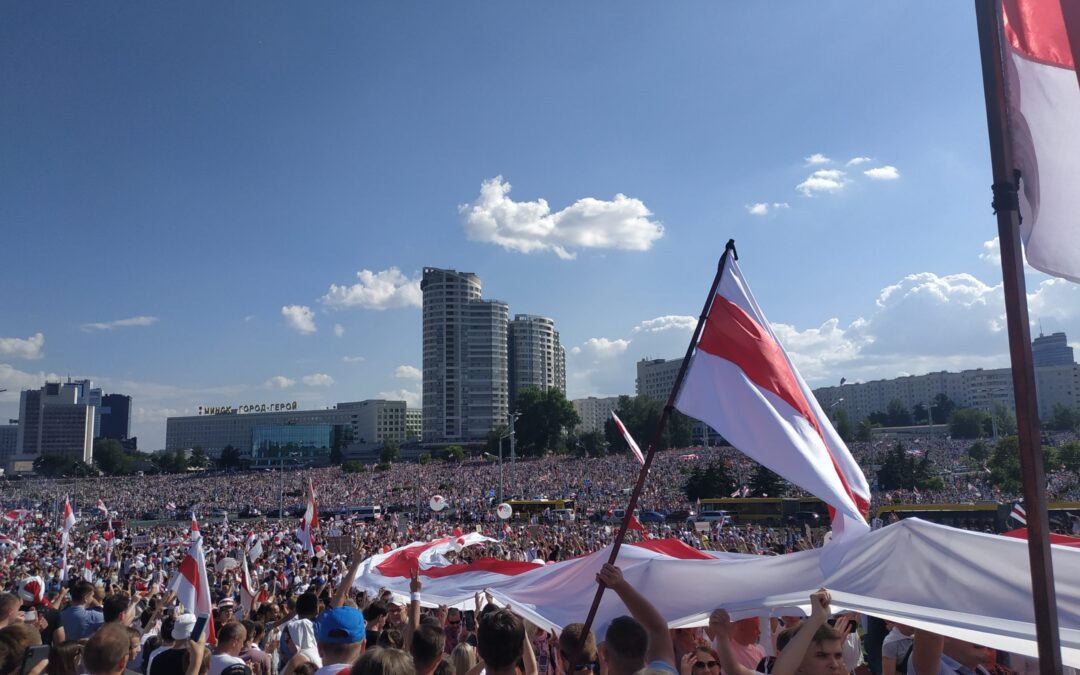
The ICJ today addressed the UN Human Rights Council in the Enhanced Interactive Dialogue on the Report of the Office of the High Commissioner for Human Rights on the situation of human rights in Belarus in the context of the 2020 presidential election.
The statement reads as follows:
“Madam President,
The International Commission of Jurists welcomes the High Commissioner’s report on the situation of human rights in Belarus (A/HRC/46/4).
The ICJ stresses the need to address the systemic issues underlying unfair trial, arbitrary detention, torture, other ill-treatment and enforced disappearance in Belarus. In particular, it is crucial to ensure an independent judiciary and bar association.
Without comprehensive reforms to these institutions, there is little prospect of fair trial, or of effective remedies or accountability for the widespread human rights violations occurring after the 2020 election.
The ICJ is alarmed at recent arrests and disbarments of lawyers in connection with the protests. Disbarred lawyers include Aleksandr Pylchenko as well as Liudmila Kazak, the fourth lawyer of Maria Kolesnikova, a detained opposition figure, to have suffered consequences as a result of their professional activities. Furthermore, criminal cases have been initiated against lawyers Ilya Saley and Maxim Znak.
We call on the Human Rights Council to establish a mechanism to collect and preserve evidence, identify perpetrators, and support accountability for gross human rights violations in Belarus.
The Council should further call on Belarus to
- promptly and fully implement the High Commissioner’s recommendations;
- co-operate with and facilitate access of the Special Rapporteur to the country;
- uphold the independence of judges and lawyers, in accordance with international law and standards.
I thank you.”
Contact:
Massimo Frigo, ICJ UN Representative, e: massimo.frigo(a)icj.org, t: +41797499949
Feb 16, 2021 | Agendas, Events, News
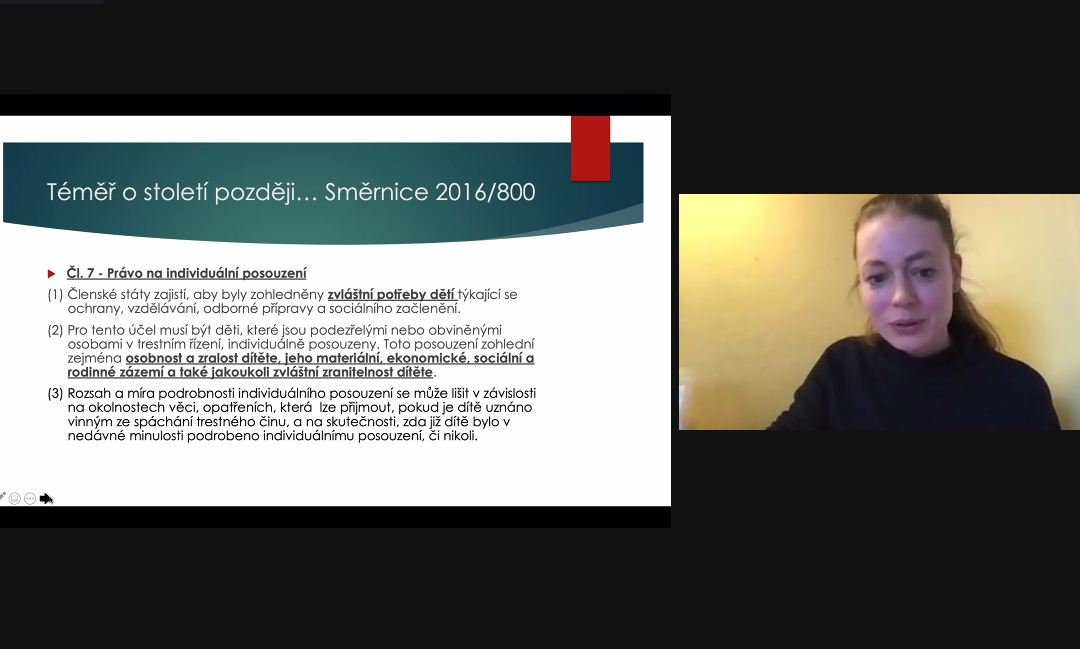
Today, the ICJ in collaboration with Forum for Human Rights (FORUM) is holding an online training seminar on the rights of children who are suspected or accused of violating the law within the European Union.
The training (16-18 February 2021) focuses on the right of a child in conflict with the law to an individual assessment, under Article 7 of EU Directive 2016/800 on procedural safeguards for children suspected or accused in criminal proceedings. The individual assessment of the particular circumstances and needs of the child provides an important guarantee which, if implemented through a rights-based approach, can ensure that the best interests of the child are protected and that the child’s rights are upheld throughout the criminal justice process.
The training brings together some of the key professionals involved in implementing individual assessments in the Czech Republic and Slovakia – over 20 lawyers and 20 social workers from both countries working in the field of child justice. Speakers at the training will consider the approach to the individual assessment in light of international human rights law as well as experiences from other EU Member States. They will explore the potential of the restorative justice approach to ensure that the child has practical and effective opportunity to actively participate in the proceedings.
Speakers include Mikiko Otani, ICJ Commissioner and member of the Committee on the Rights of the Child, Dainius Puras, former UN Special Rapporteur on the Right to Health, as well as judges and academics other EU Member States and from the European Forum on Restorative Justice, FORUM and ICJ.
See the full agenda here:
in English
in Czech
in Slovak.
This project was funded by the European Union’s Rights, Equality, and Citizenship Programme (2014-2020). The content of this publication represents the views of ICJ only and is its sole responsibility. The European Commission does not accept any responsibility for use that may be made of the information it contains.