Apr 17, 2018 | Advocacy, Cases, Legal submissions, News
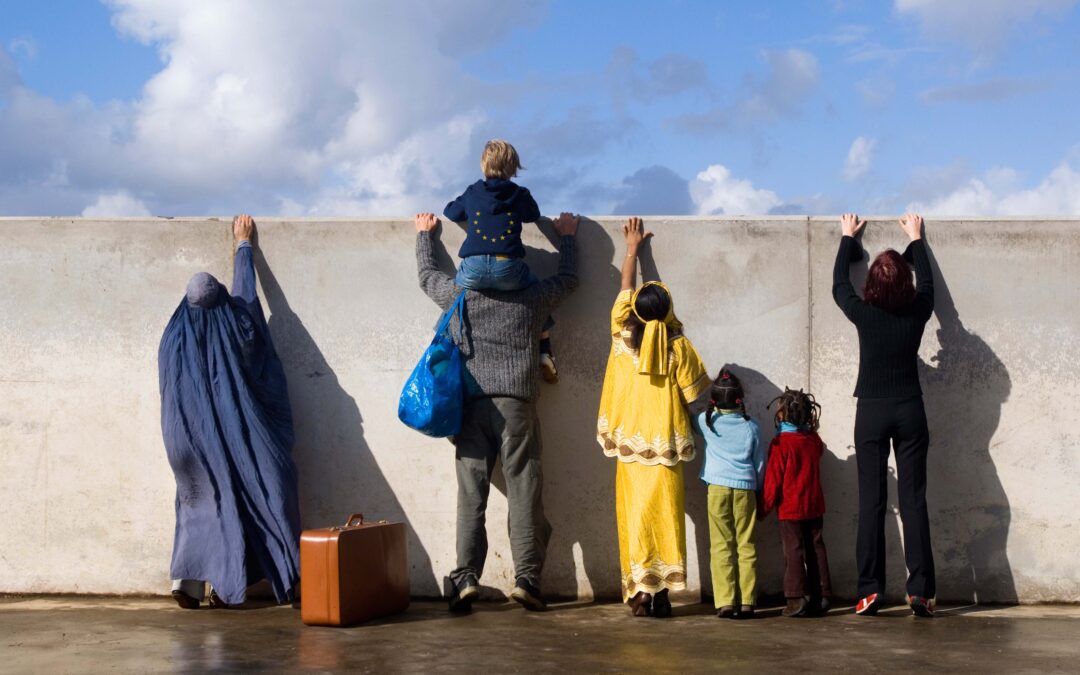
The ICJ and other NGOs jointly intervened before the Grand Chamber of the European Court of Human Rights in a case against Spain on the denial of entry of asylum seekers in the enclave of Melilla.
The ICJ, the European Council on Refugees and Exiles, the AIRE Centre, Amnesty International and the Dutch Refugee Council argued that the European Convention on Human Rights prohibits refusal of entry, and/or return of a person to face serious violations of human rights, including of the right to life, the prohibition of torture or inhuman or degrading treatment or punishment, or flagrant denial of justice and of the right to liberty.
They submitted that these refusals of entry are also contrary to the rights set out in the EU Charter of Fundamental Rights (CFR) and the prohibition on non-refoulement found in the 1951 Geneva Convention on the Status of Refugees (Refugee Convention).
The joint interventions presents the argument that, for these prohibitions to be practical and effective and not theoretical and illusory, Contracting Parties must have in place effective systems for identifying people within their jurisdiction who are entitled to benefit from the prohibition on refusing entry.
Spain-ICJ&others-AmicusBrief-ND&NT-ECtHR-GC-legalsubmission-2018 (download the thirty party intervention)
Apr 17, 2018 | News
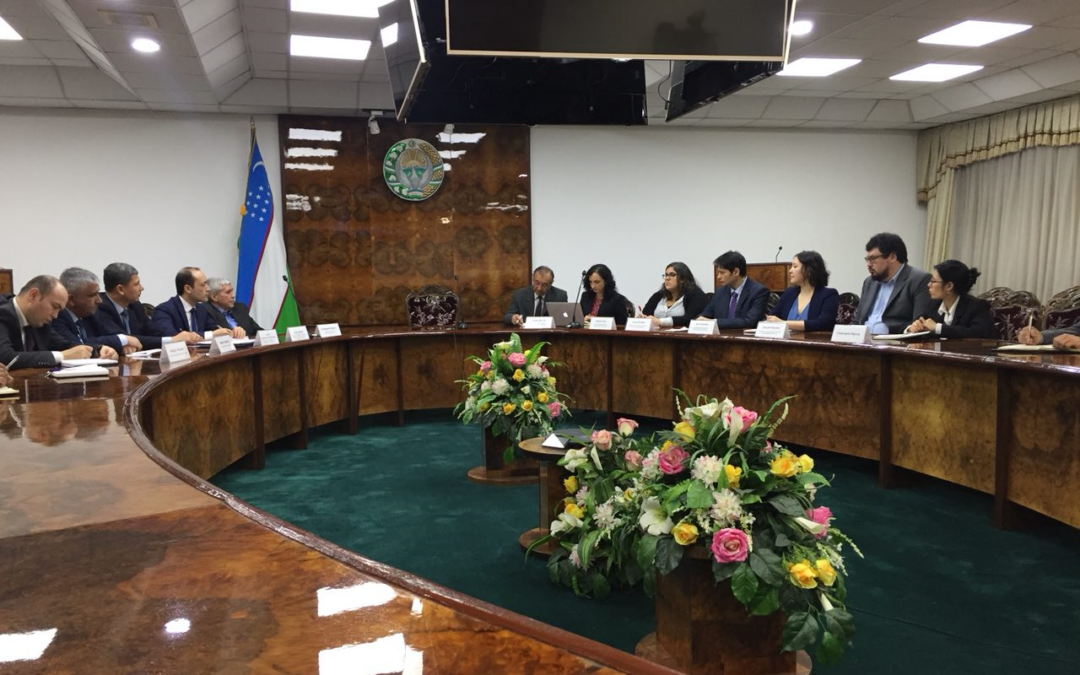
From April 16 to 20, the ICJ is conducting a research mission to Uzbekistan to identify the priority ESC rights issues which will be the focus of its project on access to the economic, social and cultural (ESC) rights (ACCESS project).
During the mission, ICJ experts will meet with key stakeholders, including relevant State bodies, CSOs, legal experts, international organizations in Uzbekistan and other actors to discuss legal and practical aspects of ensuring access to justice for ESC rights.
During the meetings, among others, the following issues will be addressed:
- current legislation ensuring ESC rights in Uzbekistan;
- ongoing and planned reforms in ensuring ESC rights;
- legal protection of ESC rights and barriers to their enjoyment;
- discussion of possible legal, practical aspects related to access to justice in the field of ESC rights.
The ICJ will rely on international standards in the area of ESC rights, in particular, the International Covenant on Economic, Social and Cultural Rights (ICESCR), to which Uzbekistan is a party.
The results of the mission will form a baseline report which will inform the construction and implementation of the ACCESS project.
The ICJ appreciates the facilitation of the Government and of the European Union, which supports the project, in arranging meetings with relevant State institutions.
Contact:
Temur Shakirov, temur.shakirov@icj.org
Apr 16, 2018 | Advocacy, News, Non-legal submissions
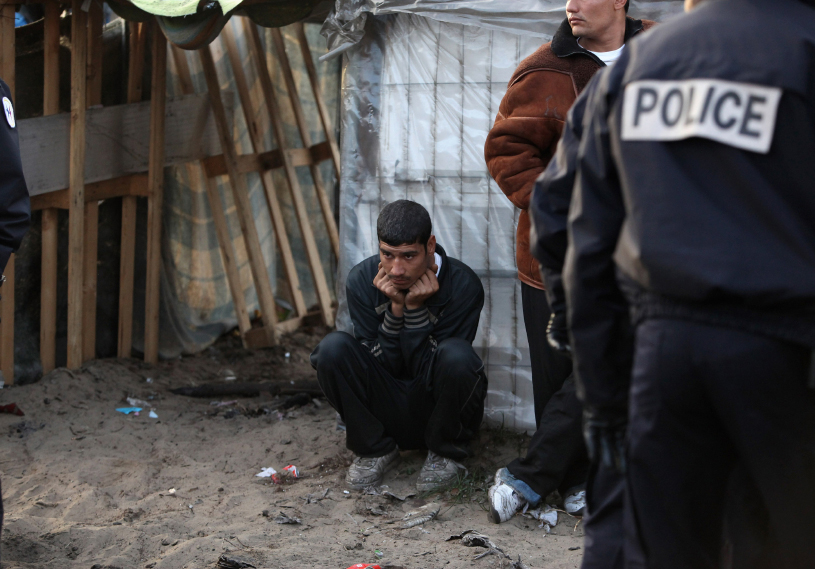
The ICJ and ECRE have presented today to the United Nations Special Rapporteur on the human rights of migrants a submission on access to justice for migrants in Europe.
The submission is an input for the forthcoming report of the UN Special Rapporteur on access to justice for migrants to the UN General Assembly.
The International Commission of Jurists (ICJ) and the European Council on Refugees and Exiles (ECRE) have provided a brief overview of aspects of access to justice for migrants, with a particular focus on asylum seekers and migrant children, in European countries.
The issues dealt with include:
- obstructions to access to justice in relation to access to the territory;
- the undue use of national security exceptions to weaken access to justice in immigration procedures;
- concerns with access to justice in expulsion and detention procedures;
- specific obstacles to access to justice for asylum seekers, including when appealing the rejection of their claims by first instance asylum authorities before a judicial or administrative appeal body;
- specific obstacles to access to justice for undocumented minors.
ICJECRE-NonLegalSubmission-SRMigrants-Access2JusticeEurope4Migrants-2018-ENG (download the submission)

Mar 28, 2018 | Advocacy, Non-legal submissions
The ICJ today submitted a report to the UN Committee against Torture, calling for recommendations to be made on prevention of and accountability for continued recourse to torture and ill-treatment in Tajikistan.
The ICJ’s submission is made ahead of consideration by the Committee against Torture in April to May 2018 of Tajikistan’s third periodic report on the implementation of its obligations under the Convention against Torture and Other Forms of Cruel, Inhuman or Degrading Treatment or Punishment.
The ICJ’s report draws from an earlier study on Achieving Justice for Gross Human Rights Violations in Tajikistan and calls on the Committee against Torture to make recommendations concerning:
- The obligation to adequately sanction torture;
- The obligation to prevent torture and other forms of ill-treatment, including in places of detention;
- The obligation to investigate allegations of torture and ill-treatment;
- The use of amnesties and pardons for torture;
- The prohibition against the use of evidence obtained by torture;
- The right to complain about torture and ill-treatment; and
- The right of victims to effective remedies and reparation.
Tajikistan-CAT-Advocacy-AlternativeReport-2018ENG (download the ICJ’s submission, in PDF)

Mar 22, 2018 | Advocacy, Non-legal submissions
Today, the ICJ together with Forum for Human Rights submitted written information to the Committee against Torture ahead of its examination of the periodic report of the Czech Republic.
The two organisations argue that the Czech Republic violates Articles 2, 14 and 16 of the Convention Against Torture, by not ensuring access to a lawyer for children below the age of 15 (the age of criminal responsibility) in the pre-trial stage of juvenile justice proceedings.
1273 children younger than 15 were part of these pre-trial stage proceedings in the Czech Republic in 2017 without access to procedural guarantees, including legal counsel, unlike children aged 15-18 have under national legislation.
Children below the age of criminal responsibility do not benefit from such procedural rights and therefore, during the police questioning, they are typically left without any legal assistance and presence of a lawyer who neither can deter the police from resorting to ill-treatment or other abuses, nor work as a protection for police officers in case they face unfounded allegations of ill-treatment.
This situation constitutes a violation of the obligation to prevent torture or acts of cruel, inhuman or degrading treatment or punishment which do not amount to torture under Articles 2 and 16 of the CAT. Additionally, the Czech Republic fails to ensure access legal counsel for the purposes of an effective remedy under Article 14 of the CAT.
The joint submission aims to inform the 63rd session of the Committee Against Torture in April-May 2018 during which the Sixth periodic report of the Czech Republic will be examined.
Read the full joint submission here:
Czech-Republic-Joint-writteninformation- against-torture-2018-ENG (Full text in ENG, PDF)