Apr 12, 2013 | News
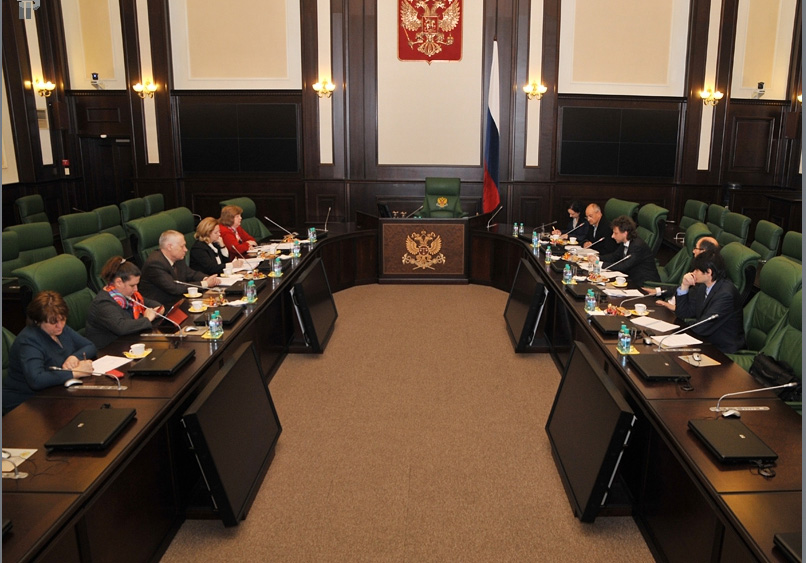
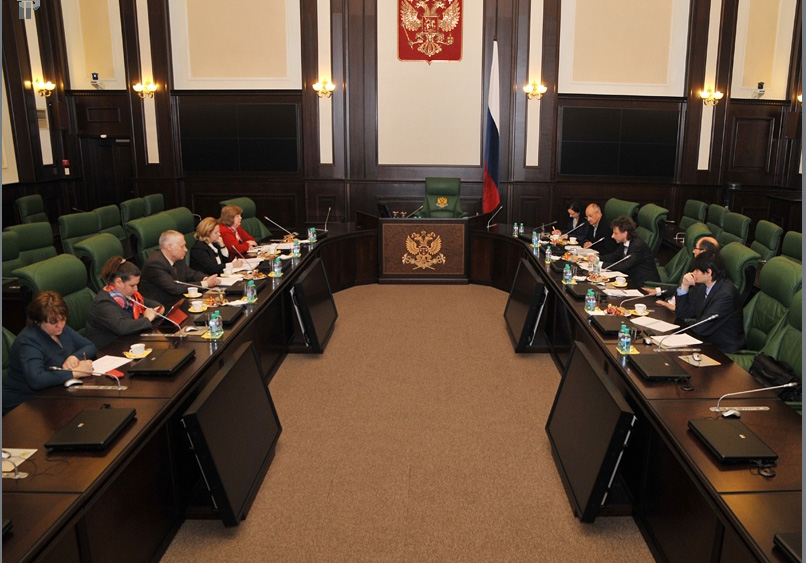 On Monday 15 April, the ICJ will hold a roundtable seminar with judges of the Russian Federation’s highest courts, on disciplinary action against judges in the Russian Federation.
Apr 8, 2013 | News
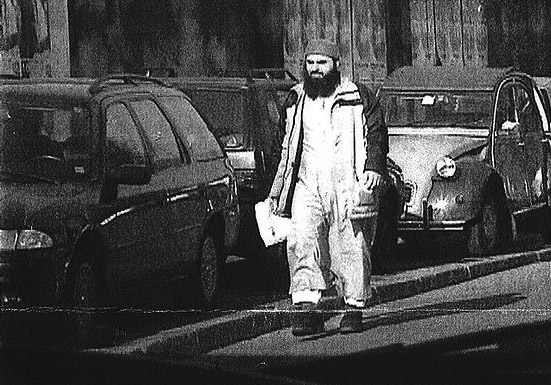
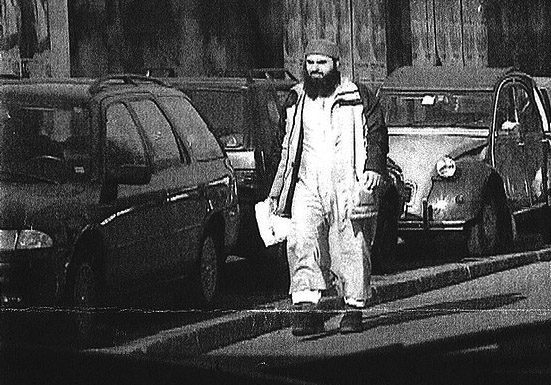 The ICJ today expressed its deep concern at the decision of the President of the Republic of Italy to pardon Colonel Joseph L. Romano III, following his conviction by an Italian court for complicity in the rendition of Osama Moustafa Hassan Nasr, also known as Abu Omar (photo).
“This pardon deals a serious blow to the rule of law and to accountability for CIA renditions and secret detentions, a system which involved torture, enforced disappearances, arbitrary and secret detention and other serious crimes under international law,” said Massimo Frigo, Legal Adviser with the ICJ Europe Programme. “Italy stood honourably as the only country where an effective prosecution had been brought against CIA and Italian agents responsible for crimes under international law committed through the CIA rendition programme. This pardon deletes, in a single stroke of the pen, years of relentless efforts of prosecutors, investigators and lawyers to assure accountability for these crimes under international law.”
The ICJ emphasized that the pardon granted by the Italian President of the Republic, Giorgio Napolitano, in his last weeks of office, defeats the efforts of the judiciary to uphold the State’s international law obligations to investigate, prosecute and bring to justice those responsible for gross violations of human rights.
“By nullifying the effects of years of efforts of the Italian judicial system, this pardon seriously undermines Italy’s action against impunity and weakens the very foundations of the rule of law,” Frigo added. “The fact that the President of the Republic justified this action by raising the “peculiarity of the historical moment” of 9/11, thus suggesting that a kind of state of exception for the rule of law could have existed, is an unacceptable position under international law.”
The ICJ deeply regrets this decision of the President of the Republic to use his prerogative of pardon to prevent accountability for such an egregious violation of the rule of law in name of US-Italian diplomatic relations.
The ICJ condemns this pardon and stresses that it must not constitute a precedent and that other convictions in this case must not be nullified by pardons or amnesties. All European countries must uphold their duty fight against impunity for gross violations of human rights.
Any further circumvention of accountability for perpetrators of renditions or other gross human rights violations would only extend the cloak of impunity over the rule of law in Europe.
Contact:
Massimo Frigo, Legal Adviser, ICJ Europe Programme, massimo.frigo(a)icj.org
PR-Italy-RenditionPardon-2013-eng (english version)
PR-Italy-RenditionPardon-2013-ita (italian version)
Apr 2, 2013 | News
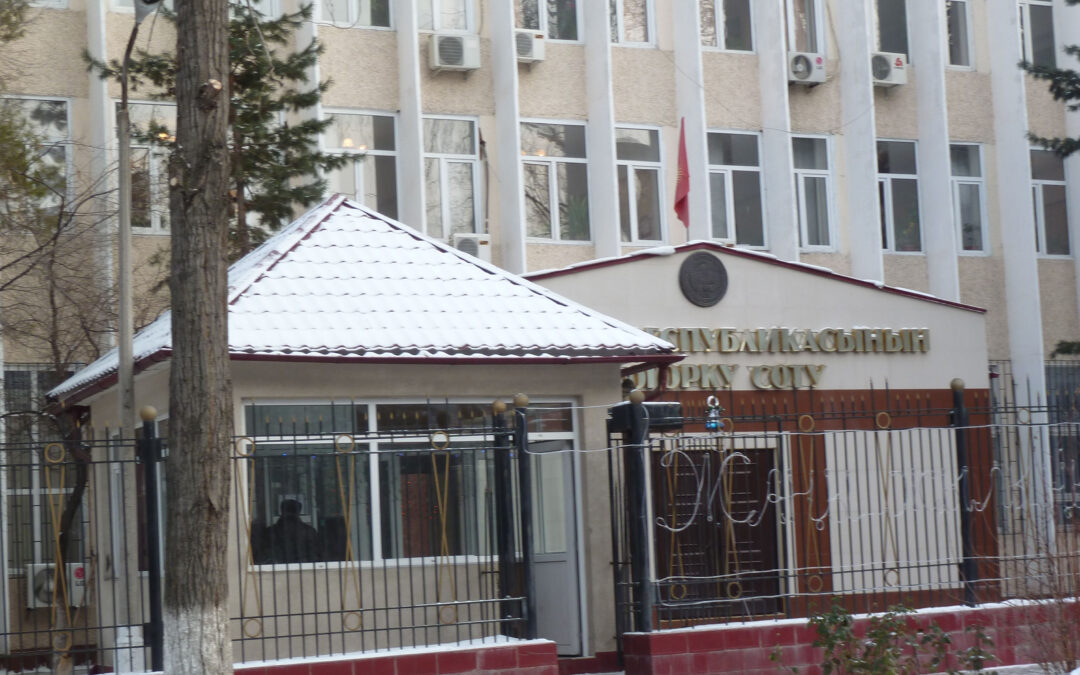
The ICJ today expressed serious concern at the physical assault of lawyers Tatiana Tomina and Ulugbek Usmanov at a Supreme Court hearing in Bishkek this morning.
The ICJ called on the Kyrgyzstan authorities to take effective measures to protect the physical security of lawyers as well as all other parties in court proceedings, and to hold accountable those responsible for today’s attacks.
The assaults took place during the Supreme Court hearing in the case against Shamshidin Niyazaliyev, who was recently acquitted of charges relating to the outbreak of widespread ethnic violence in the South of Kyrgyzstan in June 2010. During the hearing, several persons present in the courtroom subjected the two lawyers and the mother of Shamshidin Niyazaliyev to beatings. No immediate steps were taken by the Court to prevent the beatings, which continued for several minutes before security officers intervened.
“There has been a pattern of serious attacks on lawyers in Kyrgyzstan, but this is the first time that the authorities have failed to guarantee the security for lawyers at the Supreme Court”, Róisín Pillay, Director of the ICJ Europe Programme said today. “These attacks violate the international obligations of the Kyrgyz authorities to ensure the security of lawyers and to protect the right to a fair trial. No justice is possible unless all the parties to the judicial process are fully protected and lawyers are able to discharge their functions without harassment, or attack”.
International standards, including the UN Basic Principles on the Role of Lawyers, require that “where the security of lawyers is threatened as a result of discharging their functions, they shall be adequately safeguarded by the authorities”.
It is now essential for the credibility of the judicial system that today’s assaults are thoroughly and independently investigated and that those responsible are brought to justice, the ICJ emphasised.
According to lawyer Tatiana Tomina, the attacks began when about 15 men and women started insulting, pushing and punching the lawyers as they walked into the courtroom. The defendant’s mother, the only apparent supporter of the defendant allowed into the Court, was kicked and punched in the head. When the defence lawyers began to read a statement, several women attacked Tatiana Tomina and attempted to take documents from her by force. The panel of presiding judges did not attempt to prevent the beatings and security officers only appeared after several minutes had passed. Tatiana Tomina and the mother of the defendant were able to escape through the back door of the court. However Ulugbek Usmanov was unable to escape and suffered more serious injuries.
The Court adjourned the hearing for two hours. After the hearing resumed, only a few security persons were present in the courtroom and the defendant’s mother did not attend this part of the hearing. Following five minutes of deliberations the Supreme Court overturned the earlier acquittal.
Reportedly, at the hearing, defence statements were constantly interrupted, lawyers were insulted and prevented from speaking in defence of their clients and the Court refused to call any of the five witnesses of the defence. In her comments to the ICJ, lawyer Tatiana Tomina stated: “[i]n three years nothing has changed either in terms of the attitude towards lawyers or in terms of the investigation of criminal cases, which has not improved at all.” The ICJ has previously raised concerns at violence against lawyers in cases related to ethnic disturbances in the south of Kyrgyzstan in 2010.
CONTACTS
Róisín Pillay, Director, ICJ Europe Programme, roisin.pillay@icj.org
Temur Shakirov, Legal Adviser, ICJ Europe Programme, temur.shakirov@icj.org
ICJ condemns assaults on lawyers in Supreme Court (Full Text in Russian, PDF)

Apr 2, 2013 | Advocacy, News, Non-legal submissions
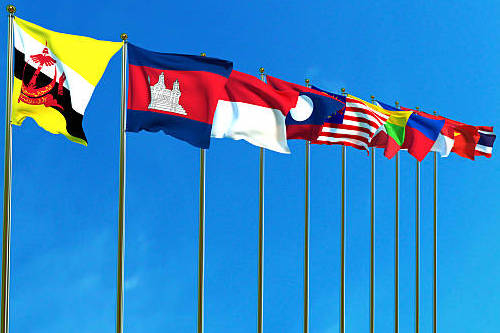
The ICJ, Amnesty International and the AIRE Centre submitted written comments on the draft EU accession agreement to the European Convention on Human Rights.
The ICJ, Amnesty International and the AIRE Centre have submitted written observations, on the occasion of the last meeting of the 47+1 Group in charge of the negotiations on the accession of the European Union to the European Convention on Human Rights. The observations focussed on issues of jurisdiction, responsibility, and on the mechanism of co-respondence in cases involving the EU.
EUAccessionECHR-Paper-Joint-2013 (download the paper)
Photo credit: © Yanni Koutsomitis (the author of the picture has no involvement in nor does support this submission)
Mar 27, 2013 | Agendas, Events
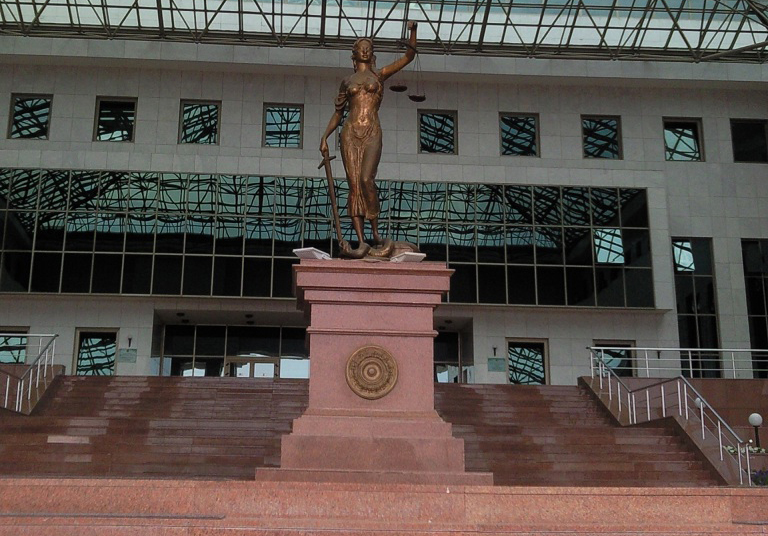 Lawyers from all five Central Asian countries participate in the seminar (28-29 March 2013) to discuss the independence of bar associations and problems faced by lawyers in working independently and effectively.
This ICJ roundtable seminar, organized in cooperation with the Central Asian League of Lawyers and to be held in Almaty, Kazakhstan, will address issues including the self-governance and organization of bar associations, their relationships with state bodies, lawyers and the public, entrance to the legal profession, lawyers’ codes of ethics, and disciplinary proceedings against lawyers.
It will also discuss problems faced by lawyers in criminal cases, in both the pre-trial and trial stages, and incidents of harassment or intimidation of lawyers.
Europe-CIS-ICJ Seminar Central Asia-event-agenda-2013 (full text in pdf)