Sep 29, 2012 | News
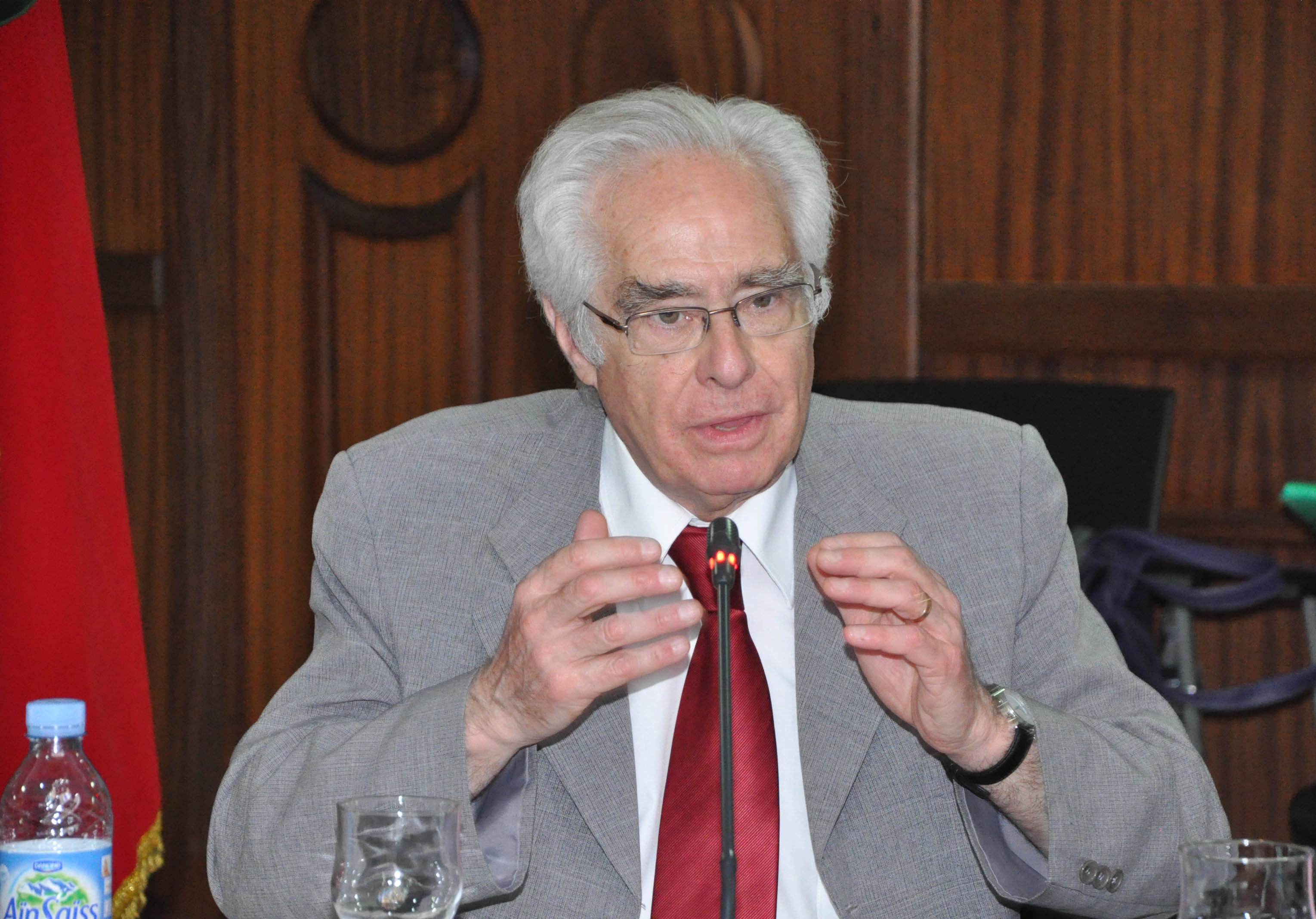 During three days, from September 26 to 28, 2012 in Rabat, the ICJ ESCR Programme and the MENA Regional Programme organized two events in collaboration with the OMDH (Organisation Marocaine des Droits Humains).
ICJ Commissioner Mr. Roberto Garreton supported the three-day programme. The first two days were dedicated to a workshop gathering 30 representatives of human rights NGOs, service providers, consumer protection groups, lawyers and academic experts.
The participants were trained and had discussions on the opportunities, the challenges and the remedies that the Moroccan legal and institutional framework offers to individuals and groups seeking justice for violations.
Discussions also concerned the legal reforms undertaken in the country and how they will impact the ability for victims of human rights violations to access justice.
The participants particularly welcomed the workshop setting and focus that brought together a variety of groups working in relevant areas.
On the third day, 28 September 2012, a symposium attended by civil society actors, lawyers and academia as well as by members of the judiciary and of the Conseil National des Droits de l’Homme was the opportunity to discuss the role of judges in the realization of economic, social and cultural rights.
The two events are part of a project that will involve further research and consultation on access to justice for ESCR in close collaboration with national civil society.
Background of the Workshop
With national projects such as the one in El Salvador, the ICJ programme on Economic, Social and Cultural Rights aims at contributing to improve accountability for human rights violations and access to justice for all, including for victims of threats against and violations of economic, social and cultural rights.
The ICJ has embarked on research processes at national level to identify obstacles and opportunities for access to justice, as well as on consultation and collaboration processes with national allies to define strategies to address gaps.
Depending on the needs identified, the ICJ will support the implementation of recommendations and steps that includes trainings and legal interventions.
May 31, 2012 | News
The ICJ called upon the Moroccan authorities to comply with international law and remove the blanket immunity contained in the draft law 01-12 on the “Fundamental Guarantees for the Members of the Royal Armed Forces”.
The draft law, in particular Article 7, attempts to guarantee members of the Moroccan armed forces absolute immunity from criminal prosecution for operations carried out under the orders of a superior within the national territory.
It also requires the State to protect members of the armed forces from prosecution as well as from public criticism or condemnation.
The ICJ is deeply concerned that the law attempts to grant immunity for all serious crimes prohibited by international law that might be committed by the Members of the Royal Armed Forces under the orders of their superiors, including war crimes, crimes against humanity, acts of genocide, torture and enforced disappearances.
The law also does not provide for any legal measures against superiors when their orders violate the law.
“The draft law violates Morocco’s obligations under international law, which prohibits any immunity from legal proceedings in respect of crimes under international criminal law, including gross human rights violations”, whether the perpetrators act under orders from a superior officer or independently”, said Alice Goodenough, Legal Adviser for ICJ’s Middle East and North Africa Programme. “The draft law 01-12 should be amended to ensure that those who carry out or participate directly in committing crimes under international law, as well as those who have command responsibility, are held criminally responsible for such conduct.”
The ICJ is concerned that over the past fifty years, Moroccan armed forces and other security services have acted with impunity, unaccountable to either the courts or Parliament.
They have enjoyed effective immunity from any legal proceedings over their role in the human rights violations documented in the 2005 report of the Moroccan Truth Commission (the IER), including unlawful killings, summary executions, enforced disappearances, arbitrary detentions, and torture and other ill-treatment, the ICJ notes.
“This draft law, if adopted, will institutionalize the impunity that has prevailed over past and present human rights abuses in Morocco,” Goodenough added. “Moroccan authorities must refrain from adopting this law or any other measures that foster or contribute to impunity.”
Contact:
Alice Goodenough, Middle East & North Africa Legal Adviser, t +41 22 979 3811; e-mail: alice.goodenough(at)icj.org
Nov 23, 2007 | Advocacy, Non-legal submissions
 This is the ICJ Submission to the Human Rights Council Universal Periodic Review on Morocco, published on 20 November 2007.
Jul 7, 2006 | News
 The Eminent Jurists Panel on Terrorism, Counter Terrorism and Human Rights concluded its sub-regional hearing in Morocco today.