Aug 29, 2014 | News
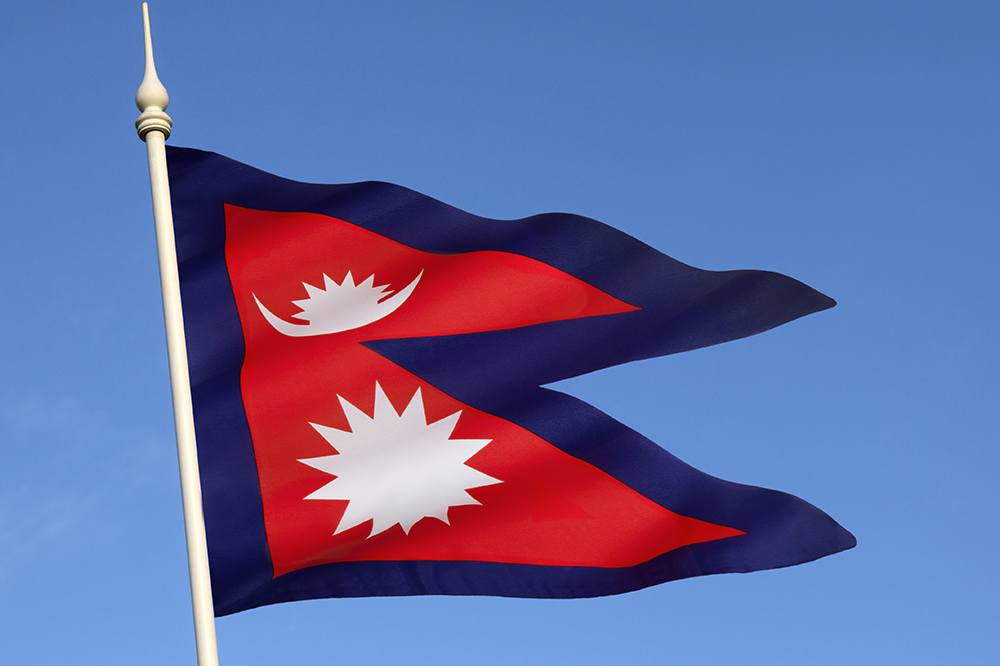
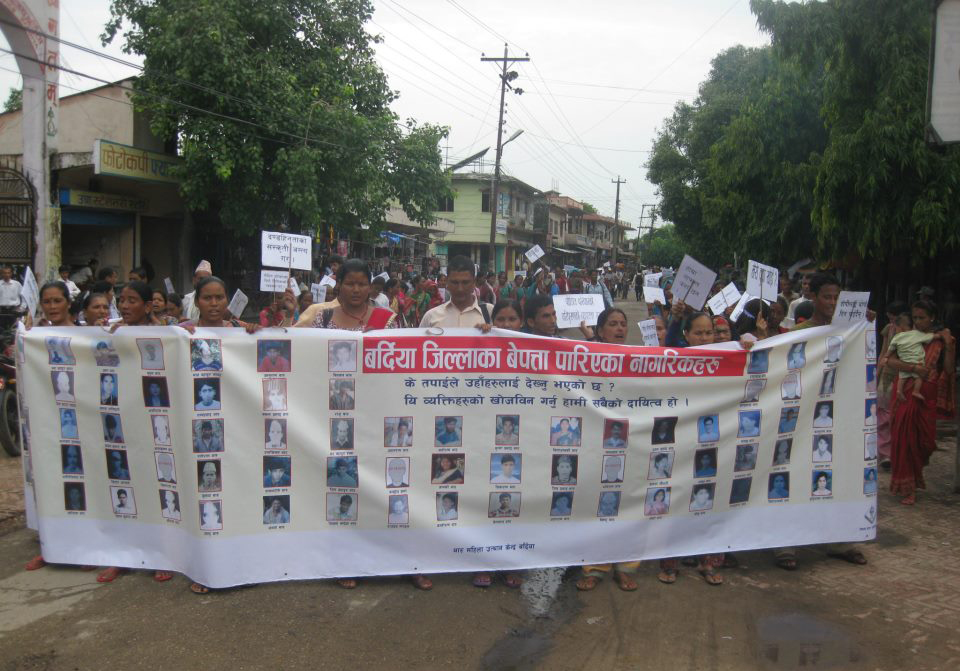
On the eve of the annual International Day of the Victims of Enforced Disappearances, the ICJ once again calls on the Nepali authorities to provide justice to the hundreds of victims of enforced disappearances committed during the decade-long armed conflict.
Aug 12, 2014 | Events
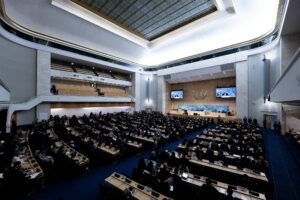
Matt Pollard and Alex Conte, of the ICJ’s International Law and Protection Programmes, will give presentations during the Global Consultation on the Right to Challenge the Lawfulness of Detention, to be held in Geneva on 1-2 September 2014.
The UN Working Group on Arbitrary Detention, in cooperation with the Office of the UN High Commissioner for Human Rights, will convene the Consultation. The aim of the two-day meeting is to seek input on the development by the Working Group of draft basic principles and guidelines on remedies and procedures on the right of anyone deprived of his or her liberty, by arrest or detention, to bring proceedings before court, in order that the court may decide without delay on the lawfulness of his or her detention and order his or her release if the detention is not lawful.
ICJ experts, Matt Pollard and Alex Conte, will be members of two panel discussions during the Global Consultation, respectively on the framework, scope and content of the right to court review of detention and on exercise of that right in situations of armed conflict, state of emergency or for counter-terrorism purposes.
The ICJ has already made two written submissions to the Working Group on Arbitrary Detention on the subject, in November 2013 and April 2014.
Go to the OHCHR webpage on the Global Consultation
See the ICJ’s written submissions to the Working Group on Arbitrary Detention
Jul 9, 2014 | News
The Nepal government should immediately fix crucial flaws in the Truth and Reconciliation Commission (TRC) Act, particularly those highlighted in a new United Nations evaluation, the ICJ and other rights groups said today.

Jun 20, 2014 | Events
The ICJ’s International Legal Adviser, Reema Omer, participated in a panel discussion on ‘Rule of Law in Bangladesh’, convened on 19 June 2014 in the margins of the Human Rights Council’s 26th regular session in Geneva.
The event was co-sponsored by the Asian Legal Resource Centre, CIVICUS, FIDH, OMCT and Human Rights Watch and was moderated by Mr Mandeep Tiwana, Head of Policy and Research for CIVICUS. Panelists included Mr Adilur Rahman Khan, Secretary of Odhikar; Mr M.D. Ashrafuzzaman, Urgent Appeals Programme Coordinator of the Asian Legal Resource Centre; Mr Gerald Staberock, Secretary General of OMCT; and Ms Reema Omer, International Legal Adviser of the ICJ’s Asia Pacific Regional Programme.
The ICJ’s intervention focussed on the incompatibility of the Bangladesh Information and Communication Technology Act 2006 (ICTA) and its 2013 amendments with international human rights law and standards. Based on the ICJ’s briefing paper on the ICTA from November 2013, and referring to recent cases, Reema Omer highlighted how the Act and its amendments amount to an assault on the freedom of expression and a stifling of public discourse. Her intervention also spoke of the judiciary’s responsibility to prevent such attacks on freedom of expression.
Bangladesh-ICT-Brief-2013 (download the ICJ’s briefing paper on the ICTA)
ICJ press release of 20 November 2013 concerning the ICTA
May 21, 2014 | News
The Supreme Court of Thailand today rejected hearing crucial phone evidence in the case against five police officers who have been accused of subjecting prominent Thai lawyer Somchai Neelapaijit to enforced disappearance in Bangkok on 12 March 2004.

![Smoke rises after an Israeli air strike on the village of Taybeh in southern Lebanon [Source: Al Jazeera]](https://www.icj.org/wp-content/uploads/2026/03/Screenshot-2026-03-20-at-15.56.24-300x200.png)