Jul 10, 2008 | News
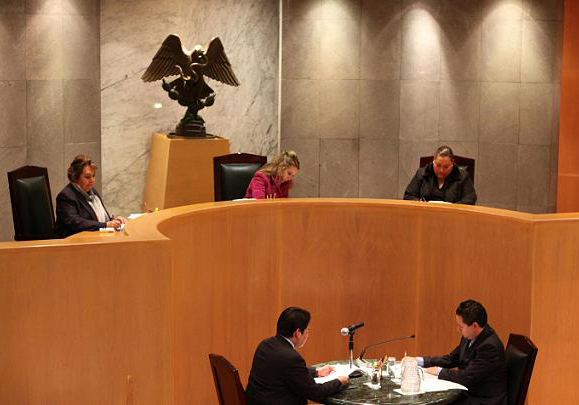
Una misión de expertos nacionales e internacionales visitó la ciudad de Oaxaca para recabar información sobre la administración de justicia en el estado, con especial atención a la independencia del Poder Judicial.

Jun 2, 2008 | News
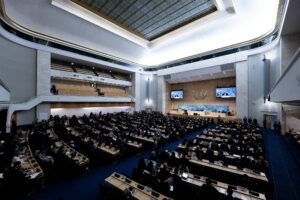
The ICJ said today at the Human Rights Council that all States should use their interaction with experts on extra-judicial executions, independence of judges and lawyers, torture and business and human rights.
This is not just to review their mandates to better address the major rights’ challenges, but also to demand accountability and end impunity for the perpetrators of persistent human rights violations in Zimbabwe, Tibet and Myanmar, the ICJ added.
HRC-States should strengthen judicial independence-Press releases-2008 (full text, word)
Jun 2, 2008 | News
” The Six leaders of the Baha’i faith in Iran, who were arbitrarily arrested in Tehran in May 2008 and are being held incommunicado, must be released immediately or legally charged with a recognisable offence,” said the ICJ.
Read the full press release here

May 7, 2008 | News
En el marco de una visita a la región, la CIJ firmó un convenio de cooperación con el Consejo de Ministerios Públicos Centroamericano.

Apr 26, 2008 | News
In the past three weeks alone there have been reports of wide scale and systematic violence (including cases of torture) of supporters of the Movement for Democratic Change (MDC) in post election political retribution.
The Zimbabwe Association of Doctors of Human Rights (ZADHR) reported treating over 452 people who had been assaulted or tortured by militias operating with the acquiescence of the state security agents or together with such agents.
At least 10 people are known to have also been extra judicially executed in politically motivated violence perpetrated by the governing party, ZANU-PF. Thousands have been internally displaced and remain without access to adequate food and other social necessities.
Zimbabwe-gravitates towards chaos-Press releases-2008 (full text, PDF)

![Smoke rises after an Israeli air strike on the village of Taybeh in southern Lebanon [Source: Al Jazeera]](https://www.icj.org/wp-content/uploads/2026/03/Screenshot-2026-03-20-at-15.56.24-300x200.png)