May 30, 2026 | Advocacy, Publications
The International Commission of Jurists (ICJ) and its partners have published a new report, Left to Discretion: Child Victims with Disabilities in the Criminal Justice Systems in Austria, Romania and Serbia, examining how the three justice systems respond to the rights and needs of child victims with disabilities in criminal proceedings.
Dec 30, 2025 | Advocacy, News
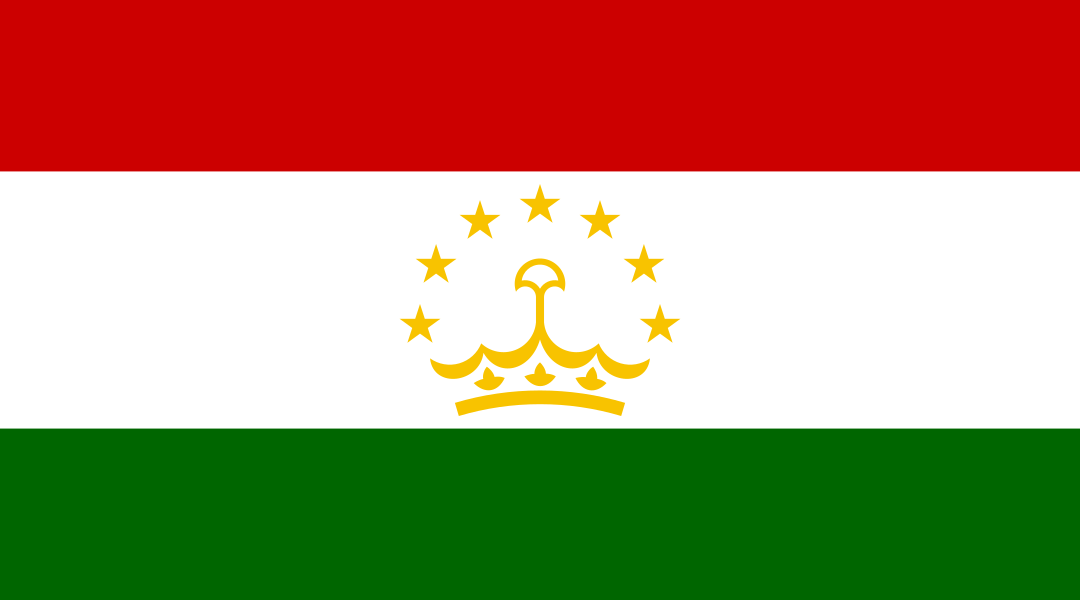
Gender-based violence (GBV) remains a serious and persistent human rights concern in Tajikistan, a report published today by the International Commission of Jurists (ICJ) finds. While laws and policies have been adopted, many survivors continue to face an environment in which violence against women is underreported and insufficiently addressed, with limited legal remedies and accountability.
Jan 19, 2024 | News
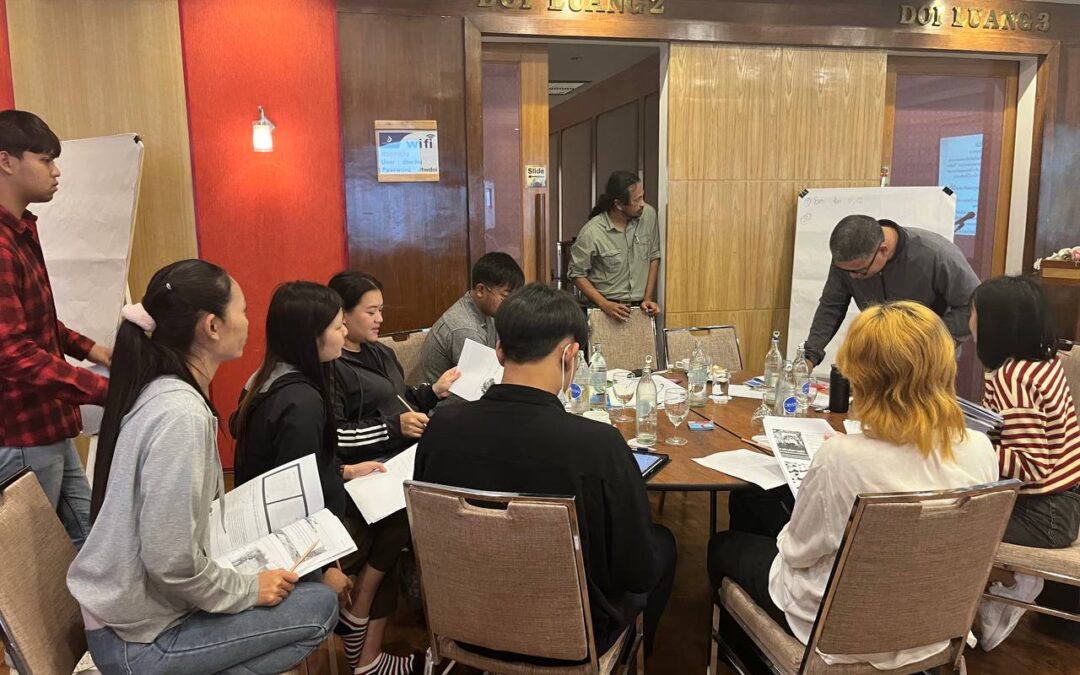
On 15-16 January 2024, the International Commission of Jurists (ICJ), in cooperation with ARTICLE 19, organized a workshop in the province of Chiang Mai where over two dozen civil society actors and human rights defenders considered how to invoke and apply international law and standards related to land. The goal was to advocate for better protection of the human rights of affected individuals and communities across Thailand.
“Access to, use of, and control over land can have direct and indirect implications for the enjoyment of a range of human rights, particularly those under the International Covenant on the Economic, Social and Cultural Rights (ICESCR) to which Thailand is a party,” said Seree Nonthasoot, Member of the United Nations Committee on Economic, Social, and Cultural Rights (CESCR).
Thailand has a long-standing track record of failing to meet its human rights obligations related to land, especially concerning Indigenous Peoples, peasants, and other traditional communities, many of which have a material and spiritual relationship with their ancestral lands. Violations include the failure to ensure the security of tenure and meaningful and effective participation of communities in land-related decision-making processes.
Large-scale forced evictions conducted in violation of international law, inadequate and inconsistent compensation provided to affected communities and individuals due to land-related policies, and displacement of entire communities that are consequently struggling to access livelihoods without adequate support from the State have also been reported.
“When the social, cultural, spiritual, economic, environmental, and political value of land for communities is systematically disregarded by domestic law, international law and standards become important tools for victims and civil society to use in their advocacy for the protection of human rights. International mechanisms also offer crucial avenues for exposing serious human rights violations and seeking accountability,” added Sanhawan Srisod, ICJ’s Legal Adviser.
The workshop aimed to build participants’ documentation skills, strengthen their advocacy and promote networking. Further, the training explored different approaches and the benefits of engaging with UN human rights mechanisms for the protection of human rights in relation to land. The workshop provided a space for participants to discuss how civil society actors can utilize the outputs of these mechanisms in their activities, as well as how to effectively communicate with such mechanisms to ensure that their engagement is strategic and productive.
Background
Speakers included:
- Pairoj Ponpesh, Adviser, National Human Rights Commission of Thailand
- Pratubjit Neelapaijit, National Human Rights Officer, OHCHR’s Regional Office for Southeast Asia
- Sanhawan Srisod, Legal Adviser, ICJ
- Seree Nonthasoot, Member of the United Nations Committee on Economic, Social, and Cultural Rights
Unofficial translations of key CESCR’s jurisprudences into Thai were also provided and shared with the participants. These included:
For more information regarding the legal framework, policies, and practices related to land in the context of the establishment and development of special economic zones (SEZs) against international law and standards, available in English and Thai.
Contact:
Sanhawan Srisod, Associate International Legal Adviser, ICJ Asia Pacific Programme; e: sanhawan.srisod@icj.org
Jan 12, 2024 | News
The ICJ is concerned about attempts by powerful actors in Guatemala, including the Office of the Attorney General, to subvert the transfer of executive presidential authority to President-elect Bernardo Arévalo de León, who is due take office on 14 January 2024.
The ICJ calls on all State authorities and private parties to respect the Rule of Law and desist from interference in the process of transition and to cease efforts to revoke or make ineffective the results of the 2023 presidential elections.
“The democratic system in Guatemala is at stake. It is shocking that the attempts against the electoral process come from representatives of State institutions that have a legal duty to uphold democracy and human rights,” said Santiago Canton, ICJ Secretary General. “Members of the Office of the Attorney General, Congress, and the judiciary have acted in total disregard of Guatemala’s international obligations. In particular, Article 1 of the Inter-American Democratic Charter establishes the right of the peoples of the Americas to democracy and the duty of governments to promote and defend democracy,” added Canton.
On 20 August 2023, Bernardo Arévalo de León and Karin Herrera Aguilar of the “Movimiento Semilla” party were elected President and Vice-President respectively for the 2024-2028 presidential term. Their victory was certified by the Guatemalan Supreme Electoral Tribunal. Prior to and after the election, there were multiple attempts by the Office of the Attorney General and other authorities to disrupt the presidential election process. The European Parliament and the Organization of American States (OAS) have condemned and characterized certain of these efforts as an “attempted coup d’état”.
The Office of the Attorney General, led by María Consuelo Porras Argueta, has played a leading role in these attempts through the arbitrary use of its prosecutorial powers. Among other actions, the Office of the Attorney General has opened unwarranted and spurious criminal investigations and issued of arrest warrants and search warrants against justices and staff members of the Supreme Electoral Tribunal, President-elect Arévalo, Vice-President-elect Herrera, members of the “Movimiento Semilla” party, members of civil society organizations, academicians, and students.
The Office of the Attorney General has also expressly cast doubt on the legitimacy of the 2023 presidential election process. At a press conference on 8 December 2023 a chief prosecutor, José Rafael Curruchiche Cucul, claimed that the Supreme Electoral Tribunal “made a mockery of Guatemalans” and was involved in “violating the country’s democracy”. He also affirmed that the Attorney General’s Office’s view was that the 2023 elections should be annulled.
A number of judges have contributed to the arbitrary use of the criminal law to the detriment of the rule of law in Guatemala. On 8 January 2024, the Seventh Criminal Court Judge, Fredy Raul Orellana Letona, filed a petition before the Supreme Electoral Tribunal to execute an order for the provisional suspension of the legal personality of the “Movimiento Semilla” party. Orellana has also demanded a criminal investigation against staff members of the Supreme Electoral Tribunal.
In November and December 2023, the Guatemalan Congress and the Supreme Court of Justice engaged in legal proceedings aimed at waiving immunity from criminal prosecution of some justices of the Supreme Electoral Tribunal.
The lawful transfer of power is intrinsically linked to the respect for the rule of law and the exercise of human rights and fundamental freedoms, including the right to participate in political and public life, including through voting and standing for elections. These rights are guaranteed by international instruments to which Guatemala is a State party, such as the International Covenant on Civil and Political Rights, the American Convention on Human Rights, and the Inter-American Democratic Charter. Consequently, the ICJ recalls that the Guatemalan authorities are bound by international obligations under these instruments.
The ICJ also calls on engaged States and the international community to act to ensure that the Guatemalan authorities uphold of the rule of law, human rights, and the democratic system. If necessary, Member States of the OAS should trigger the application of Article 20 of the Inter-American Democratic Charter in the event that President-elect Arévalo is obstructed from assuming office.
Background information
The 2023 presidential election took place in a context of widespread impunity for serious human rights violations over the course of decades, reliable allegations of co-option of judicial bodies, widespread institutional corruption, and attacks against members of civil society organizations and political parties, as documented by multiple instances, including the Inter-American Commission on Human Rights (IACHR). In the case of justice officials (judges and prosecutors), the UN High Commissioner for Human Rights has expressed his concern about “the growing number of criminal cases brought against justice officials” and the “intimidation, harassment, prosecution and persecution of those fighting for accountability for human rights violations, including work on corruption cases”.
There have been numerous actions apparently aimed at undermining the integrity of the presidential election process by the Attorney General and prosecutorial authorities. In addition to the incidents mentioned above, on 16 November 2023, the Office of the Attorney General issued 31 search warrants and 27 arrest warrants against activists, students, academics, a member of the Semilla Movement, and human rights defenders. Among those targeted was the human rights lawyer Ramón Cadena, who had previously denounced irregularities committed by the Office of the Attorney General. The charges were related to their participation in the 2022 protests against the election of the rector of the San Carlos University. On the same day, the Attorney General’s Office also alleged that President-elect Arévalo and Vice-president elect Herrera were involved in the “violent” protests seeking political advantage. For the purported participation in the protests, the Attorney General’s Office announced that it would request that President-elect Arévalo, Vice-President elect Herrera, and other members of their party be stripped of their immunity from prosecution.
On 14 December 2023, the Constitutional Court handed down an amparo action in which it exhorted Congress to preserve the democratic regime and to take all measures to ensure the peaceful transfer of power on 14 January 2024. In addition, the Court enjoined all Guatemalan authorities to “act in accordance with their functions for the effectiveness and proper completion of the final stage of the electoral process”. On 11 January 2024, the Constitutional Court also granted a “protection order” in favour of the Vice-President-elect Herrera. The Court ordered all judicial authorities not to issue or grant any arrest warrant against Herrera without waiving immunity from prosecution.
The 2023 electoral situation has been the subject of grave concern of international instances, including the European Union and the Organization of American States. In this connection, the IACHR granted precautionary measures in favour of Arévalo and Herrera on 24 August 2023. The precautionary measures considered Arévalo’s allegations of death threats, harassment, a smear campaign, and illegal surveillance.
On 11 December 2023, the IACHR adopted “Resolution 03/2023, Instrumentalization of the Justice System and Serious Risks for the Rule of Law in Guatemala”. The IACHR stated that Guatemala was experiencing a “serious political and institutional crisis” due to “the unwarranted and arbitrary actions and interference of the Attorney General’s Office, which are endangering the results of this year’s General Election”.
Jan 12, 2024 | Advocacy, News
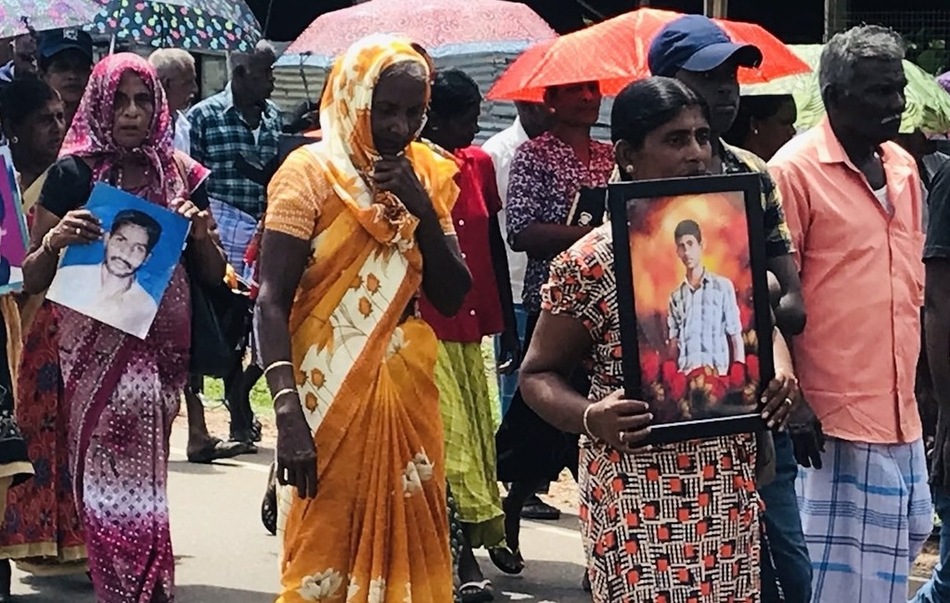
The ICJ considers the government’s proposed bill to establish a Commission for Truth, Unity and Reconciliation unlikely to advance accountability for perpetrators and justice for victims and survivors of the 26-year-long armed conflict that ended in 2009 and involved widespread atrocities.
The ICJ is concerned that the lack of consultation with victim communities and the continued neglect of their demands deprive the Bill of legitimacy.
A draft Bill on Commission for Truth, Unity and Reconciliation was gazetted on 1 January 2024, to establish the Commission, amidst a climate of impunity for past human rights violations and abuses and intimidation of victim communities in the North and East of the country.
“Considering the repressive political climate in Sri Lanka, and the absence of the conditions that are necessary to ensure the success of the proposed Commission for Truth, Unity and Reconciliation, the Bill appears to be more of a legislative manoeuvre aimed at deflecting the attention of the Human Rights Council and removing Sri Lanka from further scrutiny rather than a genuine accountability measure.” said Melissa Upreti, ICJ’s Asia Director.
The Bill suffers from a lack of transparency regarding the consultation process and non-acceptance by victim communities.
If adopted, it would empower the Attorney-General to prosecute cases where the Commission makes a finding of responsibility for an offence. The ICJ is concerned that in the past the Attorney-General’s office has assumed potentially conflicting dual roles of legal advisor for the State and prosecutor of offences allegedly committed by State officials. The ICJ has previously noted how the Department had mishandled cases relating to serious human rights violations and abuses which has contributed to a climate of mistrust. The ICJ recalls that the years since the end of the conflict have been marked by near total impunity for conflict era crimes, owing to the failure of the Attorney-General’s Department to act to hold to account those responsible for serious crimes under international law.
The Bill provides that appointments to the Commission will be made by the President upon the recommendation of the Constitutional Council. The ICJ has previously noted that the governing party holds a majority in the Constitutional Council and that a majority of members are parliamentarians with only three members appointed from outside. Further, a representative of the smaller political parties (including parliamentarians representing the North and East) is yet to be appointed to the Council. The ICJ is concerned that these arrangements are conducive to creating a Commission that lacks independence and may be subjected to political pressures and considerations in carrying out its work. The situation is exacerbated by the Constitutional Council approving the appointment of the current Acting Inspector General of Police who had in December 2023 been held directly responsible for torture by the Supreme Court of Sri Lanka.
The Bill would further authorize the proposed Commission to seek the assistance of the police to conduct investigations and liaise with the National Authority for the Protection of Victims of Crime and Witnesses, which in turn depends on the police to provide support for the protection of victims and witnesses. However, a number of police officials have allegedly been responsible for recent cases of torture and ill-treatment and extra judicial killings. The government’s failure to initiate thorough and impartial investigations into these cases and to bring perpetrators to justice has deepened the public’s mistrust of the police and prosecuting agencies.
Successive UN Human Rights Council Resolutions on Sri Lanka have called for the establishment of transitional justice mechanisms with the active participation of all stakeholders, including women who have been at the forefront in leading victim demands for accountability, particularly for cases of enforced disappearance. Yet, protesting mothers and female family members of the disappeared are routinely detained, intimidated or put under surveillance and their voices suppressed.
The Bill lacks also provisions that are gender responsive and makes the establishment of mechanisms and procedures to address women’s concerns discretionary.
Existing transitional justice institutions such as the Office of Missing Persons (OMP) and the Office for Reparations have been ineffective. As underscored by the UN Office of the High Commissioner for Human Rights, the OMP has failed to earn the trust of victims and their representatives. As recently observed by the High Commissioner, there has been little to no development regarding cases of past human rights violations and abuses.
“The victims of Sri Lanka’s 26-year armed conflict, replete with atrocities, have been forced to wait too long to learn the truth about their loved ones and to be granted justice. When the UN Human Rights Council considers a new resolution on Sri Lanka later this year, it must avoid blind acceptance of Sri Lanka’s flawed transitional justice process and institutions and adopt an approach that genuinely puts the interests of victims and survivors first,” added Upreti.
Background
The draft Bill provides for the establishment of the Commission with a Head Office based in Colombo and Regional Offices as necessary (clause 2). The Commission will have between seven to twenty-one members, who are to be appointed by the President upon recommendation by the Constitutional Council (clause 3). The term of the Commissioners is five years (unless removed earlier) and the President can extend their term on an yearly basis for an additional two years (clause 9). The Commission may conduct public or closed sittings as necessary (clause 7).
The stated objectives of the Commission are to investigate, inquire and make recommendations in respect of complaints or allegations or reports relating to damage or harm caused to persons or property, loss of life or alleged violation of human rights which occurred during the conflict in the Northern and Eastern Provinces between 1983 to 2009 or connected to such period or its aftermath and has a mandate to promote truth telling and make recommendations for reparations, and non – recurrence (clause 12). If it appears to the Commission that an offence under any Sri Lankan law has been committed it may refer the matter to the relevant law enforcement or prosecuting authorities for further investigation and necessary action (clause 13 (zd)). The Commission does not have the mandate to determine civil or criminal liability of any person (Clause 16 (1)) and instead the onus is on the Attorney-General to institute criminal proceedings regarding an offence in Court based on material collected by the Commission (clause 16 (2)).
The Bill also provides for the establishment of a Victim and Witness Protection Division (clause 28) and a Data Management Division (clause 29). The Commission may also appoint any mechanisms and procedure to address requirements related to women, children, persons with disabilities and disadvantaged groups and advisors relating to specific issues (clause 30).
The Bill also provides for the appointment of an advisory panel to advise the Commission on matters referred to the Panel (clause 32). This panel is to consist of a minimum of ten members appointed by the President on the Commission’s recommendation. Clause 39 of the Bill states that within one month of the interim report of the Commission being published the President shall appoint a monitoring committee to implement the findings of the report. Clause 40 states that such Committee be comprised of 11 members, of which six members are to be recommended by the Constitutional Council while the others are members ex-officio. Ex-officio members include the Secretaries of the Ministries of Defence, Justice, Law & Order, Finance, Public Administration & Women, Child Affairs and Social Empowerment or their nominees. The Committee is expected so submit bi-annual plans evaluating the implementation of recommendations of the TUR Commission and other previous Commissions of Inquiry.
Clause 49 of the Bill states that the Commission can defer its investigation regarding any disappearance of a person/s if requested to do so by the OMP until such time it can be resumed without compromising inquiries conducted by the OMP.
In September 2023, the ICJ joined eight other international human rights organizations in expressing their grave reservations about the proposed Truth, Unity and Reconciliation Commission and setting out prerequisites to be addressed before appointing any new Commission. The concerns relate to Sri Lanka’s legacy of failed commissions, lack of a conducive environment and confidence building efforts, lack of meaningful consultations with victim communities, the failure of domestic transitional justice institutions, and the blocking of prosecutions. None of these concerns have been addressed to date, which bring into question the newly proposed Commission’s likelihood of serving as an effective mechanism for accountability.