Jan 19, 2018 | News
The ICJ today condemned the executions of 22 civilians during the past month, following death penalty cases before military courts in which fair trial guarantees appear to have been flagrantly violated.
The Egyptian authorities should establish an immediate moratorium and halt all pending executions with a view towards the total and permanent abolition of the death penalty, the ICJ added.
“The executions of these civilians constitute blatant, egregious violations of the right to life by the Egyptian authorities,” said Said Benarbia, ICJ MENA Director.
“Carrying them out based on military trials, which furthermore failed to scrupulously observe international fair trial standards, amounts to the arbitrary deprivation of life,” he added.
Based on information provided by the defendants’ lawyers and families, Egyptian NGOs have reported a litany of fair trial violations that marred these proceedings.
These included the case of a defendant who was convicted following one trial session, in the absence of his counsel.
It also included instances involving enforced disappearances and allegations of torture and other ill-treatment, some of which were documented in the prosecution reports.
In one case the defendants’ lawyers filed a motion to “review the case” under article 448 of the Code Criminal Procedure which should normally suspend the carrying out of any sentence of execution.
The executions were nevertheless carried out on 9 January, before the Military Court’s review, which was due on 28 February 2018.
“The Egyptian authorities have brushed aside the most basic legal safeguards on the imposition and carrying out of the death penalty,” Benarbia said.
“Because they cannot ensure respect of fair trial rights, they must impose an immediate moratorium on executions.”
Under international standards, proceedings in death penalty cases must conform to the highest standards of judicial independence, competence and impartiality, and must strictly comply with all fair trial rights.
The ICJ has previously documented how the Egyptian judiciary fails to conform to these standards.
Contact
Saïd Benarbia, Director of the ICJ Middle East and North Africa Programme, t: +41.22.979.3817, e: said.benarbia(a)icj.org
Egypt-Executions-News-2018-ARA (Arabic translation in PDF)
Background
International standards recognize the particular concerns with judicial independence and impartiality that arise in relation to the trial of civilians by military courts.
Accordingly, the jurisdiction of military courts should be limited to military personnel in cases of strictly military offences, i.e. alleged breaches of military discipline.
The above-mentioned cases involved civilians and allegations of ordinary offenses, including theft, rape, and murder (including murder of military officers).
Particularly in these circumstances, there could be no justification for these cases to have been adjudicated before military courts and the ICJ considers that this factor in itself renders the executions in violation of the right to life.
The ICJ furthermore opposes the death penalty in all circumstances as a violation to the right to life and to the prohibition of cruel, inhuman or degrading treatment or punishment.
The cases in question were: Case No. 411/2013 before the Ismailiya Criminal Military Court (15 executions in 26 December 2017), case No. 22/2015 before Tanta Criminal Military Court (4 executions in 2 January 2018) and case No. 93/2011 before the Ismailiya Criminal Military Court (3 executions in 9 January 2018).
Jan 15, 2018 | News
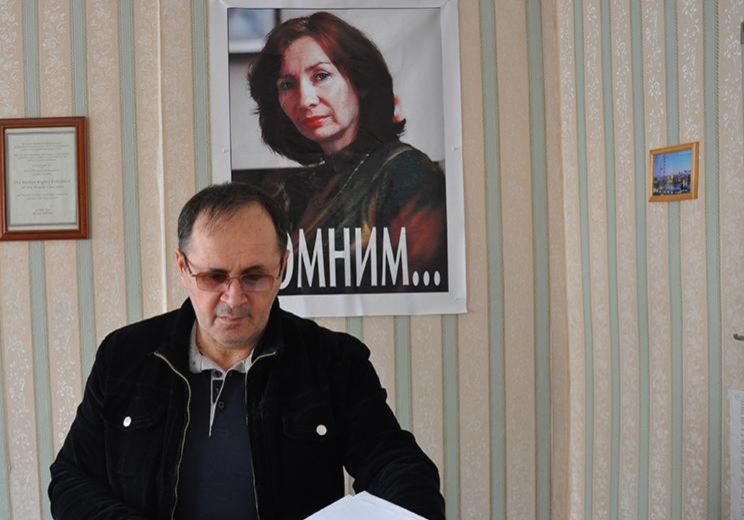
The ICJ is concerned at allegations that the recent arrest and detention of Oyub Titiev, the head of the Chechen branch of the Russian human rights organisation Memorial, were carried out as retaliation for his human rights activity.
The ICJ is particularly concerned at the more recent reports that family members of Oyub Titiev have had to leave Chechnya for security reasons following threats.
The ICJ calls on the Russian federal and local authorities to conduct a prompt, thorough and independent investigation into allegations that criminal charges against Oyub Titiev have been fabricated by police.
Oyub Titiev should be immediately released pending the outcome of this investigation, and measures should be taken to protect his security and that of his family.
On 9 January 2018, at 10.30, according to an official statement of the Ministry of Interior of Chechnya, Oyub Titiev’s car was stopped near Kurchaloy town to check his documents.
During a search of his car, a plastic bag with approximately 180 grams of a substance identified as marijuana was allegedly found.
Titiyev was charged with possession of a large quantity of narcotics under article 228 of the Criminal Code of the Russian Federation. However, he has stated that the narcotics were planted and has filed a complaint with the Prosecutor’s Office to initiate an investigation into these allegations.
Oyub Titiev, the head of Memorial in Chechnya, is one of very few human rights defenders who continue their work in Chechnya despite significant obstacles and threats.
He took over this position following the murder of the former head of Memorial in Chechnya, Natalya Estemirova in 2009.
In accordance with Article 2(a) of the Declaration on Human Rights Defenders (Declaration on the Right and Responsibility of Individuals, Groups and Organs of Society to Promote and Protect Universally Recognized Human Rights and Fundamental Freedoms), human rights defenders have a right to conduct human rights work individually and in association with others.
Under the same Declaration, States have a duty to take all necessary measures to ensure the protection of everyone against any violence, threats, retaliation, adverse discrimination, pressure or any other arbitrary action as a consequence of his or her legitimate activities as a human rights defender.
Threats of violence and the falsification of evidence by public officials constitute crimes under the Russian Criminal Code. Reliance in criminal proceedings on evidence falsely planted by the police or other State actors would violate international human rights law including fair trial guarantees under the UN Covenant on Civil and Political Rights and the European Convention of Human Rights.
Attacks on human rights defenders working in an extremely difficult human rights environment such as that of Chechnya, or attacks on their family members, have a chilling effect on work to defend human rights there. If further such attacks are to be prevented, individuals responsible for them must be brought to justice through a fair procedure, the ICJ stressed.
Dec 18, 2017 | Multimedia items, News, Video clips
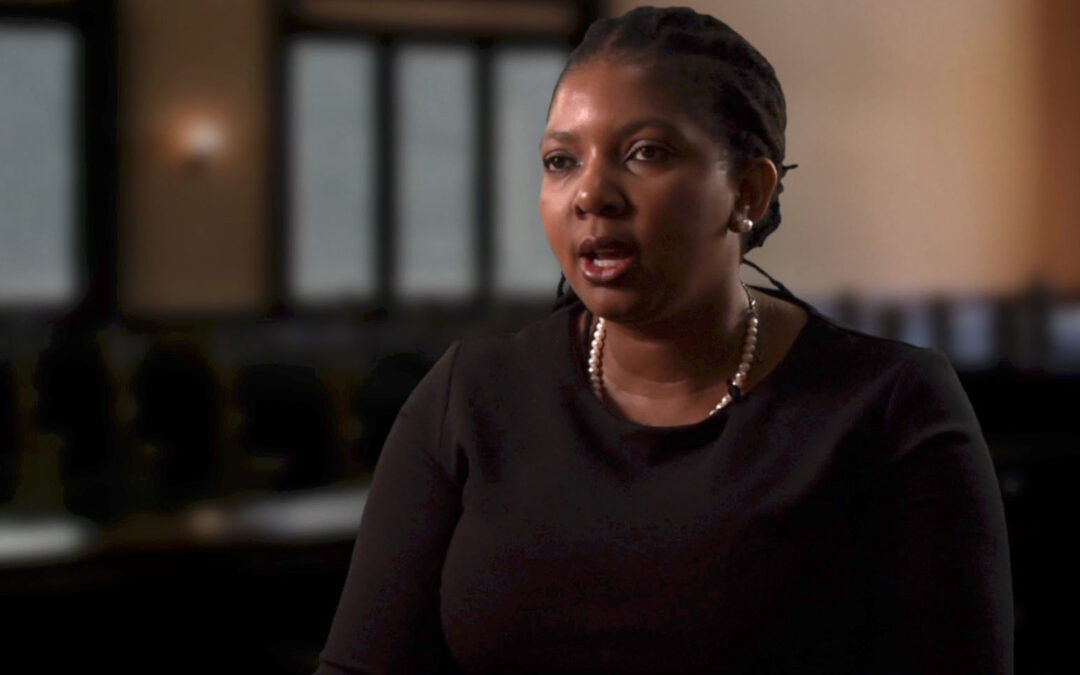
Raquel Yrigoyen Fajardo, Karabo Ozah and Charles Dinda talk about traditional justice systems in video interviews recorded at the 2017 ICJ Geneva Forum.
Dr. Raquel Yrigoyen Fajardo, Lawyer and Professor at the Law Faculty of the Pontifical Catholic University of Peru, and founding member of the International Institute on Law and Society (IIDS), describes the survival and contemporary recognition of justice systems of indigenous peoples in the Americas, despite the history of colonial domination.
She argues that indigenous justice systems often already reflect many international human rights standards, and where there may be discrepancies change should be sought through respectful engagement and consultation rather than coercive imposition.
In contrast, Ms Karabo Ozah, Deputy Director of the Centre for Child Law at the University of Pretoria in South Africa, argues that it is crucially important to ensure that customary and traditional courts respect domestic legislation and international standards on human rights.
Otherwise she warns, based on her experience, customary courts too frequently fail to protect the rights of marginalized groups, children, LGBTI, and women.
Charles Dinda, Senior Legal Adviser with the Danish Institute for Human Rights in Zambia, points out that while traditional and customary justice institutions are the most easily accessible and in many respects most credible institutions for some populations, their decisions are too often inconsistent or unfair.
To avoid this, he insists on the importance of understanding and studying the way these systems operate and on the need to engage with them to learn about their practices and to build their capacities so that they have better knowledge of international human rights standards and indeed of the national laws in the countries where they operate.
Watch the interview with Dr. Raquel Yrigoyen Fajardo
Watch the interview with Karabo Ozah
Watch the interview with Charles Dinda
NOTE:
The views expressed by the participants do not necessarily reflect those of the ICJ.
For more information about the 2017 Geneva Forum on Customary and Traditional Justice Systems, click here or contact matt.pollard(a)icj.org .
Dec 12, 2017 | News
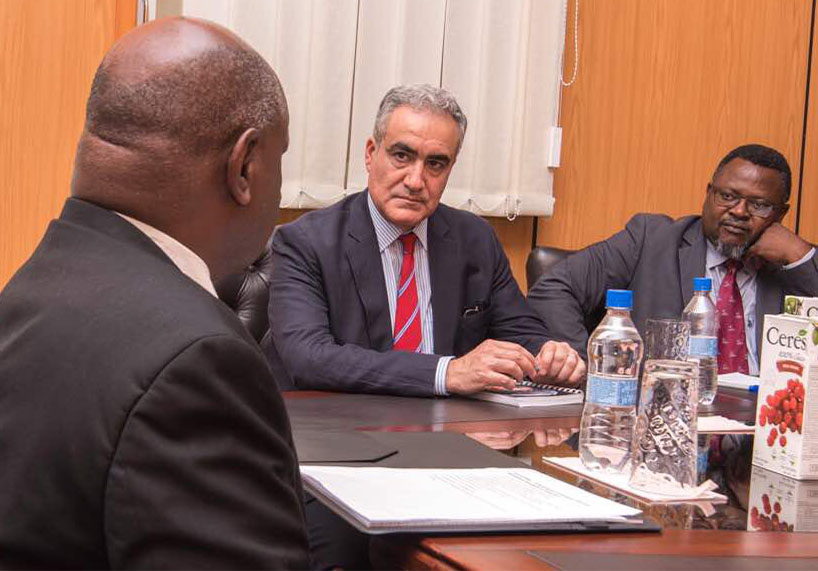
Zimbabwe’s new government must urgently restore the rule of law and ensure free and fair elections, said the ICJ at the conclusion of a visit by its Secretary General Sam Zarifi to the country.
After the recent military intervention in Zimbabwe that led to the ouster of former President Robert Mugabe, the government headed by Emmerson Mnangagwa is expected to remain in office until new elections, currently scheduled to be held before August 2018.
“The change in leaders in Zimbabwe presents an opportunity to reverse decades of damage to the rule of law and respect for human rights in the country,” said Zarifi, ICJ’s Secretary General.
“As an immediate matter, the new government must take concrete steps that demonstrate it is committed to observing the country’s obligations under international law, as well as the human rights protections of Zimbabwe’s own constitution,” he added.
The ICJ calls on the government of Zimbabwe to:
- ensure free and fair elections are held as scheduled, and the country’s electoral laws comply with the Constitution and international standards;
- accelerate measures to ensure compliance of all relevant laws with the country’s constitution and its international legal obligations;
- ensure the independence of the judiciary and the legal system;
- ensure all those arrested and detained during the military intervention are identified and brought immediately before an independent and impartial tribunal, and, where charged with recognized crimes, are given fair trials;
- investigate all allegations of unlawful deaths, torture or ill-treatment, and arbitrary arrest and detention;
- ensure the military acts within strict legal bounds, operates under civilian control, and does not engage in arrest and detention of civilians;
- ensure all security forces, including the police and the military, are subject to accountability and receive proper and adequate training in performing their duties in conformity with international human rights standards; and
- provide credible mechanisms to combat corruption in all branches of government, and ensure that anti-corruption efforts are not politicized.
“Zimbabwe’s military has played a central role in the country’s affairs for decades, while civilian institutions have suffered under intense political pressure, at great cost to the people of the country,” Zarifi said.
“Zimbabwe should grasp this opportunity to demonstrate that it can and will strengthen the rule of law and respect for human rights in order to improve the lives of all people in the country.”
Contact
Arnold Tsunga, ICJ-Director: Africa Regional Programme, t: +27716405926, e: arnold.tsunga(a)icj.org
Dec 11, 2017 | News
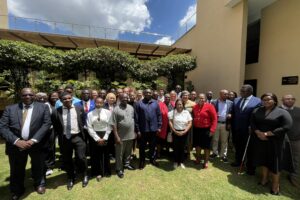
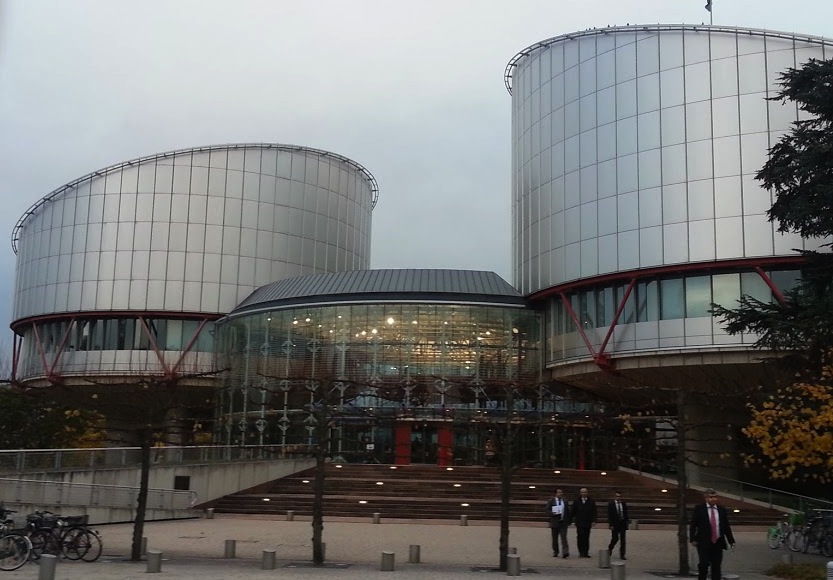
Discussions on the future of the European human rights system should focus on effective national implementation of human rights obligations and should protect the Court from undue political pressure, the ICJ and other NGOs said today.
The ICJ and other human rights NGOs that participated in the High-Level Expert Conference ‘2019 and Beyond: Taking Stock and Moving Forward from the Interlaken Process’, held in Kokkedal, Denmark from 22-24 November 2017, commended the Danish Chairmanship of the Council of Europe for its stated commitment to involving civil society throughout the process leading up to the adoption of a political Declaration on the European Convention on Human Rights’ system in April 2018.
The NGOs believe that the anticipated Copenhagen Declaration should emphasize:
- The need for enhanced measures at the national level to prevent and address violations of the Convention rights – in particular to remedy systemic and institutional problems – and to implement the Court’s judgments.
- The need for the Committee of Ministers to take more effective action to support and ensure thorough and prompt execution of judgments, through individual and general measures.
- The importance of nominating the most- qualified candidates as judges of the Court.
- That it is a fundamental principle of the rule of law that the Court should be free from political interference.
The NGOs urged the Danish Chairmanship and all Member States to refrain from any reforms that would place undue pressure on the Court in its interpretation and application of the Convention. Any undermining of established jurisprudential principles, such as the dynamic interpretation of the Convention, must be rejected.
Europe-NGO statement on ECHR reform-News-web story-2017-ENG (full story in PDF)