Jun 18, 2021 | Agendas, Events, News
On 22 June, the ICJ, Human Rights Watch, the Cairo Institute for Human Rights Studies, the Center for Reproductive Rights and the International Planned Parenthood Federation, with the co-sponsorship of the Kingdom of Spain, organize an online event on the 10th anniversary of the Council of Europe’s Convention on preventing and combating violence against women and domestic violence (Istanbul Convention).
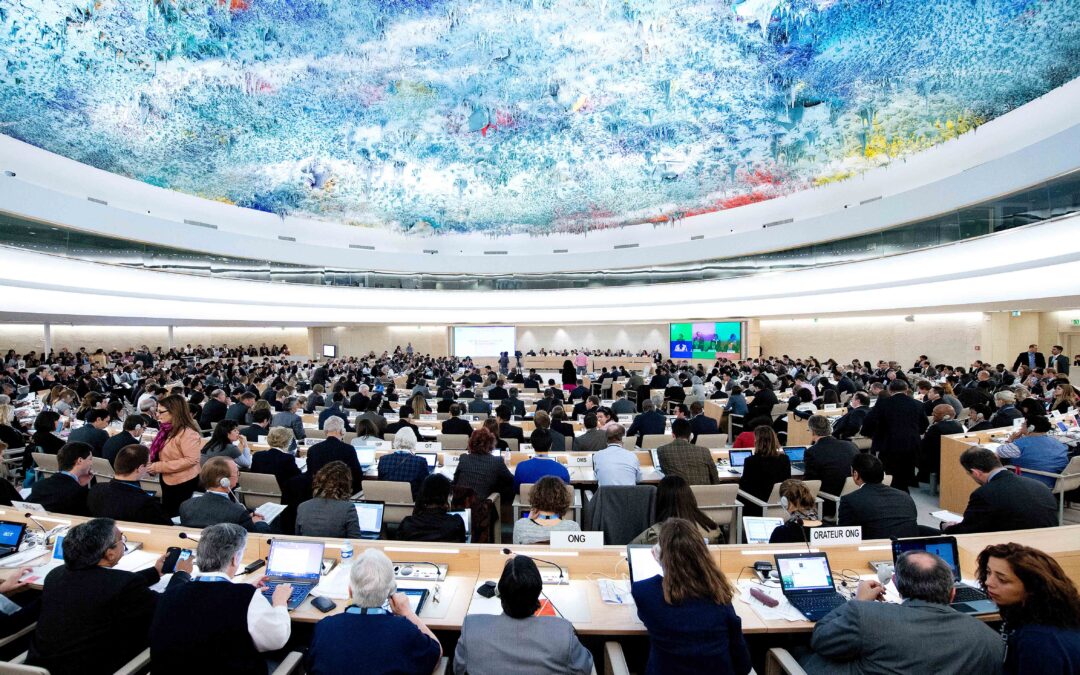
This side event at the margin of the 47th regular session of the UN Human Rights Council has convened expert speakers to illustrate the situation of human rights protection to combat and prevent violence against women in Europe, how the Istanbul Convention has crucially contributed to this goal and the obstacles to its effective implementation.
Preventing and combating violence against women, as well as its causes and consequences, are a priority of the UN Human Rights Council. While UN standards are central to achieving this goal, regional standards have to date provided a key contribution in this field. The Council of Europe’s Istanbul Convention is the most far-reaching international treaty specifically designed to counter violence against women.
On 11 May 2021, the Istanbul Convention turned 10 years old. It is now time to take stock of the achievements that this Convention has contributed to as well as the challenges ahead, including countering the spread of misinformation about the Convention and ensuring states continue to champion its principles and standards.
Women and girls are still suffering the aftermaths of the COVID-19 crisis. The pandemic effects have shown a worrying increase on violence against women. The universalization of the Istanbul Convention is more important than ever because the pandemic has unveiled the “permanent shadow pandemic” that women and girls are suffering around the world.
When: Tuesday June 22nd, 13:00 – 14:00 CEST
Where: Zoom
Language: English
Panelists
- María Isabel Sanchís, Senior Advisor, Office of the Commissioner on Violence against Women of the Government of Spain
- Dubravka Šimonović, UN Special Rapporteur on violence against women, its causes and consequences
- Dame Silvia Cartwright, former Governor General of New Zealand, former CEDAW member, Commissioner of the International Commission of Jurists
- Professor Feride Acar, former chairwoman of CEDAW and GREVIO
- Hillary Margolis, Senior Researcher, Women’s Rights Division, Human Rights Watch
Moderator Massimo Frigo, UN Representative, ICJ
To confirm your participation and receive connection details, please RSVP to Massimo Frigo, email: Massimo.Frigo@icj.org .
Event-Invitation-Side Event-IstanbulConvention-UN-HRC47-final-2021-eng (download the event leaflet)

May 26, 2021 | Advocacy, Non-legal submissions
At a UN dialogue on counter-terrorism, the ICJ warned States and UN institutions against the use of overbroad and ill-defined concepts in the 7th revision of the UN Global Counter-Terrorism Strategy, because they could breach the principle of legality and undermine protections under international human rights law.
The ICJ intervened today in the virtual two-day dialogue with human rights and civil society partners on the theme of “Building a Better Paradigm to Prevent and Counter Terrorism,” organised by the United Nations Office of Counter-Terrorism (UNOCT) and the Permanent Mission of Spain to the United Nations.
The Dialogue brings together Member States, UN entities, human rights representatives, women groups, youth and civil society actors, as well as experts and other stakeholders for a practical exchange of views on how to address terrorism and violent extremism while safeguarding and promoting human rights, in particular the rights of women, children and victims of terrorism.
The ICJ Statement reads as follows:
“Madam Special Rapporteur, Your Excellencies, Colleagues,
Thank you very much for the organizing this consultation.
The International Commission of Jurists has been working for decades to ensure that counter-terrorism measures are compliant with, and do not lead to violations and abuses of human rights and the rule of law.
The ICJ has produced authoritative guidance, such as the ICJ Berlin Declaration on Upholding Human Rights and the Rule of Law in Combating Terrorism of 2004 and a four-year study concluded in 2009 by the ICJ Eminent Jurists Panel on Terrorism, Counter-Terrorism and Human Rights, the result of 16 hearings across the globe.
That Panel concluded that the approach many States had taken in short-circuiting foundational rule of law and human rights principles caused “enduring long term harm.”
The ICJ has been insistent that countering terrorism and protecting human rights are important objectives that not only are not in conflict, but are part of a single shield of protection that States must provide for.
This finding is as valid today as it was then, as the Global Counter-Terrorism Strategy itself recognizes that “when counter-terrorism efforts neglect the rule of law … and violate international law … they not only betray the values that they seek to uphold, but they may also further fuel violent extremism that can be conducive to terrorism.”
In this regard, we are concerned at the possible use in the UN Global Counter-Terrorism Strategy of undefined concepts and terms, like “violent extremism”, “violent nationalism”, political concepts of “far right” and “far left” or “extremism”.
The abusive invocation of these terms carries risks for the protection of freedom of expression, freedom of religion and belief, freedom of association and the right to political participation, all protected under international human rights law.
Critically, from a rule of law perspective, legal certainty is a key principle of human rights law that informs the requirement that any legitimate restrictions of human rights including when countering terrorism must be prescribed by law.
Any undefined or widely defined concept of terrorism or extremism should not be promoted or applied in international instruments, standards or strategies, that, where incorporated into national laws and practice, would lead to violations of this international human rights law violations.
In this regard, we share the assessment by the Special Rapporteur on the promotion and protection of human rights while countering terrorism in her 2020 report to the UN Human Rights Council (A/HRC/43/46) and by the OHCHR in its Report on best practices on countering violent extremism (A/HRC/33/29, para. 19).
Concepts like “violent extremism”, nationalism, political opinions and other forms of religious, ethnic, or other belief or opinion, however extreme, cannot be part of the GCTS, as they are otherwise protected by international human rights law guarantees to protect the rights to freedoms of expression, religion or belief, and/or of association.
Furthermore, their insertion would water down the anti-terrorism focus of the strategy and lead the way to the application of very pervasive measures clearly restrictive of human rights for conduct that is not linked to terrorism.
The Global Strategy should focus exclusively on countering terrorism. Any more expansive approach will risk leading to measures in breach of human rights law and, therefore, of the founding values of the UN under article 2 of the Charter.
I thank you.”
(The ICJ Statement is at minute 2:48:21)
ICJStatement-OCTSpainVirtualDialogue-SessionI-final (download the statement)
Contact:
Massimo Frigo, ICJ UN Representative, e: massimo.frigo(a)icj.org, t: +41797499949
Mar 24, 2021 | Advocacy, Non-legal submissions
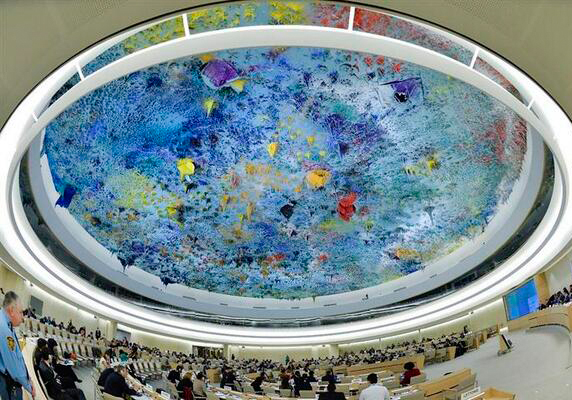
Today, at the close of the 46th regular session of the UN Human Rights Council in Geneva, the ICJ and other NGOs highlighted key achievements and failures.
The joint civil society statement, delivered by International Service for Human Rights (ISHR) on behalf of the group, outlines the main achievements and shortfalls of this last 46th regular session.
In the statement, the undersigned organisation comment on the engagement of civil society in online sessions, welcome the adoption of the resolution on vaccines and of resolutions to sustain scrutiny and accountability including in Belarus, Iran, Myanmar, Nicaragua, Sri Lanka, South Sudan and Syria. The NGOs have underlined the fact thatover 30 States have united in a long-overdue condemnation of Egypt’s misuse of counter-terrorism measures to imprison peaceful critics, and over 40 States raised concern over the shrinking civic space in Russia.
The civil society organisations have urged the Council to take prompt action on Algeria, Cameroon, China, India, and in Kashmir, and for the upcoming session, to set up an international accountability mechanism on the Philippines, and independent monitoring on pushbacks and other violations faced by migrants and refugees.
The statement is endorsed by:
- International Service for Human Rights;
- Franciscans International;
- Egyptian Initiative for Personal Rights (EIPR);
- International Commission of Jurists (ICJ);
- International Movement Against All Forms of Discrimination and Racism (IMADR);
- Asian Forum for Human Rights and Development (FORUM-ASIA);
- African Centre For Democracy And Human Rights Studies;
- International Federation for Human Rights Leagues (FIDH);
- MENA Rights Group;
- International Lesbian and Gay Association;
- Impact Iran;
- Ensemble contre la Peine de Mort (ECPM);
- Siamak Pourzand Foundation;
- Cairo Institute for Human Rights Studies (CIHRS);
- ARTICLE 19;
- CIVICUS: World Alliance for Citizen Participation.
Read the full statement: UN-JointStatement-UNHRC46-Advocacy-EndOfSession-ENG-2021
Contact:
Massimo Frigo, ICJ UN Representative, e: massimo.frigo(a)icj.org, t: +41797499949
Mar 23, 2021 | Advocacy, News, Op-eds
[TOC]By Tim Fish Hodgson, Legal Adviser on Economic, Social and Cultural Rights at the International Commission of Jurists and Rossella De Falco, Programme Officer on the Right to Health at Global Initiative on Economic, Social and Cultural Rights.
Historically pandemics have often catalyzed significant social change. As historian of epidemics Frank Snowden puts it: “epidemics are a category of disease that seem to hold up the mirror to human beings as to who we really are”. At the moment gazing in that mirror remains a regrettably unpleasant experience.
United Nations human rights Treaty Body Mechanisms and Special Procedures, the World Health Organization (WHO), UNAIDS and numerous local, regional and international human rights organizations have produced reams of statements, resolutions and reports bemoaning the human right impacts of COVID-19 and almost every single aspect of the lives of almost all people around the world. The latest being the UN Human Rights Council Resolution adopted today by consensus on “Ensuring equitable, affordable, timely and universal access for all countries to vaccines in response to the coronavirus disease (COVID-19) pandemic”.
Key amongst the human rights law and standards underpinning these analyses is the protection of the right to the highest attainable standard of health, which, certainly for the 171 States Parties to the International Covenant on Economic, Social and Cultural Rights places an obligation on States to take all necessary measures to ensure “the prevention, treatment and control of epidemic, endemic, occupational and other diseases”, and, in the context of access to medicines the right to “enjoy the benefits of scientific progress and its applications”.
Despite these legal obligations, in late February, the UN Secretary General António Guterres felt compelled to highlight the rise of a “pandemic of human rights abuses in the wake of COVID-19”, including, but extending beyond violations of the right to health. The impact of COVID-19 on human rights has, and continues to be, sufficiently ubiquitous that an Indonesian transwoman activist Mama Yuli perhaps captured it best when telling a journalist that she and others in her position were “living like people who die slowly”.
Vaccines for the few, but what about the many?
Disappointingly, however, instead of a symbol of hope of a light at the end of the Coronavirus tunnel, the COVID-19 vaccine has fast become yet another pronounced illustration of the parallel pandemic of human rights abuses described by Guterres. The disastrous state of COVID-19 vaccine production and distribution throughout the world – and even within particular countries where vaccines are available – is now often described by many activists, including significantly the People’s Vaccine campaign, as “vaccine nationalism” and profiteering which has produced a “vaccine apartheid”.
What this means, in human rights language, is that States have often arranged their own affairs in a way that is detrimental to access to vaccines in other countries in spite of their extraterritorial legal obligations to, at very least, avoid their actions that would foreseeably result in the impairment of the human rights of people outside their own territories.
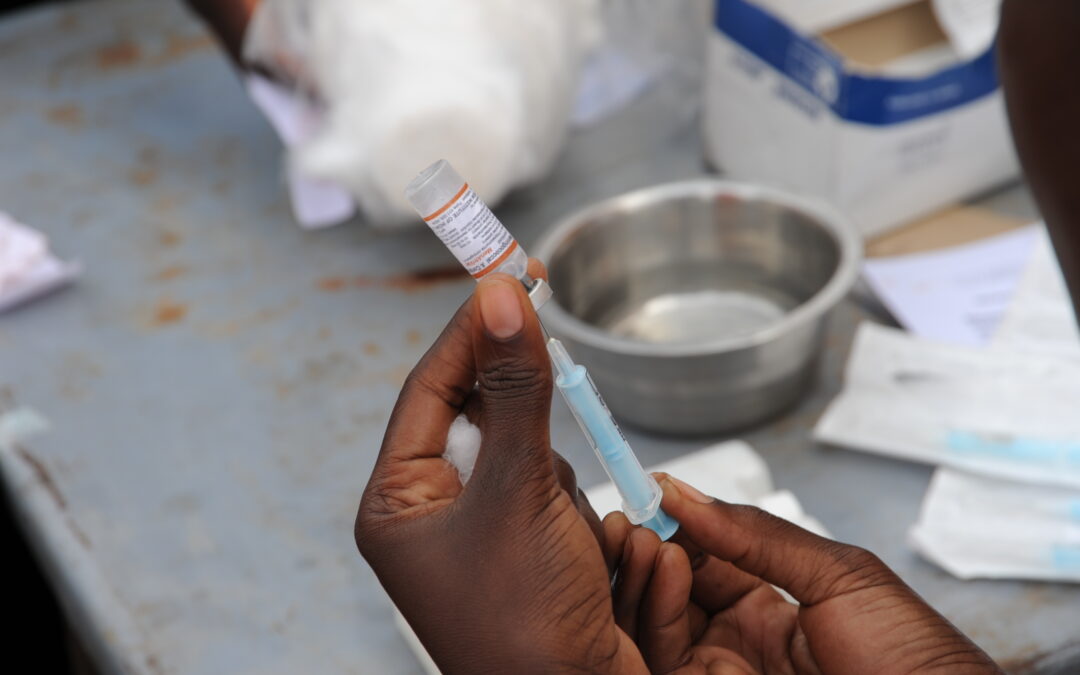
It is worth emphasizing that it has still been only some four months since the first mass vaccination campaigns began in December 2020. At the time of writing, approximately 450 million people had been vaccinated worldwide, while many African nations, for example, had yet to administer a single dose. While in North America 23 COVID-19 vaccine doses have been administered per 100 hundred people, with the number standing at 13/100 in Europe, the ratio decreases dramatically in the Global South with 6.4/100 in South America, 3.8/100 in Asia, 0.7/100 in Oceania and a mere 0.6/100 in Africa.
Vaccines, State Obligations and Corporate Responsibilities
The inadequate and inequitable distribution of vaccines has a variety of causes.
First, is the generally dysfunctional nature of the global health system due to what the UN Committee on Economic, Social and Cultural Rights described in its first statement on COVID-19 as early as April 2020 as “decades of underinvestment in public health services and other social programmes”. The incredible inequities caused by privatization of healthcare services, facilities and goods in the absence of sufficient regulation is well-documented, both in the Global North and the Global South.
Second, are the obstacles to vaccine access created and maintained by States, singly but collectively in the form of intellectual property rights regimes. This is not for a lack of guidance or legal mechanisms to ensure the flexible application of intellectual property protections in favour of the protection of public health and the realization of the right to health. The TRIPS agreement is an international legal agreement concluded by members of the World Trade Organization which sets minimum standards for intellectual property rights protections.
States are specifically permitted to interpret intellectual property rights protections “in the light of the object and purpose of” TRIPS and States therefore retain “the right to grant compulsory licences and the freedom to determine the grounds upon which such licences are granted” in the specific context of public health emergencies. Nor is it the first time that epidemics have necessitated the engagement of flexible arrangements to ensure expeditious, universal, affordable and adequate access to life saving medications and vaccines.
This is why the majority of States and an overwhelming majority of civil society actors have supported South Africa and India’s request that the WTO issue a “waiver” of the application of intellectual property rights for COVID-19 “diagnostics, therapeutics and vaccines”. This request has also been formally supported by a number of independent experts of the UN Human Rights Council of UN Special Procedures, and recently received the emphatic endorsement of the UN Committee on Economic, Social and Cultural Rights. There is already precedent for such TRIPS waivers, with the WTO having already applied a waiver until 2033, for example, for least-developed countries (LDCs), which are exempted from applying intellectual property rules on pharmaceutical products and clinical data.
Disappointingly, however, the ink had barely dried on the issuing of the CESCR’s statement, when, plainly disregarding all of these recommendations, the waiver was blocked by a coalition of wealthier nations, many of whom already have substantial and advanced vaccine access. Importantly, the CESCR’s recommendations were not just made on vague policy grounds, but as the best way to fulfill States’ clear legal obligation in ICESCR that, “production and distribution of vaccines must be organized and supported by international cooperation and assistance”.
The recently adopted Resolution of the UN Human Rights Council, led by Ecuador and States of the Non-Aligned Movement and adopted on 23 March 2021 provides some hope of the alteration of this existing collision course with disaster. The resolution, which calls for “equitable, affordable, timely, and universal access by all countries”, reaffirms vaccine access as a protected human right and openly acknowledges “unequal allocation and distribution among countries”.
The resolution proceeds to call on all States, individually and collectively, to “remove unjustified obstacles restricting exports of COVID-19 vaccines” and to “facilitate the trade, acquisition, access and distribution of COVID-19 vaccines” for all.
However, despite the protestations of civil society organizations involved in deliberations about the resolution, the resolution only restates the right for States to utilize TRIPS flexibilities, as opposed to endorsing such measures as a best practice for realizing State human rights obligations. This tepid approach (which follows principles of international trade while, ironically given the resolution emanates from the Human Rights Council, ignoring human rights standards) to perhaps the pressing issue relating to vaccine access is inconsistent with the Resolution’s otherwise firm grounding of vaccine access in human rights. It therefore remarkably even falls short of insisting that States comply with their own long-established international human rights obligations.
The resolution also inexplicably fails to address corporate responsibilities, including those of pharmaceutical companies, to respect the right to health in terms of the UN Guiding Principles on Business and Human Rights, and States’ corresponding duty to protect the right to health through adopting adequate regulatory measures.
Third, and connected to the above, is the general failure of States to fully and adequately centre their human rights obligations in the broader context of COVID-19 responses worldwide. The subtle but important phrasing of the exercise of TRIPS flexibilities as a “right of States” rather than as one of the optimal ways of fulfilling an obligation, exposes the degree to which the attitudes by State policy makers and legal advisors towards and understanding of human rights are out of sync with the obligations that they have willingly assumed by becoming party to treaties like the ICESCR.
A Critical Moment: it does not have to be this way
As Snowden’s insightful work predicted, the COVID-19 pandemic represents a critical moment in human history. States, collectively and individually, are presented with a unique opportunity to set a precedent and begin to seriously address the root causes of inequality and poverty which are prevalent across the world.
Making the right decision and taking a moral stand on the importance of access to COVID-19 vaccines is both practically and symbolically important if these efforts are to succeed. Vaccines must be accepted and acknowledged as global public health goods and human rights. Private companies too should not stand in the way of equitable and non-discriminatory vaccine access for all people.
For this to happen, bold leadership is required from international human rights institutions such as the UN Human Rights Council, the UN General Assembly and the WTO. Unfortunately, at present, not enough has been done and politicking and private interest continue to trump principle and public good. Until this changes, many people around the world will continue to exist, “living like people who are dying slowly”. It does not have to be this way.
Mar 22, 2021 | Advocacy, Non-legal submissions
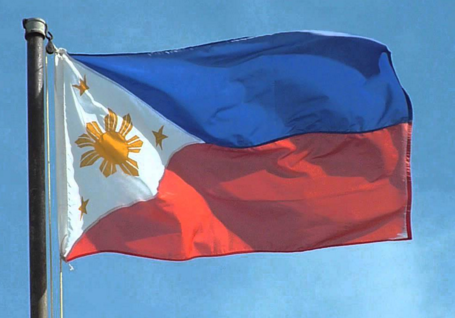
The ICJ joined today seven other organisation in a statement before the UN Human Rights Council expressing concern at the systematic human rights violation and the persistent impunity in the Philippines and calling for more accountability.
The joint statement delivered by FORUM ASIA reads as follows:
“Madam President,
Nearly six months since its adoption, Human Rights Council resolution 45/33 offering technical assistance to the Philippines has proven to be utterly insufficient to address the systematic human rights violations and persistent impunity documented in the High Commissioner’s report. The Philippine Government’s policies and actions since the Resolution’s adoption have been completely at odds with the commitments outlined in it.
Extrajudicial killings in the so-called ‘war on drugs’ have continued. To date, the Government has made no tangible progress towards accountability against those most responsible for such killings. In December 2020, the Office of the Prosecutor of the ICC found that there is “reasonable basis to believe that the crimes against humanity” of murder, torture, the infliction of serious physical injury and mental harm, and other inhumane acts were committed between at least 1 July 2016 and 16 March 2019.
Human rights defenders pursuing legitimate work, especially those who advocate for international accountability, including lawyers, continue to be attacked and accused of belonging to terrorist groups. Rights defenders continue to be arrested and jailed. The draconian Anti-terrorism Act, passed last year, exacerbates risks to defenders. The killing of nine human rights defenders and activists on 7 March, two days after President Duterte ordered the police and military to “finish off” and “kill” those purported to be “communist rebels”, illustrates clearly the persistent killings and attacks faced by activists and defenders. It is very clear that no amount of technical assistance or capacity building will end the killings as the President and top government officials continue to incite murder and violence as official policy.
In this context, it is imperative that the Council set up an international accountability mechanism to end the cycle of violence and impunity in the Philippines.
Thank you.”
The statement was endorsed by:
- Amnesty International
- Asian Forum for Human Rights and Development (FORUM-ASIA)
- CIVICUS: World Alliance for Citizen Participation
- Human Rigths Watch
- International Commission of Jurists (ICJ)
- International Federation for Human Rights (FIDH)
- Philippines Alliance of Human Rights Advocates (PAHRA)
- World Organisation Against Torture (OMCT)
Contact:
Massimo Frigo, ICJ UN Representative, e: massimo.frigo(a)icj.org, t: +41797499949