Sep 5, 2013 | News
The ICJ collaborated on this judicial colloquium with the UN Entity for Gender Equality and Empowerment of Women and the Thailand Office of the Judiciary.
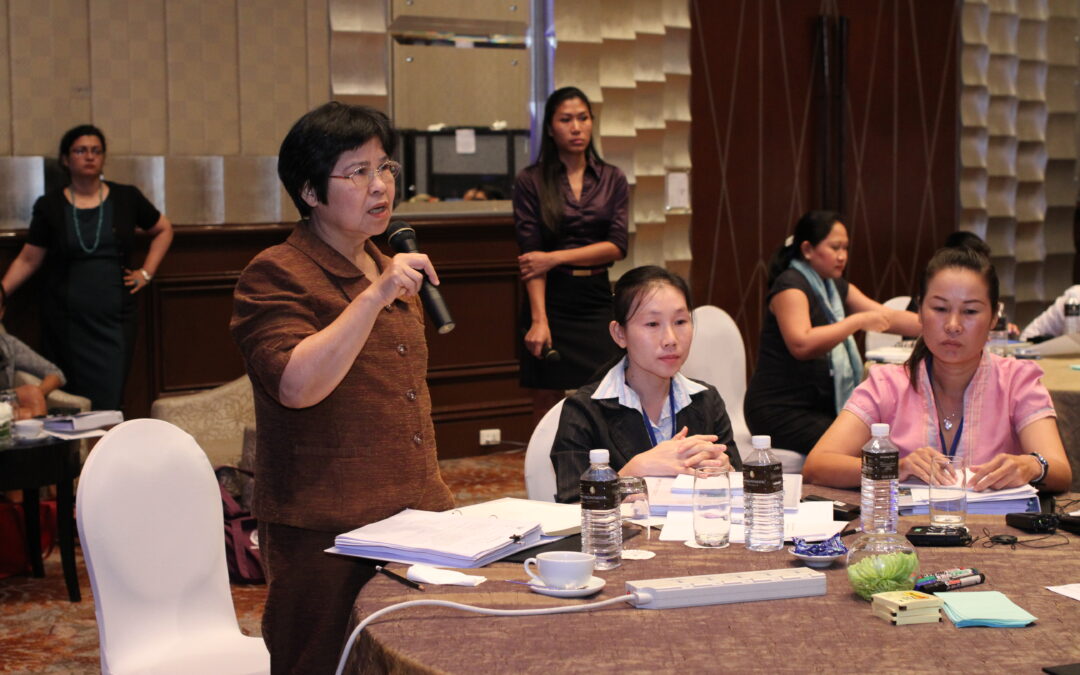
The Judicial Colloquium on Gender Equality Jurisprudence and the Role of the Judiciary in Promoting Women’s Access to Justice was held from 4 to 5 September 2013 in Bangkok, Thailand.
Judges from eight Southeast Asian countries (Cambodia, Indonesia, Lao PDR, Myanmar, the Philippines, Thailand, Timor Leste, and Thailand) came to the colloquium to discuss the role of judges in the implementation of the Convention on the Elimination of All Forms of Discrimination against Women (CEDAW).
Representatives from the eight countries’ judicial training institutions and civil society organizations joined them in this colloquium. All eight participating countries are parties to the CEDAW.
The judicial colloquium is part of the work of the ICJ in engaging various actors, including judges, lawyers, and human rights defenders, to explore ways to address the range of obstacles that persistently reduce women’s access to justice and legal protection.
Sam Zarifi, ICJ’s Regional Director for Asia and the Pacific, also noted the importance of this colloquium in the context of the development of a regional human rights mechanism in the ASEAN. He observed during his opening speech that the ASEAN is in the midst of setting standards and emphasized “it is important for judges to be aware of international standards of this issue so that they can substantially contribute to the discourse in setting up a regional mechanism.”
At the end of the colloquium, the participating judges, representatives from judicial training institutes and civil society organizations adopted a statement which noted, among other things, the uneven progress in the implementation of CEDAW in domestic laws and that judges should strive to interpret domestic law in consonance with the CEDAW.
They also agreed on recommendations, one of which is to encourage the formation of a regional network of judges to promote continuing dialogue, knowledge and information sharing regarding the application of CEDAW and other international human rights treaties in judicial systems.
Contact:
Emerlynne Gil, International Legal Advisor, tel. no. +66 6198477 ext. 206 or emerlynne.gil(a)icj.org
Aug 15, 2013 | News
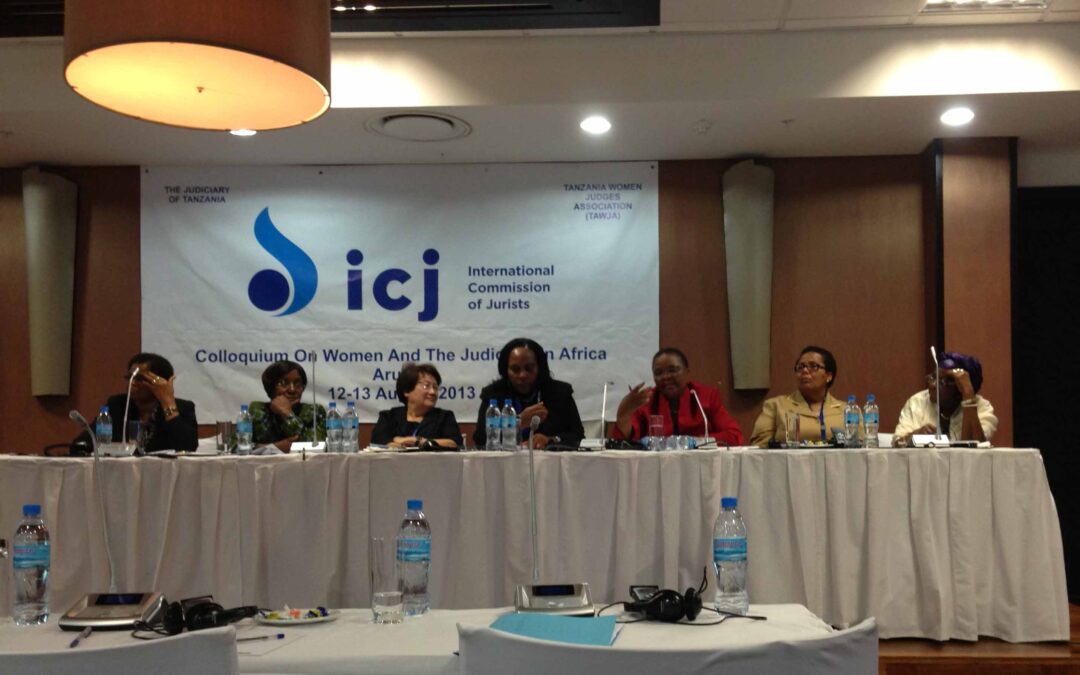
Women judges from across Africa participated in the first ICJ Colloquium on Women and the Judiciary on 12 and 13 August in Arusha, Tanzania.
The Arusha Colloquium, was opened by the Chief Justice of Tanzania and was hosted in collaboration and partnership with the Tanzania Women Judges Association and the Judiciary of Tanzania.
It enabled thirty five senior women judges from over fifteen African jurisdictions to come together to share their stories and reflect on and discuss their personal and professional experiences and challenges as women within the judiciary.
They were joined by over 15 women human rights defenders and lawyers.
Colloquium themes included the importance and role of women within the judiciary, independence and impartiality issues effecting women judges, appointment and promotion procedures, education and training needs and the role of women judges associations.
Discussions also addressed the role of the judiciary in advancing gender equality, women’s access to justice and protection of women human rights defenders.
The Colloquium marks the beginning of an ICJ multi-year initiative on women judges, lawyers and human rights defenders as agents of change.
Nov 22, 2012 | News
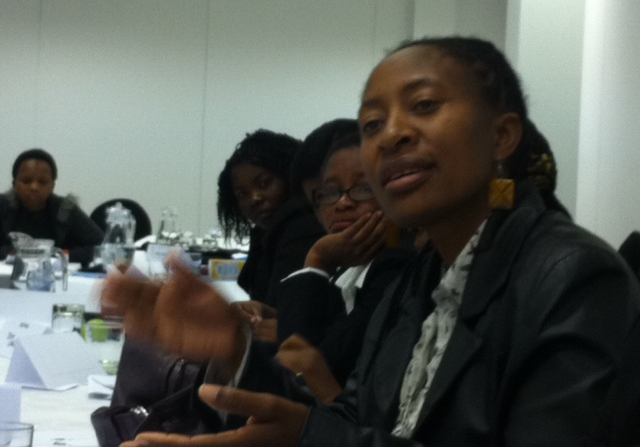
The ICJ, Metlhaetsile and Friedrich-Ebert-Stiftung (FES) held a multi-stakeholder roundtable dialogue on women’s access to justice in Gaborone, Botswana from 20-21 November 2012.
The event, which is a key step in an ongoing ICJ initiative on women’s access to justice in Botswana, brought together a group of experts to discuss and review a draft ICJ/Metlhaetsile/FES report on the obstacles to justice women continue to face in Botswana.
Participants included attorneys, representatives of NGOs and government agencies, human rights defenders, and members of the judiciary.
The forthcoming report will capture and explore the accounts of barriers received from stakeholders accross Botswana through field research during 2011-2012.
It will include information on the relationship between the gaps in the realization of economic and social rights and the obstacles faced by women to access justice.
It will also identify a series of responsive recommendations elaborated by roundtable participants.
Aug 22, 2012 | News
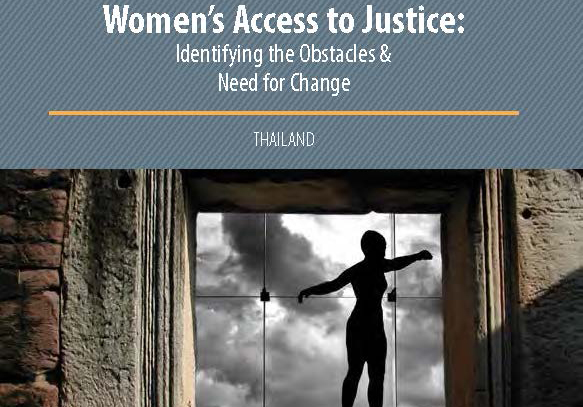 In a new report released today, the ICJ and Justice for Peace Foundation (JPF) call for a series of changes in law, practice, approach and behaviour to address the justice needs of women across Thailand.
Jun 26, 2012 | Advocacy, Non-legal submissions
During the 20th session of the UN Human Rights Council, the ICJ delivered an oral statement on remedies and reparations for women who have been subjected to violence.
ICJ-HRC20-VAW Panel-Oral statement-non-legal submission 2012 (Download in English)