Sep 14, 2015
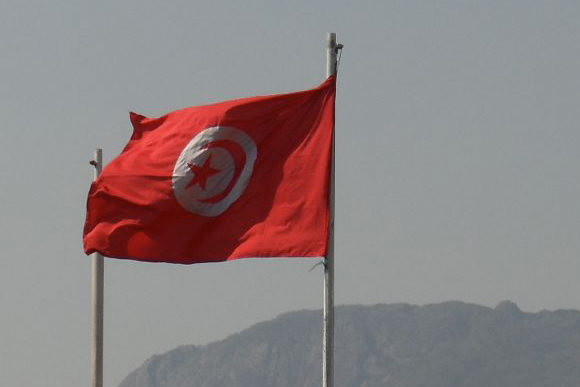
The ICJ today called on the members of the Tunisian parliament to amend the draft law on the High Judicial Council (HJC), with a view to ensuring its full compliance with international standards on judicial independence.
In a new position paper, the Geneva-based organization acknowledges that the draft law provides enhanced guarantees for judicial independence, in particular by ending executive control over the HJC, by providing for a majority of the HJC’s members to be judges elected by their peers, and by ensuring that the HJC is the only body competent to manage the career of judges.
But the ICJ remains concerned that in certain key respects, the draft law falls short of international standards.
In particular, it does not provide for specific, concrete measures to ensure women’s full and equal participation and representation in the HJC and the judiciary as a whole, for the HJC to be consulted on, and involved in, the preparation and implementation of the judiciary’s budget, and for adequate financial resources to be available for both the HJC and the judiciary in general.
“The Tunisian Assembly should ensure that the draft law is amended so that the HJC is truly independent, pluralistic and gender-representative and its competencies are expanded to include its involvement in the preparation and implementation of the budget for the entire judiciary, not only that of the HJC,” said Said Benarbia, Director of the ICJ MENA Programme.
The ICJ is also concerned that, while the draft law provides enhanced guarantees for the management of the career of judges by the HJC, the provisions relating to the security of tenure of judges and the transfer of judges, as well as certain aspects of the disciplinary system, are not fully in line with international standards.
“The draft law should be amended to ensure that judges may only be removed for reasons of incapacity or behaviour that renders them unfit to discharge their duties, that in all circumstances their consent is sought for any transfer to another jurisdiction, and that all disciplinary proceedings against them are fair and determined in accordance with established standards of judicial conduct,” Benarbia added.
Contact:
Theo Boutruche, Legal Adviser of the ICJ Middle East and North Africa Programme, t: +96 170 888 961, e: theo.boutruche(a)icj.org
Tunisia-Final HJC Draft Law-Advocacy-Position Paper-2015-ENG (full text of position paper in PDF, English)
Tunisia-HJC law-News-2015-ARA (full news text in PDF, Arabic)
Tunisia-Final HJC Draft Law-Advocacy-Position Paper-2015-ARA (full text of position paper in PDF, Arabic)
Sep 14, 2015 | Advocacy, Non-legal submissions
In advance of the UN Human Rights Council’s adoption of the outcome of its review of the Maldives’ human rights record as part of the Universal Periodic Review (UPR) process, the ICJ has submitted a written statement.
It highlights the Maldives’ failure to accept and implement a number of member states’ UPR recommendations.
In particular, the ICJ pointed out the urgent need for Maldives to accept and implement recommendations regarding the following issues, among others:
- Strengthening the independence and impartiality of the judiciary;
- Strengthening the independence and impartiality of the Judicial Service Commission;
- Strengthening the National Human Rights Commission, in accordance with the Paris Principles;
- Strengthening women’s representation in the judicial profession;
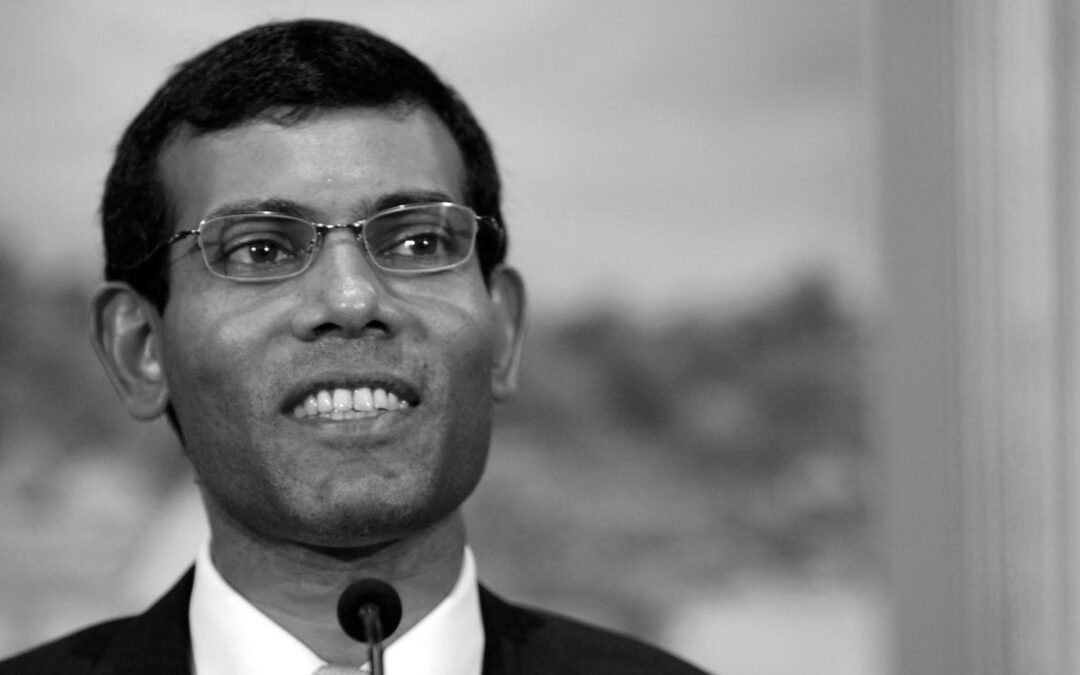
- Immediately releasing former president Mohamed Nasheed and other political prisoners, and ensuring the fairness of any further legal proceedings in such cases; and
- Safeguarding freedom of expression and media, association and peaceful assembly by investigating cases of human rights abuse and violations against journalists, civil society and human rights defenders, and taking effective measures to prevent further abuses
The Council will consider member states’ UPR recommendations for the Maldives during its 30th session on 24 September 2015, ahead of which the Maldives government will be expected to formally respond and indicate which of the recommendations it will commit to implement.
Aug 20, 2015
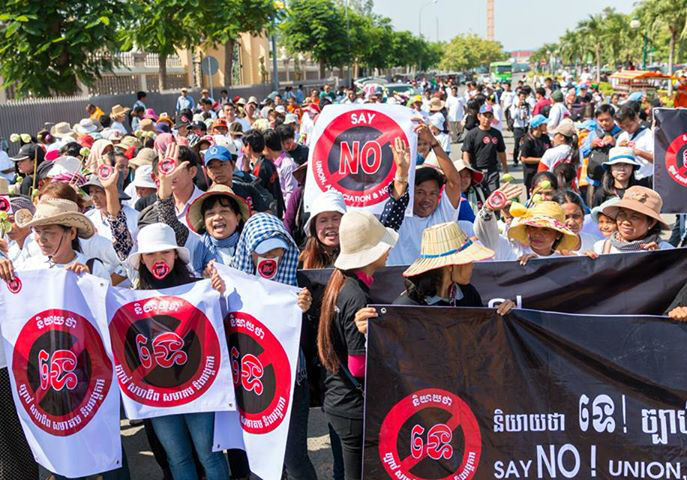
The UN Human Rights Council should pass a resolution that addresses the deteriorating human rights situation in Cambodia, the ICJ and 10 other international and Cambodian human rights groups said in a letter to the Permanent Representatives of Member and Observer States of the HRC.
The letter urges the Member States to support a resolution at the Human Rights Council’s 30th regular session (14 September to 2 October 2015), that:
- Raises substantial issues of concern, including violations of the rights to freedom of peaceful assembly, association and expression; threats to, and attacks against, human rights defenders; the lack of independence of the judiciary; violations of land and housing rights; the erosion of fundamental democratic principles and institutions; and ongoing impunity for perpetrators of human rights violations and abuses;
- Calls on the Cambodian Government to put an end to these serious violations, abide by its domestic and international human rights obligations, and implement key legal and institutional reforms that UN bodies and mechanisms have highlighted as priorities;
- Extends the mandate of the UN Special Rapporteur for a period of at least two years, with monitoring and reporting powers in addition to advisory services;
- Calls on the Cambodian Government to fully cooperate with the current Special Rapporteur, Ms. Rhona Smith, as well as with other UN human rights bodies and mechanisms; and
- Calls on the Cambodian Government to establish a time-bound action plan for the implementation of recommendations made by the Special Rapporteur and by previous mandate holders, as well as by UN bodies and mechanisms, including treaty monitoring bodies, thematic special procedures of the Human Rights Council, and the Universal Periodic Review (UPR).
The letter also requests Members States to express support for the renewal of the mandate of the OHCHR country office in Cambodia, and to underline the importance of the complementarities between the work of the Special Rapporteur and the OHCHR country office.
The letter was signed by the ICJ, International Federation for Human Rights (FIDH), Asian Forum for Human Rights and Development (Forum-Asia), Cambodian Center for Human Rights (CCHR), Cambodian Human Rights and Development Association (ADHOC), Cambodian League for the Promotion and Defense of Human Rights (LICADHO), CIVICUS: World Alliance for Citizen Participation, Civil Rights Defenders, International Service for Human Rights (ISHR), Human Rights Watch, and World Organization Against Torture (OMCT).
Cambodia-HRC-Human rights situation-Advocacy-open letters-2015-ENG (full text in PDF)
Aug 19, 2015
Today the ICJ joined a number of human rights organizations in an appeal to the Prosecutor General of the Republic of Kazakhstan regarding a recent case of obstruction of work of lawyer Snezhanna Kim, practicing in the country.
The incident took place on 24 July 2015, when lawyer Snezhanna Kim was having a meeting with a client in detention facility no. 161/1 in the city of Kostanay.
The signatories called on the Prosecutor to ensure that Snezhanna Kim and other lawyers are able to freely carry out their professional activities, including by visiting clients held in places of detention without hindrance and communicating with them based on full respect for the confidentiality of the lawyer-client relationship and without pressure of any kind.
Kazakhstan-Violations Lawyer’s rights-Advocacy-Open letters-2015-ENG (full text in PDF, English)
Kazakhstan-Violations Lawyer’s rights-Advocacy-Open letters-2015-RUS (full text in PDF, Russian)
Aug 2, 2015 | News
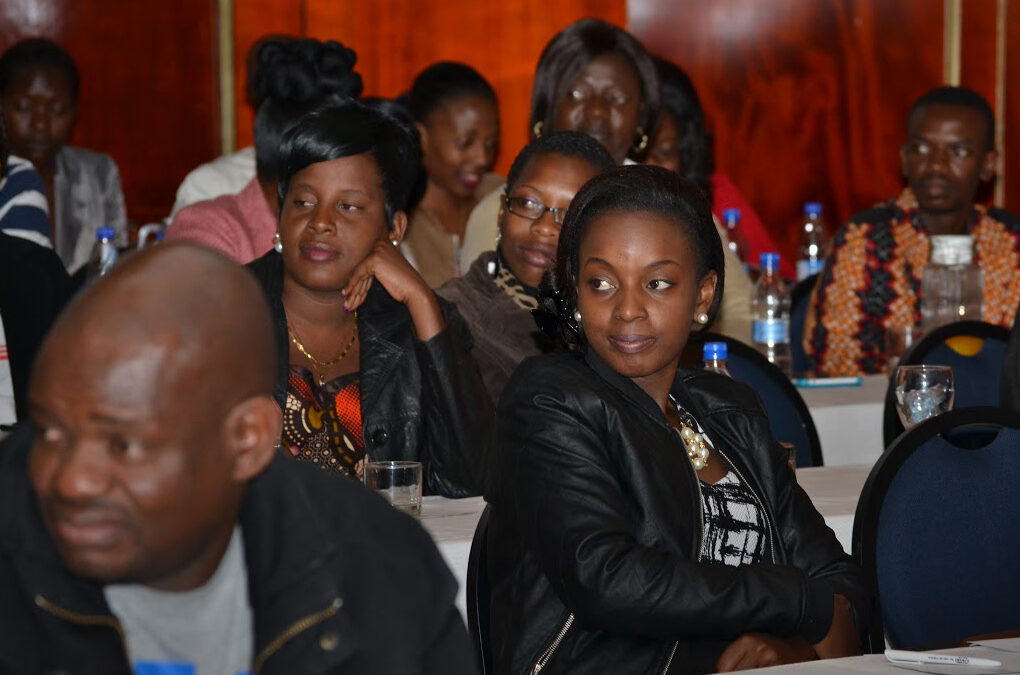
From 31 July to 2 August 2015 the ICJ supported a training and induction workshop for the Zimbabwe National Prosecuting Authority (NPA) in Harare, with over 200 participants.
The public prosecutors came from the Eastern Division comprising of Midlands, Manicaland and Masvingo provinces.
The objective of the training and induction workshop was to appraise the prosecutors of the changes brought about by the Constitution, international and regional standards in the conducting of prosecutorial duties, their independence and accountability.
The presentations also focused on the Criminal Procedure and Evidence Act as the main guiding framework for public prosecutors which has been significantly altered with the assumption of a new Constitution in respect of fair trial rights.
The NPA and the public prosecutors required a platform to collectively familiarize themselves with the changes and conducting of their duties guided by national, international and regional standards.
For purposes of infusing best regional and international practices, presentations included international principles and standards for prosecutors under United Nations Basic Principles on the Role of Prosecutors; the Principles and Guidelines on the Right to Fair Trial and Legal Assistance in Africa; the relationship of the NPA and other arms such as the Judicial Service Commission and the Police.
An array of resources persons were invited and included Justice Chinembiri Bhunu, from the Judicial Service Commission, Virginia Mabiza, Permanent Secretary Ministry of Justice Legal and Parliamentary Affairs, Andrew Chigovera, former Attorney General of Zimbabwe, former Commissioner on the African Commission on Human and Peoples Rights and Dr. Tarisai Mutangi, law lecturer Midlands State University.
As a new establishment under the Constitution, the NPA explored the available and needed continuous professional development for prosecutors to fully equip them for their mandate.
The Principal of the Judicial College of Zimbabwe (a partner of the ICJ), Mr. Shana, presented on the opportunities for continuous professional development for prosecutors for acquaintance with new legal developments.
The training follows additional support that ICJ made to the National Prosecuting Authority (NPA) under a European Union (EU) funded agreement to develop a strategic plan for the NPA in respect of which a strategic planning workshop was held from 6 to 8 July 2015,
Contact:
Arnold Tsunga, ICJ Regional Director for Africa, t: +27 73 131 8411, e: arnold.tsunga(a)icj.org

![Smoke rises after an Israeli air strike on the village of Taybeh in southern Lebanon [Source: Al Jazeera]](https://www.icj.org/wp-content/uploads/2026/03/Screenshot-2026-03-20-at-15.56.24-300x200.png)