Jun 19, 2015 | Communiqués de presse, Nouvelles
La CIJ a invité aujourd’hui les autorités marocaines à modifier les projets de loi sur le Conseil supérieur du pouvoir judiciaire (CSPJ) et sur le Statut des magistrats, afin d’assurer leur pleine conformité avec les normes et standards du droit international sur l’indépendance judiciaire.
La CIJ a invité les autorités à assurer que : le CSPJ soit indépendant aux niveaux institutionnel et organisationnel, ait une compétence exclusive quant à la gestion de la carrière des magistrats, notamment en ce qui concerne la sélection des juges stagiaires, soit impliqué dans la détermination du budget de la magistrature, et habilité à administrer l’allocation des ressources judiciaires.
Ce communiqué fait suite à la conclusion d’une mission de haut niveau qui s’est déroulée au Maroc entre le 12 et le 18 juin 2015 visant à rencontrer des membres des branches du pouvoir exécutif, législatif et judiciaire, ainsi que des représentants de la société civile, afin de s’entretenir sur les réformes judiciaires entreprises par les autorités marocaines.
Durant cette mission, la CIJ a soumis aux autorités deux mémorandums analysant les projets de loi à la lumière des normes du droit international et formulant des recommandations pour des modifications et des réformes.
Contact:
Theo Boutruche, Conseillé juridique du programme de la CIJ pour le Moyen Orient et l’Afrique du nord, t: +96 170 888 961, e: theo.boutruche(a)icj.org
Information supplémentaire:
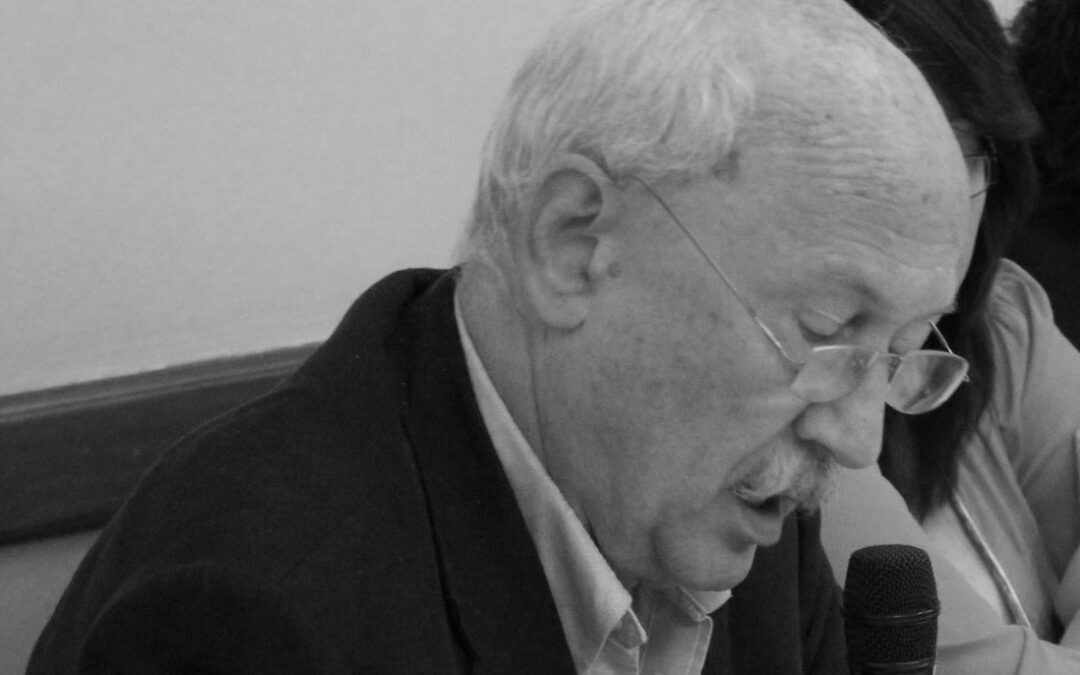
La délégation de la CIJ était dirigée par M. Philippe Texier, ancien juge à la Cour de cassation française et commissaire de la CIJ.
La délégation a rencontré M. Driss Dahak, Secrétaire général du gouvernement ; M. Abdelilah Lahkim Bennani, Secrétaire général du ministère de la Justice et des Libertés ; M. Mustapha Farès, Premier Président de la Cour de cassation ; M. Mustapha Meddah, Procureur général de la Cour de cassation ; M. Mohamed Cheikh Biadillah, Président de la Chambre des Conseillers ; M. Omar Adkhil, Président de la Commission de justice, législation et droits de l’homme de la Chambre des Conseillers ; M. Mohamed Zerdali, Président de la Commission de justice, législation et droits de l’homme de la Chambre des Représentants ; M. Abdellatif Chentof, Président du Club des magistrats du Maroc ; M. Mohamed Khadraoui, vice-Président de l’Amicale Hassania des magistrats ; et M. Mohamed Akdim, Président de l’Association des barreaux du Maroc (ABAM).
Morocco-Draft Law CSPJ-News-press releases-2015-FRE (Communiqué de presse complet en PDF)
Morocco-Memo on the CSPJ-Advocacy-Briefing paper-2015-FRE (Texte complet en PDF)
Morocco-Memo on Statute for Judges-Advocacy-Briefing paper-2015-FRE (Texte 2 complet en PDF)

Jun 19, 2015 | Artículos, Noticias
La CIJ pide a la Asamblea Legislativa de El Salvador elegir a las personas independientes, idóneas y honestas como magistrados de la Corte Suprema de Justicia.
La CIJ, ante la próxima elección por parte de la Asamblea Legislativa de El Salvador de cinco magistrados a la Corte Suprema de Justicia, expresa:
- De conformidad con el Derecho Internacional de los Derechos Humanos, los Estados deben hacer todos los esfuerzos posibles, para dotarse a sí mismos de un Poder Judicial Independiente. En tal sentido, es necesario que la Asamblea Legislativa haga todos los esfuerzos posibles para elegir de la lista de 30 personas, a las más idóneas, honestas e independientes;
- La Asamblea Legislativa debería dar tiempo suficiente, para permitir que en el proceso de elección, la sociedad salvadoreña pueda presentar sus observaciones y críticas hacia cada uno de los candidatos y candidatas; asimismo, después de elaborar una lista corta de posibles candidato/as (lista de 10 personas por ejemplo), la Asamblea Legislativa debería llevar a cabo audiencias púbicas con cada uno de ellos, para que la ciudadanía pueda enterarse con más detalle de la trayectoria de cada candidato/a y de su conocimiento en aspectos de administración de justicia;
- La Asamblea Legislativa debería elegir a las personas que tengan más conocimiento y experiencia en materia de administración de justicia y que sean jueces de carrera, para que quienes sean electos puedan llegar a impulsar los cambios que el Sistema de Justicia requiere. Por ejemplo, las reformas a la Carrera Judicial; separación de las facultades administrativas y jurisdiccionales de las y los magistrados de la Corte Suprema de Justicia; reformas a los procesos disciplinarios que se aplican a jueces y magistrados, entre otras.
Ramón Cadena, Director del programa la Comisión Internacional de Juristas para Centroamérica expresó en su visita a El Salvador: “Si bien los acuerdos de paz introdujeron reformas importantes, después de más de quince años se requiere introducir nuevas reformas para fortalecer la independencia del Poder Judicial, en relación a los otros poderes del Estado de El Salvador y alcanzar una mayor independencia judicial. Seguiremos observando de cerca el desarrollo y los resultados de este proceso de elección.”

Jun 19, 2015 | News
La CIJ pide a la Asamblea Legislativa de El Salvador elegir a las personas independientes, idóneas y honestas como magistrados de la Corte Suprema de Justicia.
La CIJ, ante la próxima elección por parte de la Asamblea Legislativa de El Salvador de cinco magistrados a la Corte Suprema de Justicia, expresa:
- De conformidad con el Derecho Internacional de los Derechos Humanos, los Estados deben hacer todos los esfuerzos posibles, para dotarse a sí mismos de un Poder Judicial Independiente. En tal sentido, es necesario que la Asamblea Legislativa haga todos los esfuerzos posibles para elegir de la lista de 30 personas, a las más idóneas, honestas e independientes;
- La Asamblea Legislativa debería dar tiempo suficiente, para permitir que en el proceso de elección, la sociedad salvadoreña pueda presentar sus observaciones y críticas hacia cada uno de los candidatos y candidatas; asimismo, después de elaborar una lista corta de posibles candidato/as (lista de 10 personas por ejemplo), la Asamblea Legislativa debería llevar a cabo audiencias púbicas con cada uno de ellos, para que la ciudadanía pueda enterarse con más detalle de la trayectoria de cada candidato/a y de su conocimiento en aspectos de administración de justicia;
- La Asamblea Legislativa debería elegir a las personas que tengan más conocimiento y experiencia en materia de administración de justicia y que sean jueces de carrera, para que quienes sean electos puedan llegar a impulsar los cambios que el Sistema de Justicia requiere. Por ejemplo, las reformas a la Carrera Judicial; separación de las facultades administrativas y jurisdiccionales de las y los magistrados de la Corte Suprema de Justicia; reformas a los procesos disciplinarios que se aplican a jueces y magistrados, entre otras.
Ramón Cadena, Director del programa la Comisión Internacional de Juristas para Centroamérica expresó en su visita a El Salvador: “Si bien los acuerdos de paz introdujeron reformas importantes, después de más de quince años se requiere introducir nuevas reformas para fortalecer la independencia del Poder Judicial, en relación a los otros poderes del Estado de El Salvador y alcanzar una mayor independencia judicial. Seguiremos observando de cerca el desarrollo y los resultados de este proceso de elección.”
Jun 18, 2015 | News
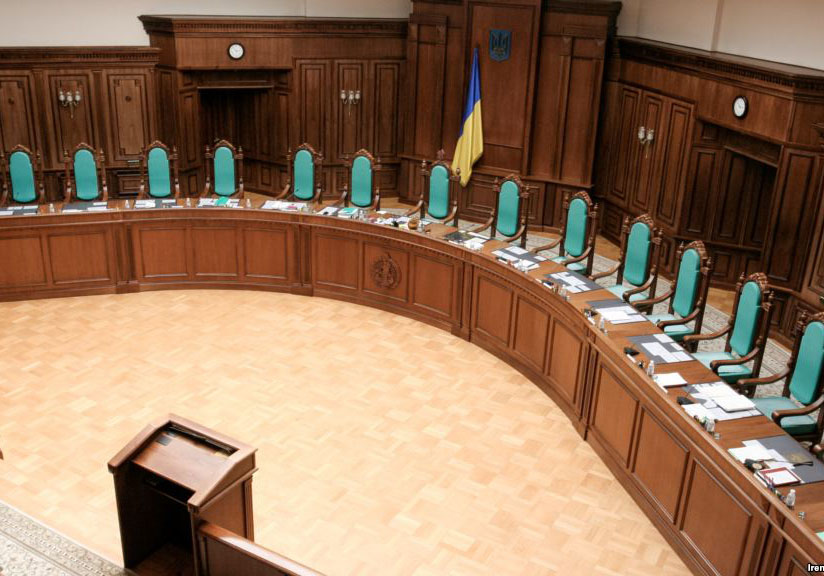
Today, the ICJ expressed concern at the attempt to initiate criminal proceedings against the President of the Constitutional Court of Ukraine, following interrogations of judges of the Constitutional Court and seizures of documents from the Court earlier this year.
On 16 June, the Chair of the Security Council of Ukraine, Valentin Nalivaychenko, is reported to have filed evidence alleging criminal offences by the President of the Constitutional Court of Ukraine, Jury Baulin.
The documents allege that he abused his office in violation of Article 364(2) of the Criminal Code of Ukraine, leading to the usurpation of power by the former President, Victor Yanukovich.
The allegations relate to a decision of the Constitutional Court of 30 September 2010, No 20-rp/2010, which overturned the adoption of the Constitution of 2004.
The initiation of the criminal proceedings is therefore based entirely on a ruling of the Constitutional Court on a question of constitutional law.
“It is inherent in the judicial function that courts issue rulings concerning matters on which public opinion may be divided. Prosecution of judges in relation to such decisions undermines judicial independence and erodes the rule of law,” said Wilder Tayler, ICJ Secretary General. “In all times but particularly in times of transition, such as at present in Ukraine, it is crucial that the executive refrain from any interference with the independence of the judiciary”.
The ICJ stressed that such attempts to initiate criminal proceedings against the President of the Constitutional Court are contrary to international law and standards on the independence of the judiciary, including the UN Basic Principles on the Independence of the Judiciary.
“Changes to the law or Constitution, must be sought and brought about through proper constitutional processes in the legislature and courts, not through prosecutions of judges. Criminal investigations and prosecutions against Constitutional Court judges must be discontinued and the government must ensure that the Court can operate without threats or interference,” Tayler added.
Following the change of government in early 2014, the ICJ expressed concern at the dismissals of judges of the Constitutional Court by the Verkhovna Rada (the Ukrainian Parliament) and called on the authorities to ensure the security of tenure of judges and non-interference with judicial independence.
Earlier this year, the Security Service of Ukraine interrogated sitting judges of the Constitutional Court in regard to the same case.
According to the State Security Service, at least 10 judges of the Constitutional Court have been interrogated. Moreover, the Security Service of Ukraine seized documents from the Constitutional Court in May 2015.
These investigations and prosecutions of Constitutional Court judges are taking place at a time when the Court is considering a number of highly significant cases, including the constitutionality of the Law “On cleansing of power”, the Law “On condemnation of the communist and national-socialist (nazi) regimes in Ukraine and prohibition of propaganda of their symbols” and the Law on an “All-Ukrainian referendum”.
The ICJ recalls that Article 1 of the UN Basic Principles on the Independence of the Judiciary clarifies that all governmental and other institutions must respect and observe the independence of the judiciary.
The principles further stipulate that [t]he judiciary shall decide matters before them impartially, on the basis of facts and in accordance with the law without restrictions or improper influences, inducements, pressures threats or interferences, direct or indirect, from any quarter or for any reason” (Article 2).
Recommendation No. R(94) 12 of the Committee of Ministers to Members States on the Independence, Efficiency and Role of Judges elaborates on this principle, stipulating that “judges should have unfettered freedom to decide cases impartially, in accordance with their conscience and their interpretation of the facts, and in pursuance of the prevailing rules of the law. Judges should not be obliged to report on the merits of their cases to anyone outside the judiciary”.
Contact:
Róisín Pillay, Director, Europe Programme, e: roisin.pillay(a)icj.org
Temur Shakirov, Legal Adviser, Europe Programme, e: temur.shakirov(a)icj.org
External link: Official information about the criminal procedure
Jun 18, 2015 | News
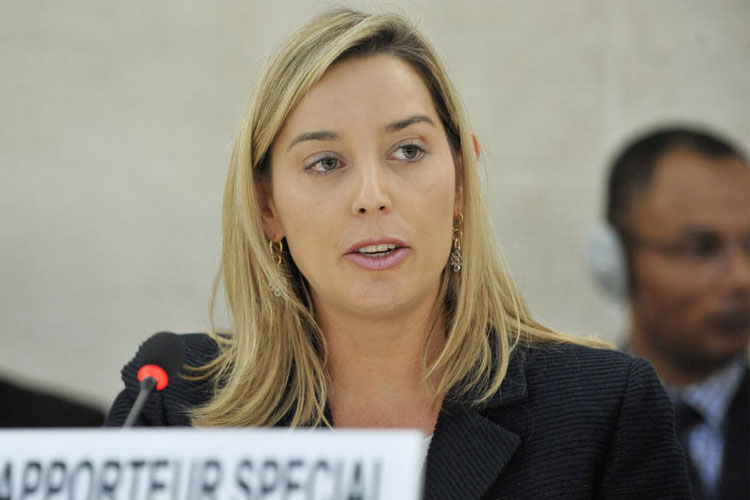
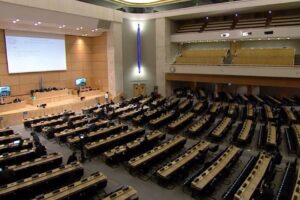
Mrs Gabriela Knaul (Brazil) today participated in an Interactive Dialogue with the Human Rights Council. Topics included children in the justice system, her visits to Qatar, United Arab Emirates, Tunisia and Portugal, and the need more generally for better implementation of relevant UN standards.
Mrs Knaul’s appearance before the Human Rights Council will be her last before her term in the mandate comes to an end in the coming months.
Her successor as UN Special Rapporteur on the independence of judges & lawyers is to be appointed at the end of the Council session, on 3 July 2015.
Following an initial presentation by the Special Rapporteur, the concerned countries responded, followed by discussion by other states, and civil society.

![Smoke rises after an Israeli air strike on the village of Taybeh in southern Lebanon [Source: Al Jazeera]](https://www.icj.org/wp-content/uploads/2026/03/Screenshot-2026-03-20-at-15.56.24-300x200.png)