Apr 3, 2014
The ICJ today published two documents based on the fourth annual Geneva Forum of Judges and Lawyers, on the topic of women and the judiciary.
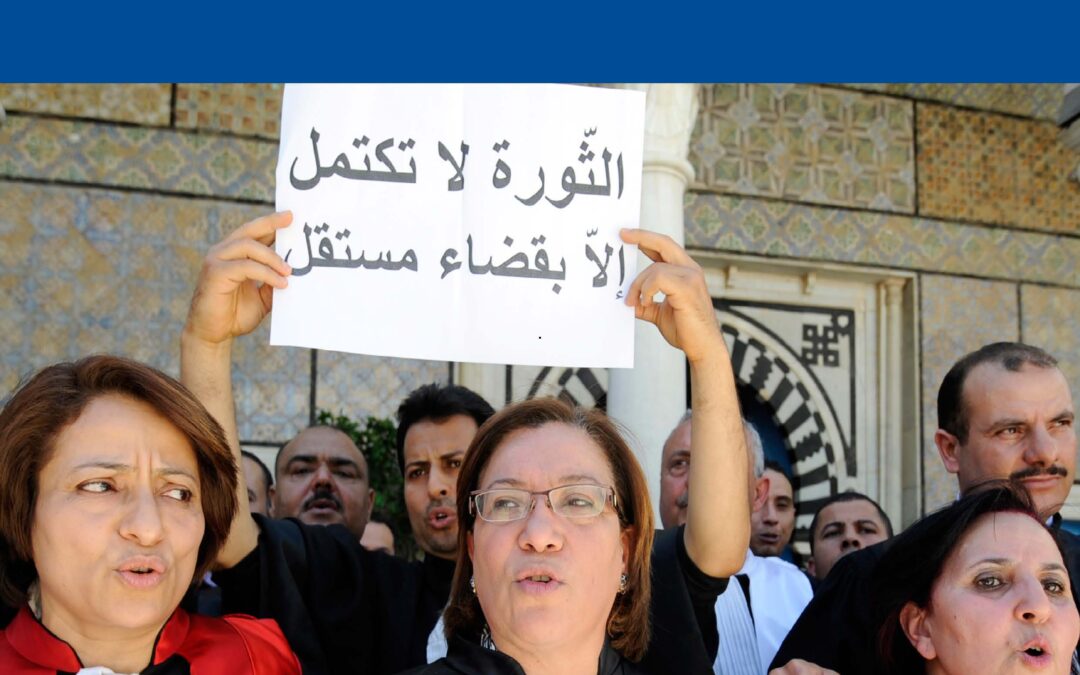
The Forum brought together women judges and senior women lawyers from around the world, with a particular focus on countries from the Middle East / North Africa and Sub-Saharan Africa, where the ICJ had held two regional colloquia (one in Arusha and another in Tunis).
Participants drew on personal opinions, their professional experiences and their legal skills in discussing the obstacles that continue to impede women’s full and equal participation in the judiciary, the important roles that women judges can play, and the mechanisms to improve women’s representation.
The document below summarizes some of highlights of the Geneva Forum discussions.
The ICJ is also publishing today a synopsis of findings from the three meetings: Women and the World’s Judiciaries: Identifying Key Challenges and Opportunities
Women-Geneva Forum Highlights-briefing paper-2014 (full text in pdf)
Apr 3, 2014
In 2013, the ICJ convened three colloquia on women in the judiciary in Arusha, Geneva and Tunis. A brief paper published today summarizes the reflections made and discussions held at these events.
Apr 2, 2014 | News
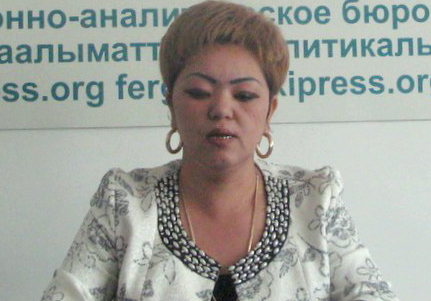
The ICJ today expressed concern at the decision of the Kazakhstan Supreme Court, on 26 March, to affirm the disbarment of lawyer Polina Zhukova on spurious grounds that run contrary to international standards on the role and independence of lawyers.
Mar 31, 2014 | News
The crisis for the rule of law in Nauru, triggered by actions by the executive government that undermine the independence of the judiciary, has deepened.
Nauru Chief Justice Geoffrey Eames resigned on 13 March 2014, two months after the Nauru government summarily dismissed and expelled a judge despite the Chief Justice’s orders to the contrary, and blocked the Chief Justice from returning to the country. A letter of concern ICJ wrote to the government of Nauru several weeks ago remains unanswered.
The decision of the Chief Justice to resign ended the stalemate the government had created by continuing to deny him entry to the country despite the legislature’s refusal to allow the government to impeach him on spurious grounds. It did not, however, end the continuing crisis the government’s actions have created for the independence of the judiciary and the rule of law in Nauru.
The ICJ had earlier publicly expressed its deep concern about the removal of Magistrate Law from office in absence of any due process, and in violation of an injunction issued by the then Chief Justice Eames, and the arbitrary denial of the Chief Justice of access to Nauru. Chief Justice Eames has said that, even by the time of his resignation in mid-March, he had not received any explanation of the specific reasons for cancellation of his visa.
The ICJ’s Centre for the Independence of Judges and Lawyers (CIJL) wrote to President Baron Waqa and relevant ministers of government on 8 March 2014 requesting information and calling upon the government to immediately reverse and remedy the actions taken against the Resident Magistrate and Chief Justice, and to adhere to concrete procedural safeguards to re-establish protection of the rule of law (PDF: Letter-Nauru-IndependenceJudiciary-03032014). To date, the ICJ has received no response.
Mar 27, 2014 | News
The UN Human Rights Council resolution to establish an international investigation into allegations of human rights violations and abuses committed by both sides in Sri Lanka’s civil war gives hope to tens of thousands of victims who continue to be denied truth and justice.