Feb 15, 2013 | News
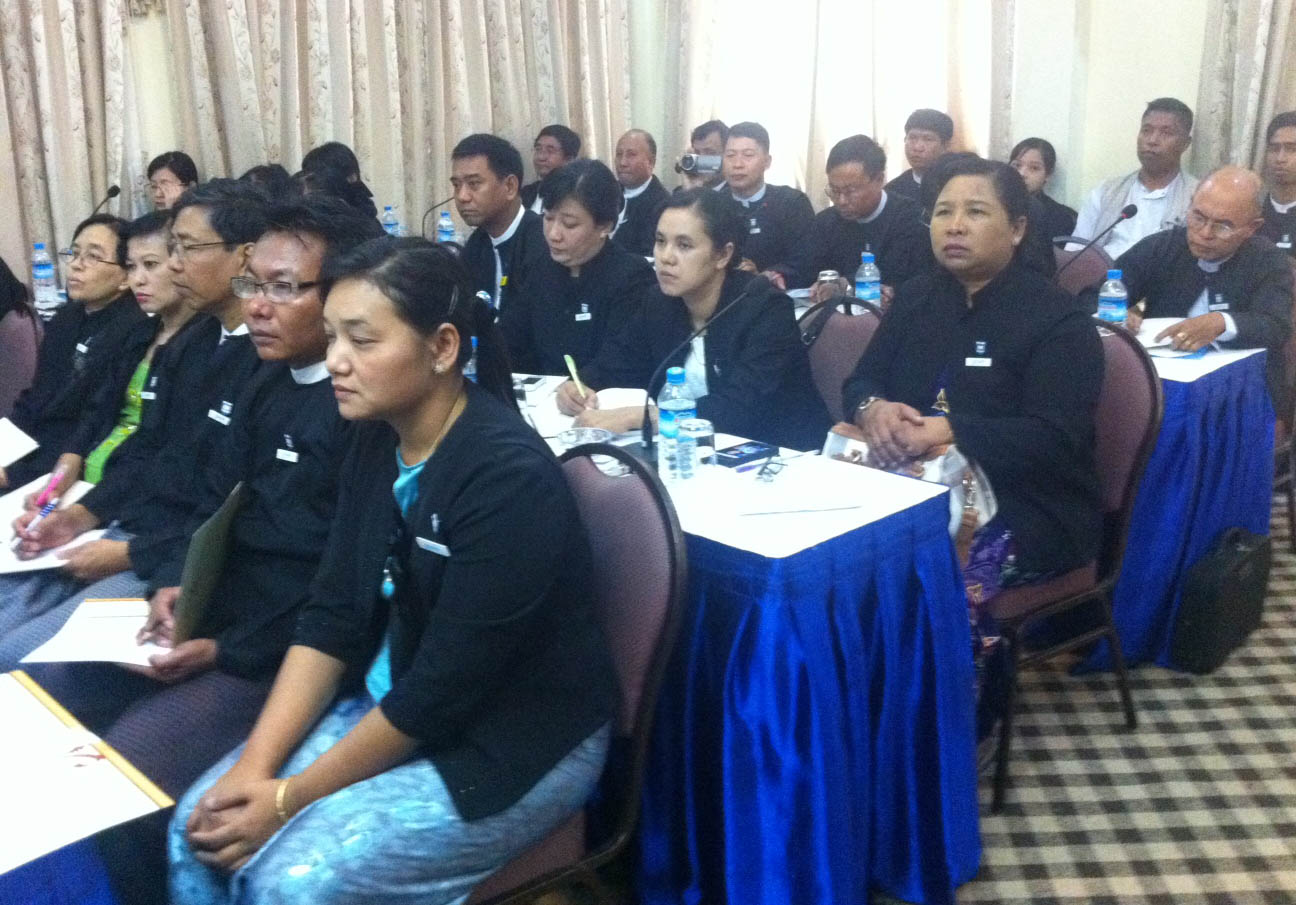 The ICJ, in collaboration with the Office of the Attorney General of the Union of Myanmar, held a two-day academic seminar in Naypyitaw entitled “The Prerogative Writs under the 2008 Constitution of Myanmar”.
At the event, which took place on 14 – 15 February 2013, opening remarks were given by His Excellency Dr. Tun Shin, Attorney General of the Union of Myanmar and Mr. Saman-Zarifi, Regional Director for Asia and the Pacific of International Commission of Jurists, to a total of approximately 40 public prosecutors and judges.
The aim of the seminar was to discuss and contribute to the application of the recently re-introduced prerogative writs, namely, habeas corpus, mandamus, prohibition, quo warranto and certiorari, under Myanmar’s 2008 Constitution which came into force in early 2011.
The seminar allowed ICJ to not only gain a deeper insight into the current writ practices in Myanmar but also permitted the Office of the Attorney General to draw best practices from other countries, such as Australia, Philippines and Malaysia.
The topics addressed during the seminar were the importance of prerogative writs in ensuring justice and upholding the rule of law; specific international standards on the independence of prosecutors and their role in the justice system; how writ cases are handled, challenges faced by the prosecutors and the burden of proof; and the powers of the judiciary to promulgate its own rules to ensure fundamental rights, as in the case of the Supreme Court in Philippines.
Panelists included Justice John Dowd AO QC, former Chairman of the International Commission of Jurists; Justice Adolfo Azcuna, Chancellor of the Philippine Judicial Academy and former Justice of the Supreme Court of the Philippines; and Mr. Andrew Khoo of the Malaysian Bar Council.
Feb 13, 2013
The ICJ presents this legal opinion regarding the possible withdrawal of the license of lawyers R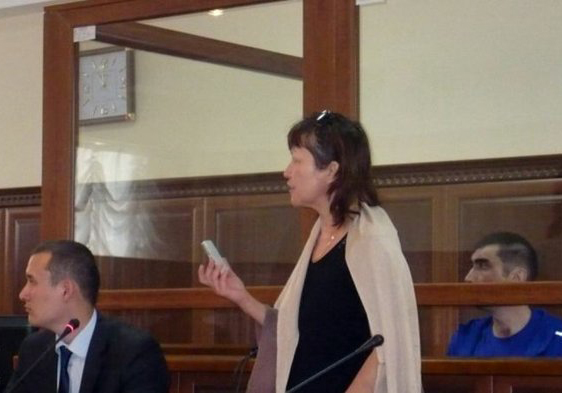 aziya Nurmasheva and Iskander Alimbayev (photo) of the Almaty City Lawyers Collegium.
This case against the lawyers raises issues of international law and standards, in particular, Kazakhstan’s international obligations on protecting the role of lawyers and their right to a fair hearing. It further concerns the duty of the State to ensure that lawyers are able to carry out their functions without intimidation, hindrance, harassment or improper interference.
Kazakhstan-Expert legal opinion Nurmasheva-legal submission-2012 (full text in pdf)
Kazhakstan-Expert legal opinion Nurmasheva-legal submission-2012-RUS (full text in pdf)

Feb 12, 2013
 In an open letter to the Commonwealth Secretary General Kamalesh Sharma, the ICJ is asking to change the venue of the Commonwealth Heads of Government Meeting in November 2013.
Dear Commonwealth Secretary General Kamalesh Sharma,
We, the International Commission of Jurists, enclose an open letter addressed to President Mahinda Rajapakse of Sri Lanka, signed by fifty-six eminent jurists from around the world, condemning the unlawful removal of Chief Justice Bandaranayake and expressing grave concern for the decline of rule of law and independence of the judiciary in Sri Lanka.
We urge you to follow through on your earlier statements and consider changing the venue of the 2013 Commonwealth Heads of Government Meeting as part of the commitment to advance and strengthen adherence to the Commonwealth’s oft-stated values and Principles pertaining to the rule of law.
Removing the Chief Justice through a process declared unconstitutional by the apex court and in contravention of international standards on the independence of the judiciary goes directly against the core principles enunciated in the Singapore Declaration 1971, the Harare Declaration 1991 and the Latimer House Principles on the Three Branches of Government 2003; it flies in the face of the Commonwealth values of promoting and protecting democracy, the rule of law and the independence of the judiciary.
We recall your statement that ‘The Commonwealth’s Latimer House Principle, which govern the relationship between the three branches of government, are the cornerstone of our association’s values.’
The unlawful impeachment process marks a serious acceleration of the general and serious decline in respect for human rights and the rule of law in Sri Lanka, as documented recently in our report Authority without Accountability.
These developments are all the more alarming given the ongoing failure of the Sri Lankan government to respond to domestic and international demands for accountability for serious human rights violations in the country.
In the present climate, allowing Sri Lanka to host the Commonwealth Heads of Government meeting in November 2013 would raise serious questions about the Commonwealth’s commitment to democracy, the independence of the judiciary and the rule of law.
Please do not hesitate to contact us if you have any queries or comments. We thank you in advance for your sensitivity to this important matter.
Sincerely
Wilder Tayler
Secretary-General
The International Commission of Jurists
Feb 1, 2013 | Communiqués de presse, Nouvelles, Publications, Rapports
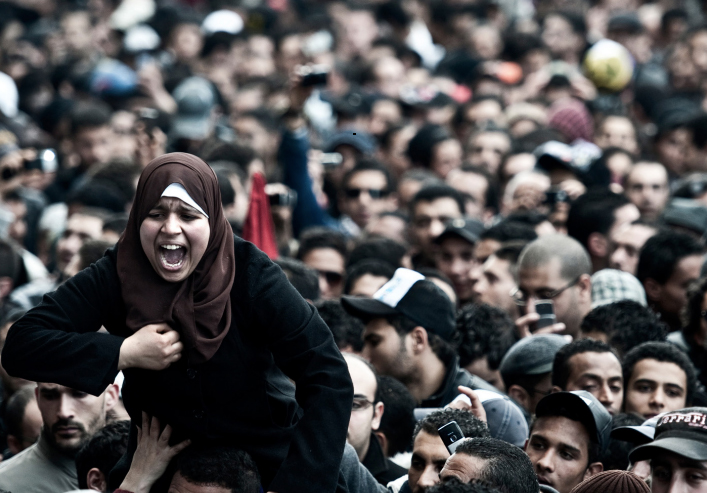
Dans un nouveau rapport, la CIJ appelle les autorités, en particulier l’Assemblée nationale constituante, à élaborer et adopter une constitution qui tienne compte de l’emsemble des points de vue du peuple tunisien et adhère aux droits et normes internationales.
Publié aujourd’hui, le rapport intitulé Renforcer l’Etat de droit et garantir les droits de l’Homme dans la Constitution – Un rapport sur le processus de réforme constitutionnelle en Tunisie.
Il analyse le processus de réforme constitutionnelle en Tunisie et propose des recommandations pour des réformes juridiques et institutionnelles visant à assurer une Constitution qui reflète le droit et les normes internationales.
Contact
Said Benarbia, Conseiller juridique à la CIJ pour le programme sur le Moyen Orient et l’Afrique du nord, m: 216 21 765 152, e-mail: said.benarbia(a)icj.org
Tunisie-Rapport Constitution-publications-2013-FRA (Rapport complet en PDF)
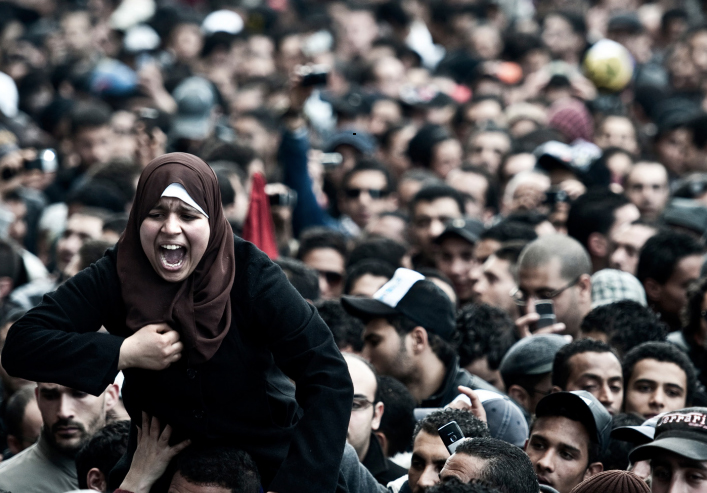
Credit photo: © Copyright Remi OCHLIK/IP3
Feb 1, 2013
 In a new report, the ICJ calls on the authorities, especially the National Constituent Assembly, to elaborate and adopt a constitution that takes account of the full range of views of the Tunisian people and adheres to international law and standards.
Released today, the report, Enhancing the Rule of Law and guaranteeing human rights in the Constitution, comes as the ICJ concludes a high-level mission to Tunisia. It analyzes the constitutional reform process in Tunisia and sets out recommendations for legal and institutional reforms aimed to ensure a Constitution that reflects international law and standards.
Through its report, the ICJ calls for the Constitution to be amended to: fully guarantee the separation of powers; ensure the accountability of the security services and armed forces and their subordination to a civilian authority; bring the judicial system in line with international standards of independence, impartiality and accountability; end the use of military courts to try civilians and cases involving human rights violations; incorporate a comprehensive Bill of Rights; recognize the right to life as an absolute right, and abolish the death penalty; and provide effective mechanisms for the protection of human rights and ensuring the right to a remedy.
“The constitution-making process has been clear, certain and transparent, representing a clean break from the practices and policies of President Ben Ali’s regime,” said Said Benarbia, ICJ Senior Legal Adviser of the Middle East and North Africa Programme. “However, while the draft Constitution broadens the separation of powers and human rights provisions of the 1959 Constitution, it should be comprehensively amended to reflect international law and standards and to meet the democratic aspirations of the Tunisian people expressed during the uprising.”
The ICJ mission (27 January – 2 February 2013), led by ICJ Commissioners Justice José Antonio Martín Pallín and Dr. Gustavo Gallón, met with the President of the NCA, Mustafa Ben Jaafar, the Minister of Human Rights and Transitional Justice, Samir Dilou, the Minister in charge of relations with the NCA, Abderrazak Kilani, the respective Presidents of the NCA Committee on Rights and Freedoms, Farida Labidi, and the Committee on Ordinary, Administrative, Financial and Constitutional Justice, Fadhel Moussa, as well as high-ranking officials from the Ministry of Justice. The delegation also met with the President of the Bar Association, Monsieur Chawki Tabib, members of the judiciary and the legal community and civil society.
Contact:
Said Benarbia, ICJ Senior Legal Adviser of the Middle East and North Africa Programme, m: 216 21 765 152, e-mail: said.benarbia(at)icj.org
Tunisia-Constitution report-publications-2013 (full report, in pdf)
Tunisie-Rapport Constitution-press release-2013-FRA (full text, in pdf)
Tunisie-Rapport Constitution-publications-2013-FRA (full report, in pdf)
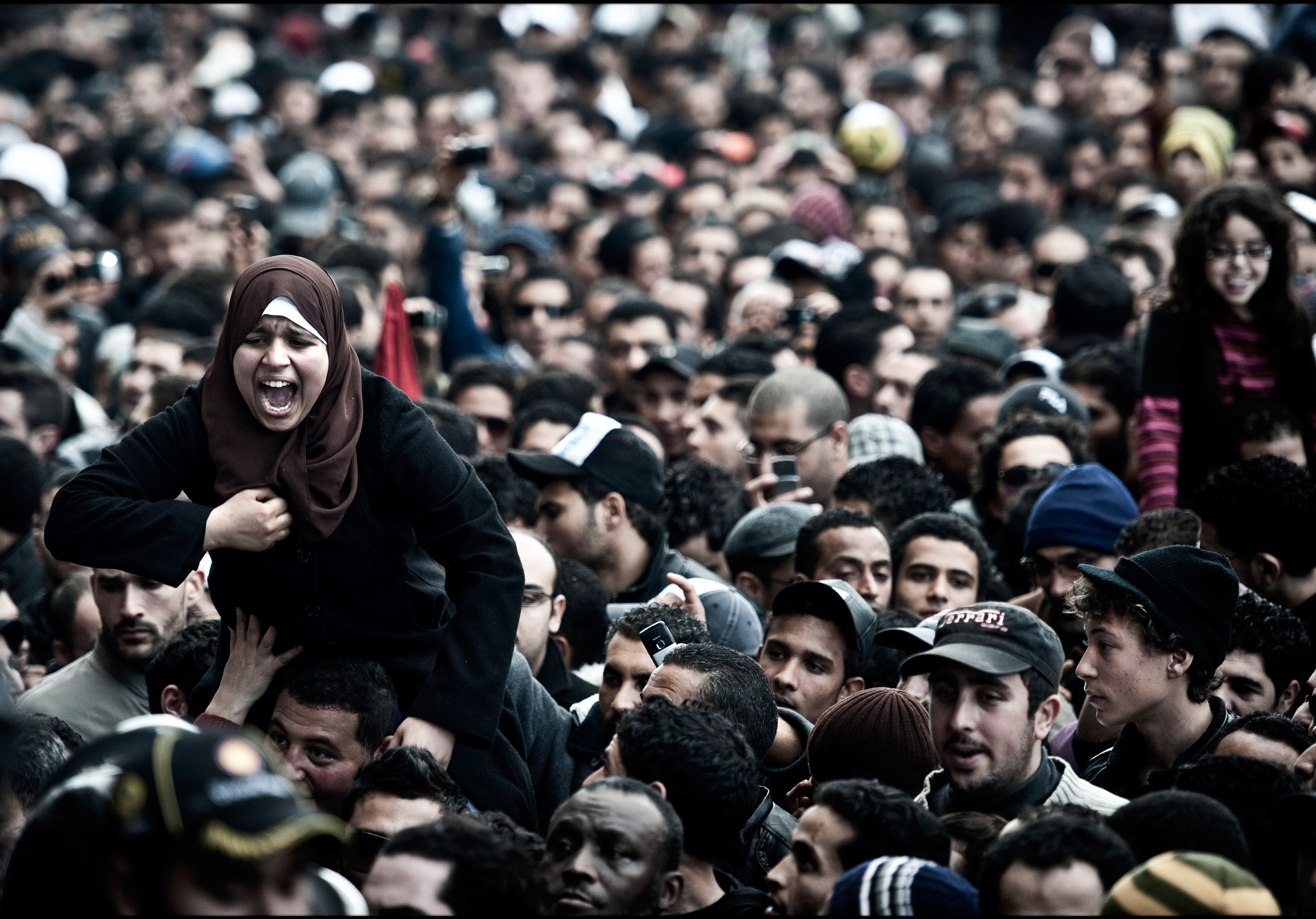
Photo credit: © Copyright Remi OCHLIK/IP3