
Kyrgyzstan: ill-treatment and unfair trial for Azimzhan Askarov
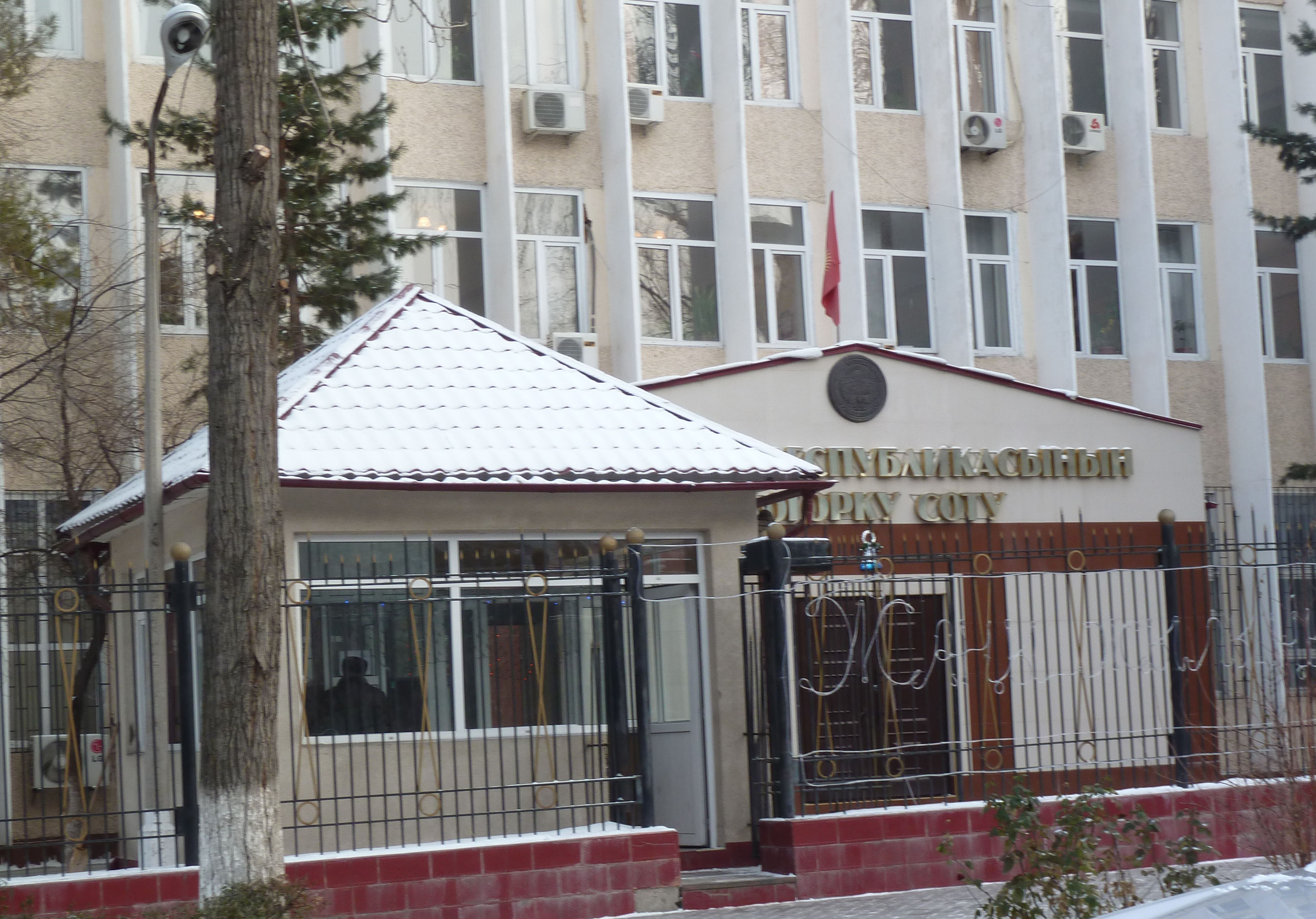 A new report by the ICJ says there have been multiple violations of human rights in the arrest and trial of Azimzhan Askarov, a prominent Kyrgyz human rights defender.

A new report by the ICJ says there have been multiple violations of human rights in the arrest and trial of Azimzhan Askarov, a prominent Kyrgyz human rights defender.
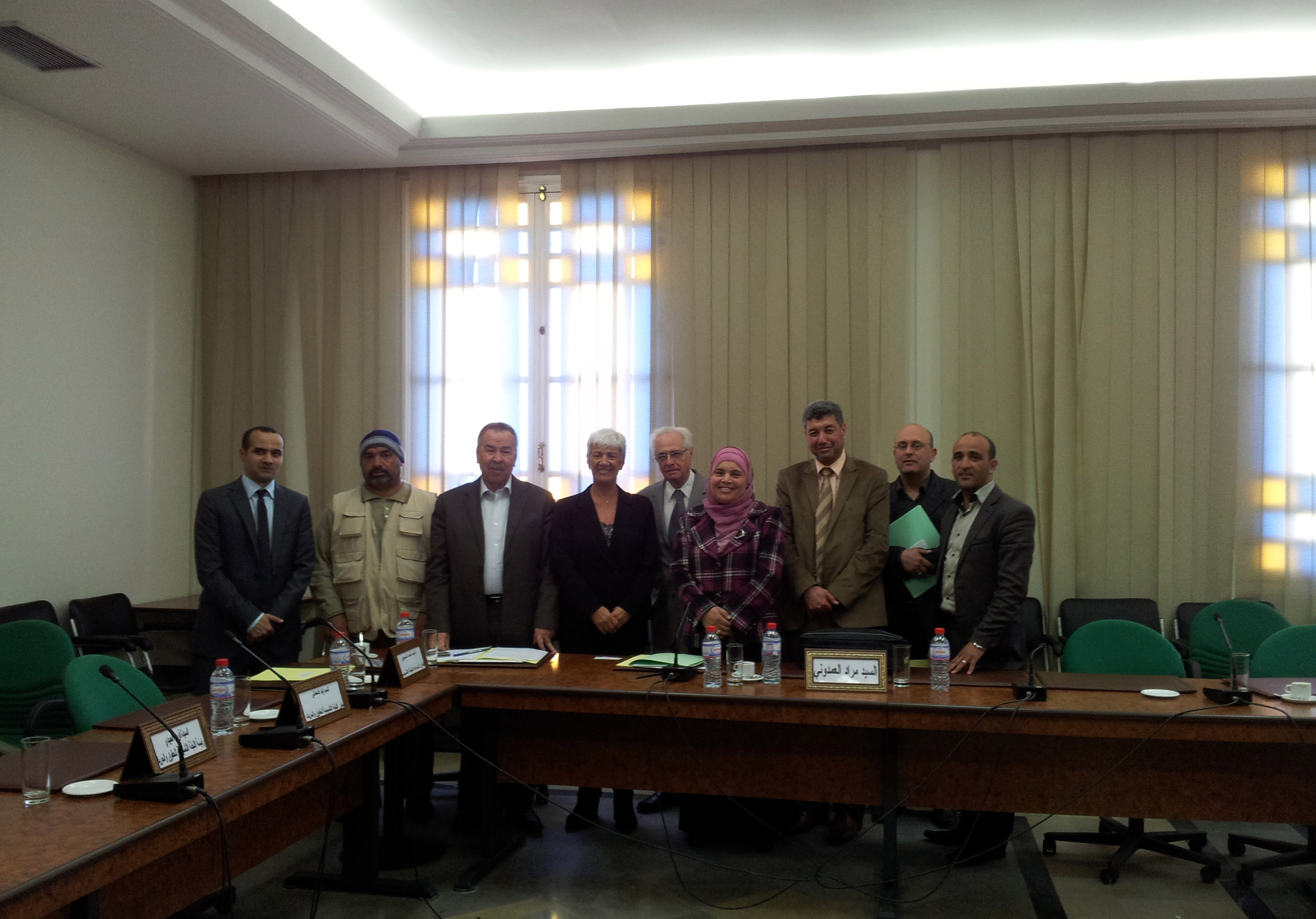 On 14-15 September 2012, the ICJ participated in the Tunisian “Open Dialogue with Civil Society”, organized by the National Constituent Assembly (NCA).
The ICJ took the opportunity to present key recommendations to ensure constitutional and other legal guarantees for an independent, impartial and accountable judiciary in Tunisia. The ICJ therefore called on the NCA to:
The ICJ’s legal memorandum The Reform of the Judiciary in Tunisia, which examines the current legal framework governing the judiciary and contains a detailed set of recommendations for ensuring an independent judiciary in line with international law and standards, was submitted to the NCA (see below).
For more information:
Saïd Benarbia, Middle East & North Africa Senior Legal Adviser, ICJ, t +41 22 979 3817; e-mail: said.benarbia@icj.org
TUNISIA-Legal memo-legal submission-2012 (full text, PDF)
TUNISIA-Legal memo-legal submission-2012-french (full text, PDF)
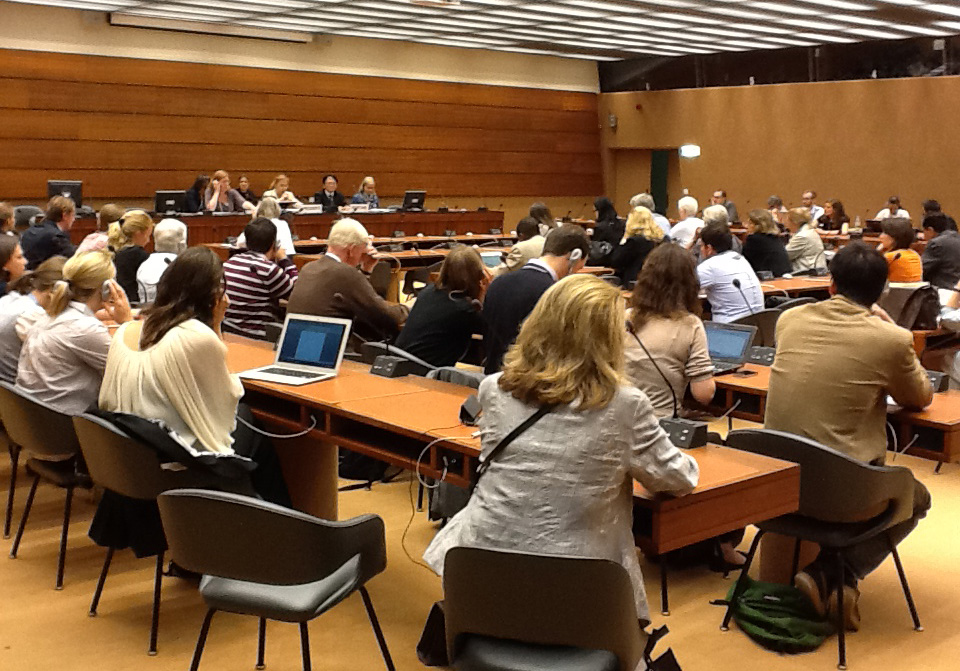
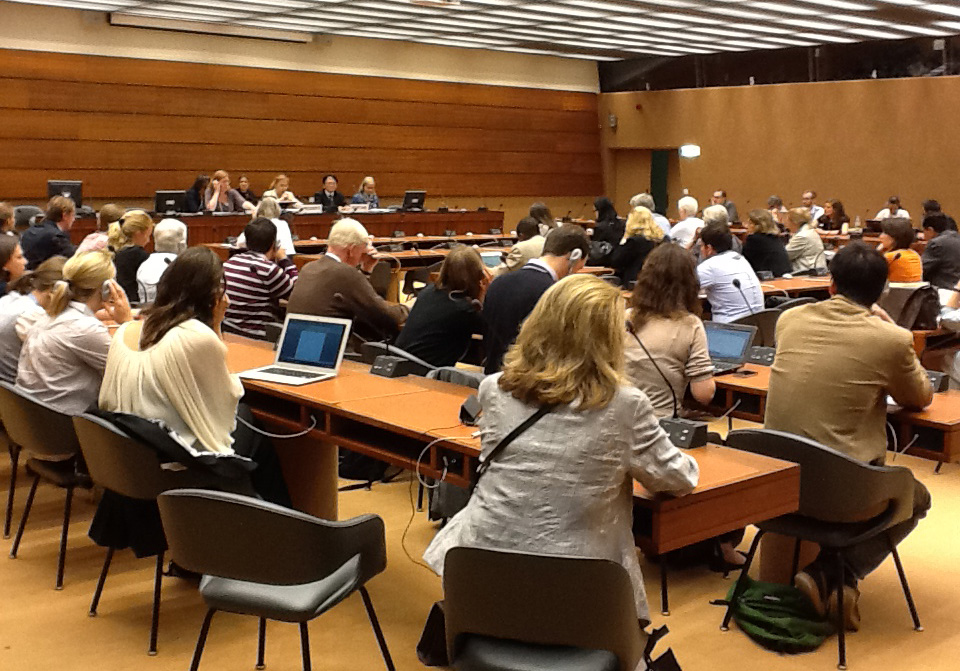 In the margins of the UN Human Rights Council 21st regular session, the ICJ held today a high-level discussion on the role of judges and lawyers in transition.
The ICJ side event discussed the role of, and challenges faced by, judges and lawyers in transition, especially as this relates to the promotion and enjoyment of truth, justice, reparation and guarantees of non-recurrence.
Panellists included Pablo de Greiff, the Special Rapporteur on the promotion of truth, justice, reparation and guarantees of non-recurrence, Judge Stefan Techsel, Judge Ad Litem at the ICTY, and Govinda Sharma, senior advocate from Nepal.
HRC21-J&LinTransition-flyer-Event-2012 (full text in PDF)
On 9-10 September 2012, the ICJ participated in a conference on “the independence of the judiciary in Egypt in light of the constitutional reform process and international standards”.
The conference, organized jointly by the ICJ, the Hisham Mubarak Law Centre and the Egyptian Organisation for Human Rights, was attended by international and national experts, including Justice Ian Binnie, a former judge of the Supreme Court of Canada, Justice Ketil Lund, a former judge of the Supreme Court of Norway and Wilder Tayler, Secretary General of the ICJ.
The conference addressed the following topics: the independence of the judiciary; the statute for judges; the High Judicial Council; the Supreme Constitutional Court; military and security courts and the independence of the judiciary; and the independence and impartiality of the office of the public prosecutor.
Egypt-Concept Note Independence of Justice conference-events-2012 (full text, PDF)
Egypt-ICJ Statement on Military Tribunals-events-2012 (full text, PDF)

Comunicado de prensa sobre la estrategia de desprestigio que sufren jueces y fiscales que luchan contra la impunidad.
Los días 3 al 6 de septiembre de 2012, la CIJ llevó a cabo entrevistascon el Pleno de la Corte Suprema de Justicia, la Fiscal General, abogados litigantes, fiscales, jueces, con la Asociación de Jueces y Magistrados del Organismo Judicial (AJMOJ), Colegio de Abogados y con diferentes organizaciones de la Sociedad Civil, con el objeto de recabar información acerca de la estrategia de desprestigio que sufren jueces y fiscales que luchan contra la impunidad en Guatemala y de las actuaciones judiciales que se están llevando a cabo para investigar y castigar los crímenes cometidos durante el conflicto armador o.
Guatemala-pronunciamento CIJ-press release-2012-spa (full text in pdf)
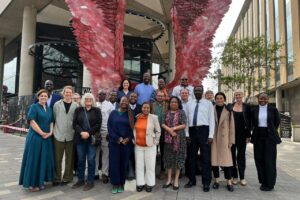 Africa Region: Human Rights Defenders and Lawyers Propose Means to Strengthen Access to Redress for Victims of Human Rights Atrocities
 Europe: Experts stress the role of intermediaries in access to justice for children with disabilities
 HRC63: ICJ and HRW Call for Protection of Black African Migrants, Refugees and Asylum Seekers in Tunisia and Libya
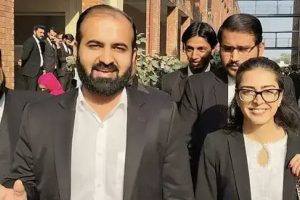 Pakistan: End the cycle of detention and judicial harassment of lawyers Imaan Mazari-Hazir and Hadi Ali Chattha