Mar 12, 2018 | News
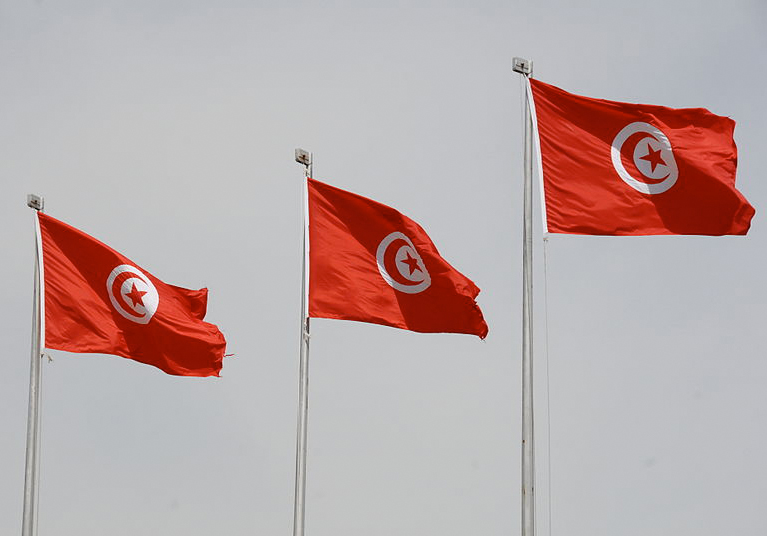
As they begin the appointment process, the Tunisian authorities must ensure that selection of members of the Constitutional Court are made in compliance with international standards on the independence of the judiciary, the ICJ said today.
This must happen through an open and transparent process and based on prescribed, objective criteria of merit, integrity, and equality before the law, the ICJ adds.
The 2014 Constitution and the Organic Law no. 50 of 2015 on the establishment of the Constitutional Court provide that three bodies are responsible for appointing the 12 members of the Constitutional Court.
These are the Assembly of People’s Representatives (ARP), the High Judicial Council, and the President of the Republic, which each body appointing four out of the 12 members successively.
The Constitution and the Organic Law also provide that members must have 20 years of professional experience and nine of them should have advanced legal expertise.
Over the past three weeks, the ARP has been reviewing the candidates for the Constitutional Court and the election of first four members is due to take place in a general plenary on Tuesday, 13 March 2018.
“Ensuring that the selection and appointment of all members of the Constitutional Court is made on the basis of their legal qualifications, competence and personal integrity is absolutely necessary to the strengthening of rule of law and the protection of human rights in Tunisia” said Said Benarbia, Director of the ICJ Middle East and North Africa Programme.
“In electing the four members, the ARP should ensure that these criteria are fully met, and that the process safeguards against appointments for improper motives, including political considerations and arrangements between political groups,” he added.
The Tunisian authorities should also ensure that the composition of the Constitutional Court reflects the diversity of the community it serves, including by ensuring the equal representation of women in the Court, as well as a significant representation of minority groups.
In a previous memorandum, the ICJ has also urged the authorities to ensure that the selection process guarantees the independence of the institution and of the individual judges in compliance with international standards.
Contact
Said Benarbia, Director of the ICJ Middle East and North Africa Programme, tel: +41798783546, email: said.benarbia(a)icj.org
Background
Article 11 and 12 of Law no. 50 of 2015 provides that the election of candidates by the Parliament and the High Judicial Council shall take place through a secret ballot with the vote of a majority of two-thirds of their members. Article 13 provides that the President of the Republic appoints the last four members of the Constitutional Court.
The 2014 Constitution requires the establishment of the Constitutional Court within a year after the legislative elections. Four years later, and despite the entry into force of Law no. 50 in 2015, the Constitutional Court has not yet been established.
Tunisia-PR-Constitutional-Court-2018-ARA (Full Text in Arabic, PDF)
Mar 1, 2018 | Advocacy, Non-legal submissions
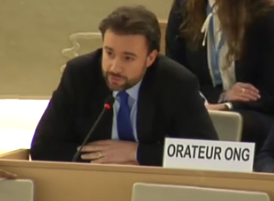
The ICJ today delivered an oral statement to the UN Human Rights Council, on attacks on lawyers and the legal profession in Turkey, Azerbaijan, Kazakhstan and China.
The statement, which was made during an interactive dialogue with the UN Special Rapporteur on human rights defenders and the UN Special Rapporteur on Torture, read as follows:
Our organizations welcome that the main report (A/HRC/37/51, para 13) and communications report (A/HRC/37/51/Add.1, e.g. paras 278-297, 431, 508-510) of the Special Rapporteur on Human Rights Defenders recognizes the role of lawyers as human rights defenders. In this regard, we would highlight the global problem of continued attacks on lawyers and threats to the independence of their profession, including for example as is well known in China (A/HRC/37/51/Add.1, paras 278-297), but also in Azerbaijan, Kazakhstan and Turkey.
In Azerbaijan, lawyers face criminal prosecution, suspension or disbarment for statements clearly constituting protected freedom of expression. The lack of independence of the Bar Association is a serious concern, even more so now that new legislation prohibits lawyers from representing clients before courts unless they become a member.
In Kazakhstan, a proposed new law threatens the independence of lawyers by providing for representatives of the executive to be included on disciplinary bodies of the legal profession, contrary to international standards.
Finally, the situation of lawyers in Turkey under the current state of emergency is of particular concern. In particular, echoing the recent statement of five UN special procedures mandate holders for his release, we expresses concern at the current detention of Taner Kılıç, lawyer and president of Amnesty International Turkey.
These arrests, trial and disbarments as well problematic legislative changes have a chilling effect on the work of lawyers. They undermine access to effective and independent legal assistance to protect human rights, in contravention of the rights of both the lawyers and their clients, including as mentioned in the report of the visit to Turkey by the Special Rapporteur on Torture (A/HRC/37/50/Add.1, paras 24, 26, 41, 63-66, 71, 101(d)(e)(h), 106(c)).
Our organizations urge the Council to address these worrying developments threatening the rule of law.
The following organizations joined the statement, in addition to the ICJ:
- International Bar Association’s Human Rights Institute (IBAHRI)
- Union Internationale des Avocats (UIA)
- Lawyers for Lawyers (L4L)
- the Law Society of England and Wales
- Lawyer’s Rights Watch Canada (LRWC), and
- the Bar Human Rights Committee of England and Wales (BHRC).
The statement can be downloaded in PDF format here: UN-HRC37-JointOralStatement-LawyersHRDsTorture-2018
Feb 27, 2018 | Advocacy, News, Non-legal submissions
The head of the ICJ’s Centre for the Independence of Judges and Lawyers, Matt Pollard, highlighted the role of judges, lawyers and prosecutors in preventing human rights abuses, at a UN expert workshop in Geneva.The Office of the UN High Commissioner for Human Rights (OHCHR) organised the expert workshop, 21 to 22 February 2018, to discuss the role and contribution of civil society organizations, academia, national human rights institutions and other relevant stakeholders in the prevention of human rights abuses, drawing on the conclusions and recommendations of OHCHR’s study on the prevention of human rights violations.
The workshop, mandated by the Human Rights Council resolution 33/6, covered topics such as: a framework approach to prevention; human rights education; abuses by private actors, national and regional practices, planning and monitoring tools; human rights impact assessments; and the role of UN institutions.
The presentation on the role of judges and lawyers can be downloaded in PDF format here: UN-ExpertMeeting-JudgesLawyersPrevention-2018
More information about the expert workshop is available by clicking here.
Feb 23, 2018 | News
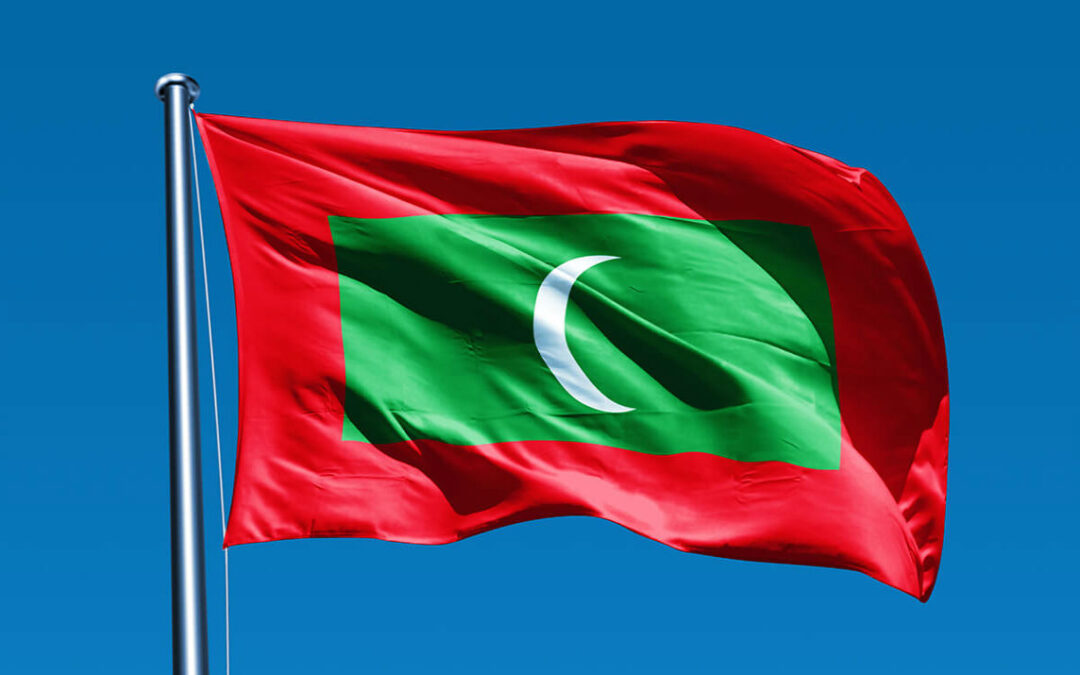
As the assault on the rule of law and human rights under the state of emergency in the Maldives continues, the ICJ expressed concerned about government reprisals taken against lawyers for performing their legitimate professional functions.
The ICJ urged the Maldivian authorities to stop obstructing the work of lawyers and respect the independence of the legal profession.
The ICJ called on the government to immediately lift the state of emergency, revoke the “suspension” of human rights protections, release judges of the Supreme Court and persons detained for political reasons, and ensure the independence of the judiciary.
On 22 February, the Department of Judicial Administration, the administrative arm of the Maldivian judiciary, suspended lawyer Hussain Shameem for an indefinite period of time, citing an ongoing investigation against him.
“No lawyer should be subject to persecution for carrying out their professional duties. Lawyers like Hussain Shameem are indispensable in ensuring human rights protection and upholding the rule of law in the Maldives, especially during a state of emergency,” said Frederick Rawski, ICJ’s Asia-Pacific Director.
The decision to suspend Shameem came only days after the Maldivian police launched an investigation against him for “obstruction of justice” and “obstruction of the administration of law and other government function”.
Hussain Shameem is representing members of the political opposition who are in detention, including former President Maumoon Abdul Gayoom and parliamentarian Faris Maumoon.
Before his suspension, Hussain Shameem had made public statements asserting that the declaration emergency declared by the Government on 5 February 2018 was unconstitutional.
He had also highlighted the poor conditions of detention of his clients.
The ICJ has learned that the police confiscated the mobile phones of another two lawyers, Mahfooz Saeed and Moosa Siraj.
Like Shameem, they were representing individuals arrested and detained during the state of emergency, including Justice Ali Hameed, who was part of the Supreme Court bench that recently issued a judgment directing the release of members of the opposition.
The police have also informed lawyers taking up cases during the state of emergency that they can only meet their clients for 30 minutes, which is an arbitrary and unlawful restriction on the fair trial rights of accused persons.
Under international standards, including the UN Basic Principles on the Role of Lawyers, governments must ensure that lawyers are able to perform all of their professional functions without intimidation, hindrance, harassment or improper interference.
International standards also provide that lawyers shall not suffer, or be threatened with, prosecution or administrative, economic or other sanctions for any action taken in accordance with recognized professional duties, standards and ethics.
“The government’s actions against these lawyers, who are just doing their job of protecting their clients’ rights, has a chilling effect on other lawyers in the country as it sends a message that any exercise of their professional responsibilities perceived as contrary to wishes of the governments will not be tolerated,” added Rawski.
Contact:
Frederick Rawski, ICJ Asia Pacific Regional Director, t: +66 64 478 1121, e: frederick.rawski(a)icj.org
Reema Omer, ICJ International Legal Adviser for Pakistan (London), t: +447889565691; e: reema.omer(a)icj.org
Additional information: the state of emergency
On 5 February, the Government of the Maldives had declared a 15-day state of emergency under Article 253 of the Constitution, suspending a range of human rights protections. The declaration of emergency followed a Supreme Court judgment on 1 February that ordered the release of at least nine members of opposition parties, who were in detention on a number of charges.
On 20 February, the Parliament extended the state of emergency for another thirty days, citing the ongoing constitutional crisis. The extension appears to have been taken in violation of Maldivian law and the Constitution as the number of parliamentarians required for such an extension was not present during the vote.
The constitutionally and internationally protected rights that have been suspended in part or in full during the state of emergency include, among others, the right to liberty; the right to freedom of assembly; and the right to privacy. Basic safeguards surrounding arrest, detention, search and seizures – including the criminal procedure code – have also been suspended.
The International Covenant on Civil and Political Rights (ICCPR), to which the Maldives is a State Party, allows for States only to derogate from full protection of only a limited number of human rights during declared “public emergency which threatens the life of the nation.” No rights can be entirely suspended. Measures of derogation may only be taken to the extent strictly necessary to meet a specific threat to the life of the nation.
Feb 20, 2018 | News
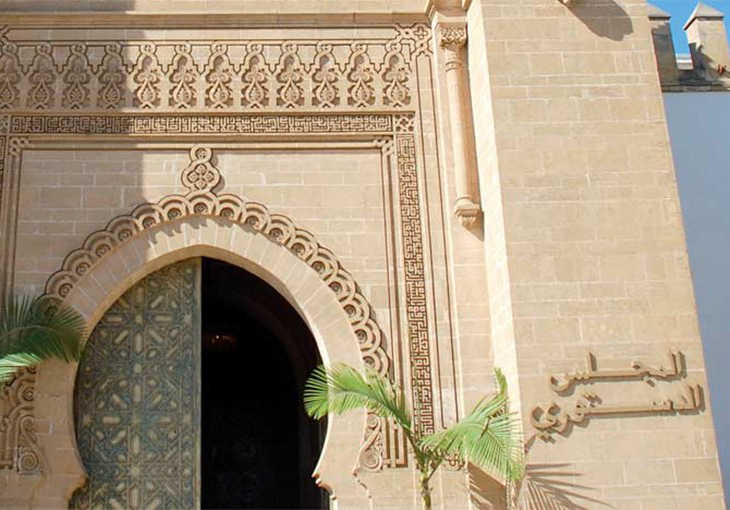
In a memo published today, the ICJ called on the Moroccan authorities to refrain from signing into Law Draft Organic Law No. 86.15 on access to the Constitutional Court with a view to amending it and ensuring its full compliance with international standards.
On 8 August 2017, the House of Representatives approved the Draft Law.
The Second Chamber of the Parliament, the House of Counselors, approved the Draft Law on 16 January 2018.
Before its promulgation, the Draft Law is due to be reviewed by the Constitutional Court to assess its compliance with the Constitution.
“The Draft Law is a missed opportunity to facilitate individuals’ access to the Constitutional Court and to remedy Morocco’s history of inadequate procedures of constitutional review,” said Said Benarbia, ICJ MENA Director.
“By providing for a two-layered admissibility system that includes vague and subjective criteria, and by omitting to extend free and competent legal assistance to those unable to pay when challenging the constitutionality of laws, the Draft Law puts undue burden on the litigants and curtails their access to the Court,” he added.
Under the Draft Law, a request to challenge the constitutionality of a law can only be introduced in the context of a litigation.
Lower courts are to refer the request to the Cassation Court after reviewing it and confirming that the formal and legal requirements set out in the Draft Law are met.
The Cassation Court shall then assess the challenge and refer it to the Constitutional Court if deemed “serious.”
The ICJ is concerned that this proposed procedure increases the likelihood that some laws and provisions may never be subjected to constitutional review, and that litigants may be blocked in their efforts to ensure the review of the constitutionality of the laws.
Moroccan authorities should provide for lower courts to immediately refer constitutionality challenges to the Constitutional Court, as well for other avenues of access, including for individuals and NGOs to be enabled to join proceedings as interested parties or to submit information as amicus curiae or through expert opinions, the ICJ says.
Under international law, anyone who alleges they have been the victim of a human rights violation has the right to access to an effective remedy, including a judicial remedy.
In Morocco, ensuring that alleged victims have access to constitutional review is of key importance to fulfilling this right within the national legal system.
Morocco-Access Const Ct-News-web story-2018-ARA (full story in Arabic, PDF)
Morocco-Access Const Ct-Advocacy-Position paper-2018-ENG (Memo in English, PDF)
Morocco-Access Const Ct-Advocacy-Position paper-2018-ARA (Memo in Arabic, PDF)

![Smoke rises after an Israeli air strike on the village of Taybeh in southern Lebanon [Source: Al Jazeera]](https://www.icj.org/wp-content/uploads/2026/03/Screenshot-2026-03-20-at-15.56.24-300x200.png)