Nov 25, 2016 | Multimedia items, News, Video clips
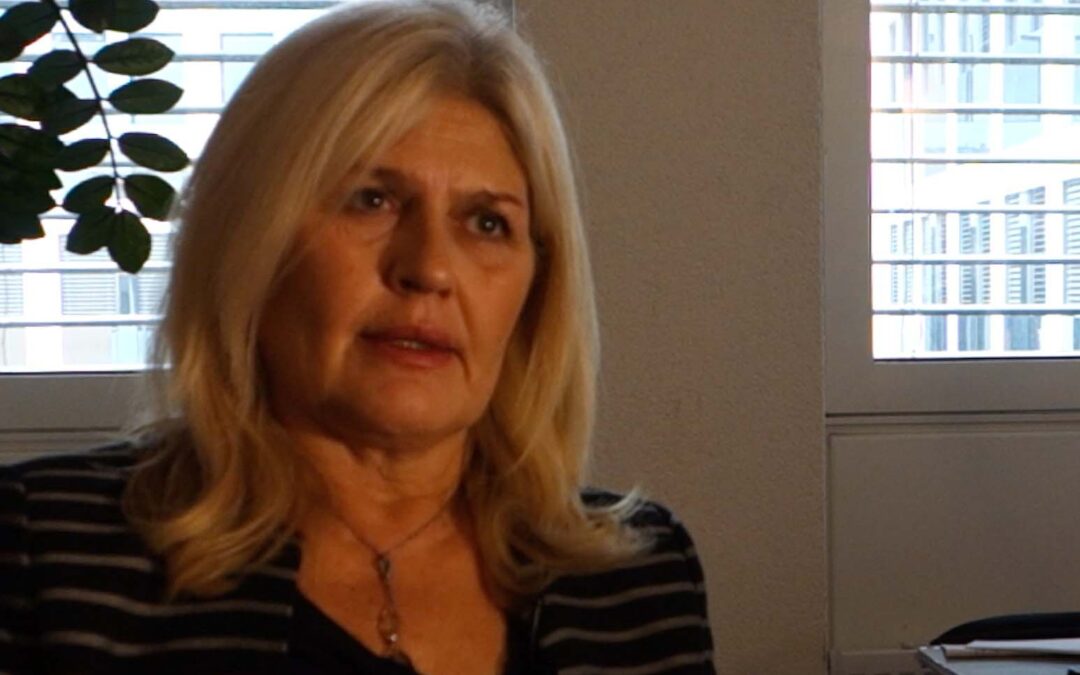
The ICJ has launched a new women’s rights defenders profile series, beginning with ICJ Commissioner and Justice of the Supreme Court of Serbia, Radmila Dragicevic-Dicic.
The monthly profile series, introducing the work of ICJ Commissioners and Honorary Members on women’s rights, has been launched to coincide with the International Day to Eliminate Violence against Women and the first day of the 16 Days of Activism Against Gender-Based Violence Campaign.
The Judges Association of Serbia was established by Radmila and others in 1997, during the regime of Slobodan Milosevic. The Association was formed under the slogan ‘I do not agree’ in opposition to the misuse of the judiciary. Many women were involved in this fight against corruption and in protection of the independence of the judiciary.
In the year 2000, shortly before the fall of Milosevic, Radmila was one of fifteen judges that were dismissed because of their opposition to the repressive regime; although she was quickly reinstated following the elections that took place later that year.
During the civil war period in the 1990s, violence against women grew significantly and domestic violence was rampant in Serbia. Radmila, and other women in the judiciary, worked on issues of organized crime and human trafficking and they were brave to do so as the State couldn’t guarantee their security.
Radmila spoke of women’s continued obstacles in accessing justice and the important of protecting victims of violence. She commented that some States still lack the facilities, resources, personnel and awareness to provide adequate protection for victims.
Human trafficking continues to be one of the biggest problems that affects women, not only in Europe but globally. Justice Dragicevic-Dicic said it was beneficial for those working on women’s rights to share their experiences and learn from one another. Although the motivations and circumstances of women trafficked in different parts of the world may vary, all these women are subject to the same kinds of violence.
In the Serbian constitution, human trafficking is categorized as a crime against humanity and is taken very seriously, although this was not always the case.
Radmila spoke of one case she presided over that helped her to understand what it meant to be a victim. The case concerned two Ukrainian students who had dreamt of going to work in Germany to earn some money for their families but were trafficked into prostitution. She said that this case helped her to understand that anyone can be a victim.
It is everyone’s right to have dreams and to be naïve but no-one has the right to violate your rights. Radmila works to raise awareness amongst other judges that their role is not to judge the victims but those that have exploited them.
There remains a number of issues for victims of trafficking that Justice Dragicevic-Dicic highlighted, including ensuring the non-punishment, safety and protection of victims as well as addressing their access to compensation. Even where the offender isn’t known, victims are still entitled to the full rights of a victim within criminal proceedings.
The judiciary and independent organizations, like the Association of Serbian Judges and the International Commission of Jurists, have an important role in protecting the rights of women. Radmila explained that this can be done through promoting international standards, ensuring that victims are made visible and ensuring that States understand their responsibilities and obligations.
Judicial education on gender-based violence is important, not just in countries undergoing transitional periods, but for all countries where regional and/or international standards have been developed.
Radmila advised anyone interested in defending women’s rights that this work can be done from any position or microsystem that an individual or group is operating in, providing they take the time to educate themselves and build awareness. What is important is that as many people as possible come together to promote and protect women’s rights. Progress can be made, even if this is little by little.
“Sometimes you think you are doing little and you feel hopeless”, said Radmila, “but then I always say if you put a little seed somewhere then it will grow, after you leave, in one year, two years it’s always worth it.”
Watch the video interview:
The series of profiles introducing the work of ICJ Commissioners and Honorary Members on women’s rights was launched on 25 November 2016 to coincide with the International Day to Eliminate Violence against Women and the first day of the 16 Days of Activism Against Gender-Based Violence Campaign.
Mar 8, 2016
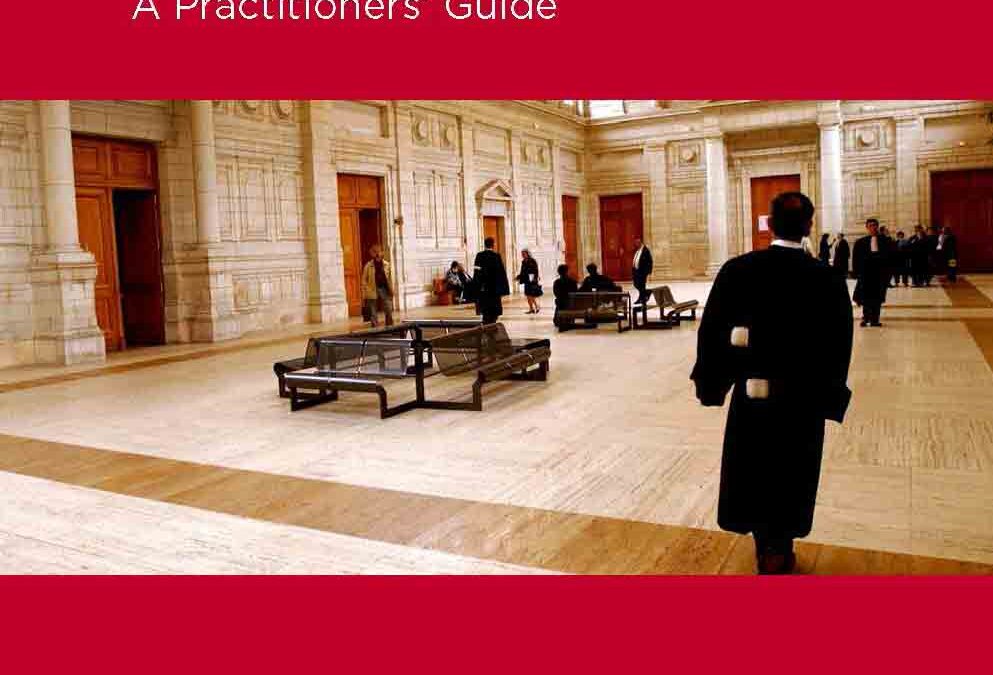
The ICJ addresses women’s access to justice for gender based violence in its new Practitioners’ Guide, launched today on International Women’s Day.
Since the early 1990s there has been international recognition of the problem of gender-based violence and awareness that this impairs the ability of women and girls to access and enjoy all the rights that should be available to them as afforded under international law.
However, in 2016, violence against women remains a public health problem of epidemic proportions, thought to affect between 35-70 per cent of all women and girls at some point during their lives.
The ICJ’s 12th Practitioner’s Guide, Women’s Access to Justice for Gender-Based Violence, is designed to support legal practitioners and human rights defenders involved, or interested, in pursuing cases of gender-based violence.
Lasting change to address the root causes of violence against women can only take place as part of a coordinated effort on behalf of multiple stakeholders, however the ICJ believes that legal practitioners and human rights defenders are indispensible to addressing the problem and realizing women’s access to justice.
Access to justice for gender-based violence means that States must implement a range of measures that recognize violence against women as a crime and ensure appropriate procedures are in place that enable investigations, prosecutions and access to effective remedies and reparation.
These measures may, where necessary, include amending or adopting national legislation.
The ICJ produced this Guide as part of an ongoing project on empowering legal practitioners and human rights defenders seeking justice for women.
Woven into the Guide are commentaries, reflections and recommendations from legal advocates and women human rights defenders from their experiences in this area.
The Guide provides information about regional and international law and standards relevant to gender-based violence, advice on implementing these standards as part of domestic law reform and examples of existing good practice in seeking protection for women.
It also contains a summary of some leading academic literature and civil society commentary and research, signposting users to other in-depth sources where these may be potentially relevant.
The new Guide also addresses the practical issues that are faced by women who have been subject to gender-based violence and the steps that are necessary to secure their access to justice in practice.
It considers women’s experiences of the criminal justice system and reflects on how the justice process deals with women’s safety and need for access to services beyond legal assistance.
The ICJ intends for this guide to be used as a practical tool to assist in navigating individual cases as well as a means of advocating for change on a larger scale.
The ICJ believes that enabling women’s access to justice for gender-based violence will lead to new norms of acceptability, where children and young people are raised to reject gender discrimination and violence.
Download
Universal-Womens accesss to justice-Publications-Practitioners’ Guide Series-2016-ENG (full guide English, in PDF)
Universal-Womens accesss to justice-Publications-Practitioners’ Guide Series-2019-ARA (full guide Arabic, in PDF)
Dec 11, 2015 | Events, News
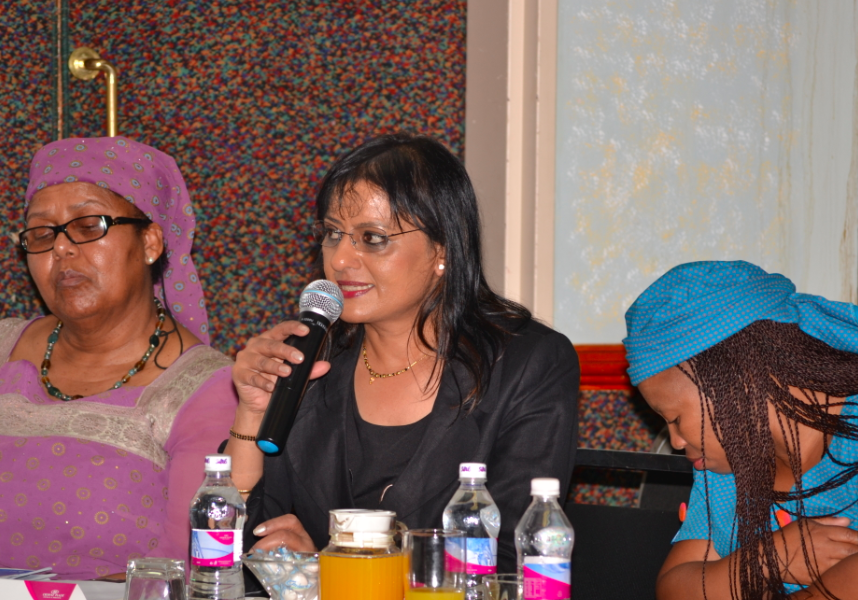
On 10-11 December, the ICJ gathered leading jurists and human rights defenders in Harare, Zimbabwe to discuss measures needed to implement legal reform and change attitudes to eliminate sexual and gender based violence.
For International Human Rights Day (10 December), the ICJ organized high level panel discussions, chaired by ICJ Commissioner Justice Qinisile Mabuza.
Justice Mabuza, who is also a judge for the High Court of Swaziland and for the Common Market for Eastern and Southern Africa (COMESA) Court of Justice, set the tone for the discussions that followed in setting out the extent of the problem of sexual and gender based violence not only within Africa but also on a global scale.
One panel consisted of Judge Lillian Tiabtemwa-Ekrikubinza, Supreme Court Judge of Uganda; Magistrate Asha Ramlal of South Africa; Judge Lavender Makoni, High Court Judge of Zimbabwe; and Magistrate Polo Banyane from Lesotho.
This panel provided a judicial perspective from magistrates and judges from across the region, sharing their experiences and common problems encountered in tackling sexual and gender based violence in their jurisdictions.
The judges spoke about the need to adopt a gender analysis in judicial decision-making and to be conscious of the way in which pervasive gender stereotypes can influence even seemingly gender neutral decisions.
They also spoke of the practicalities in implementing domestic violence and sexual offences legislation as well as the challenges involved when this legislation does not exist.
Welekazi Stifole from Tshwaranang Legal Advocacy Centre; Kelvin Hazangwi from Padare (Men’s Forum on Gender) and Lisa Gormley, ICJ Consultant on women’s rights participated in a second panel.
The participants shared their perspectives and insights concerning reviewing legislation, identifying problems with evidence gathering, analyzing the international and regional frameworks covering gender based violence and in working with perpetrators and within communities to change cultural attitudes.
The second day of the gathering featured a consultative meeting on the ICJ’s forthcoming Practitioner’s Guide on Women’s Access to Justice for Gender-Based Violence.
ICJ expert consultant Lisa Gormley presented the Guide and participants shared their experiences in relation to its content, as well as developing strategies for its future implementation.
Representatives of civil society, judges, lawyers and law students participated in both events, contributing to a broader understanding of sexual and gender based violence issues and strengthening national and international networks of defenders of women’s rights.
Jul 31, 2015 | News
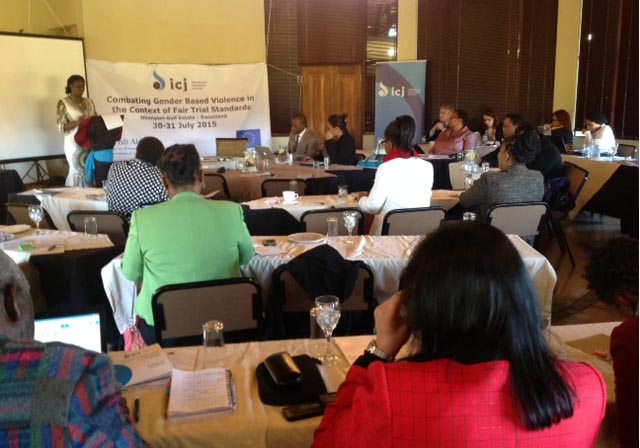
The ICJ held a colloquium on this issue on 30-31 July. Judges, magistrates, lawyers, members of academia, and civil society leaders from SADC, ECOWAS and the East African Community attended the event.
The Acting Chief Justice of the Kingdom of Swaziland, MCB Maphalala and the Secretary General of ICJ, Wilder Tayler, officially opened the colloquium.
The participants discussed the concept of gender-based violence; the efforts to combat impunity in sexual offences and gender based violence at the national, regional and international level and made recommendations to eliminate the scourge.
One of the key objectives of the workshop was to contribute to the process of enacting sexual offences and domestic violence legislation in Swaziland.
The Sexual Offences and Domestic Violence Bill of Swaziland is before the house of assembly, which has asked stakeholders to submit their views, on what should be included in the law.
The judges, lawyers and civil society leaders had robust and honest discussions touching on effective innovative strategies to combat sexual and gender based violence.
Some of the recommendations included the training of judicial officers to be gender sensitive, changing societal attitudes and prejudices, raising awareness amongst parliamentarians, creative interpretation and application of regional and international standards when adjudicating cases of sexual offences and gender based violence as well as observance of fair trial standards at the national, regional and international level.
The colloquium was made possible with funding from IrishAid.
Jun 5, 2015 | News
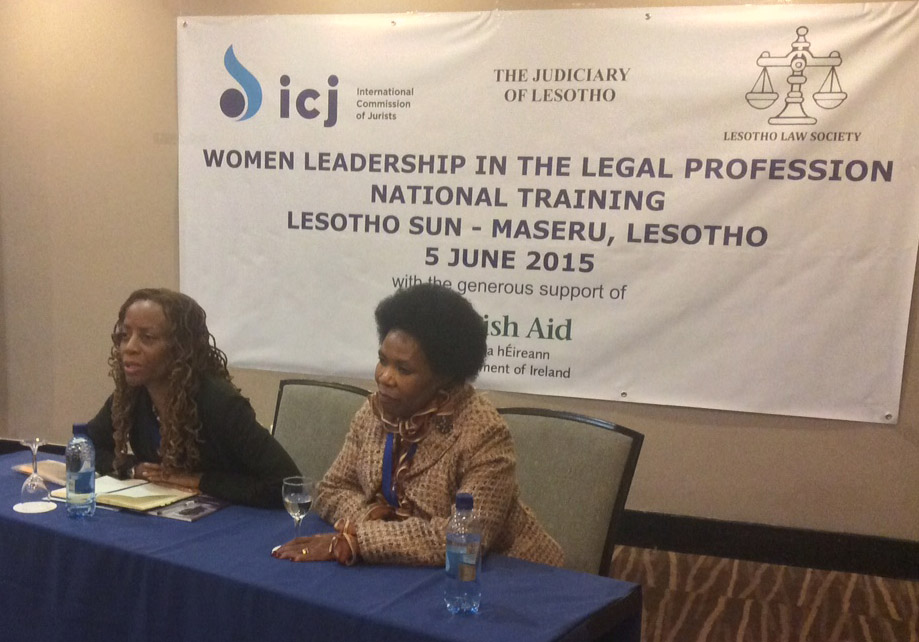
Today, the ICJ convened its training on “Women lawyers making a difference through the Legal Profession” in Maseru. Thirty-five women participated in the event.
In many jurisdictions, men invariably dominate the legal profession and there is a necessity to interrogate the reasons for this.
The advancement of women has not been significant despite the fact that there is equality in numbers in enrolment in law schools.
There have been cited challenges and obstacles that have been raised by women lawyers for this lack of advancement, and these needed to be fully explored in order to adopt concrete recommendations to inform an adequate and effective response to the apparent inequalities.
In order to address this issue within the legal profession in Lesotho, the ICJ collaborated with the Judicial Service Commission and the Lesotho Law Society.
The training brought together 35 women including Chief Justice Majara, Judges, Magistrates, Lawyers and Human Rights Activists from Non-Governmental Organisations.
The main objective of the training was to provide a platform for the participants to engage in robust discussions on the systemic obstacles that affect the ascendancy of women to leadership positions and provide them with an opportunity to introspect and come up with plausible innovative solutions and identify opportunities for change.
Further, the training would address the gender gap in the legal profession and also interrogate possible capacity building initiatives for the participants, which will enable them to effectively advance women’s rights through various advocacy techniques.
In addition, the training also sought to provide an opportunity for the Judicial Service Commission and the Lesotho Law Society for dialogue on improving the situation of women in the legal profession, as well as contributing to the promotion and protection of women’s rights and access to justice.