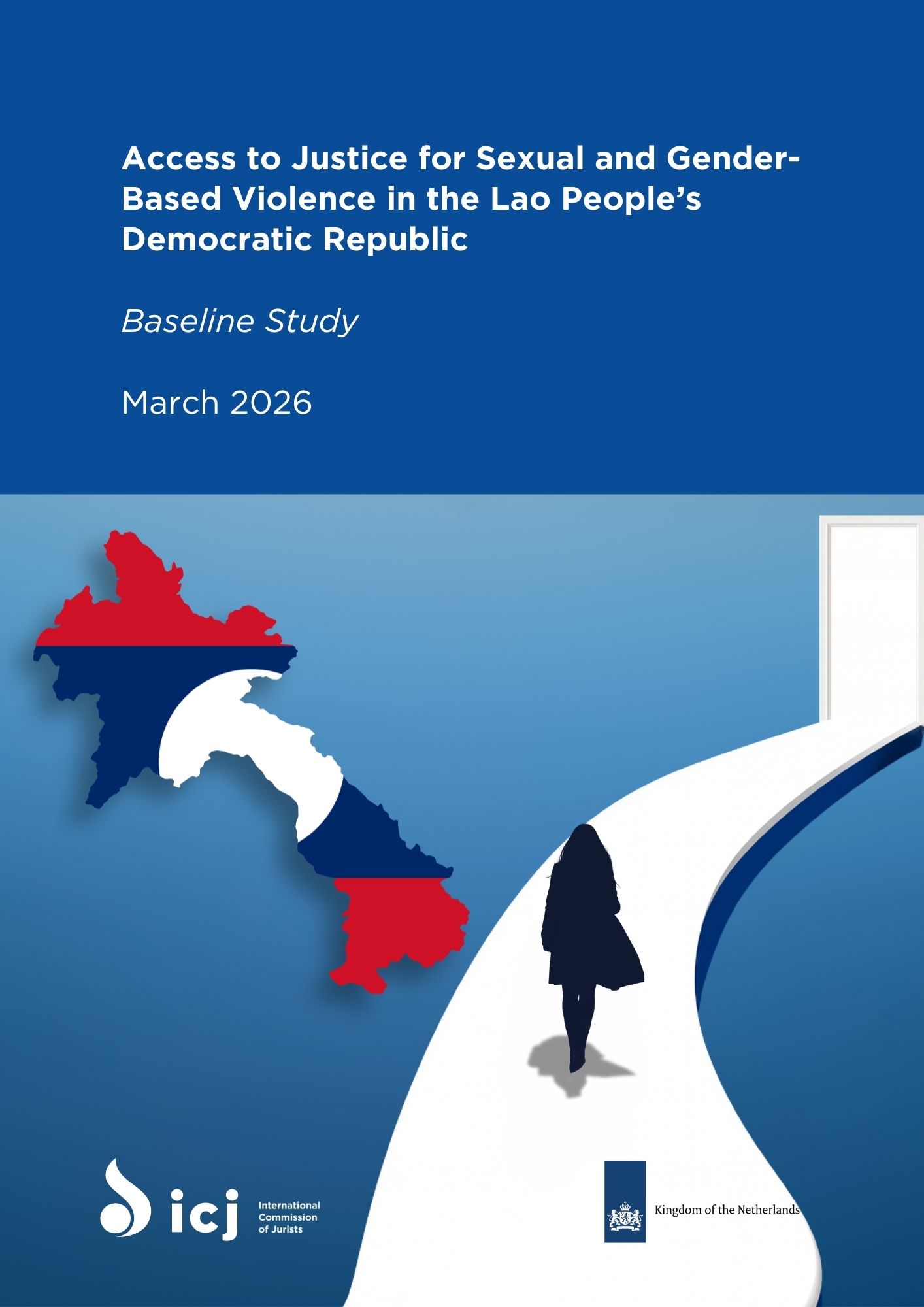
Today, the International Commission of Jurists (ICJ) launched its Baseline Study on Access to Justice for Sexual and Gender-Based Violence (SGBV) in Lao PDR, which outlines the country’s legal and policy framework on SGBV and its implementation in practice, and assesses Lao PDR’s compliance with its international human rights law obligations to prohibit, prevent, investigate, prosecute, punish, and provide redress for SGBV.
The Study draws on wide-ranging research and interviews with:
(i.) lawyers with extensive experience in representing SGBV victims/survivors;
(ii.) representatives of non-governmental organizations working on SGBV, including those supporting individuals from marginalized groups; and
(iii.) academics.
The Study identifies significant gaps in the legal provisions relating to rape and other forms of sexual violence, sexual harassment, technology-facilitated gender-based violence (TFGBV), gender-related killings (i.e., femicides), and the broader legal framework on gender equality and non-discrimination.
It also highlights provisions that criminalize conduct disproportionately affecting women, which, in turn, deters victims/survivors from reporting SGBV. Such provisions include the criminal proscription of abortion, of “incest” victims, sex work, adultery, and other instances of consensual sexual relations.
In addition, the Study reflects broader concerns that men and gender-diverse persons, who may also experience SGBV, by and large, are excluded from recognition as victims/survivors and/or denied protection, both in law and in practice.
The Study also analyses and expresses concern about the widespread reliance on community-based informal or traditional justice mechanisms. They are often presented as alternative dispute resolution processes permitting “re-education,” “compromise,” and “mediation” in a broad range of cases, even those involving serious forms of SGBV.
The Study further highlights how, even when cases proceed through the formal justice system, judicial proceedings are rarely gender-sensitive or trauma-informed, thus exposing survivors to re-victimization and harmful gender stereotypes. There is also no consistent or comprehensive national data on SGBV, including with respect to sentencing patterns or case outcomes, leaving significant gaps in transparency.
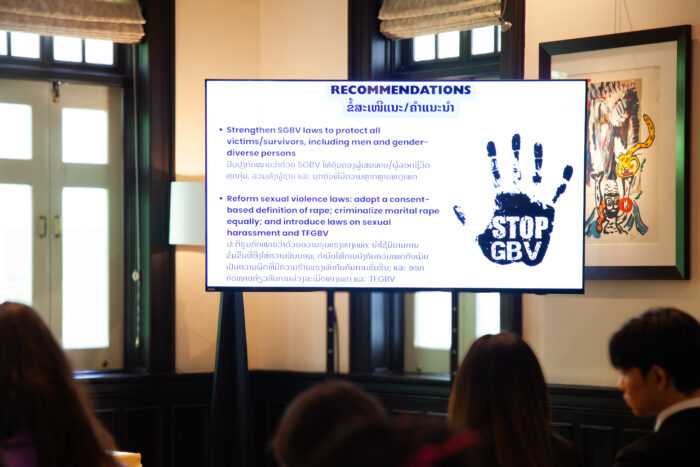
The ICJ’s study recommends:
- Strengthening the legal framework on SGBV by amending the Penal Code and the Law on Preventing and Combatting Violence against Women and Children—the key legal texts governing responses to SGBV—to ensure protection be extended to all victims/survivors, including men and gender-diverse persons;
- Reforming sexual violence laws, including by adopting a consent-based definition of rape, where consent refers to voluntary agreement as the result of a person’s free will; treating marital rape as a crime of at least equal gravity as other types of rape; criminalizing sexual harassment and TFGBV; and abolishing the death penalty in all circumstances. Pending abolition, a moratorium on capital punishment should be imposed, in line with the right to life.
- Repealing discriminatory criminal provisions that deter reporting and disproportionately affect women victims/survivors of SGBV, including laws criminalizing abortion, “incest” victims, sex work, adultery, and other instances of consensual sexual relations.
- Restricting the use of alternative dispute resolution in SGBV cases by ensuring that “re-education,” “compromise,” and “mediation” are not prioritized over judicial proceedings and are used only in exceptional cases, where permitted under international human rights law and standards, with the victim’s/survivor’s free and informed consent, appropriate safeguards, and with the involvement of trained professionals.
- Improving justice sector responses through the establishment of specialized SGBV units within police and prosecution services; delivering mandatory, gender-sensitive training for justice actors on SGBV; increasing the participation of trained female officers in handling SGBV cases; and discontinuing practices that result in secondary victimization or expose victims/survivors to retaliation.
- Expanding victim support services, including shelters, legal aid, forensic services, disability-inclusive accommodations, interpreters, and dedicated funds for reparations and assistance, particularly in rural areas and among marginalized communities, including minority ethnic communities whose members may not be fluent in Lao, and persons with disabilities.
- Strengthening implementation, monitoring, and data collection by establishing a system for the regular collection and publication of disaggregated data on all forms of SGBV.
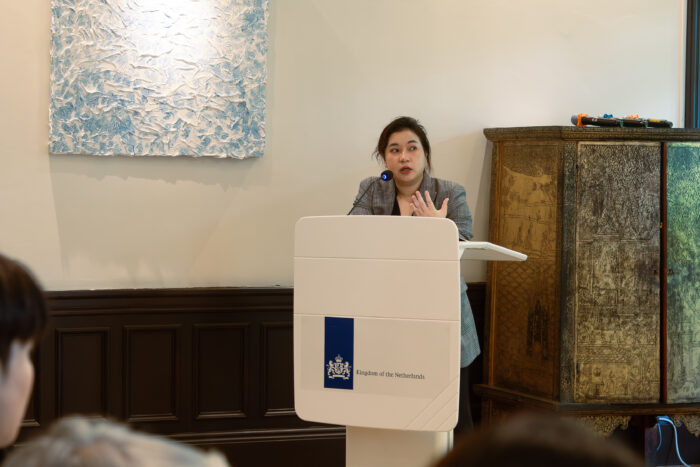
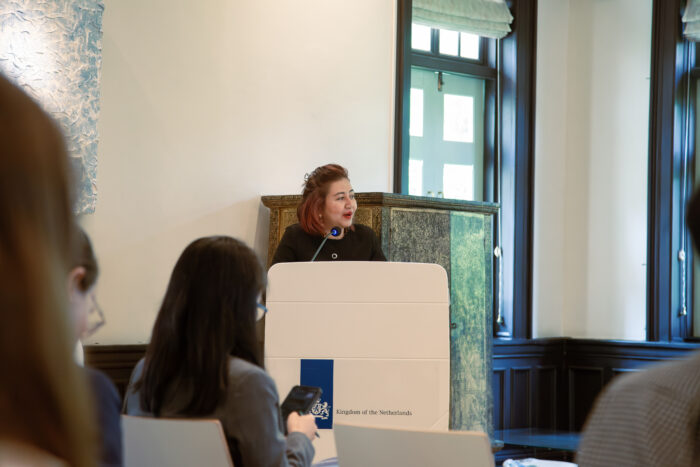
The Study forms part of a two-year project supported by the Embassy of the Netherlands in Thailand and was formally launched today by the ICJ and the Embassy of the Netherlands at the Residence of the Ambassador of the Netherlands in Bangkok.
Further readings
Baseline Study on Access to Justice for Sexual and Gender-Based Violence (SGBV) in Lao PDR in English.
Executive Summary in English and Lao.
Contact
Sanhawan Srisod, Senior Legal Adviser, Legal and Policy Office, e: sanhawan.srisod@icj.org
Saovanee Kaewjullakarn, Associate Legal Adviser, ICJ Asia and the Pacific Programme, e: saovanee.kaewjullakarn@icj.org

![Smoke rises after an Israeli air strike on the village of Taybeh in southern Lebanon [Source: Al Jazeera]](https://www.icj.org/wp-content/uploads/2026/03/Screenshot-2026-03-20-at-15.56.24-300x200.png)